

The Private Sector: The Next Frontier in U.S. Foreign Assistance
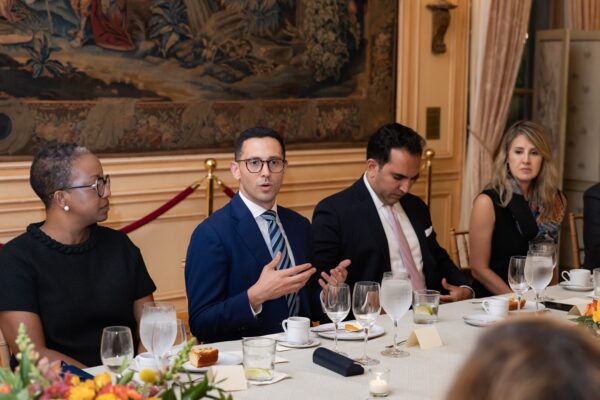
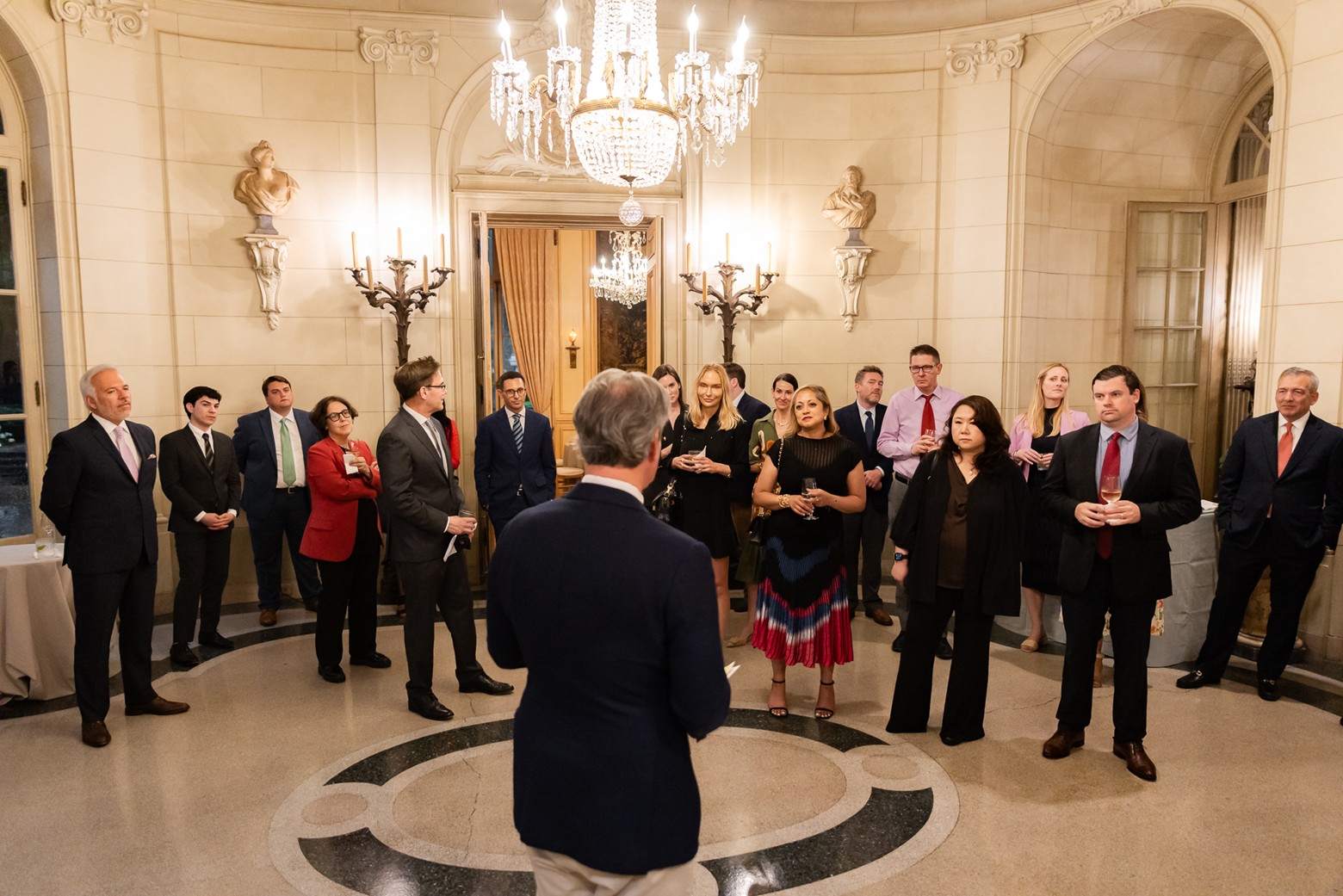
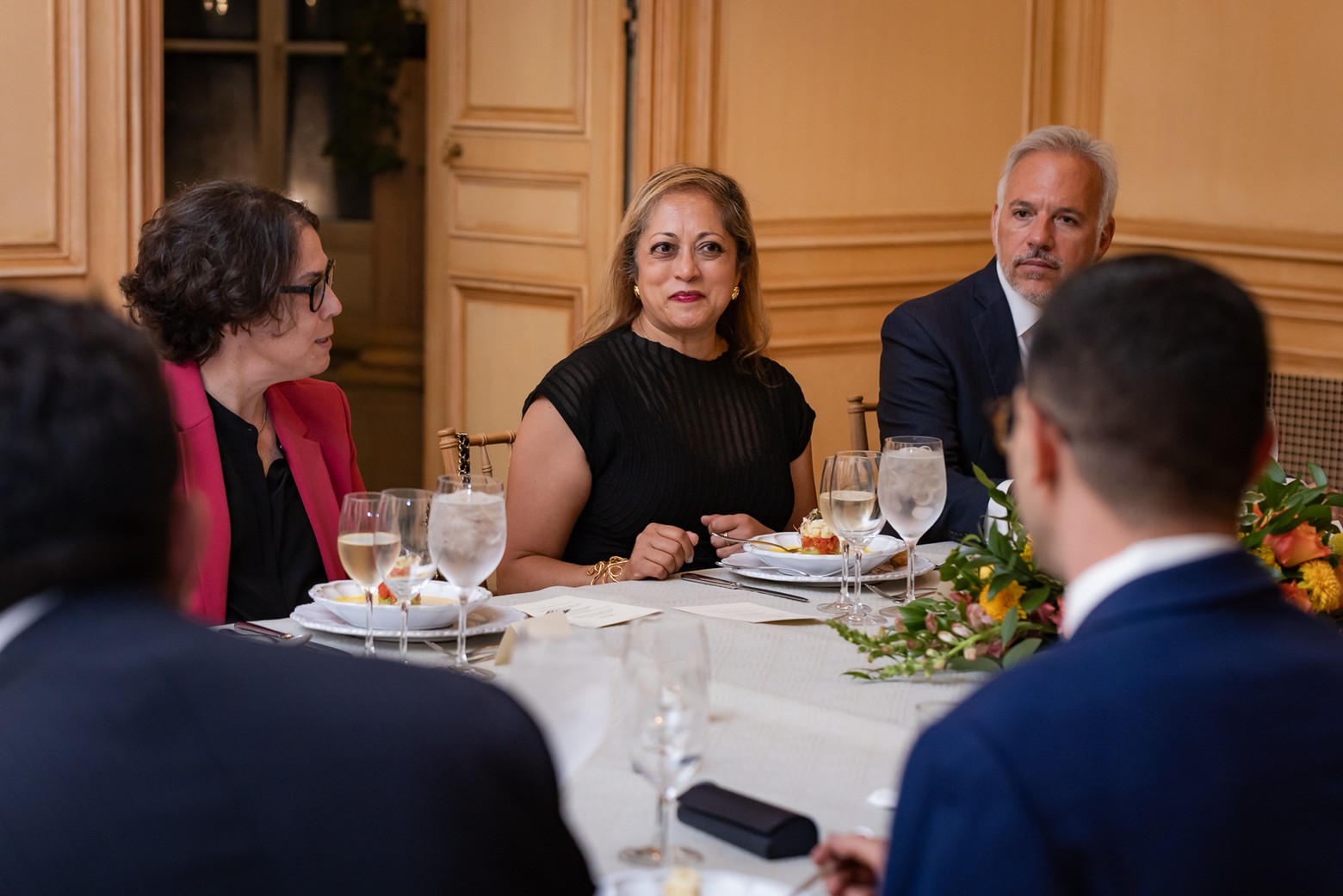
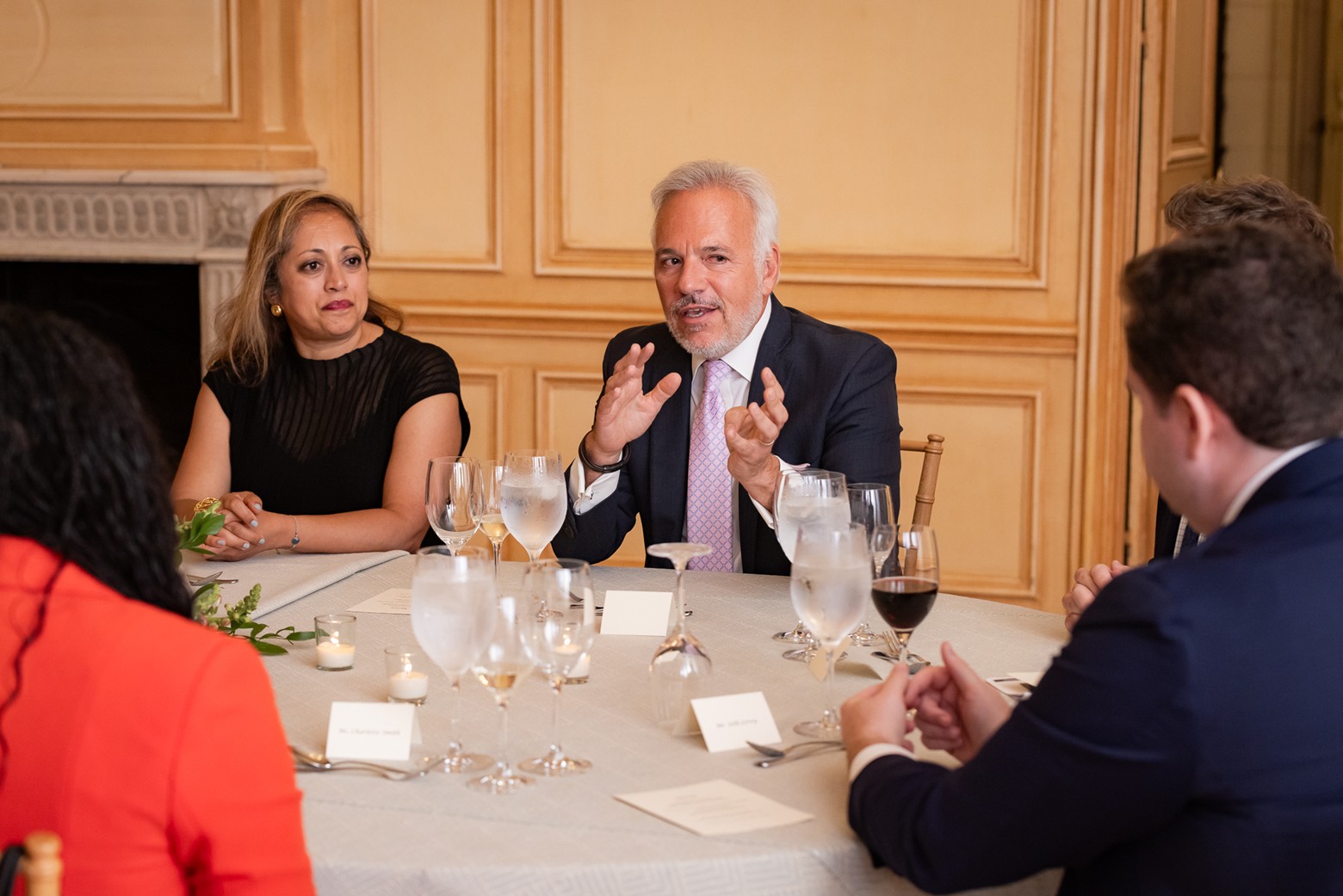
American leadership abroad increasingly depends on the strategic engagement of U.S. companies. Their innovation, scale, and global reach can advance economic growth overseas while supporting security and prosperity at home. For policymakers navigating an increasingly complex international landscape, the private sector has become an essential partner in shaping development outcomes that benefit both foreign markets and U.S. interests. Against this backdrop, the Meridian Center for Corporate Diplomacy convened a closed-door Global Dialogue Dinner with members of the Meridian Corporate Council to explore the evolving role of U.S. business in advancing global development and international aid.
Global development challenges are becoming more complex—from energy expansion and digital infrastructure to health security and resilient food systems. In response, the U.S. foreign assistance community is engaging private enterprise with renewed focus, recognizing that businesses are not only contributors of capital but engines of innovation capable of delivering measurable impact at scale. Policymakers, development agencies, and multilateral institutions are rethinking traditional aid models, seeking ways for American companies to support economic resilience, market stability, and long-term competitiveness in emerging markets.
Success abroad depends on more than market access. Companies require enabling environments supported by reliable supply chains, robust infrastructure, and strong educational pipelines. Historical patterns demonstrate the connection between development and trade: twelve of the fifteen largest U.S. export markets were once recipients of American foreign assistance. Strategic support for emerging economies can open new markets for American goods while advancing national interests and safeguarding taxpayer resources.
Corporate engagement in development is evolving beyond conventional philanthropy. Businesses are increasingly embedding impact within core operations—leveraging logistics, technology, and product delivery to achieve both commercial and development objectives. When integrated in this way, initiatives gain scale, efficiency, and durability beyond traditional aid programs. Private-sector models can deliver lasting outcomes by providing a more sustainable and results-driven approach to international engagement.
Domestic perceptions remain central. Support for foreign assistance is strongest when its relevance to U.S. interests is clear. Framing development in terms of tangible domestic benefits—job creation, supply chain resilience, and economic security—is essential to maintaining political will and public backing. Viewed through this lens, international engagement is a tool for strengthening U.S. competitiveness, creating jobs, and safeguarding prosperity at home.
Global development is increasingly competitive. China, for example, has demonstrated the ability to bundle financing, infrastructure, and influence in ways that challenge U.S. engagement. From port operations to health systems, private-sector leaders caution that insufficient attention risks ceding strategic advantage to rivals. In this context, the pending reauthorization of the U.S. International Development Finance Corporation (DFC) is critical. A fully empowered DFC ensures the United States can mobilize private capital in high-risk markets, advancing market-based development while maintaining strategic influence.
Coordination remains a persistent challenge. The absence of a single-entry point linking USAID, MCC, DFC, and the State Department introduces friction for private-sector actors seeking to align with U.S. development strategy. This gap limits the potential of public-private collaboration and underscores the need to treat companies as essential partners in advancing foreign policy objectives. Establishing a clear channel for engagement would allow the private sector to contribute more systematically, enhancing both development outcomes and U.S. influence in key regions.
The future of U.S. foreign assistance will be defined less by the size of aid budgets and more by the ability to integrate private-sector capabilities into strategic policy. Fully leveraging corporate engagement requires deliberate policy design, coordinated leadership, and clear communication that frames development as both a global and domestic priority. The opportunity is clear: mobilize American ingenuity and enterprise to deliver measurable impact abroad while safeguarding U.S. prosperity, competitiveness, and resilience. Those who embrace this approach will shape the next chapter of American leadership on the global stage.






Project summary
| The Private Sector: The Next Frontier in U.S. Foreign Assistance | July 2025 | |
|---|---|
| Impact Areas: | Business and Trade |
| Program Areas: | Corporate Diplomacy |
