

Global Dialogue Dinner: Balancing Sovereignty and Interdependence in the Digital Era
At its core, digital sovereignty refers to a state’s ability to independently manage its digital assets, infrastructure, and data without undue reliance on foreign governments, entities, or commercial providers. Increasingly, allied governments and international partners are reassessing their dependence on U.S.-based technology ecosystems, driven by concerns that extend beyond cost or software preferences to include resilience, strategic autonomy, and long-term economic security. As these concerns grow, questions surrounding technological dependency and vulnerability are becoming central to international policy discussions.
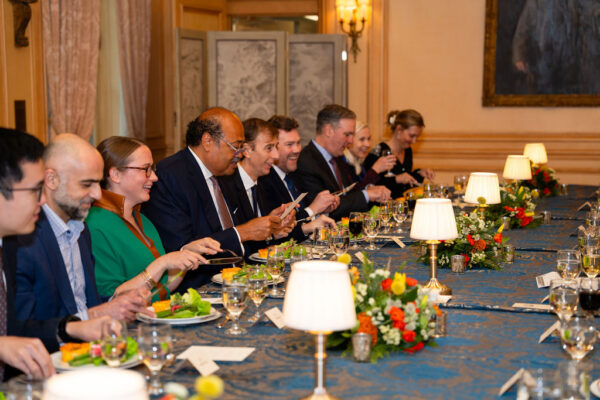
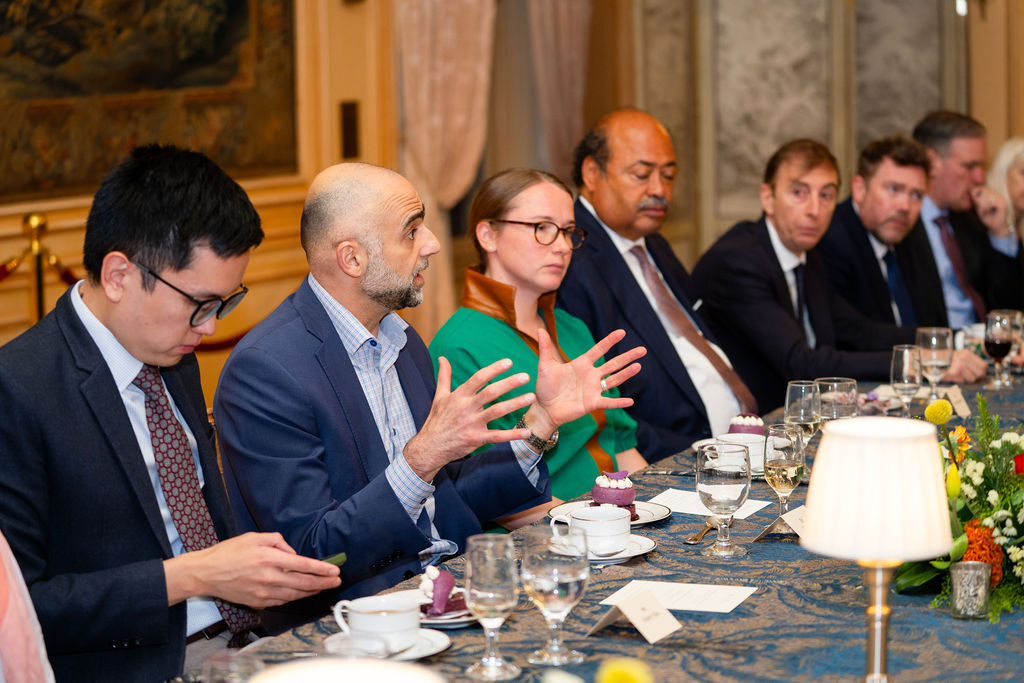
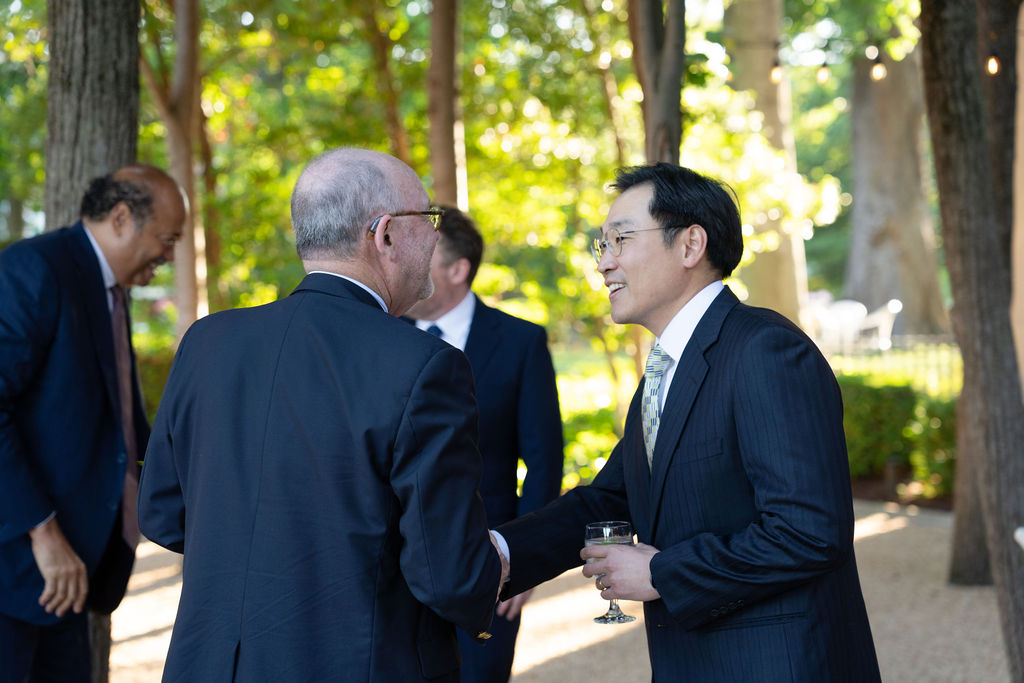
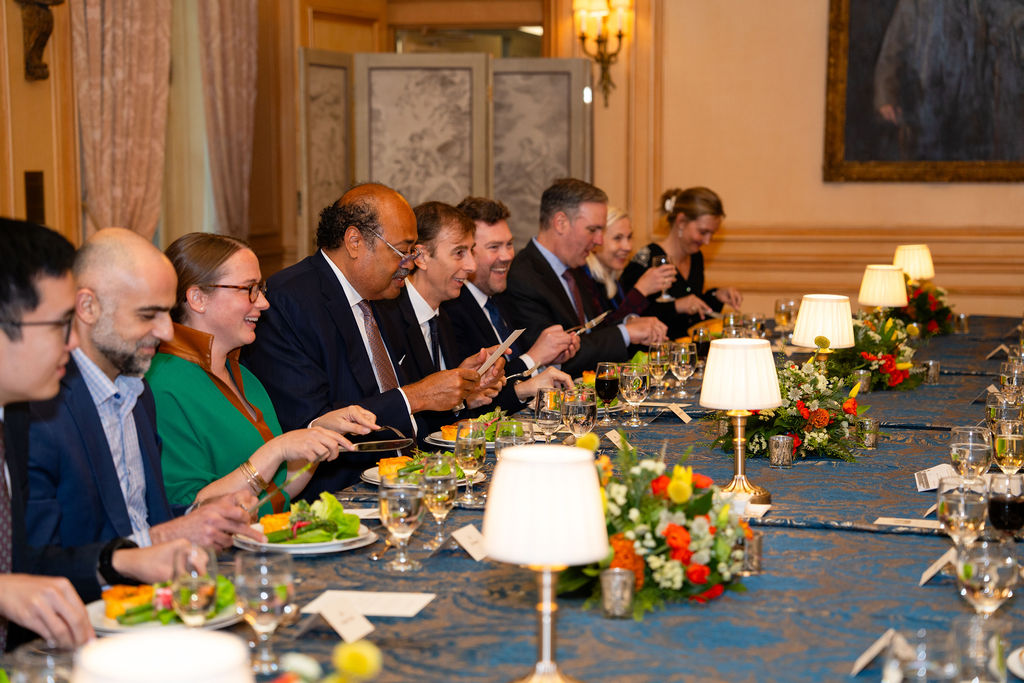
Meridian International Center convened senior diplomats, policymakers, and private sector leaders for an off-the-record discussion examining the evolving global debate surrounding digital sovereignty and the future of international technology governance. Held in partnership with Microsoft, the conversation explored how governments are reevaluating their relationships with foreign digital infrastructure, data systems, and technology providers amid shifting geopolitical and economic dynamics.
Participants discussed the broader implications of these developments, including how issues of trust, supply chain resilience, data governance, and emerging technologies are increasingly shaping international engagement. The discussion also highlighted the expanding role of the private sector in addressing cross-border digital challenges and informing policy conversations at both the national and international levels. The program underscored the importance of sustained dialogue between government and industry leaders as countries navigate the intersection of technology, competitiveness, economic security, and diplomacy in an increasingly interconnected digital environment.






Project summary
| Global Dialogue Dinner: Balancing Sovereignty and Interdependence in the Digital Era | May 2026 | |
|---|---|
| Program Areas: | Corporate Diplomacy |
