

What Ireland’s EU Council Presidency Means for U.S. Business and Transatlantic Trade

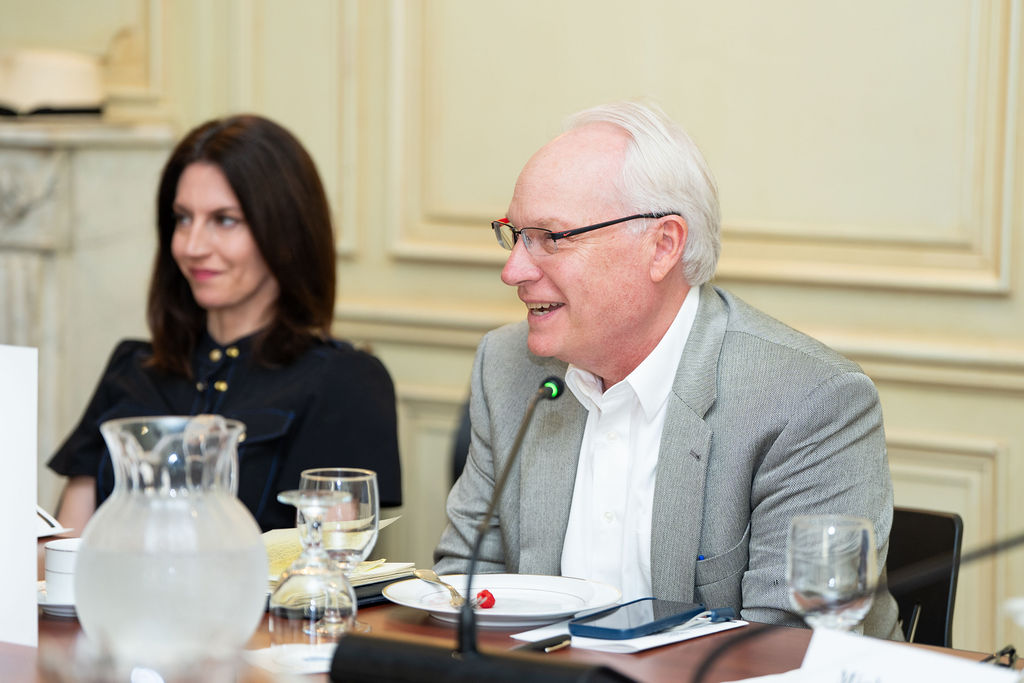
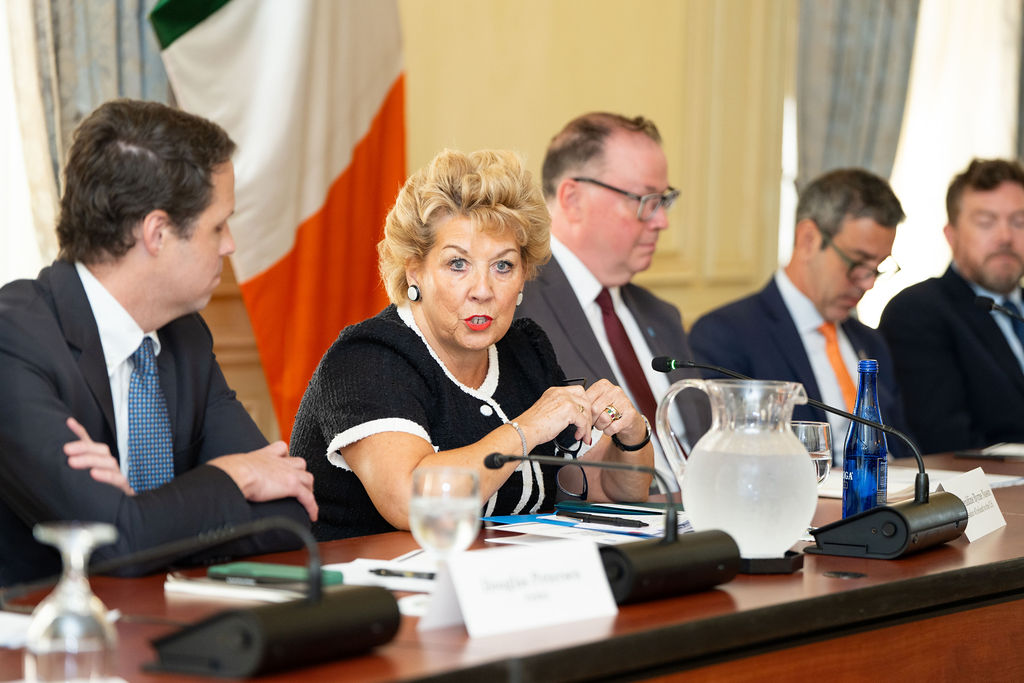
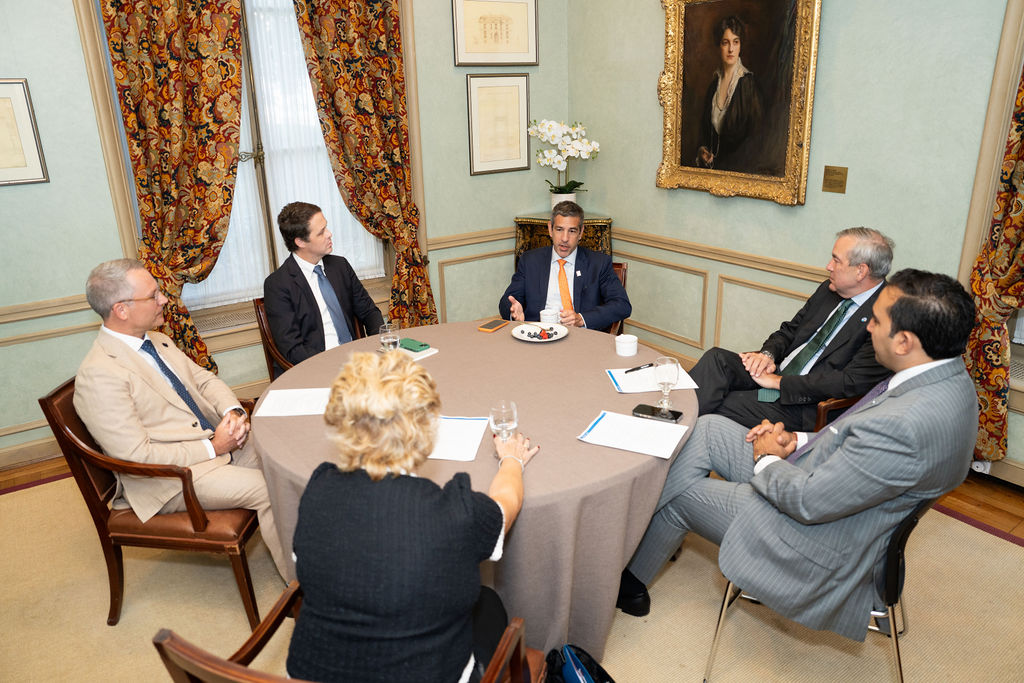
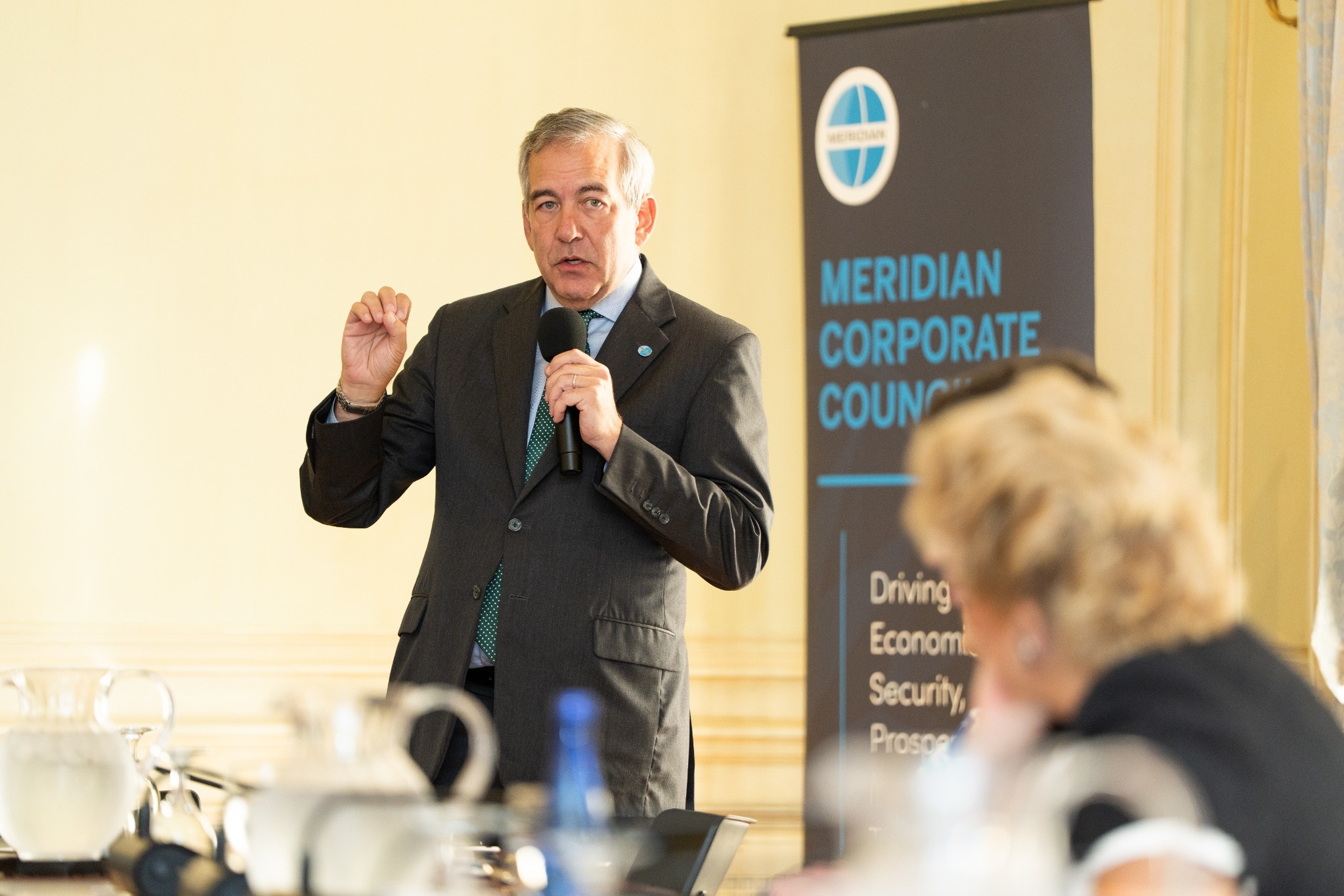
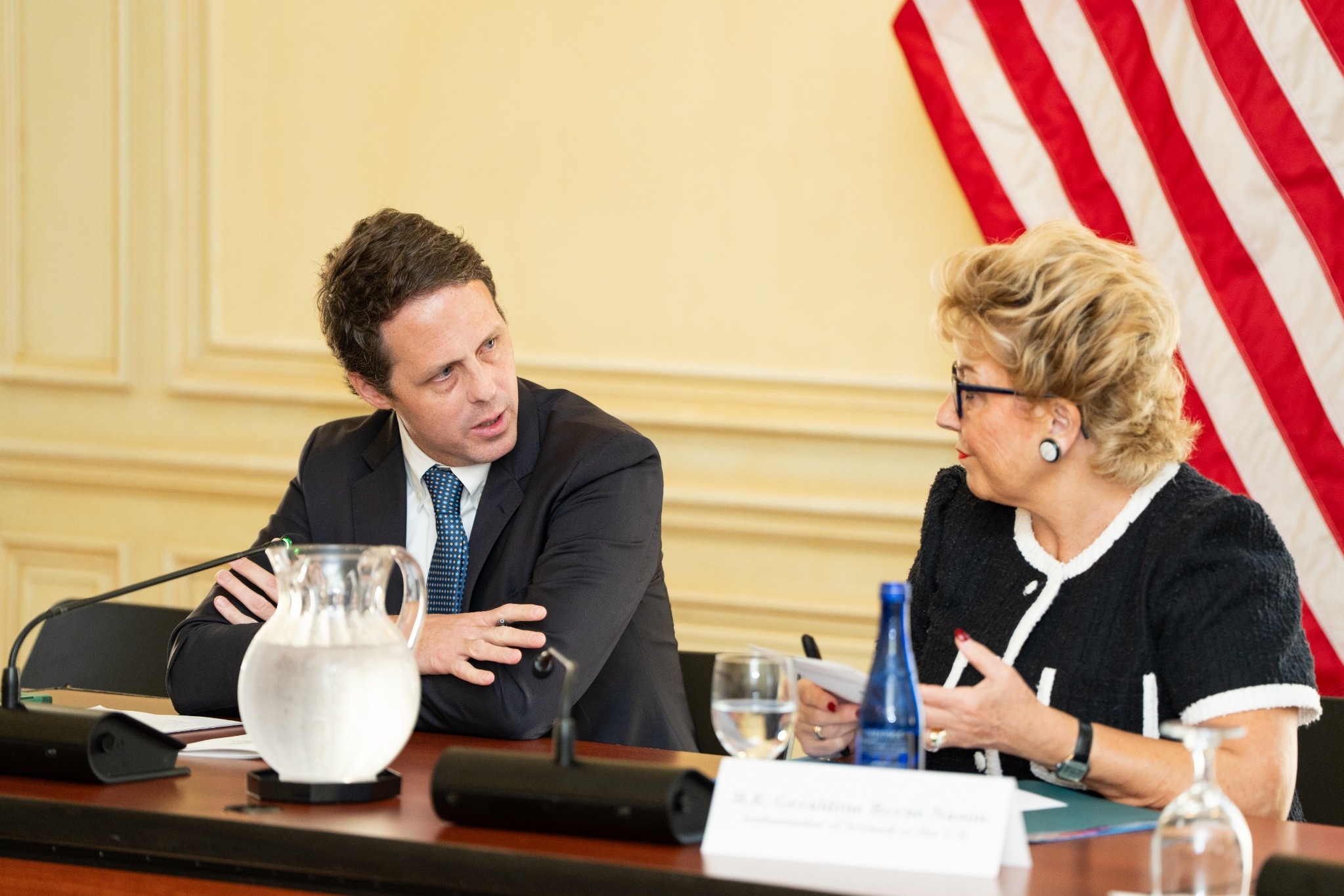
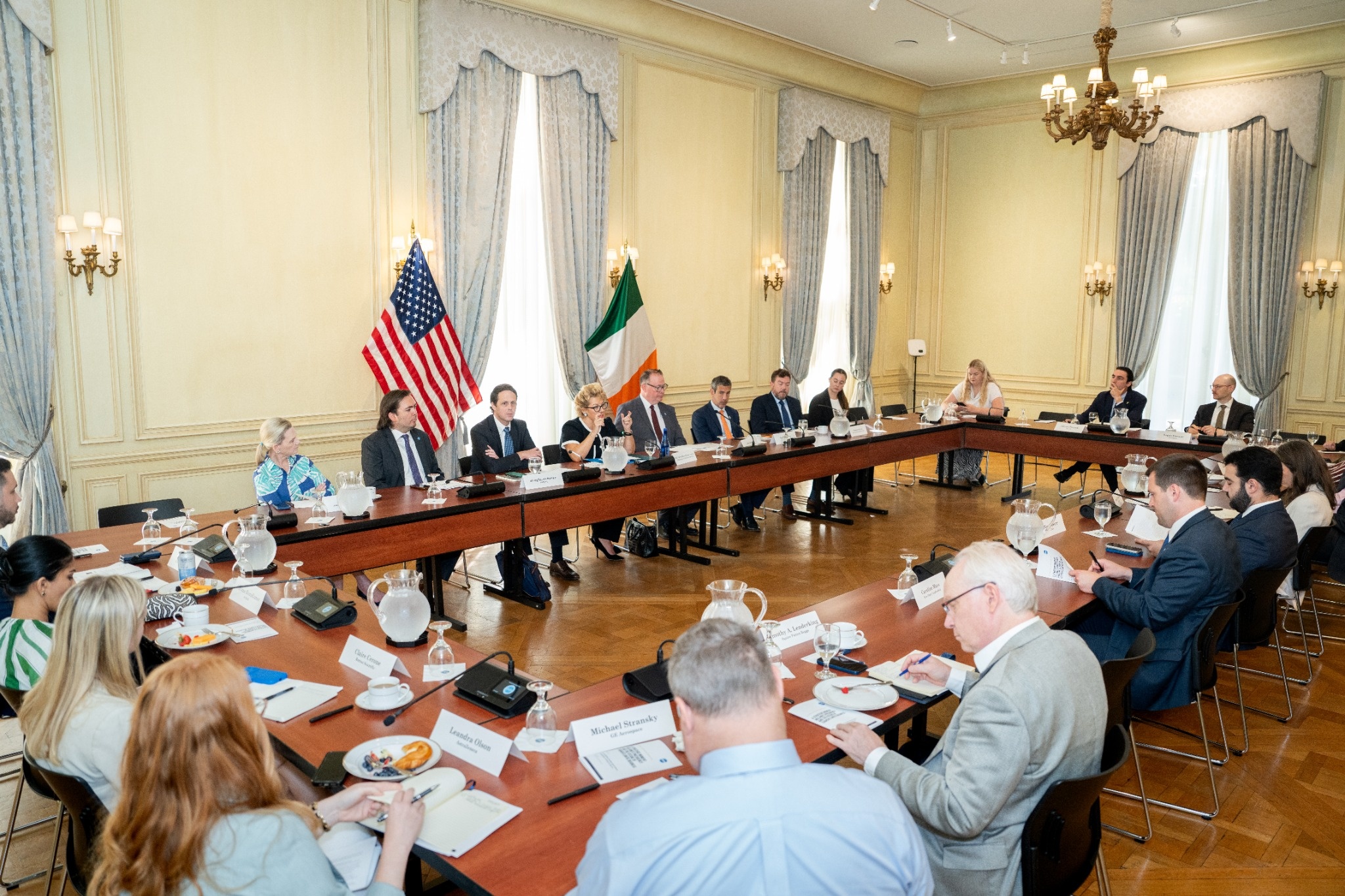
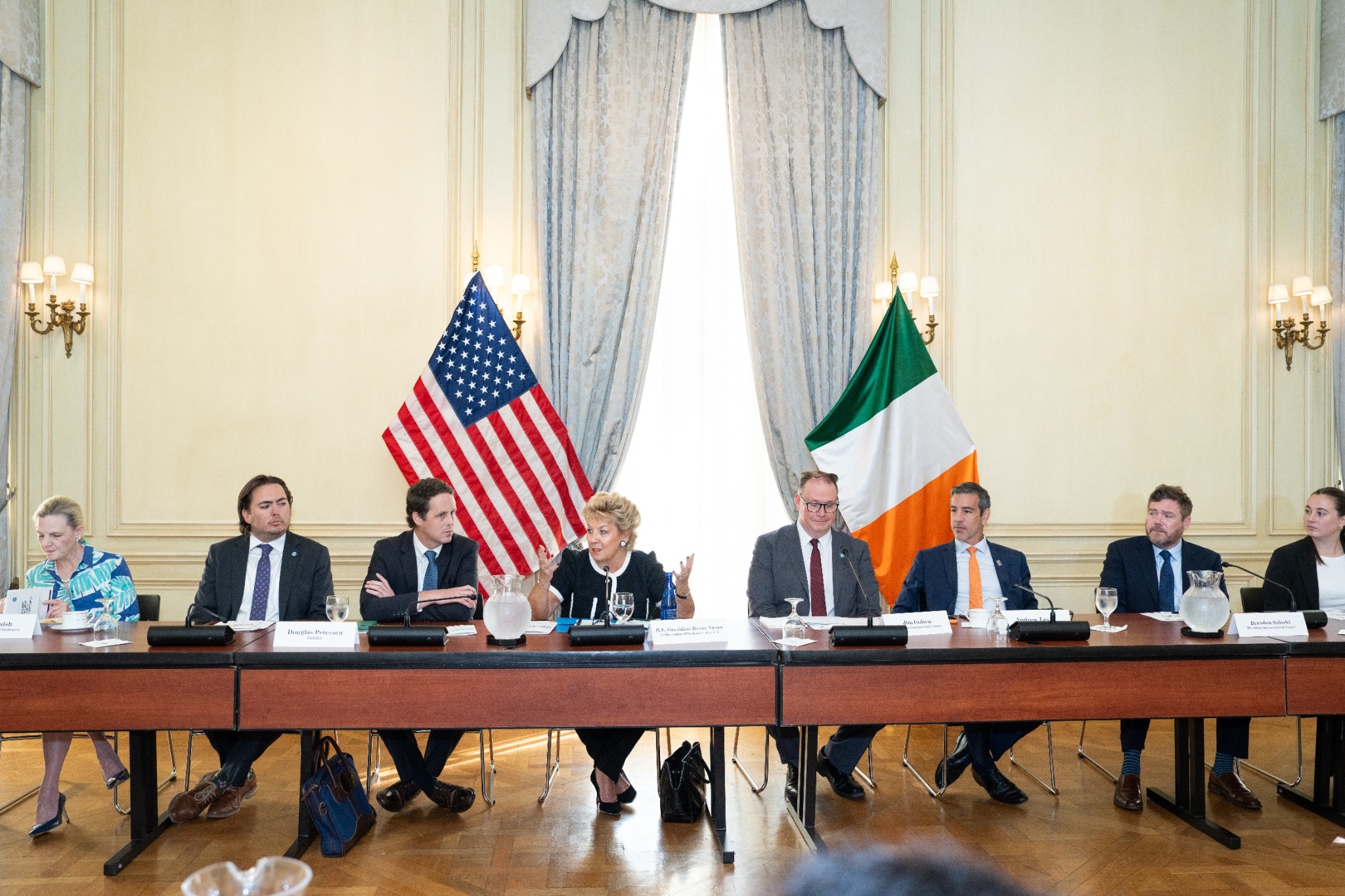
As Ireland assumes the Presidency of the Council of the European Union, businesses on both sides of the Atlantic are watching closely. The next six months will help shape conversations around trade, competitiveness, AI governance, economic security, and Europe's relationship with the United States. On July 15, 2026, Meridian International Center convened a Global Business Briefing featuring H.E. Geraldine Byrne Nason, Ambassador of Ireland to the United States, alongside remarks from Meridian CEO David Bohigian, Vice President of Corporate Diplomacy Jim Golsen, Douglas Petersen, Vice President of International Policy, PhRMA, and Andrew Levy, Chief Corporate & Global Affairs Officer at Accenture, for a discussion on the future of transatlantic partnership.
The discussion offered an early look at the economic priorities likely to shape U.S.-EU engagement over the coming months.
Here are the top takeaways:
1. Ireland hopes to reset the tone of the U.S.-EU relationship.
Rather than allowing tariffs and public disagreements to define the transatlantic relationship, there is now the opportunity to move toward more structured and predictable dialogue between Europe and the United States. With approximately $4.5 billion in goods and services traded across the Atlantic every day, supporting 5 million jobs and nearly 30 percent of global trade, the relationship is simply too important to allow short-term tensions to overshadow long-term strategic interests. For companies with transatlantic operations, the message was clear: Ireland’s presidency is a window to help shape policy, not simply respond to it.
2. Europe is working to turn innovation into economic growth.
Competitiveness emerged as one of the defining priorities of Ireland's presidency. Europe must become better at translating world-class research and innovation into commercial success by strengthening the Single Market, improving access to capital, and reducing administrative burdens o…, including an effort to cut reporting requirements by 35 percent. A more competitive Europe was framed not as a competitor to the United States, but as a stronger partner capable of driving investment and growth on both sides of the Atlantic.
3. Ireland is uniquely positioned to bridge American innovation and European regulation.
Home to the European operations of many leading U.S. technology companies, Ireland occupies a unique position at the intersection of American innovation and European policymaking. As Europe revisits its AI regulatory framework, Ireland is expected to champion a more pragmatic, light-touch regulatory approach, reflecting its long-standing view that government should enable innovation rather than hinder it. Creating greater certainty for businesses while maintaining room for technological advancement will be key to strengthening U.S.-EU cooperation in the digital economy.
4. Economic security should strengthen trusted partnerships, not weaken them.
Building more resilient supply chains does not have to come at the expense of open markets. As geopolitical competition with China intensifies, reducing strategic dependencies across sectors such as advanced manufacturing, aviation, pharmaceuticals, and critical technologies has become a central pillar of economic security. The next phase of transatlantic resilience will depend less on reshoring and more on strengthening production across trusted partners, with countries like Ireland serving as reliable gateways for U.S. investment and innovation while avoidi…
5. Ireland's presidency is built around three interconnected priorities.
Competitiveness, security, and values are shaping Ireland's agenda for the next six months, reflecting how closely economic policy and geopolitics have become intertwined. From AI regulation and trade to supply chains, Ukraine, and EU enlargement, economic decisions are now being made through a national security lens. For businesses operating across the Atlantic, success will depend on understanding how these priorities shape Europe's policy agenda.


Project summary
| What Ireland’s EU Council Presidency Means for U.S. Business and Transatlantic Trade | July 2026 | |
|---|---|
| Program Areas: | Corporate Diplomacy |
