

The New Power Play and Presentation of the 2026 Meridian Global Leadership Award to Dana White
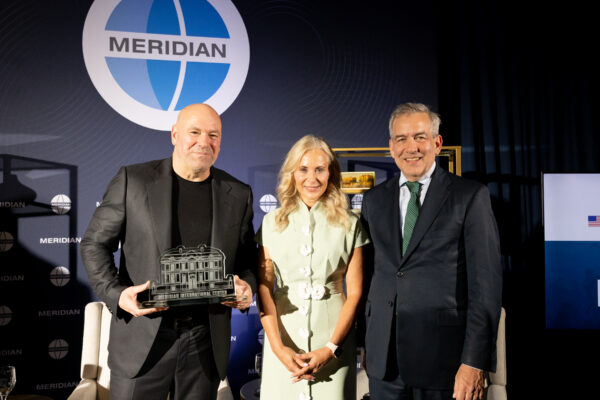
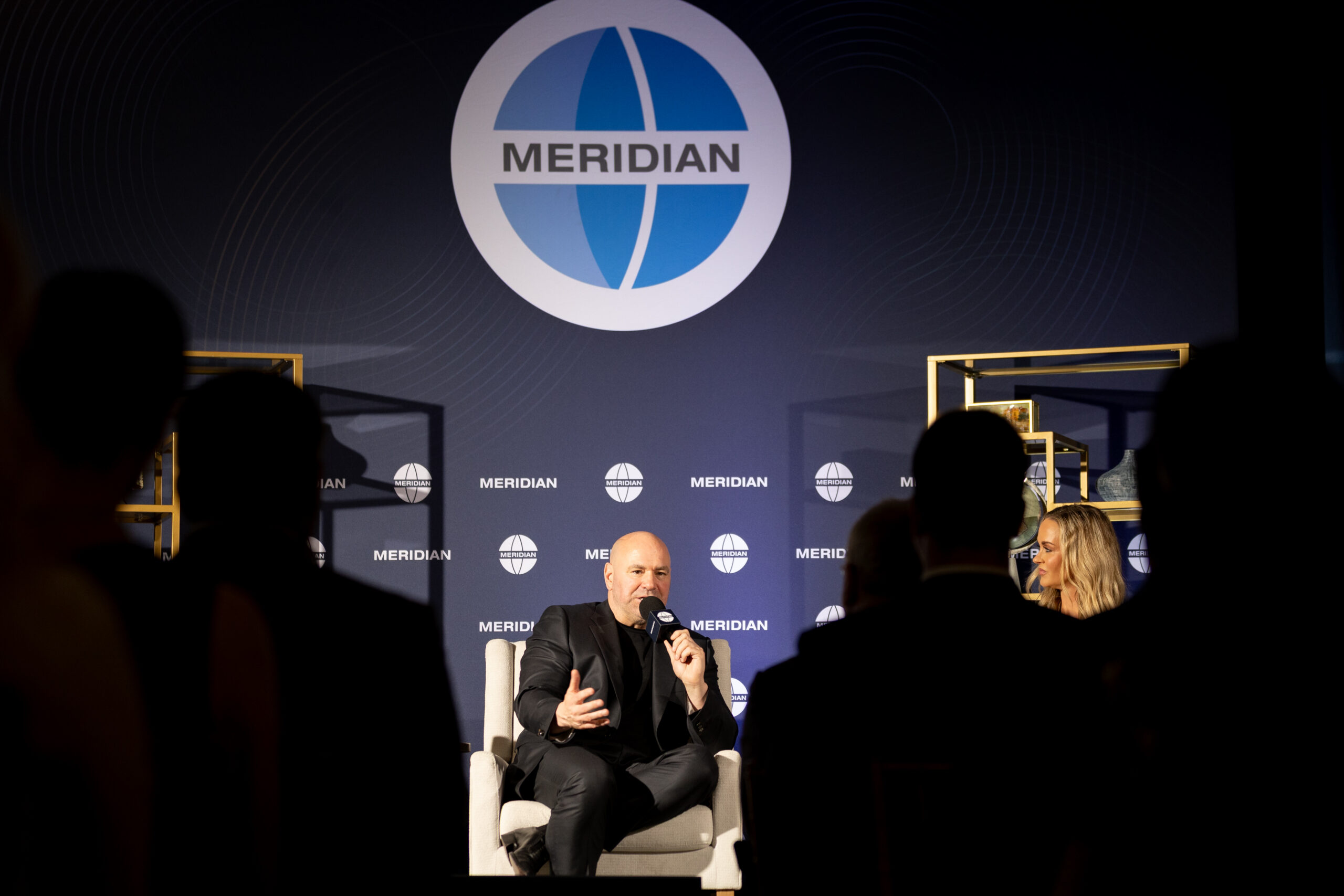
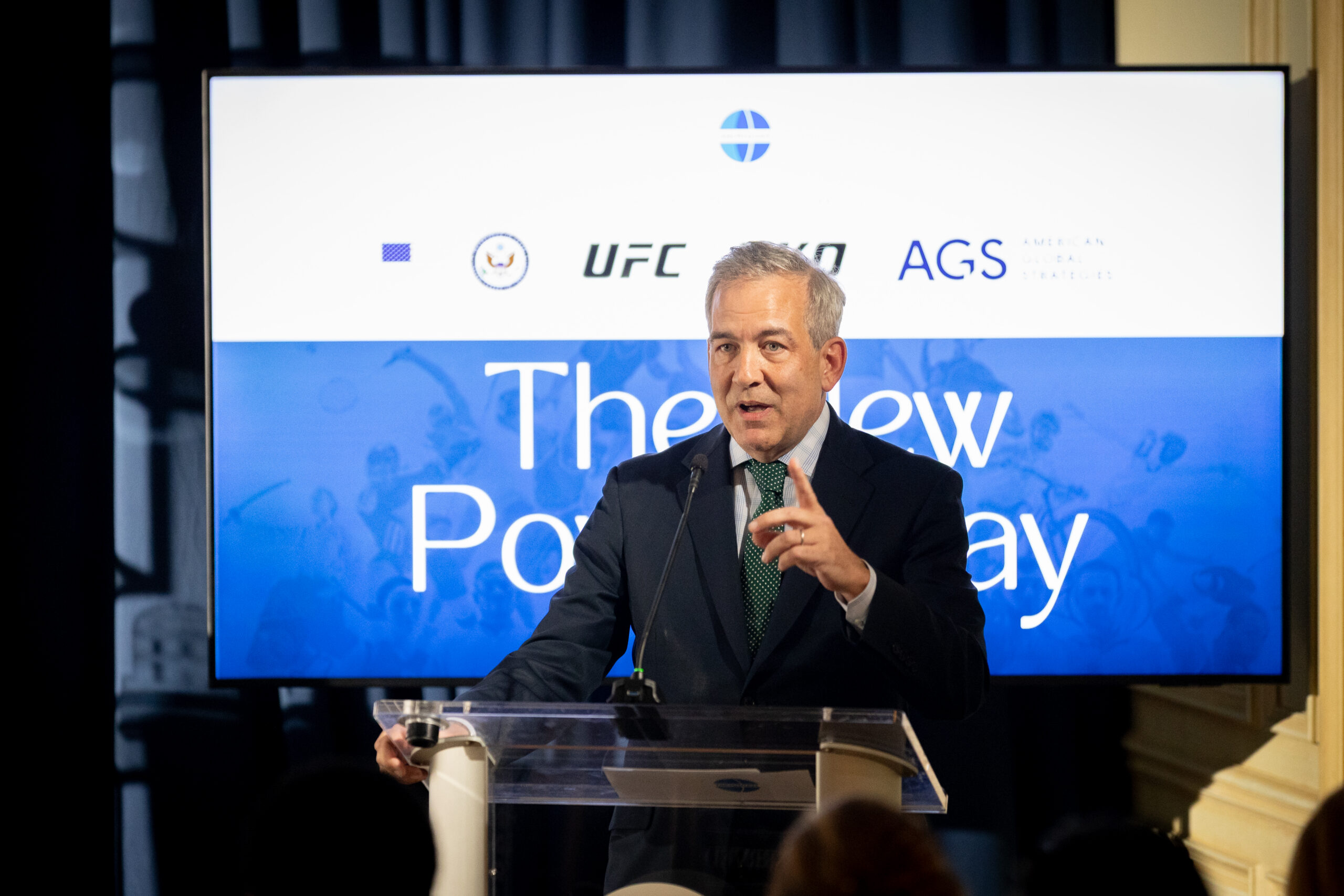
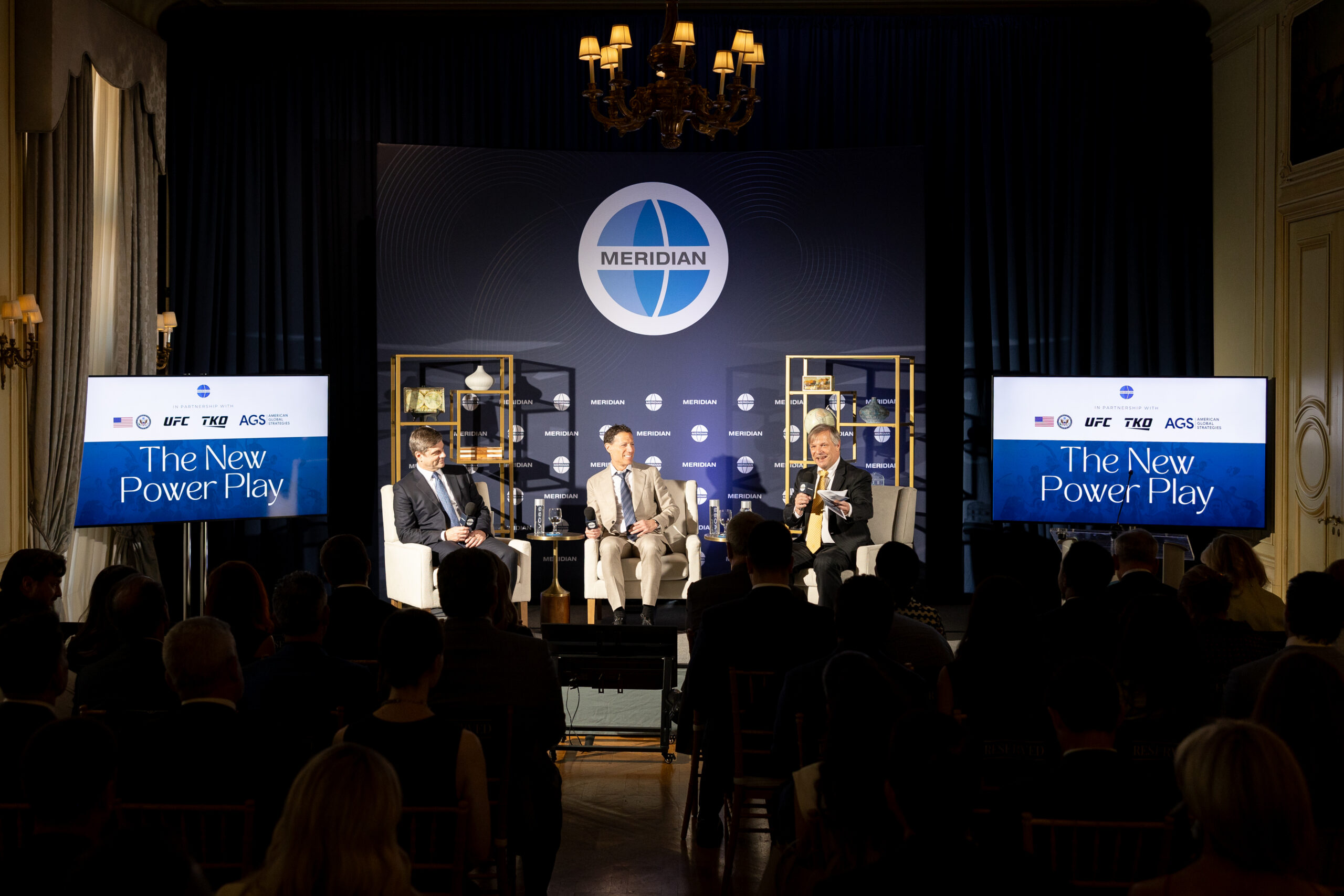
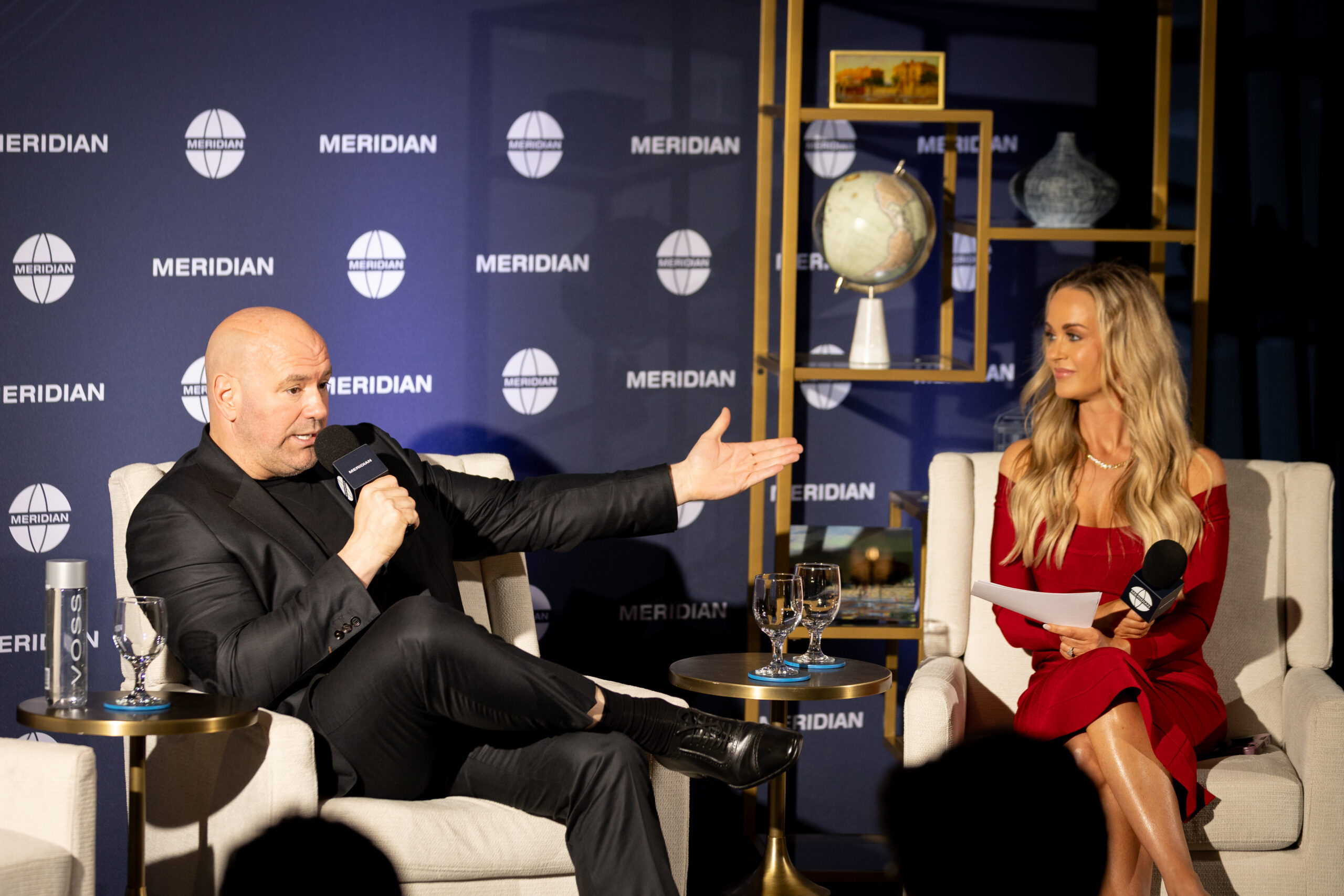
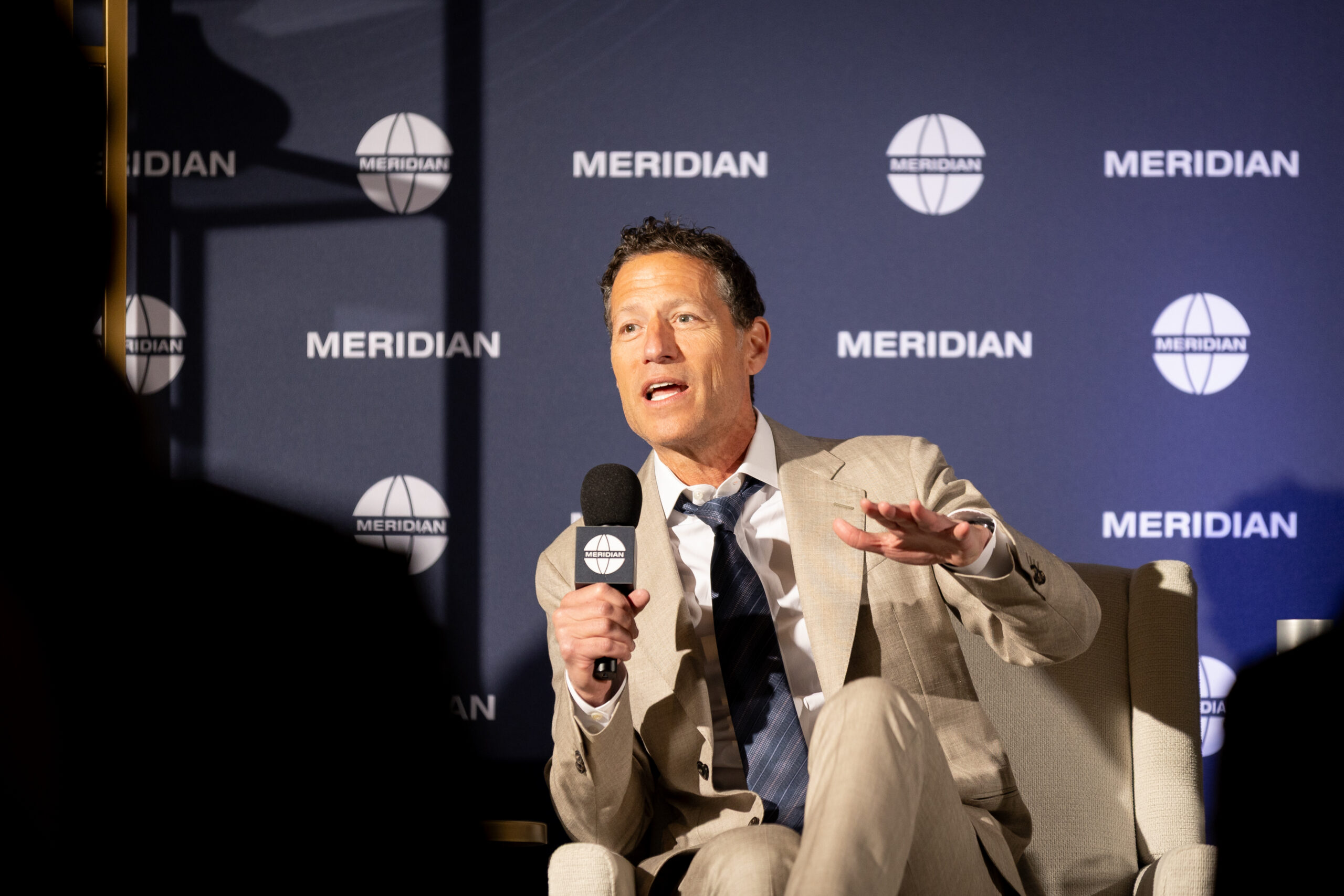
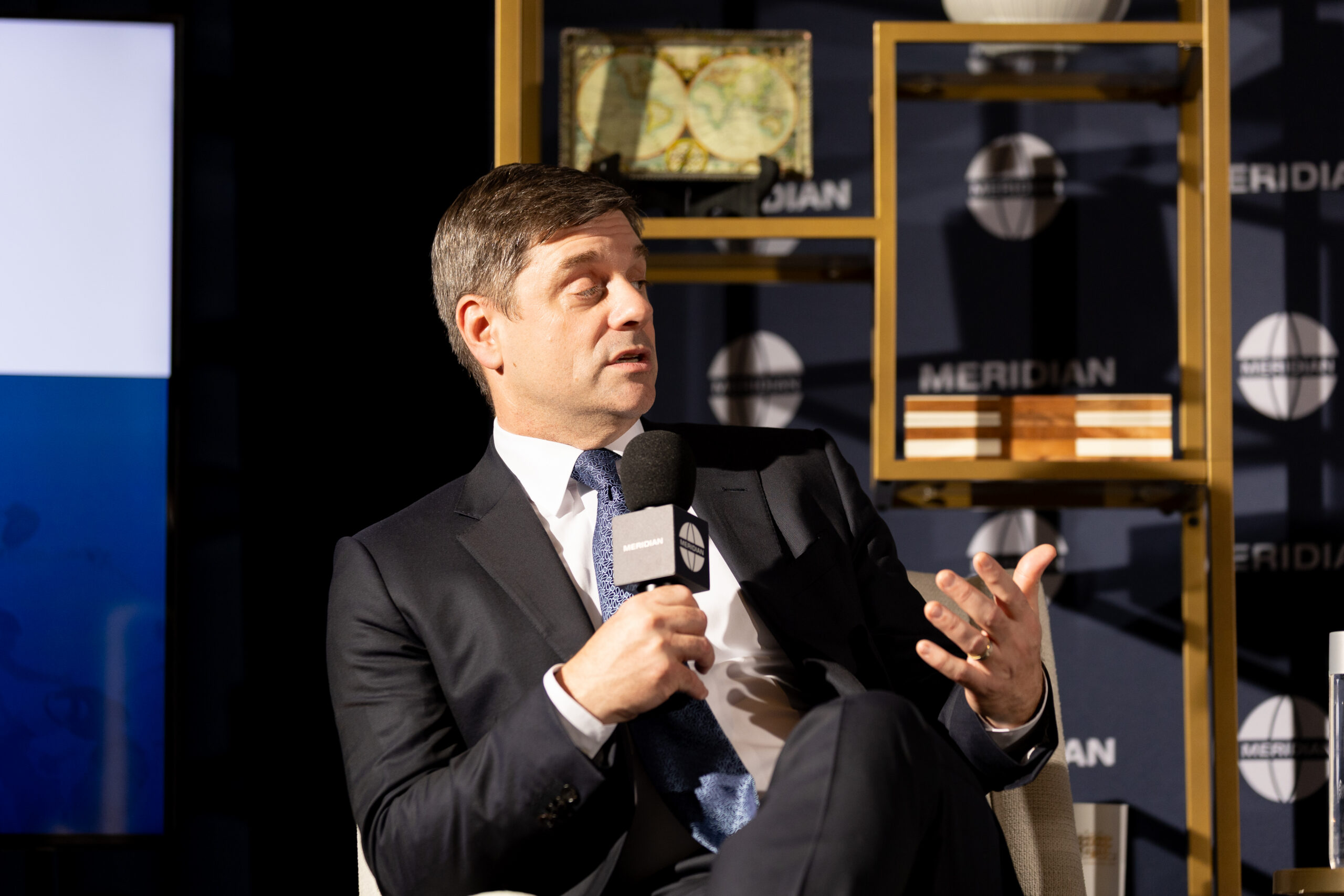
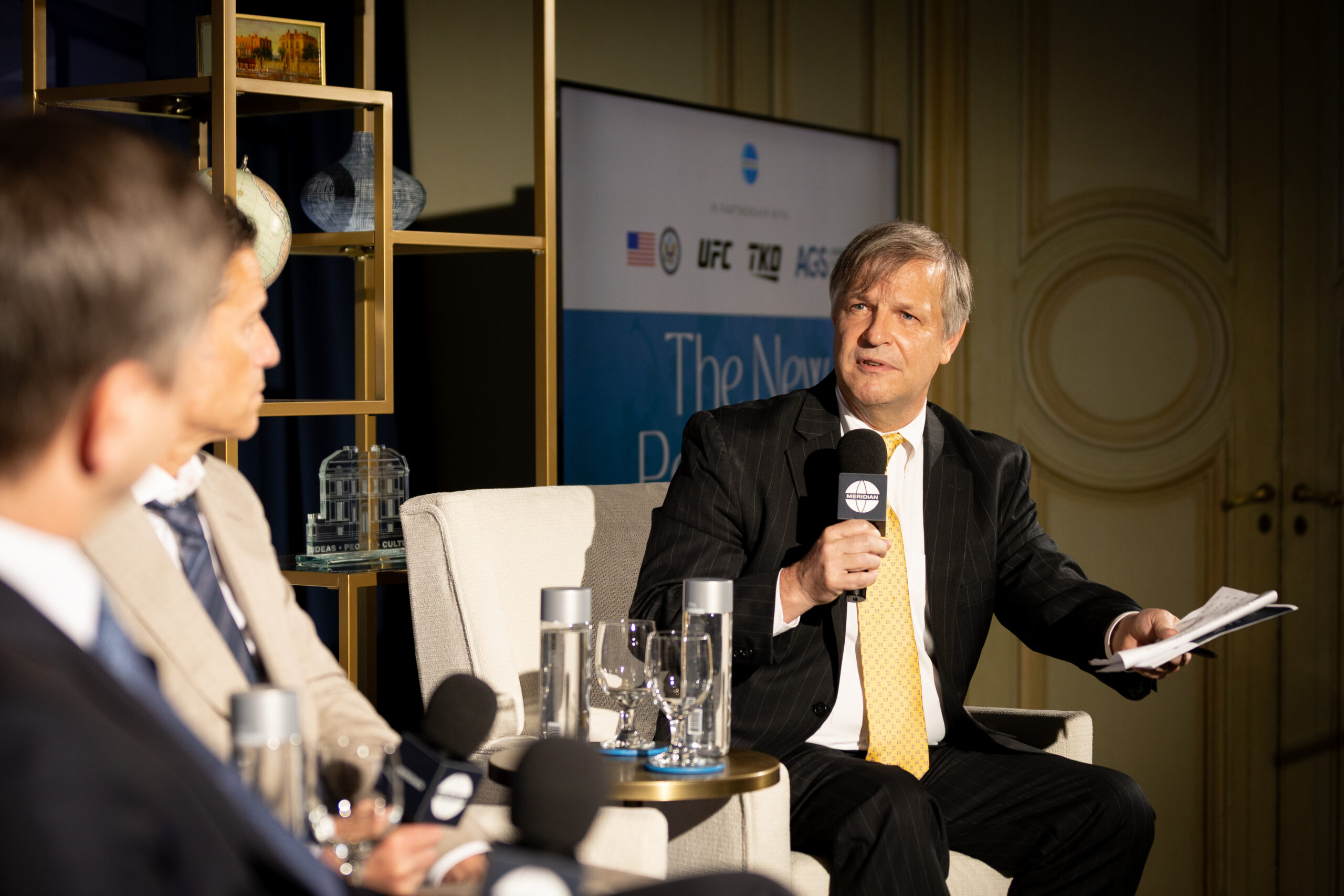
As the United States begins hosting a series of major global sporting events – including the FIFA World Cup, NBA and NHL Finals, and UFC Freedom 250 – sport is increasingly shaping how nations connect, compete, and engage with one another. At Meridian’s New Power Play, Dana White, President and CEO of UFC, joined Brian Rolapp, CEO of the PGA Tour, and Mark Shapiro, President and COO of TKO Group Holdings, alongside diplomats, business leaders, and government officials, to explore how sport is driving global connection, economic growth, and cultural influence.
Meridian also presented White with the 2026 Meridian Global Leadership Award in recognition of his role in transforming the UFC into one of the world's most influential sports organizations and expanding its global reach. The honor comes at a moment of growing engagement between the UFC and the U.S. government, following the organization's recent memorandum of understanding with the U.S. Department of State to advance international exchange and people-to-people connections through sport.
Here are the top takeaways:
1. Sport is a Powerful Global Connector
At a time of growing political polarization and information overload, sports continue to create shared experiences that transcend borders, languages, and ideologies. Shapiro described sports and entertainment as a "shared cultural language" that allows people to connect around a common passion regardless of their background. Unlike many forms of media, sports offer both certainty and unpredictability. As Shapiro noted, "There's the certainty of the event, but the uncertainty of the outcome," creating exciting and memorable moments that unite audiences in ways few other institutions can.
2. Global Growth Begins with Local Heroes
The globalization of sports is no longer driven solely by exporting leagues and events abroad. Instead, organizations are investing in local talent pipelines that create national pride and long-term fan engagement. Dana White pointed to Australia as an example, noting that UFC went from having a single competitive mixed martial artist in the country to producing multiple champions and top-ranked fighters within a decade. As athletes increasingly emerge from every region of the world, they create new audiences at home while expanding the global reach of their sports.
3. Sport Is Becoming a Major Driver of Economic Diplomacy
Major sporting events are increasingly viewed as engines for tourism, investment, and economic growth. From booked up hotels and restaurants to sponsorship opportunities and destination branding, sports organizations help generate economic activity far beyond the competition itself. As countries compete to host marquee events such as the FIFA World Cup and Olympic Games, sport has become an increasingly important tool for showcasing national strengths and attracting international audiences. The growing economic impact of sports is creating new opportunities for collaboration between governments, businesses, and sports organizations.
4. Authentic Competition Has New Value in the AI Era
As artificial intelligence transforms how information and content are produced, live sporting events remain one of the few forms of entertainment that cannot be scripted or replicated. Rolapp argued that authentic human competition is becoming increasingly valuable in a technology-driven world, noting, "I'll tell you what's real—what's going on the field or on the course with human competition." The emotional investment created by unscripted outcomes continues to drive fan engagement, media rights growth, and global interest. In an era of synthetic content, authenticity has become a competitive advantage.
5. Athletes Are Emerging as Global Ambassadors
Athletes increasingly serve as representatives of their countries, communities, and cultures on the world stage. Whether through international competitions, professional leagues, or global sporting events, fans often rally behind athletes who reflect their own identities and experiences. White emphasized the universal appeal of sport, arguing that "no matter what color you are, what country you come from or what language you speak, we're all human beings." As sports organizations expand globally, athletes are becoming some of the most influential ambassadors for cultural exchange and international understanding.
Meridian is committed to advancing sport and culture as tools of diplomacy and global engagement. This commitment is reflected in a range of forums and convenings, including most recently Meridian’s annual Culturefix Awards, which have honored athletes such as Ilia Malinin, Breezy Johnson, and Chris Lillis for their ability to inspire audiences and connect communities across borders.



This event was made possible by American Global Strategies.

Project summary
| The New Power Play and Presentation of the 2026 Meridian Global Leadership Award to Dana White | June 2027 | |
|---|---|
| Program Areas: | Sports and Culture |
