
The FIFA2026 Playbook
The FIFA 2026 World Cup represents an unprecedented orchestration challenge—coordinating the largest World Cup ever across three nations, 16 host cities, and millions of global fans. This level of coordination requires strategic governance, technological innovations, and cross-border frameworks that transform continental vision into seamless execution. Learn how national leadership unites public-private stakeholders, designs fan experiences, ensures security, and positions North America as the global epicenter of sport as the United States approaches a mega decade of sports.
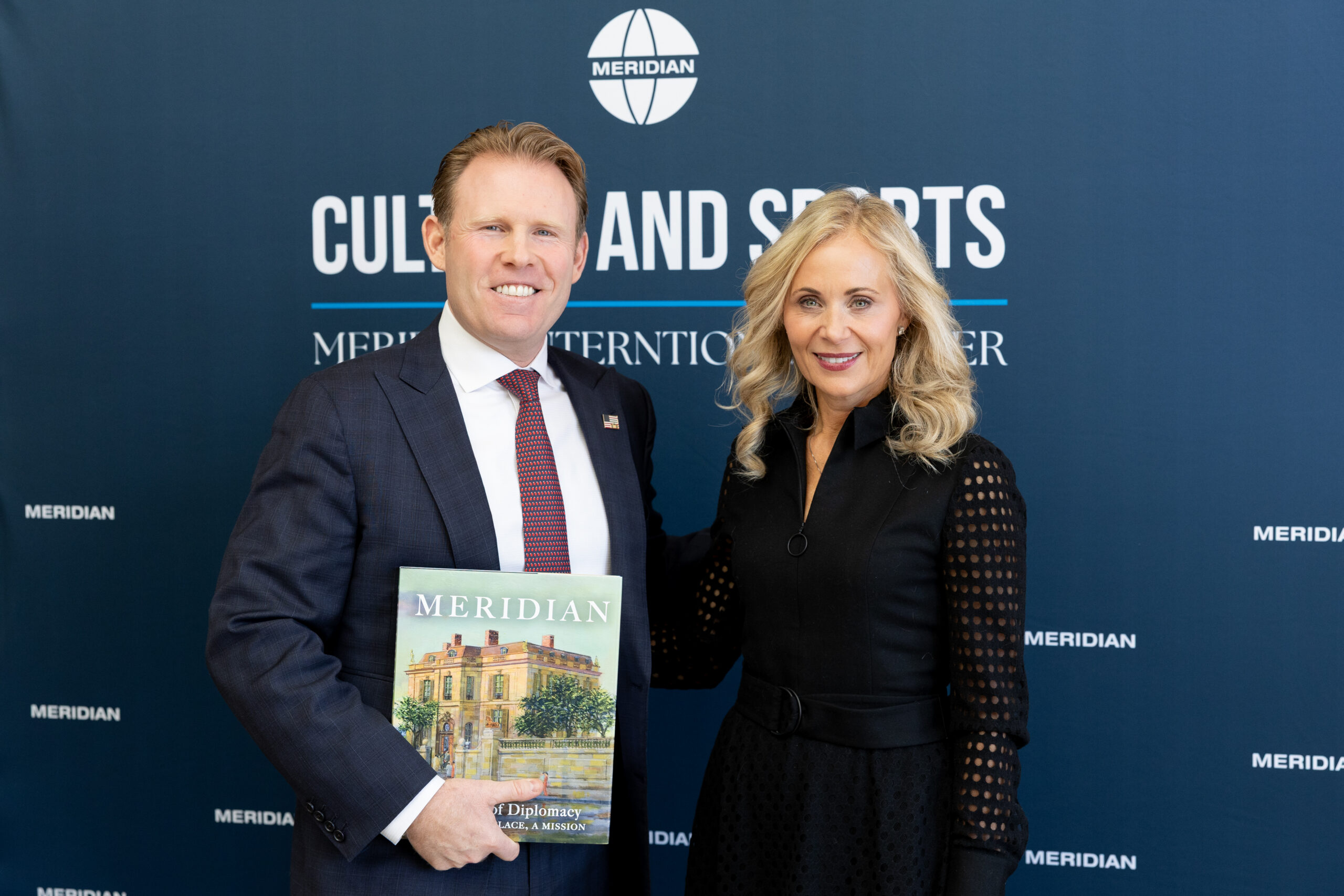
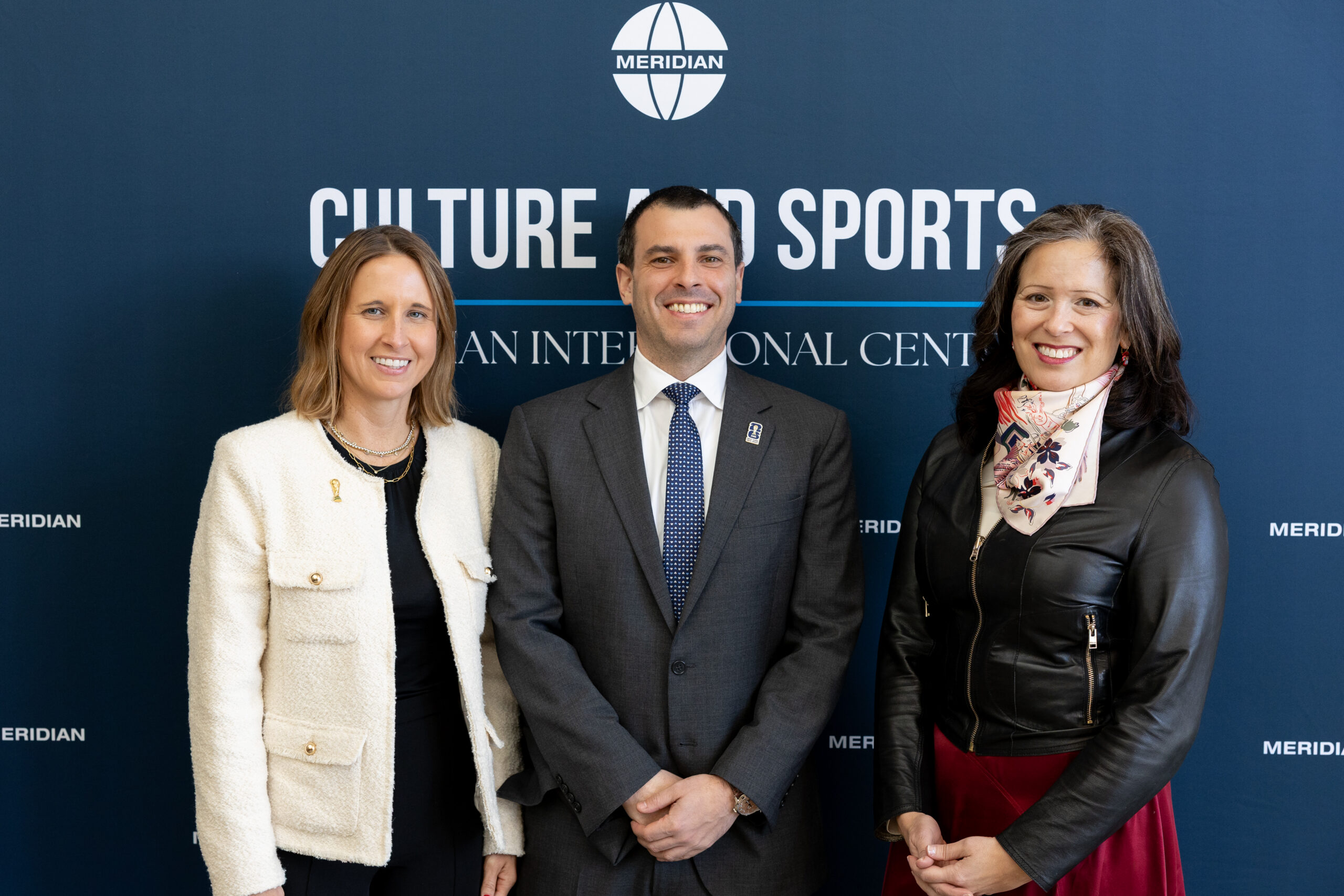
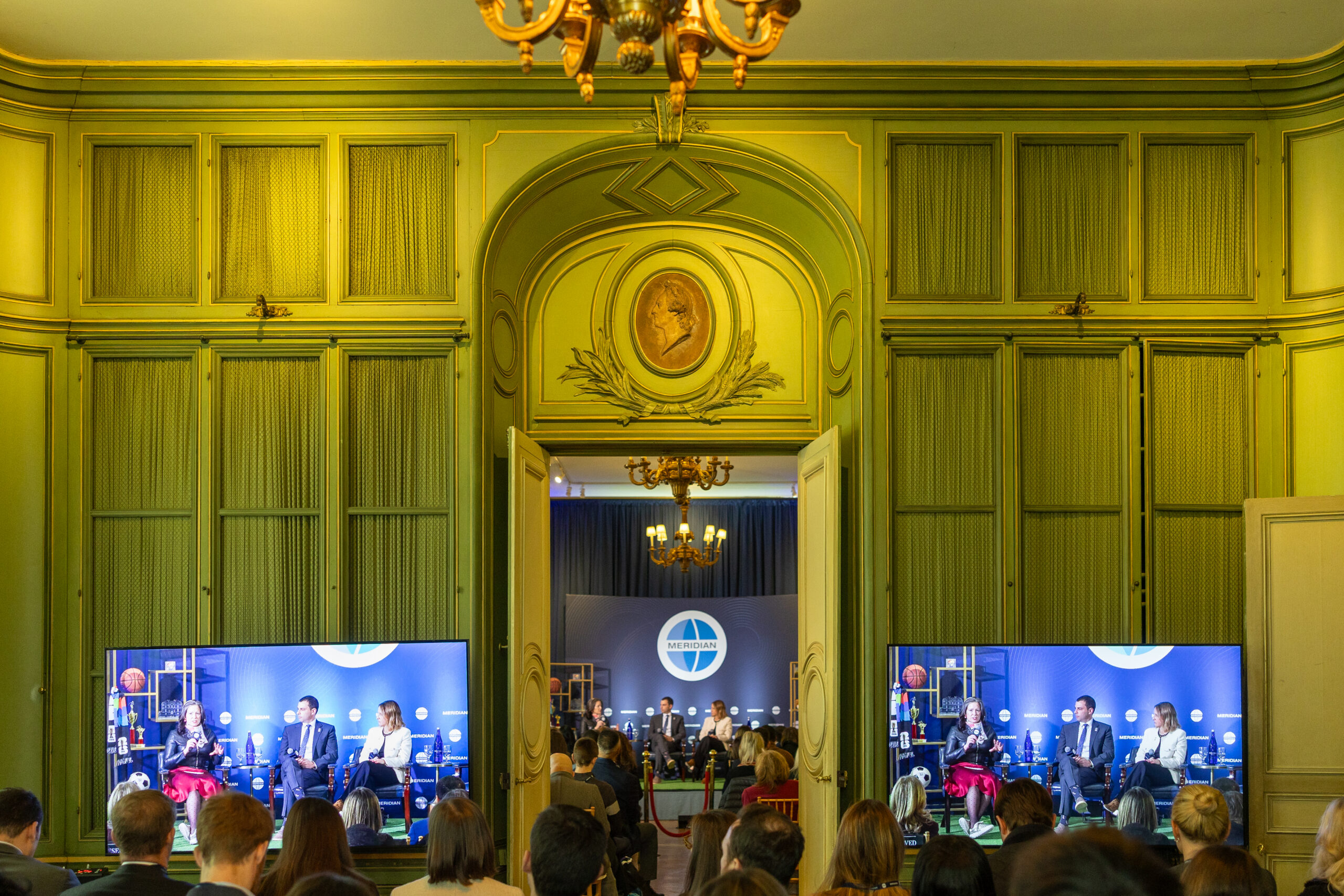
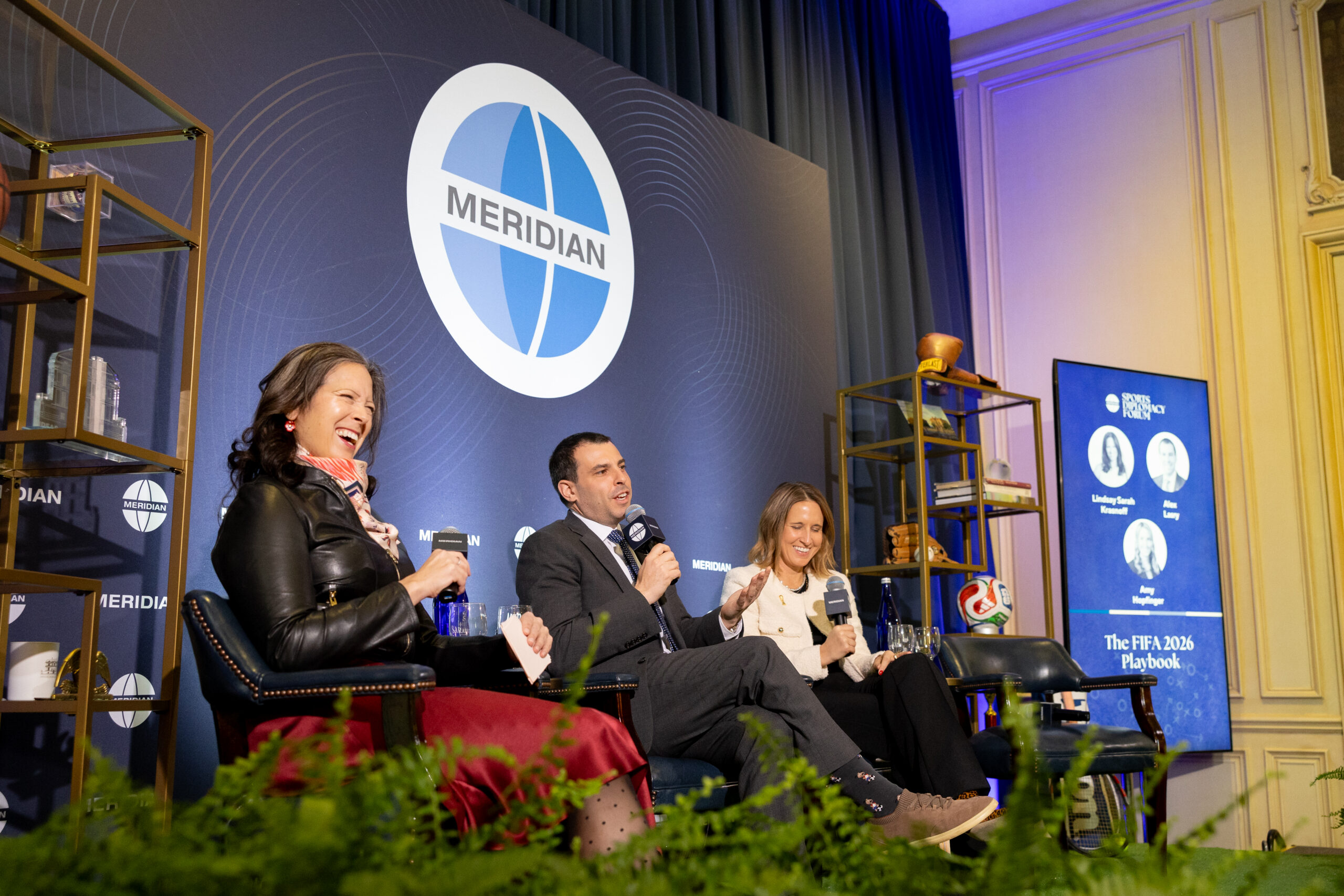
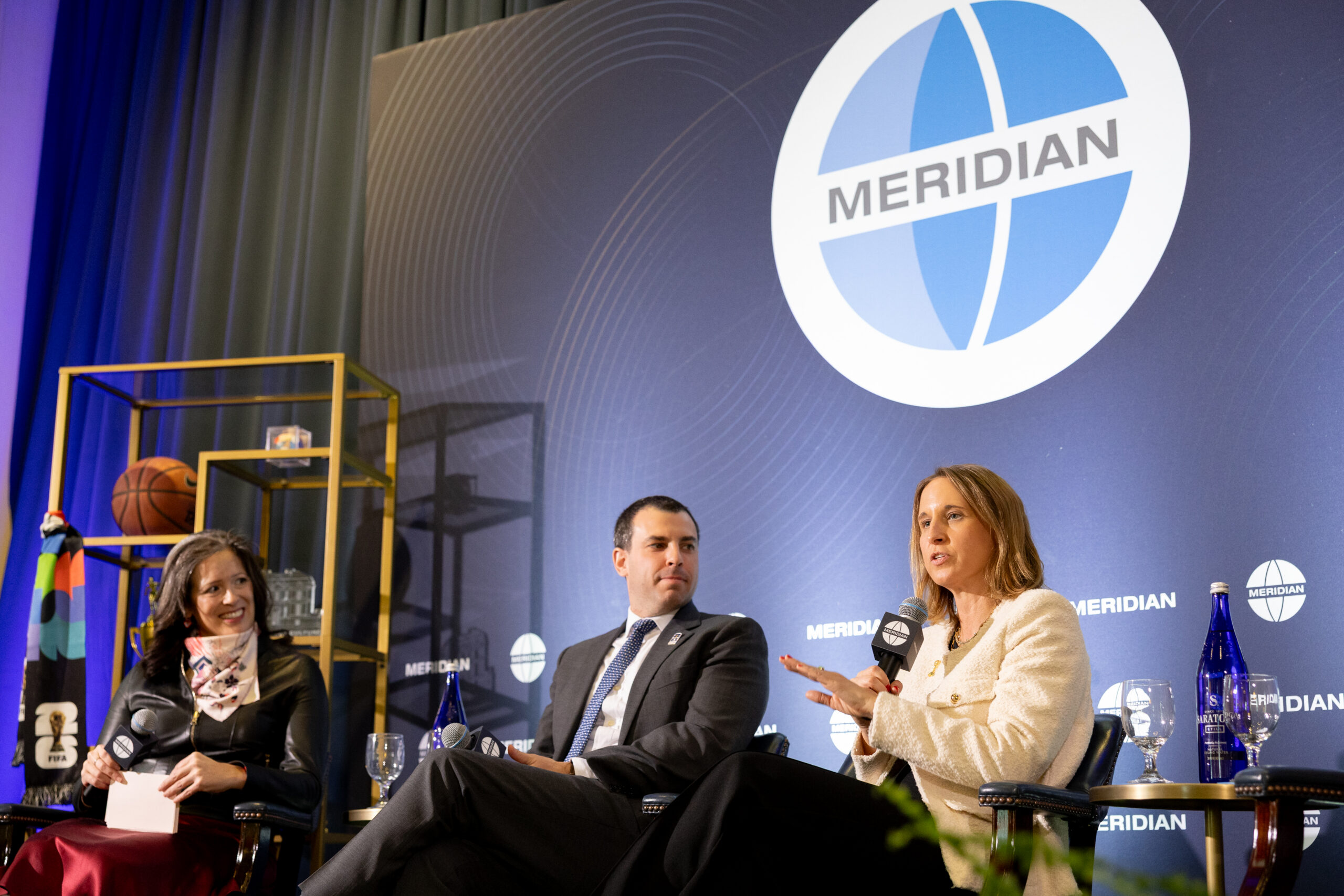
Featured speakers included Andrew Giuliani (Executive Director, White House Task Force on the FIFA World Cup 2026™) Lindsay Sarah Krasnoff (Sports Diplomacy Expert & Clinical Assistant Professor, New York University), Amy Hopfinger (Chief Business & Strategy Officer, FIFA World Cup 2026™), and Alex Lasry (CEO, FIFA World Cup 2026™ NY/NJ Host Committee).
Here Were the Top Takeaways from the Program:
1. FIFA 2026 Will Place North America at the Center of Global Sports
Andrew Guiliani summed up the stakes of the 2026 World Cup during his opening remarks: “Hosting the world during this historic year is a tremendous privilege and gives us a chance to show the very best of America. Our hospitality, our innovation, our spirit, and ingenuity. American exceptionalism truly at its best. The FIFA World Cup is more than a sporting event. It's a moment of global unity. For 40 days, people from every corner of the world will come together, cheer together, and share an experience that goes beyond borders and politics. Think, regardless of your background, regardless of your political persuasion, we as Americans will cheer our national team wearing that red, white, and blue.”
Speakers emphasized that the World Cup is more than a sporting event— it is a global diplomatic arena. Lindsay Krasnoff reminded the audience, “when you talk about sports diplomacy, it’s about the exchanges” and with 48 teams, three host countries, and billions of viewers, the event will create copious opportunities for cultural exchange and people‑to‑people diplomacy. This framing highlights how the World Cup functions as a neutral convening space, enabling dialogue between nations that may not otherwise interact meaningfully. The speakers agreed that the tournament’s scale makes it uniquely capable of fostering unity among diverse populations.
2. The Continental Hosting Model
The United States, Canada, and Mexico are jointly delivering the 104 games that make up the World Cup—a first in FIFA history. This approach to “unite the continent,” as Amy Hopfinger put it, requires extraordinary cross‑border political, logistical, and cultural coordination. Alex Lasry likens this feat to “putting on a United Nations conference in 11 different cities in the United States.” This trinational effort stands as a diplomatic model for future mega-events and demonstrates how mega‑events can strengthen geopolitical relationships through shared responsibility.
3. A Massive Public-Private Partnership Underpins the Tournament’s Success
This trinational model for the World Cup requires deep cooperation between governments, FIFA, local host committees, and the private sector. According to Lasry, this effort is “the largest public‑private partnership probably in the country’s history.” Amy Hopfinger highlighted the importance of the host‑committee collaborative model because FIFA “were never going to be able to walk into a city and say, ‘We are FIFA and we need this.’… The host committees have been essential.”
This framework ensures cities have autonomy to tailor their plans while maintaining FIFA standards. It also demonstrates how collaborative governance can deliver major international events in ways that both respect local jurisdictions and support global expectations. Additionally, the White House‑led World Cup Task Force has become a backbone of interagency coordination. Lasry noted its central role in ensuring security, transport, and operational alignment, including preparing for the presence of numerous world leaders.
4. Showcasing Local Culture means People-to-People Diplomacy
While FIFA sets tournament‑wide standards, host cities are empowered to showcase their distinct cultural identities. This celebration of culture showcases the breadth of North American identities to visitors and fans traveling for the tournament. Hopfinger emphasized, “For the first time ever, we’ve got individual host-city brands [and] we wanted an opportunity for the cities to have their own identity.” For the NY/NJ Committee, Lasry illustrated Hopfinger’s point noting “we’re going to have a 39‑day fan engagement all across New York and New Jersey [including] fan zones at Rockefeller Center and the U.S. Tennis Center.”
These activations will welcome millions who may not be able to attend a match, offering opportunities for cultural exchange, tourism, community storytelling, and open diplomacy. This dynamic demonstrates the power of sport to draw people into shared experiences that transcend borders and language.
5. The Tournament’s Legacy Will Shape North America’s Global Sports Legacy
Beyond 2026, the World Cup is expected to elevate soccer’s profile in the U.S., strengthen global perceptions of North American leadership, and deepen international engagement through sport. Hopfinger reinforced that the World Cup is a chance to “welcome the world to the United States” and showcase American innovation and hospitality.
FIFA 2026 will leave a lasting imprint—culturally, economically, and diplomatically. Lasry posed a powerful comparison: “Can this World Cup do what the Dream Team did for basketball around the world?” He suggested that hosting global stars like Kylian Mbappé and Lionel Messi in competitive matches could inspire a generation of American athletes and elevate the U.S. on the global soccer stage. Adding to what’s at stake, Hopfinger pointed out that this excitement and investment in sport on the world stage will trickle down to all levels of the sport in the United States.
While the first match hasn’t even begun, the experts were already considering this tournament’s legacy. FIFA 2026 is the opening chapter in a mega decade of sports, and its success will cement North America as a premier destination for global sports and a leader in leveraging sport to build bridges worldwide.