
The Creative Vanguard & The Extraordinary Power of Presence
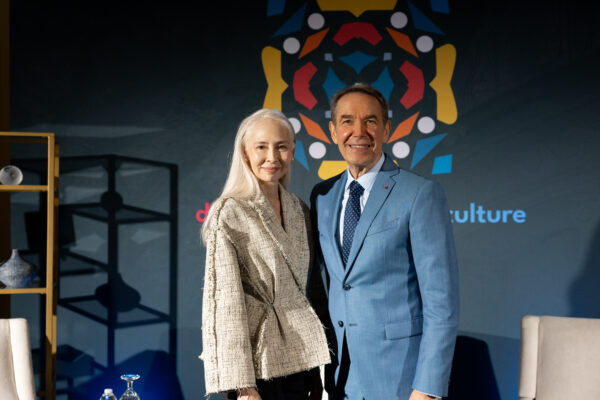
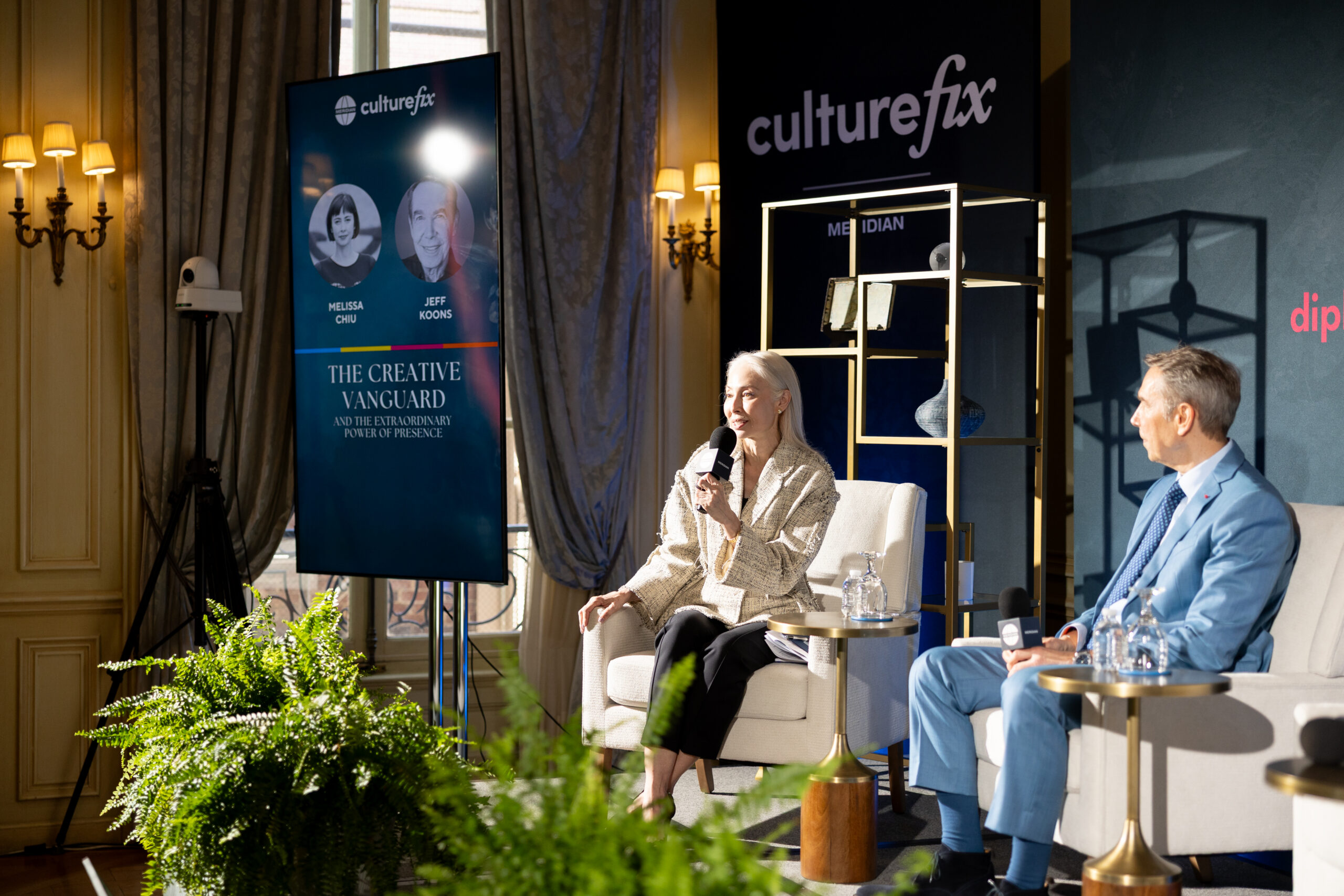
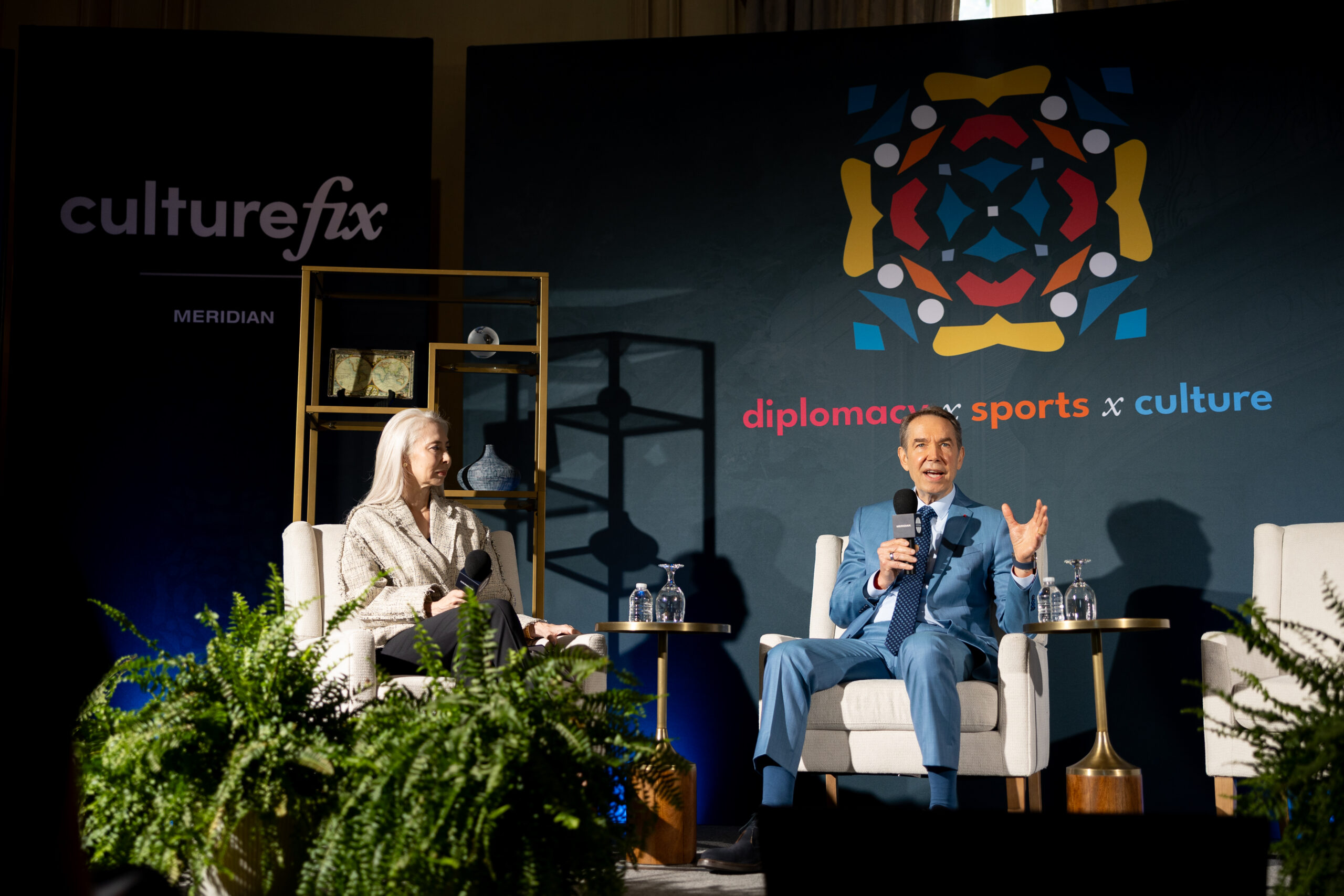
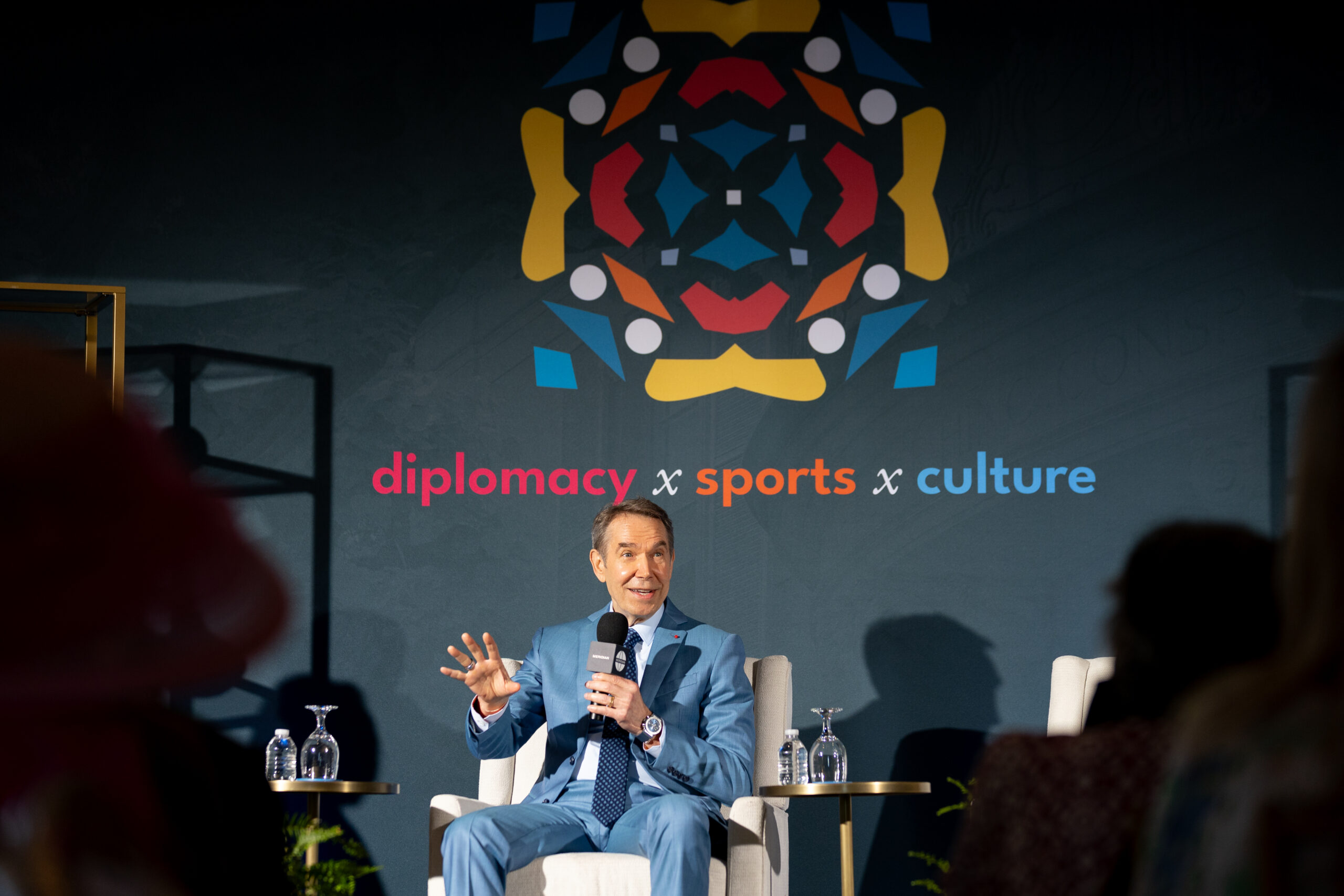
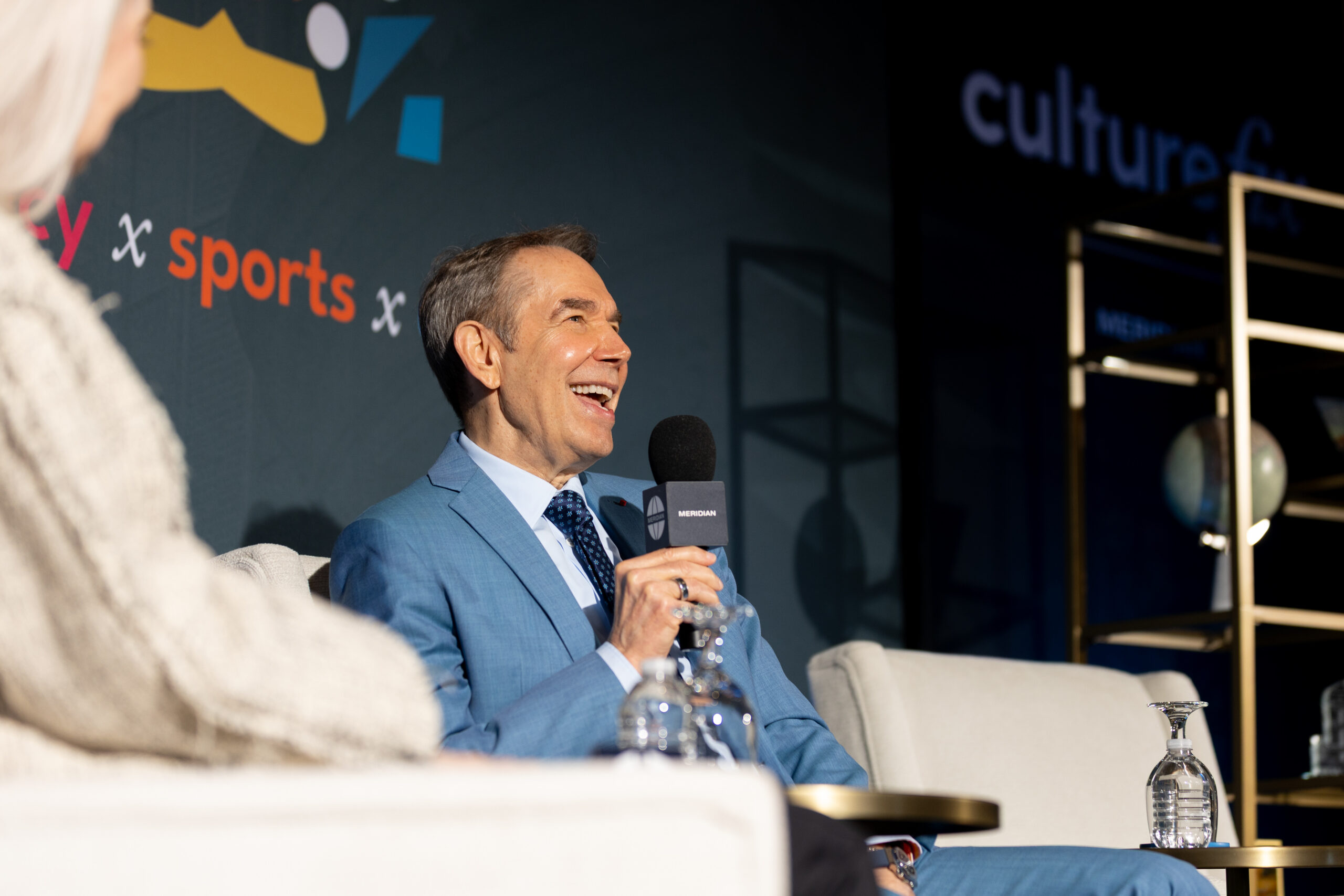
Art has the power to transcend language, geography, and politics, creating connections that resonate across cultures and generations. Reflecting on his career and creative philosophy, contemporary artist Jeff Koons examined the role of art in building human connection, encouraging self-acceptance, and advancing cultural exchange in an increasingly interconnected world. Melissa Chiu, Director of the Hirshorn and Sculpture Garden, who moderated the panel, framed the discussion by reflecting on the dramatic transformations that have reshaped the contemporary art world throughout Koons's career, from the globalization of artistic exchange to evolving conversations around identity and public engagement.
Here are the top takeaways:
1. Great Art Speaks Across Borders
One of art's most powerful qualities is its ability to communicate ideas and emotions without requiring a shared language. Throughout his career, Koons has exhibited his work around the world, engaging audiences from different cultural backgrounds while exploring themes that remain universally relatable. The discussion highlighted how art creates opportunities for connection by focusing on shared human experiences rather than national or political differences.
2. Cultural Exchange Fuels Creativity
Koons reflected on the importance of engaging with artists, institutions, and audiences from around the world, emphasizing that international exchange has shaped his own creative development. Exposure to different perspectives and narratives challenges assumptions, expands creative possibilities, and encourages innovation.
3. Self-Acceptance Creates Space for Human Connection
Koons emphasized that art is most powerful when it encourages people to embrace their own experiences rather than judge themselves through the expectations of others. Throughout his work, he has sought to create objects that invite viewers to feel accepted, seen, and connected to their own humanity. By fostering self-acceptance, art can also create greater empathy for others, making it a powerful force for cross-cultural understanding and dialogue.
4. Art Creates Conversations That Language Cannot
While diplomacy often relies on words, art operates through emotion, memory, and shared experiences. Koons reflected on how sculpture and public art can communicate across cultural and linguistic boundaries, allowing audiences to engage with ideas and feelings in deeply personal ways. These encounters create opportunities for connections that transcend politics, demonstrating why art remains one of the world's most effective forms of cultural exchange.
5. Artists Play an Important Role in Cultural Diplomacy
Artists help shape how societies understand one another by creating experiences that invite curiosity and empathy. Through exhibitions, collaborations, and cultural exchange, artists contribute to international engagement in ways that complement traditional diplomacy. The conversation underscored that creative expression remains one of the most effective tools for building connections across borders and fostering mutual understanding.
Project summary
| The Creative Vanguard & The Extraordinary Power of Presence | June 2027 | |
|---|---|
| Program Areas: | Sports and Culture |
