

Public-Private Alignment for Orbital Stewardship and Space Standards
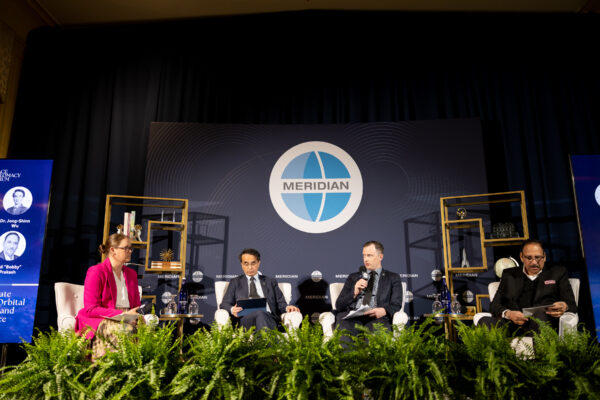
As more satellites and spacecraft enter orbit, space is becoming both more crowded and more consequential, raising the stakes for safety, stability, and long-term growth. Governments and commercial actors alike need practical, enforceable approaches that reduce risk, manage congestion, and give companies the predictability required to invest with confidence. Just as importantly, this moment calls for stronger international coordination so that responsible use of orbit is guided not only by shared principles, but by norms and practices that can be applied consistently across borders.
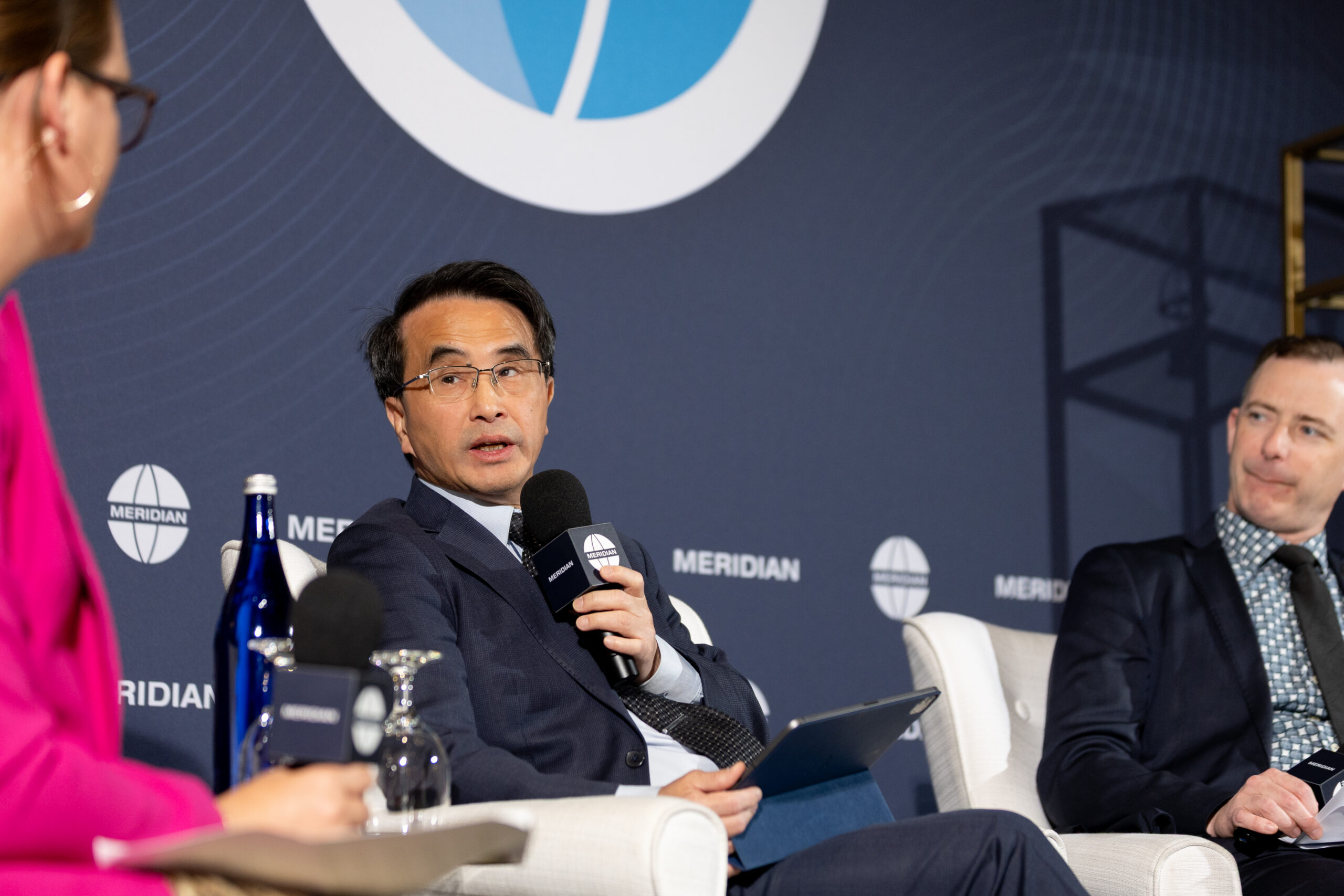
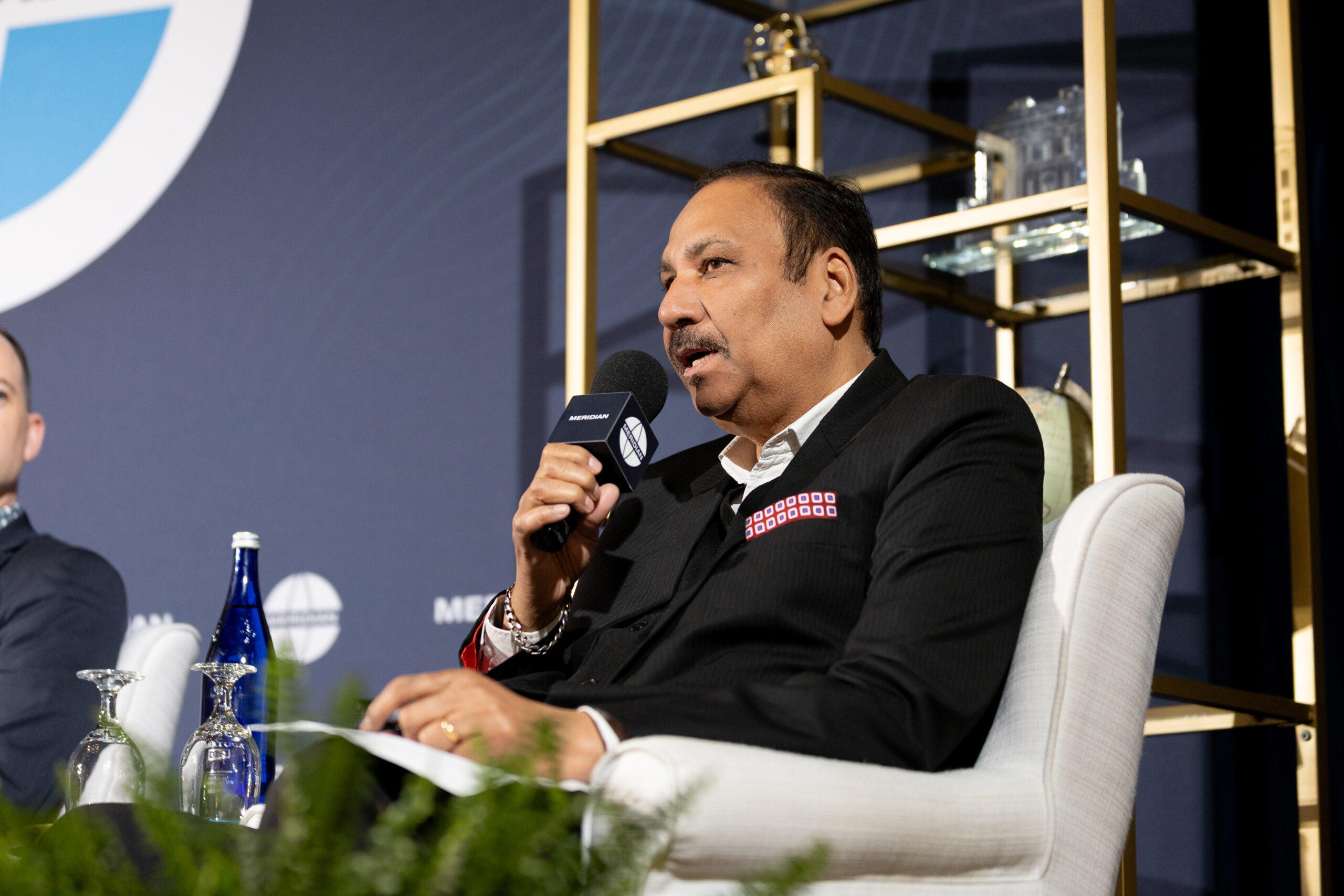
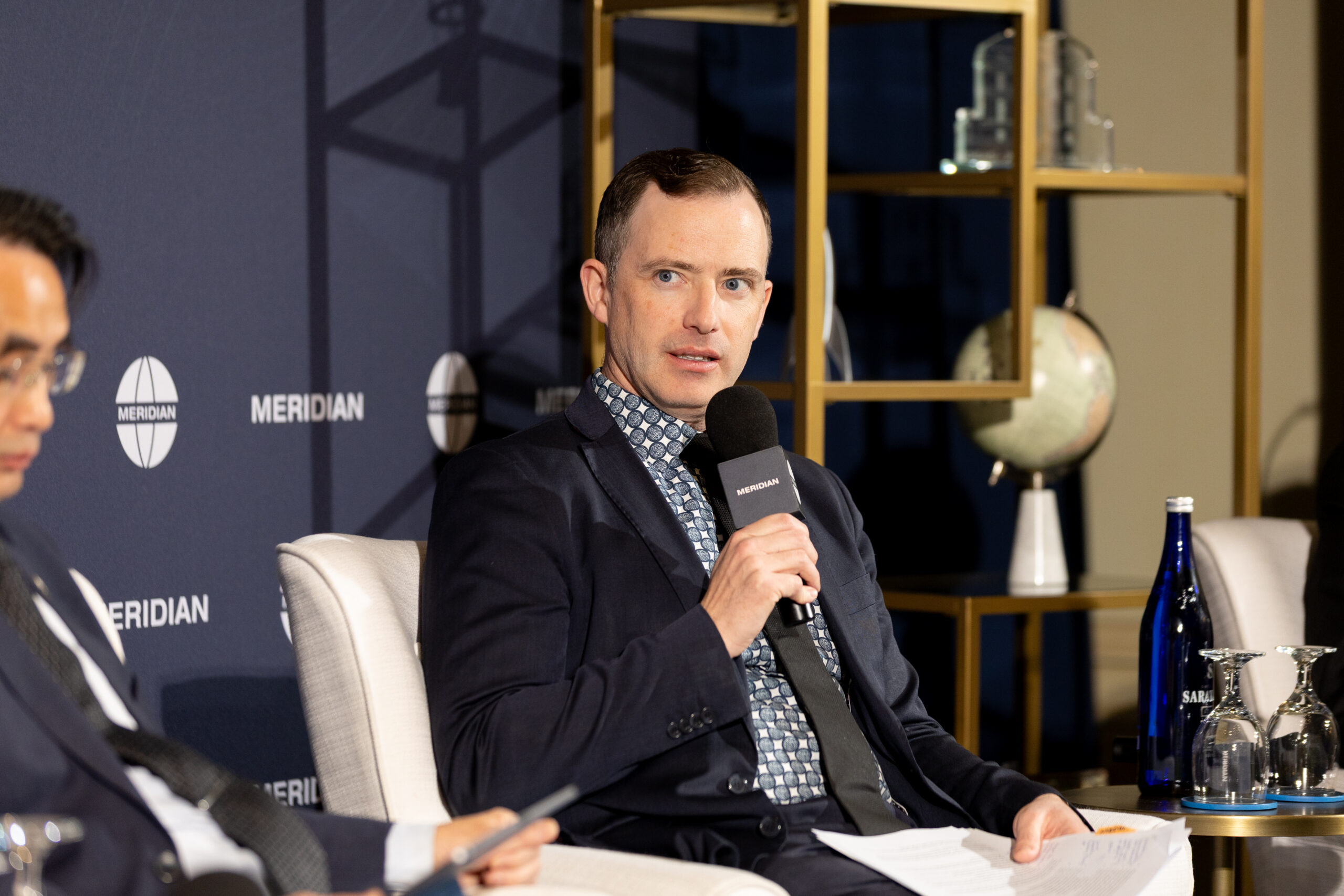
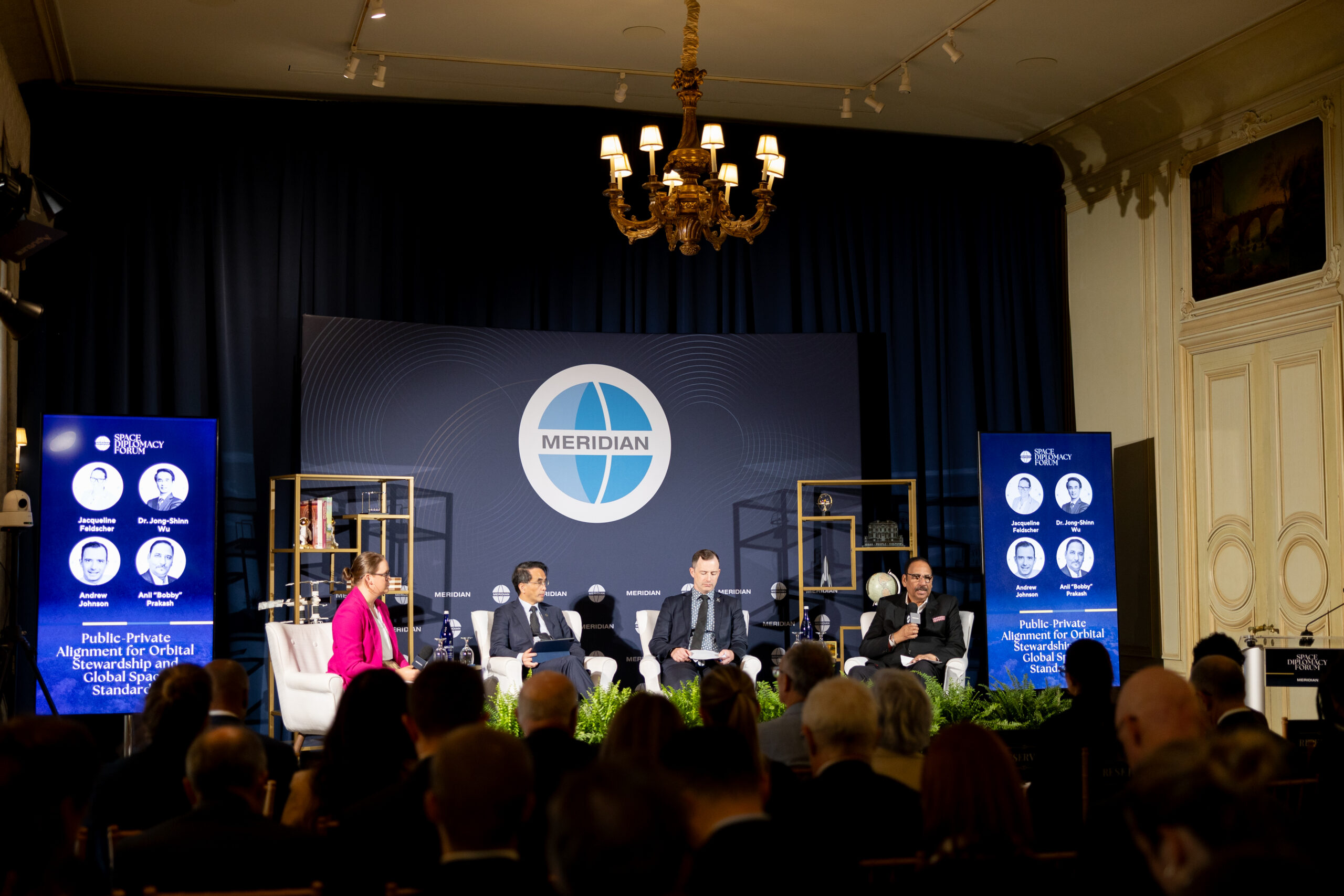
This panel examined how emerging space nations are helping shape norms around sustainability, debris mitigation, and space situational awareness (SSA), even as formal global governance mechanisms remain incomplete. Featuring Jacqueline Feldscher (Managing Editor, Payload), Andrew Johnson (Deputy Head, New Zealand Space Agency), Anil Prakash (Director General, SIA-India), and Dr. Jong-Shinn Wu (Director General, Taiwan Space Agency), the discussion highlighted that keeping the domain usable will depend on a mix of national regulation, commercial innovation, data-sharing, and sustained coordination across borders.
Here Were the Top Takeaways from the Program:
1. Orbital stewardship is now a shared responsibility across governments, industry, and international partners
The old model of state-led rulemaking is no longer enough for the realities of today’s orbital environment. Feldscher underscored this shift at the outset, observing that “so much of the industry today relies on commercial partners” and that “it’s in their interest for companies to behave responsibly.” Wu echoed that point, stressing that “effective orbital stewardship depends not only on government, but also on private sector and also international cooperation.”
Prakash reinforced the need for a broader culture of cooperation, arguing that “you cannot do things in isolation.” Together, the speakers made clear that sustainable space governance must now be built through shared accountability rather than government action alone.
2. Norms matter, but they only become meaningful when they are translated into practice
The conversation repeatedly returned to the gap between high-level frameworks and real-world implementation. Feldscher pointed directly to this problem, noting that there is often little that is “enforceable or binding,” especially when it comes to ensuring common standards in orbit. Johnson explained that New Zealand uses international norms like “the UN debris mitigation guidelines, the Artemis Accords… and industry guidelines” as a baseline, then builds them into licensing processes and operational requirements.
At the same time, Wu described Taiwan’s approach as one of “partnership and technical cooperation and operation alignment,” while Prakash noted that India’s industry is working in step with both national agencies and shared principles. The takeaway was that norms only shape behavior when they are embedded in national systems, operational rules, and institutional habits.
3. Emerging actors are not just adopting norms — they are increasingly shaping them
Rather than treating smaller or newer space faring nations as passive participants, the emphasis is now on their growing role in defining best practices. Feldscher raised this question directly when asking how emerging actors can “help actually shape global norms versus just adopting rules,” and the discussion showed that they already are. Johnson argued that “a small state like New Zealand can have real influence,” especially in novel areas like active debris removal and lunar disposal where there are few precedents.
Wu showed that Taiwan, despite not being part of some formal mechanisms, is still aligning with global standards and contributing through partnerships and technical coordination. Prakash similarly emphasized that India’s private sector cannot “be just silent” and follow others; instead, they must be proactive in helping shape the next phase of orbital governance.
4. SSA, transparency, and data-sharing are becoming the backbone of orbital safety
Space Situational Awareness (SSA) is no longer a niche technical issue; it is foundational to safe and credible participation in the sector. Feldscher framed the issue clearly by reminding the audience that SSA is “not something you can say, oh, we’re only going to work with people from our country.” Prakash called SSA “very critical at this time,” particularly because it supports both logistics and strategic awareness, while Wu emphasized that “data sharing” and “transparency is very, very important to mitigate this risk.” Johnson added a practical regulatory perspective, explaining that New Zealand now requires contact information for satellite operators and is exploring more consistent ways to make that data accessible. Long-term orbital safety will depend on building interoperable, internationally connected systems for awareness, communication, and rapid response.
5. The path forward will require faster action, more flexible regulation, and stronger compliance mechanisms
The pace of activity is outstripping the pace of governance, and that the next decade will demand more adaptive systems. Feldscher captured the enforcement challenge by asking how rules can become “actually being followed and becoming the norm,” rather than remaining aspirational. Johnson argued that the future lies in “joining up ways of regulating activity from the bottom up,” while Wu warned that orbit is becoming “more increasingly congested and also very dynamic.” Prakash added a sense of urgency, saying, “we have to act fast and we have to have a coordinated way,” especially given the number of satellites already in orbit and the lack of complete data on legacy objects. The future of orbital stewardship will depend on combining stronger compliance, better data-sharing, and more flexible regulatory systems that can evolve as fast as the industry itself.
Project summary
| Public-Private Alignment for Orbital Stewardship and Space Standards | March 2026 | |
|---|---|
| Program Areas: | Technology, Innovation, & Space |
