

Meridian Council Salon: Russia’s Evolving Role in the Global Order
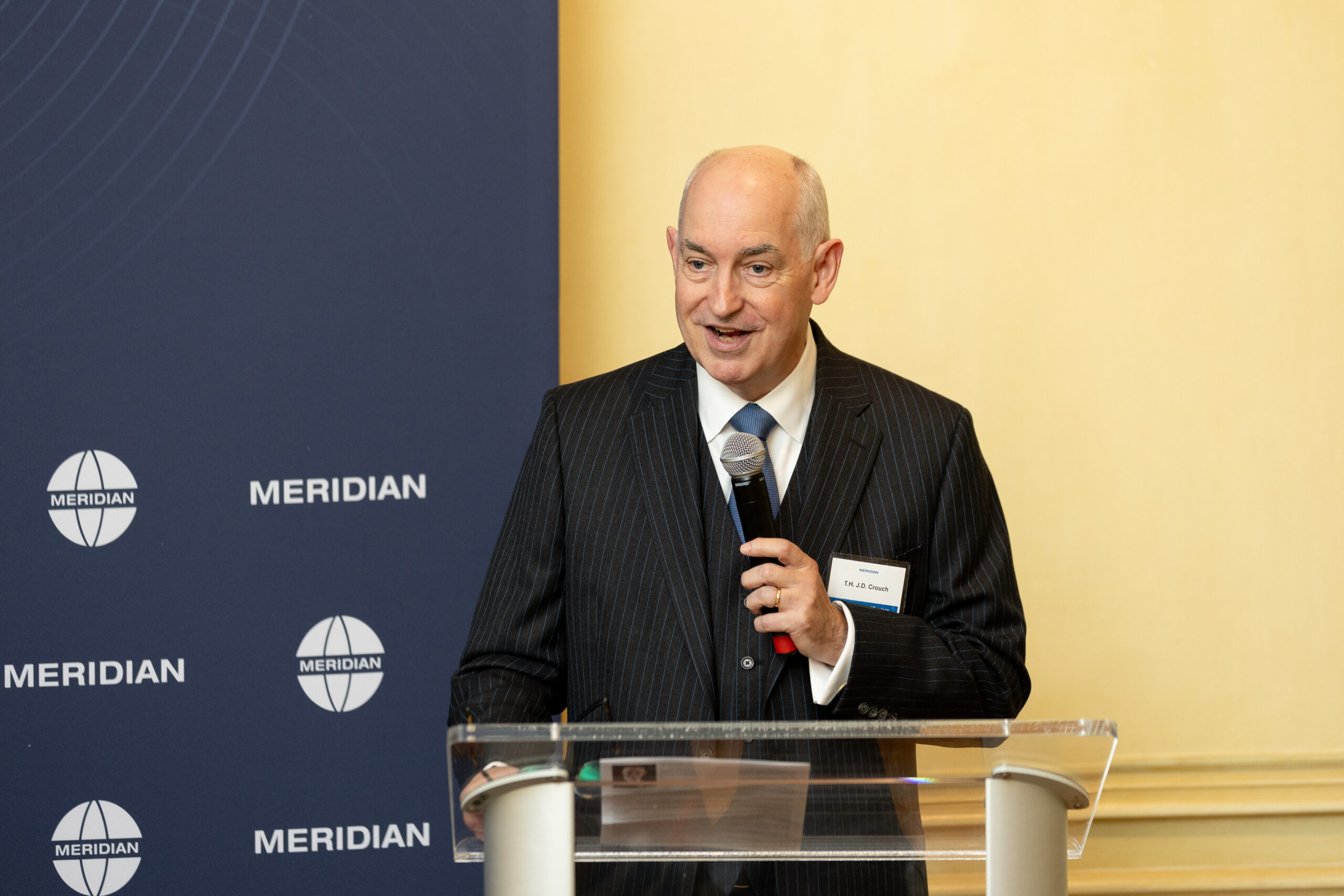
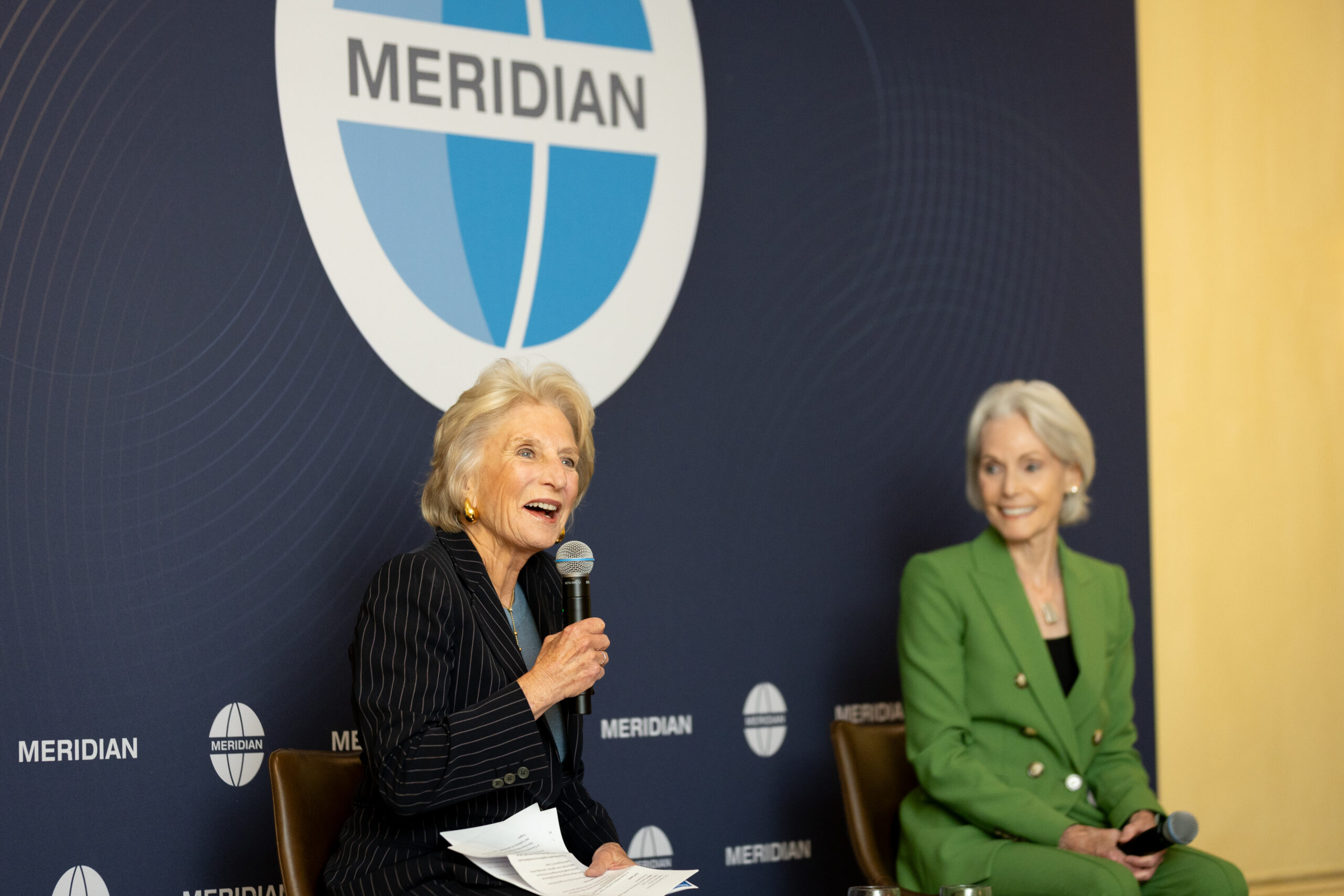
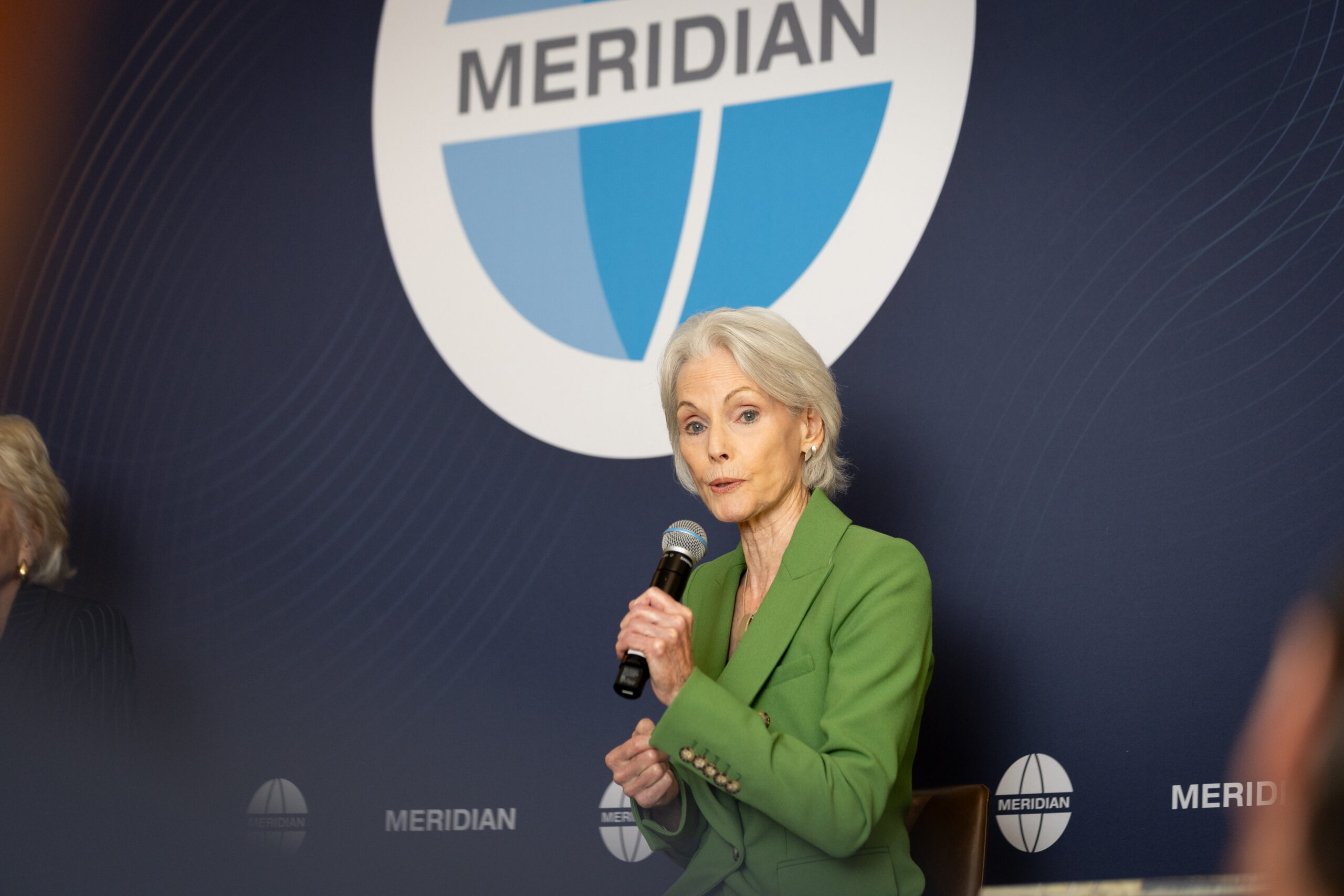
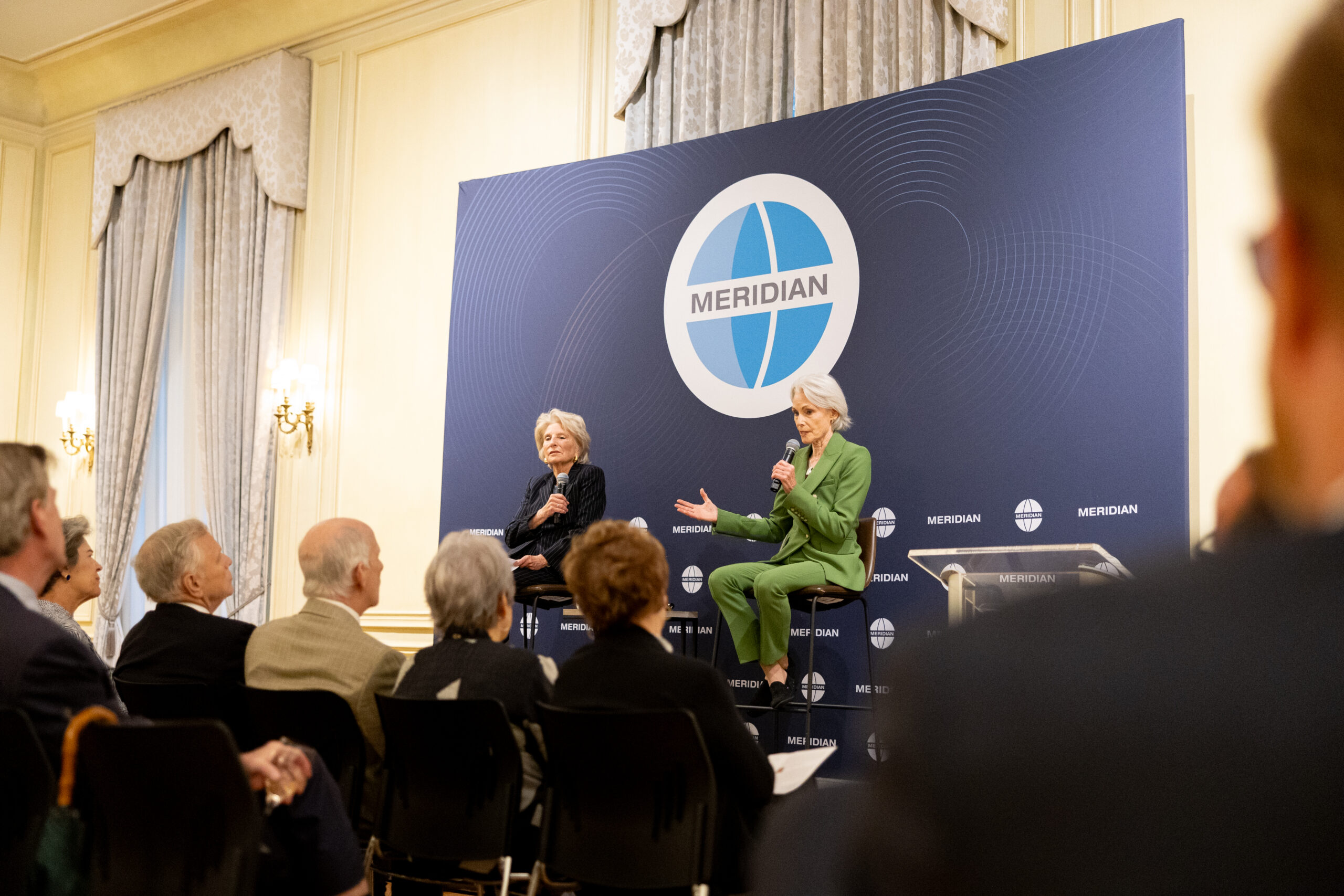
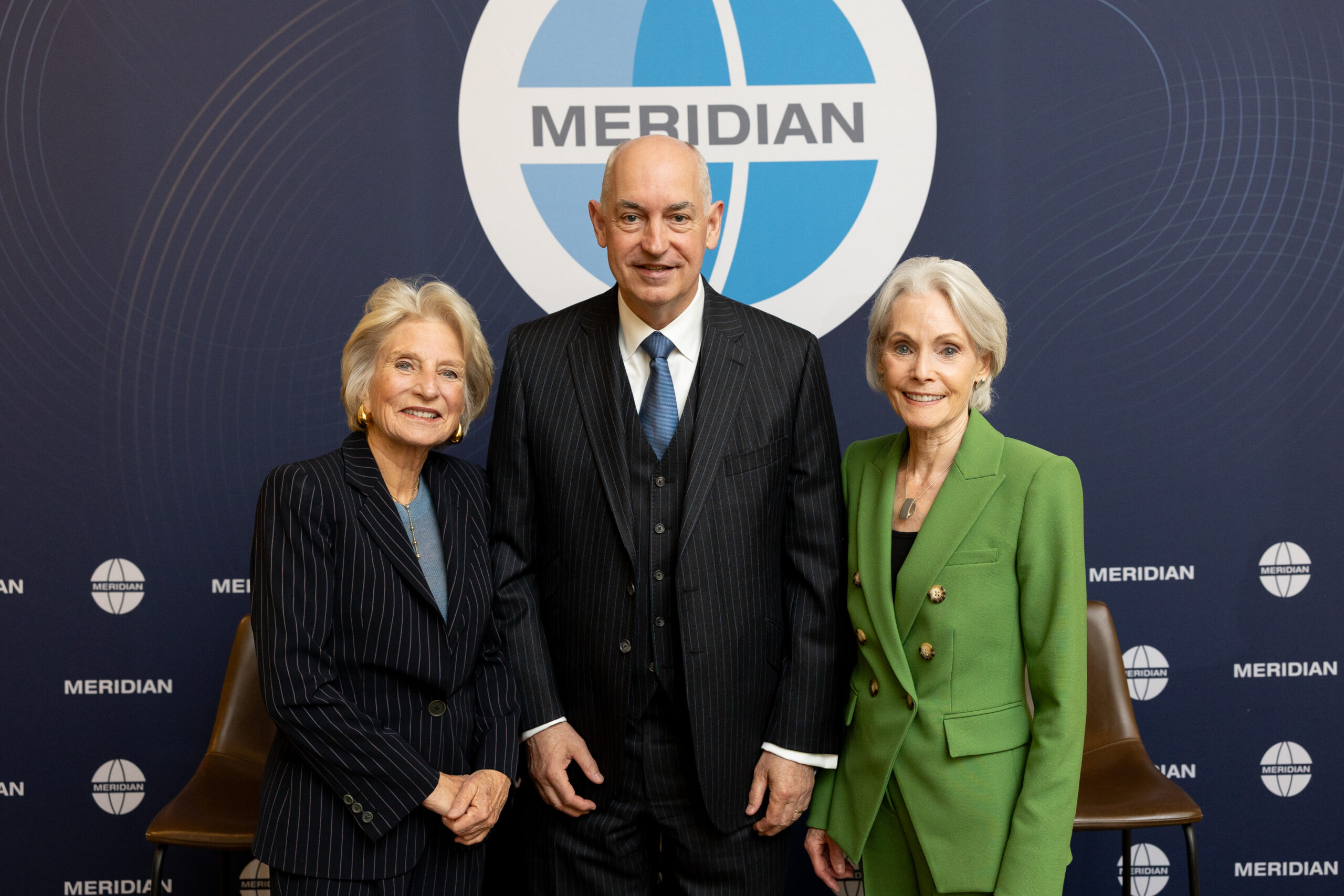
Russia’s policies and actions reverberate far beyond its borders, reshaping geopolitics and testing international stability. Against this backdrop, Meridian International Center convened its Meridian Council for a timely conversation with Jill Dougherty, former CNN Moscow Bureau Chief and Adjunct Professor at Georgetown University’s Walsh School of Foreign Service. Drawing on her decades of experience, Dougherty unpacked Russia’s internal challenges and shifting role on the world stage in a discussion moderated by The Honorable Jane Harman, U.S. Congresswoman (1993-1999; 2001-2011) and former President Emerita of the Wilson Center.
The conversation underscored the importance of strategic foresight in navigating a complex geopolitical landscape related to the ongoing war in Ukraine and Russia’s recalibrated alliances.
Top Takeaways from the Program:
Here are five key elements shaping the conversation:
1. Russia's Leadership is Resourceful, but Constrained
Russia’s leadership demonstrates a combination of determination and adaptability. Emerging from a Soviet-era security background, the country’s current leadership has long leveraged discipline, strategic acumen, and control over domestic institutions. Yet, the costs of the war in Ukraine, from human casualties to economic strain, present real limitations. The primary objective appears to be diminishing Ukraine’s political and territorial independence to prevent its integration with NATO and the European Union, rather than achieving outright conquest. For international observers, this underscores that while Russia is capable of sustained pressure, measurable vulnerabilities remain.
2. Information Control Shapes Domestic and International Perceptions
Information management is central to Russia’s strategy. Domestic access to external news and social media is heavily restricted, with platforms slowed or blocked, and domestic reporting tightly curated. These measures ensure a narrative that frames Ukraine as a critical threat and NATO as adversarial. Understanding this information landscape is essential for accurately assessing public sentiment and policy priorities in Russia.
3. Historical Context Drives Contemporary Policy
Longstanding historical grievances continue to shape Russian foreign policy. From the post-Cold War transition to perceptions of Western disengagement, these collective memories inform both strategic decisions and domestic narratives. For policymakers, engagement with Russia requires attention to this historical context, anticipating how past events influence current decision-making and geopolitical behavior.
4. Strategic Clarity from the West influences Russian Calculations
Policy ambiguity and inconsistent signals can affect Russia’s strategic calculus. Limited institutional expertise, variable messaging, and uncertainty regarding international commitments may create opportunities for Russia to test boundaries. Clear, consistent, and coherent policy communication is critical to shaping behavior, reassuring allies, and reducing miscalculations in high-stakes regions such as Ukraine and Eastern Europe.
5. Preparing for a Long-Term Geopolitical Landscape
Beyond immediate crises, a new generation of Russians is emerging—individuals who have grown up in a system characterized by militarization, nationalism, and limited engagement with the West. While leadership may change, the values and perspectives cultivated over decades will influence domestic and foreign policy for years to come. Western strategy must therefore extend beyond short-term conflict management to address long-term geopolitical realities, including education, cultural diplomacy, and multilateral engagement.
This conversation painted a portrait of Russia that is at once formidable and fragile—and globally consequential. Understanding Russia requires both historical literacy and strategic foresight, and the choices made today will shape the international balance of power for decades.
Project summary
| Meridian Council Salon: Russia’s Evolving Role in the Global Order | September 2025 |
|---|
