

Meridian Council Salon: Book Talk and Reception with Author Susan Page
As governments navigate growing geopolitical uncertainty and renewed questions about the future of transatlantic cooperation, leaders are increasingly recognizing that diplomacy is shaped not only through formal negotiations, but through trust, symbolism, and personal relationships.
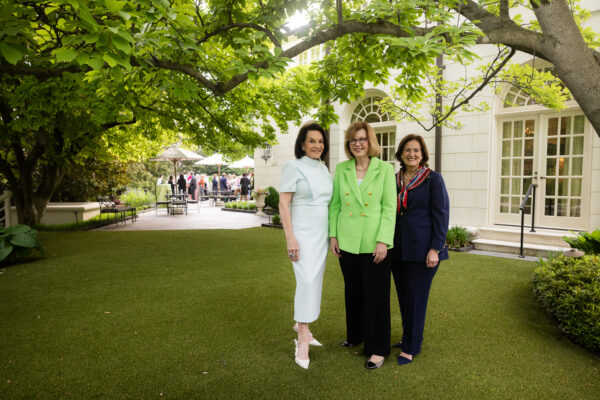
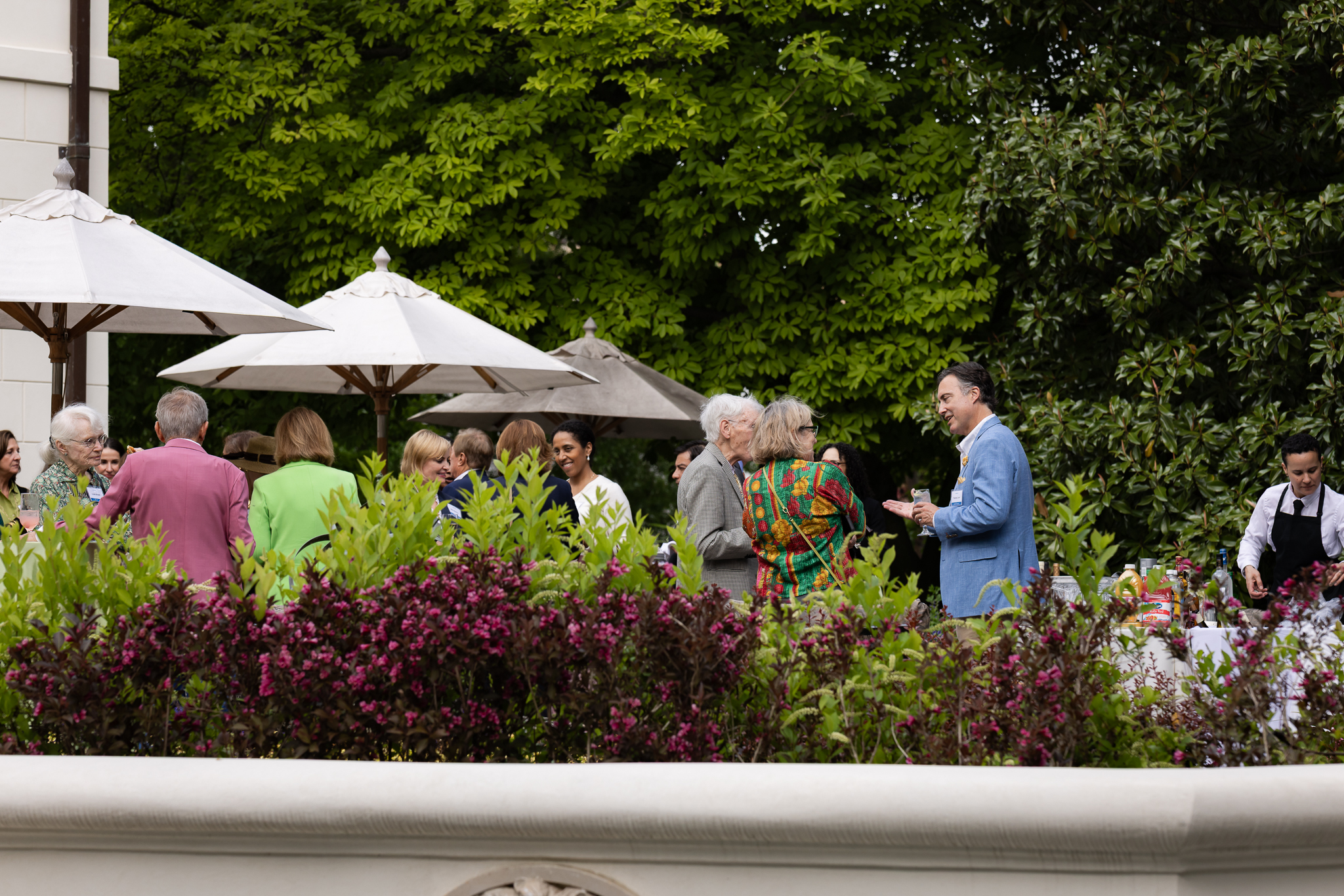
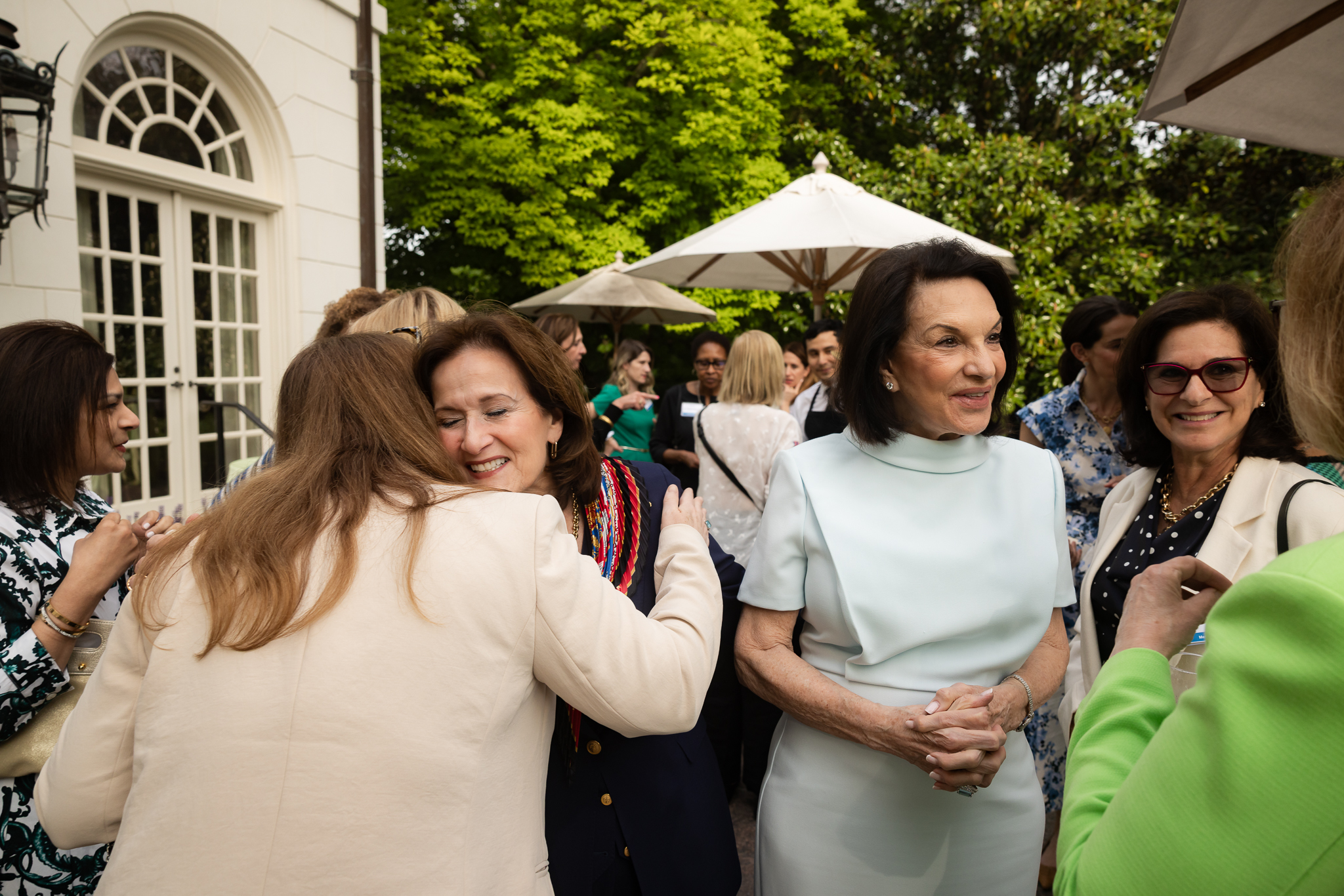
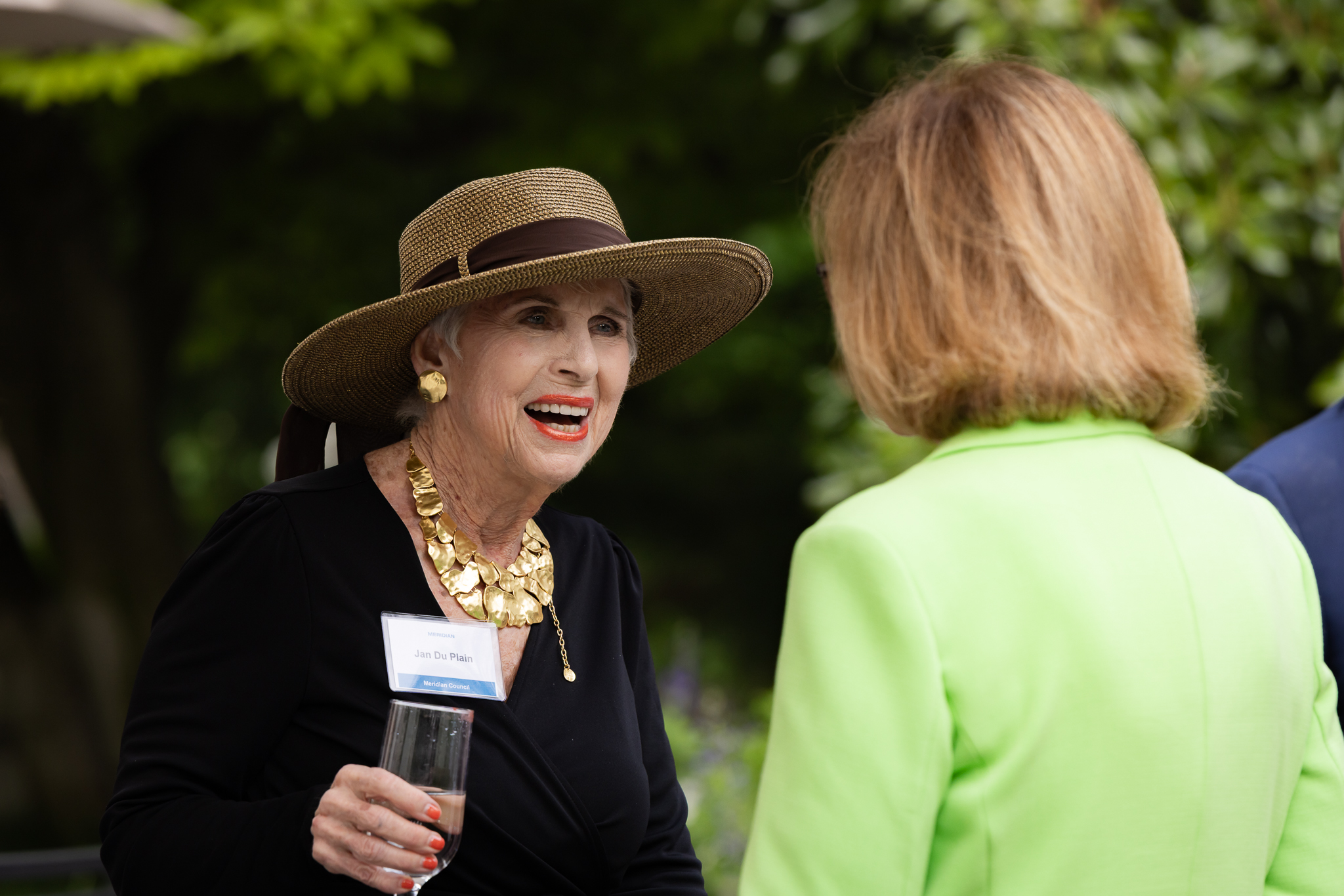
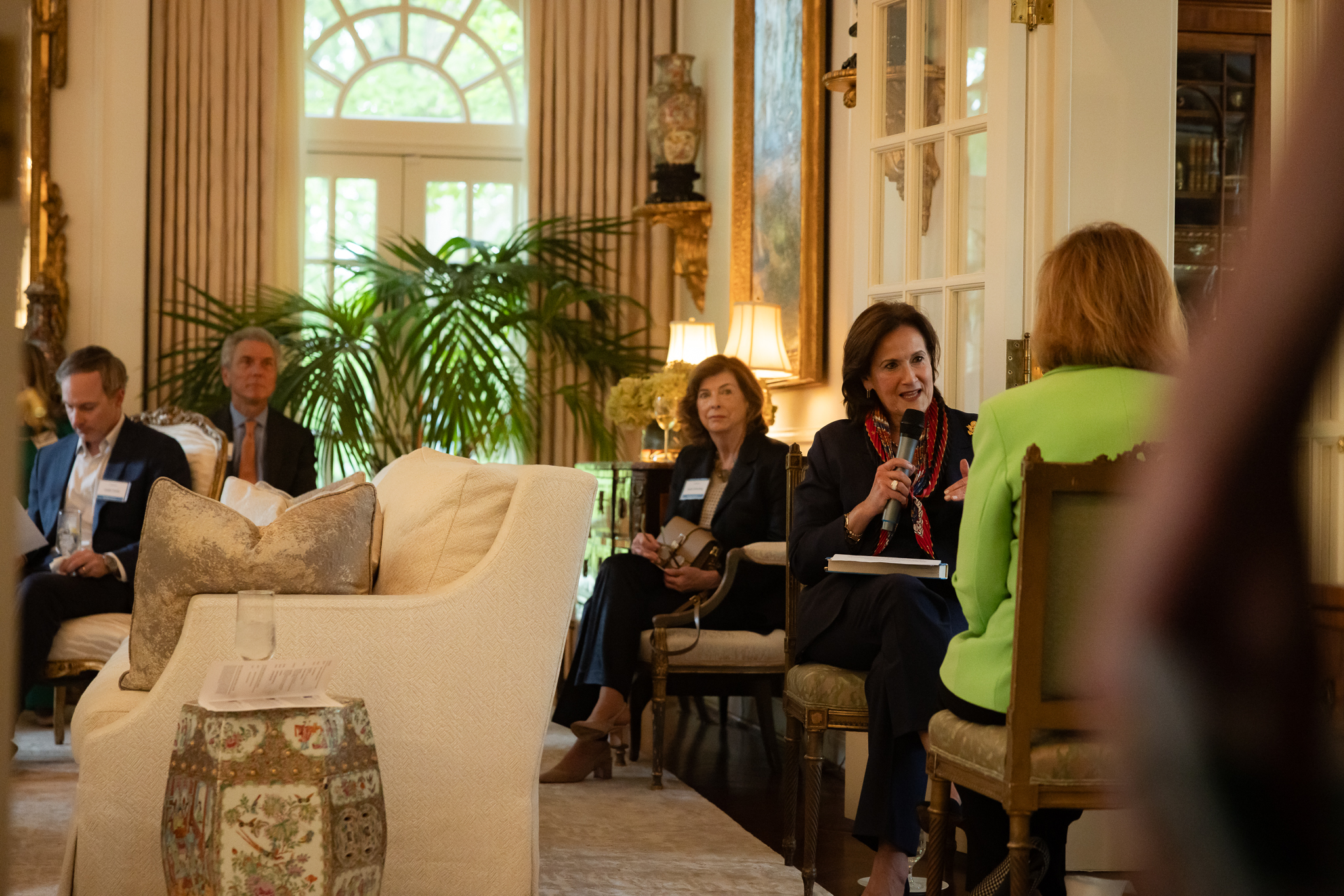
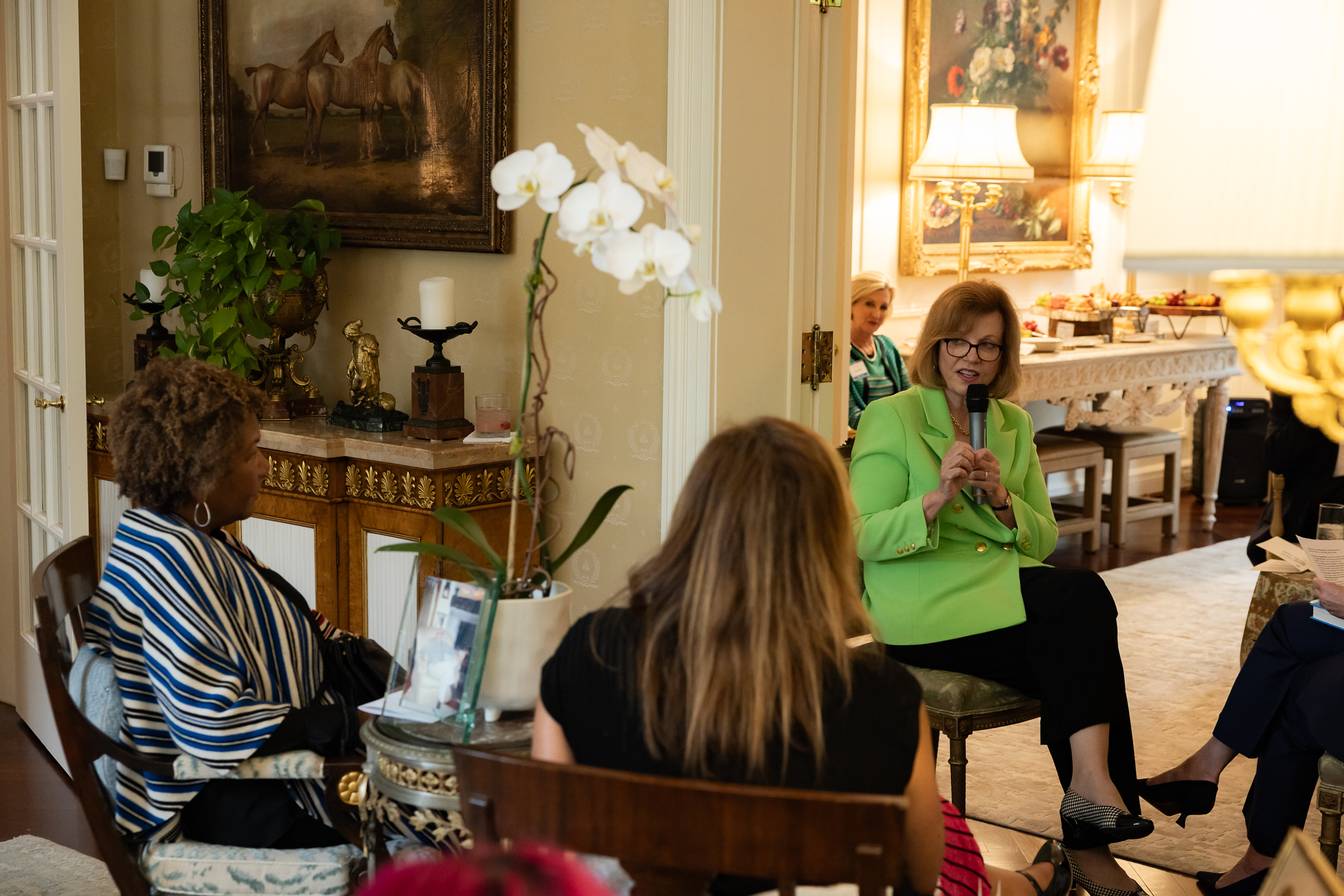
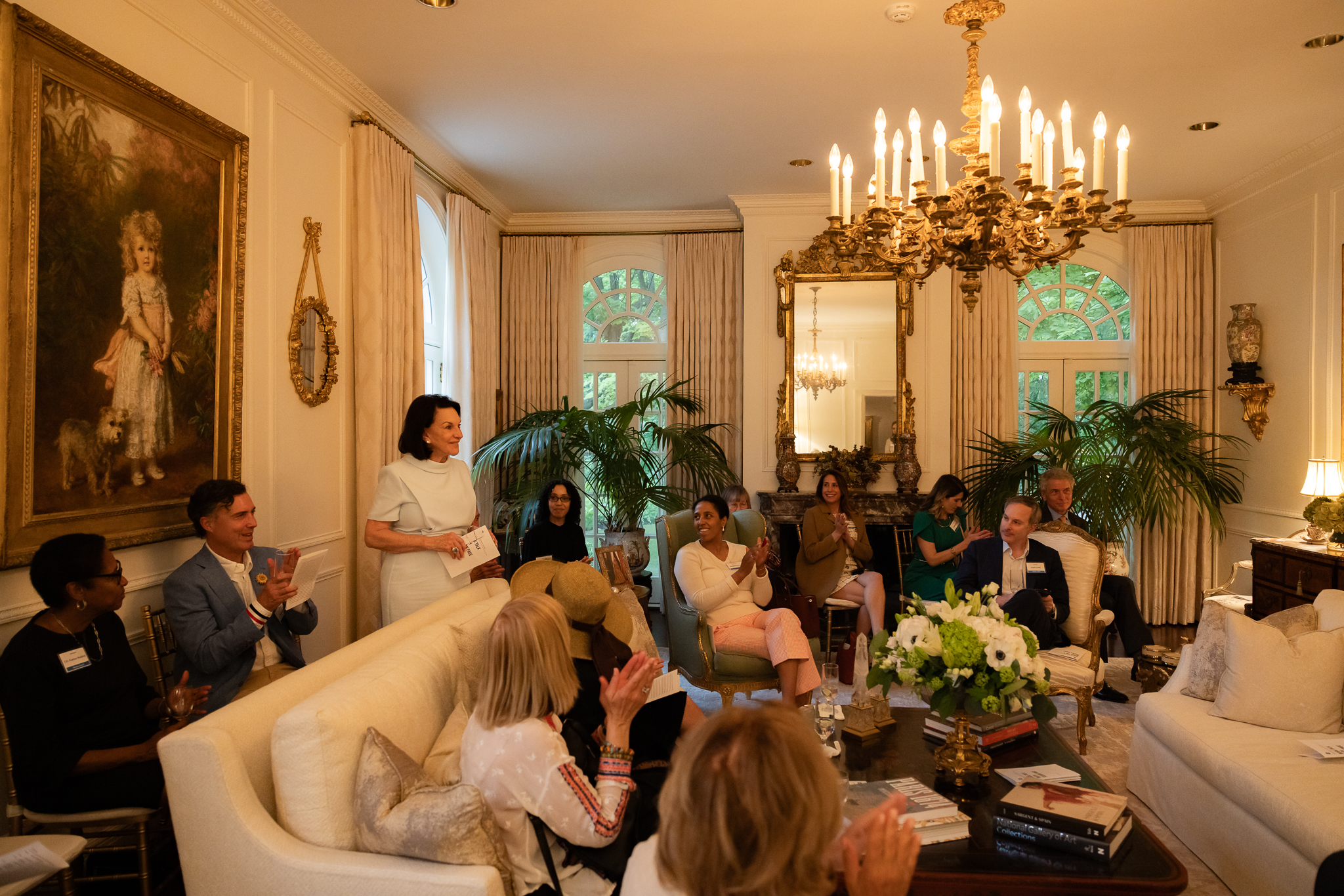
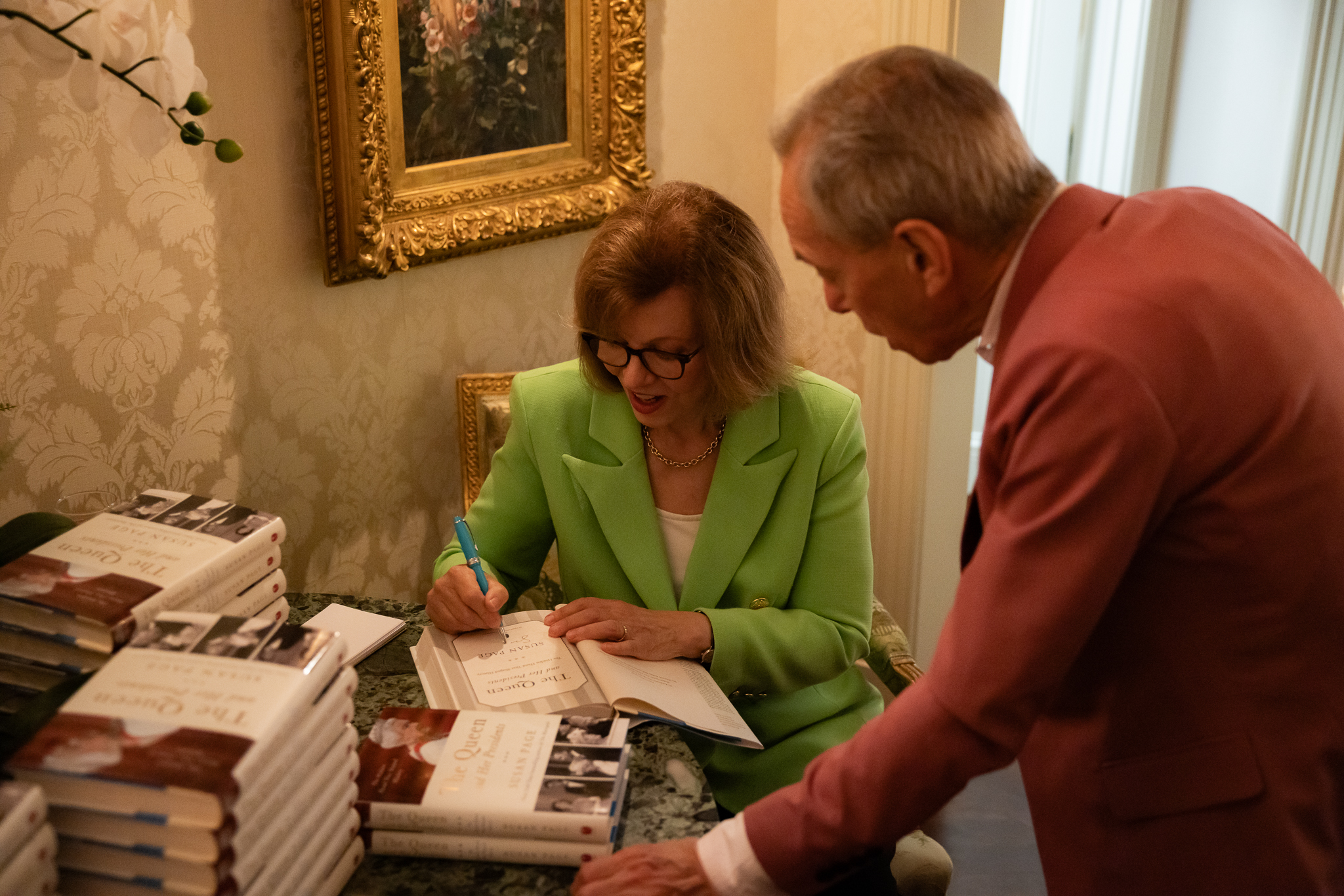
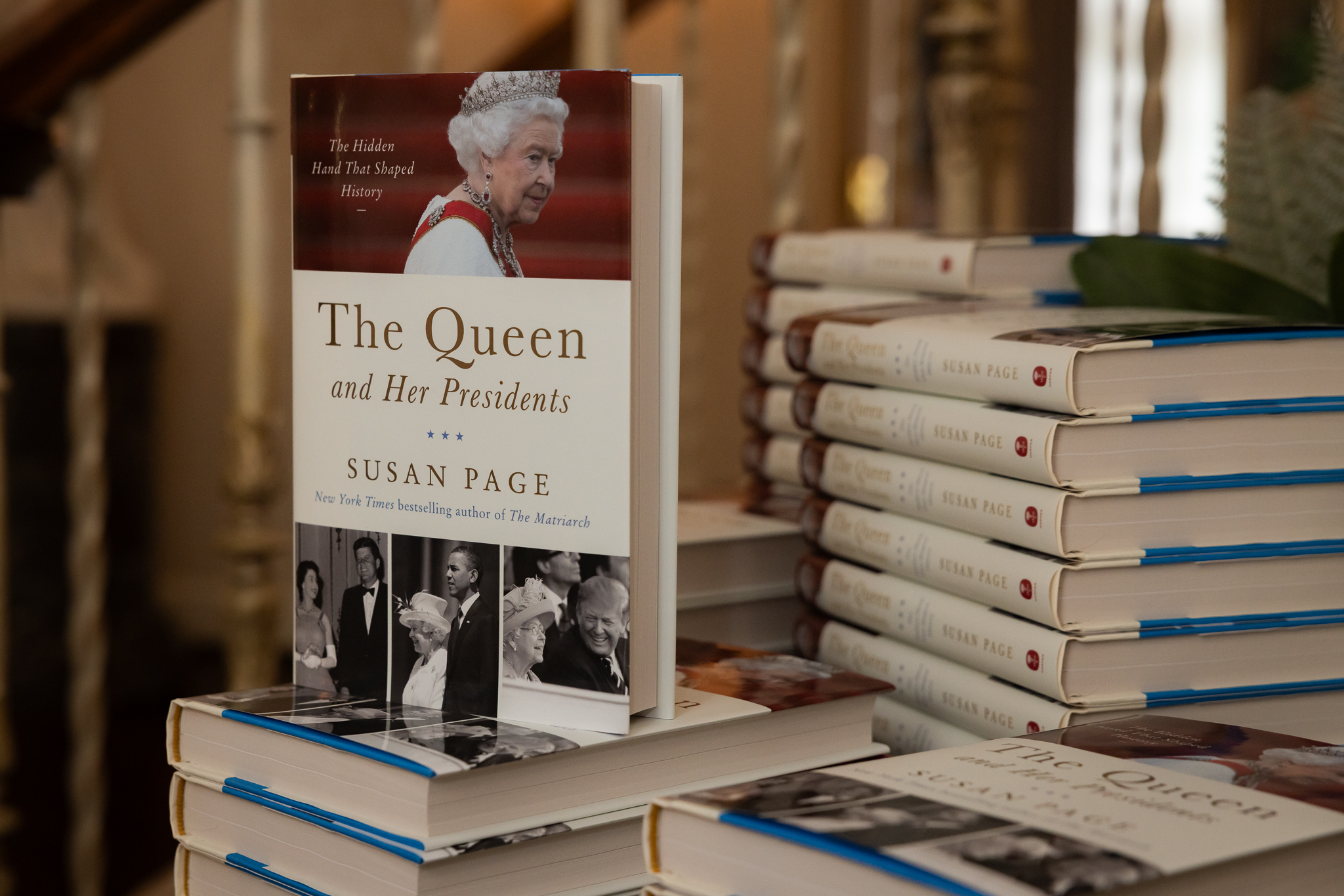
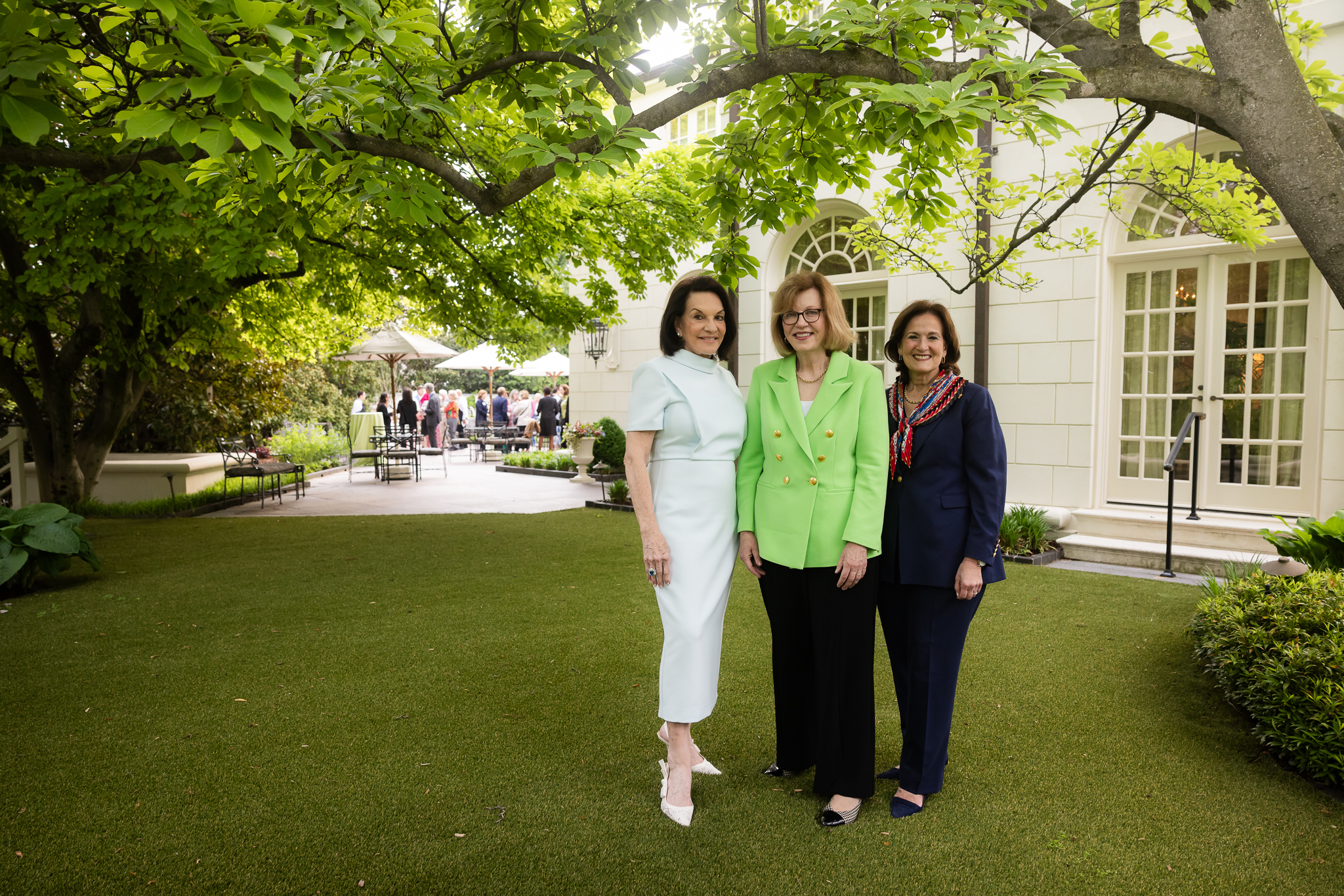
On May 6, 2026, Meridian International Center convened Meridian Council members, Board of Trustees, and leaders from the diplomatic, private, and public sectors for a featured conversation with bestselling author and USA TODAY Washington Bureau Chief Susan Page on her new book, The Queen and Her Presidents: The Hidden Hand That Shaped History. Hosted by Grace Bender, President of The Dorothy G. Bender Foundation, the discussion was moderated by Anita McBride, Executive-in-Residence at American University’s School of Public Affairs. The evening explored how Queen Elizabeth II helped shape diplomacy and the U.S.-UK relationship across seven decades of global political change through consistency, soft power, and personal statecraft.
Here were the top five takeaways:
1. Soft power shapes hard geopolitical outcomes
The evening reinforced something often overlooked in modern foreign policy conversations: relationships matter. Long before diplomacy plays out publicly through statements, negotiations, or sanctions, it is often shaped quietly through trust, familiarity, and personal rapport built over years.
Drawing on examples explored in The Queen and Her Presidents, the evening examined how ceremonial diplomacy and personal engagement frequently helped create political space for alignment between the United States and the United Kingdom. The broader lesson was clear: diplomacy is rarely just transactional. In moments of geopolitical friction, symbolic gestures and trusted relationships can help move conversations forward in ways formal negotiations alone often cannot.
2. Behind every enduring alliance are personal relationships
While the U.S.-UK alliance is often discussed through the lens of defense, intelligence, and economics, the conversation highlighted how much of the relationship has historically been sustained through interpersonal diplomacy.
Across decades of political turnover, changing administrations, and policy disagreements, continuity often came from the ability of leaders to establish familiarity and mutual understanding behind the scenes. The evening reflected on how shared interests, humor, cultural understanding, and even informal moments helped preserve diplomatic stability during periods of political change on both sides of the Atlantic.
3. Protocol is not performative — it is strategic
One of the strongest undercurrents throughout the evening was the idea that diplomacy often communicates through symbolism as much as through words.
State dinners, seating arrangements, royal visits, gifts, wardrobe choices, and public appearances were all discussed not as superficial traditions, but as deliberate forms of signaling. These moments can reinforce alliances, ease tensions, shape public narratives, and project stability without requiring direct political confrontation.
At a time when diplomacy increasingly unfolds in real time and under public scrutiny, the conversation served as a reminder that optics and protocol remain central tools of statecraft.
4. Consistency can be a form of influence
A recurring theme throughout The Queen and Her Presidents is that continuity itself can become a form of geopolitical influence. Over seven decades and through enormous global change, Queen Elizabeth II became one of the few constant figures across generations of political leadership.
That continuity gave the monarchy a unique kind of diplomatic weight. In moments of uncertainty or transition, consistency itself became a form of reassurance — both publicly and privately. The evening explored how discipline, discretion, and institutional memory helped preserve relationships across administrations and eras, even as politics and public expectations evolved dramatically around them.
5. Cultural diplomacy remains central to global leadership
Beyond politics, the conversation ultimately pointed to a larger truth about international engagement: alliances endure when they are reinforced through people-to-people connection, shared culture, and public trust.
Whether through state visits, cultural exchange, or symbolic moments that resonate beyond government audiences, the U.S.-UK relationship has long relied on forms of diplomacy that operate outside formal policy channels. The evening reflected how cultural institutions, public figures, and trusted conveners continue to play an important role in shaping how countries understand one another.
As Meridian advances Open Diplomacy, these conversations remain increasingly important in a world where influence is shaped not only by governments, but also by culture, public engagement, and global networks.
Project summary
| Meridian Council Salon: Book Talk and Reception with Author Susan Page | May 2026 | |
|---|---|
| Program Areas: | Diplomatic Engagement |
