

IVLP: American Excellence in STEM
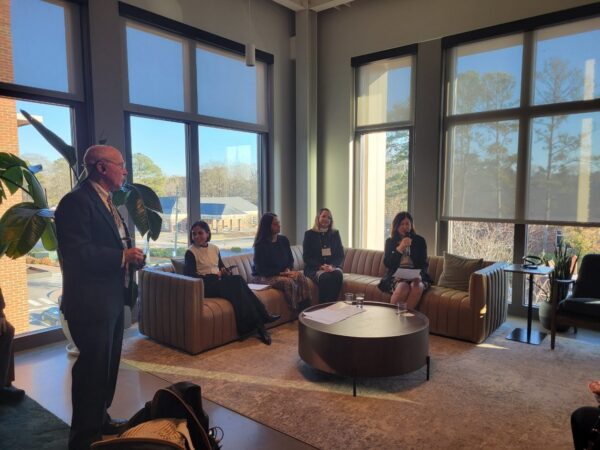
Thirteen Latin American STEM leaders engaged with U.S. models of innovation, education, and workforce development through visits to Washington, DC; Raleigh, NC; Miami/Fort Lauderdale, FL; Dallas/Fort Worth, TX; and San Diego, CA. Through this multi-city approach, the program underscored how U.S. leadership in STEM is shaped not only at the federal level, but through dynamic state and local ecosystems—reflecting the growing importance of subnational diplomacy in advancing innovation and economic growth.
Participants explored how federalism shapes STEM policy; observed strong cross-sector collaboration among government, universities, industry, and nonprofits; and engaged in high-level meetings with institutions such as the Smithsonian Science Education Center, the North Carolina School of Science and Mathematics, Miami Dade College, Qualcomm, Texas Instruments/High Tech High Heels, and the North Texas STEM+ Ecosystem.
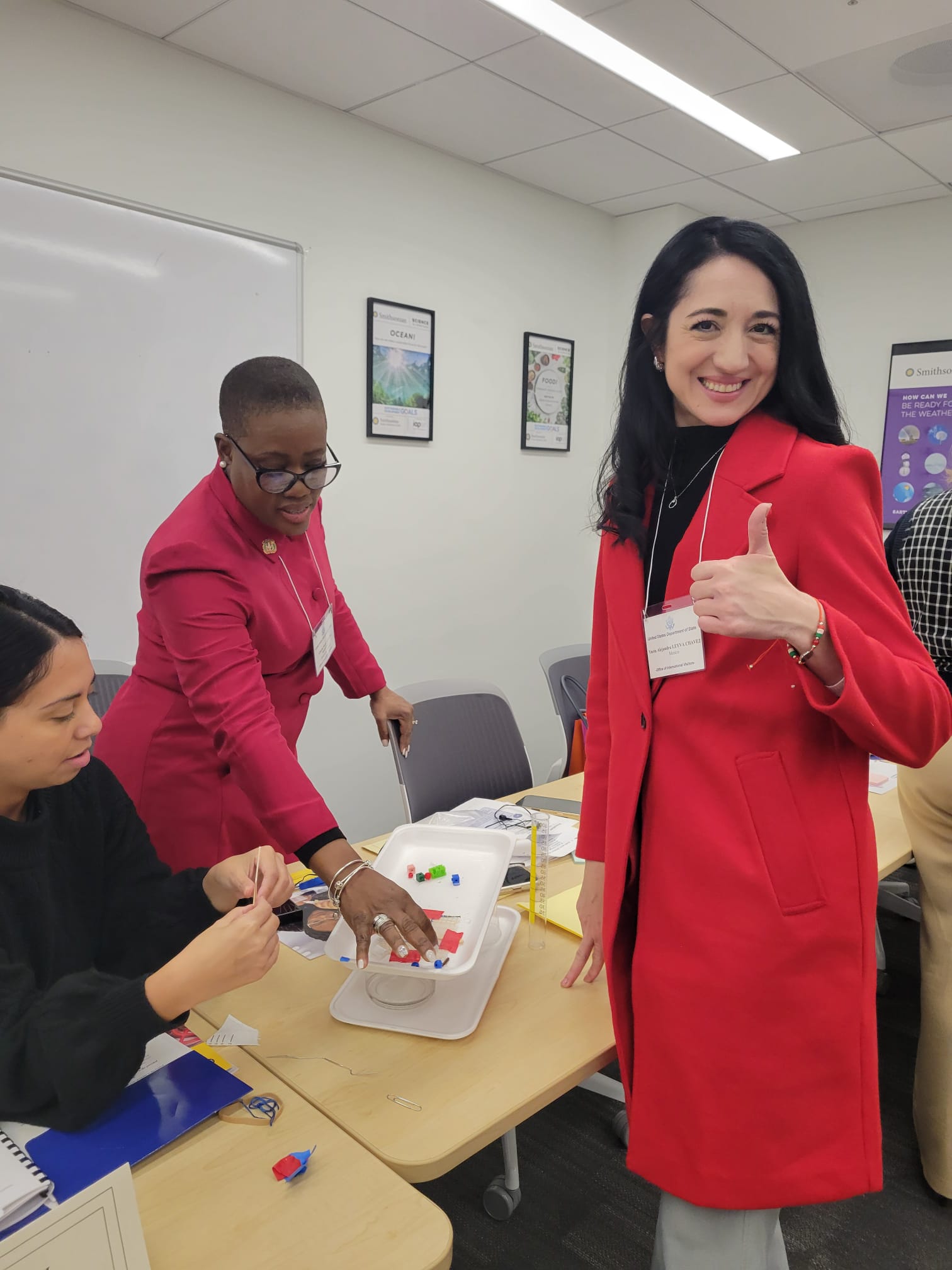
The program generated new partnerships, teacher training initiatives, research collaborations, and STEM outreach ideas, while also inspiring the creation of the IVLP STEM Latin American Network to foster regional cooperation. Participants highlighted the Research Triangle and the Texas STEM ecosystem as particularly impactful, noting that the program strengthened their understanding of U.S. innovation systems and provided practical models they plan to adapt in their home countries. Ocean Motion Technologies in San Diego connected STEM education, applied research, entrepreneurship, and real-world technology development in a way that aligned closely with their own professional interests. The Smithsonian Science Education Center highlighted its teacher training model, free Spanish language resources, and practical methodologies they plan to adapt in their home countries.
Project Objectives
- Review the evolution and advancement in scientific research and innovation in the United States;
- Explore policies of organizations and educational institutions that champion science, technology, engineering, and mathematics (STEM);
- Gain insight into the critical need for the design, engineering, and implementation of scientific research, applications, solutions, and technology, including hardware and closed and open-source software;
- Provide opportunities for participants to network with professional counterparts at scientific academies, associations, universities, businesses, and agencies across the United States; and
- Examine public-private partnerships designed to accelerate student learning in STEM subjects.
Project Design
Across all cities, participants highlighted strong justification for the multi city model: each location illustrated a distinct but complementary segment of the U.S. STEM pipeline, deepening their understanding of how regional ecosystems contribute to national innovation goals.
- In Washington, DC, participants emphasized foundational themes such as understanding U.S. federalism and governance structures, noting that the federalism session was essential for contextualizing all subsequent meetings and illuminating how states independently shape STEM, education, funding, and innovation strategies. This grounding also justified the program’s design by preparing participants to interpret major differences among the regional ecosystems they later visited.
- In Raleigh, North Carolina, the group was particularly impressed by the Research Triangle’s integrated innovation model, the emphasis on early STEM talent cultivation, and the structured collaboration among academic institutions, state agencies, and workforce groups. Meetings at the North Carolina School of Science and Mathematics (NCSSM), the NC MSEN Pre College Program, and the North Carolina Science, Technology & Innovation Board stood out for showcasing rigorous STEM education, precollege preparation, and statewide coordination in talent development.
- In Miami, themes centered on applied research, industry aligned technical training, and the expansion of STEM capacity in strategic fields such as IT, AI, and cybersecurity. Miami Dade College was viewed as especially impactful for demonstrating how higher education, industry, and research ecosystems jointly drive workforce readiness and real-world innovation.
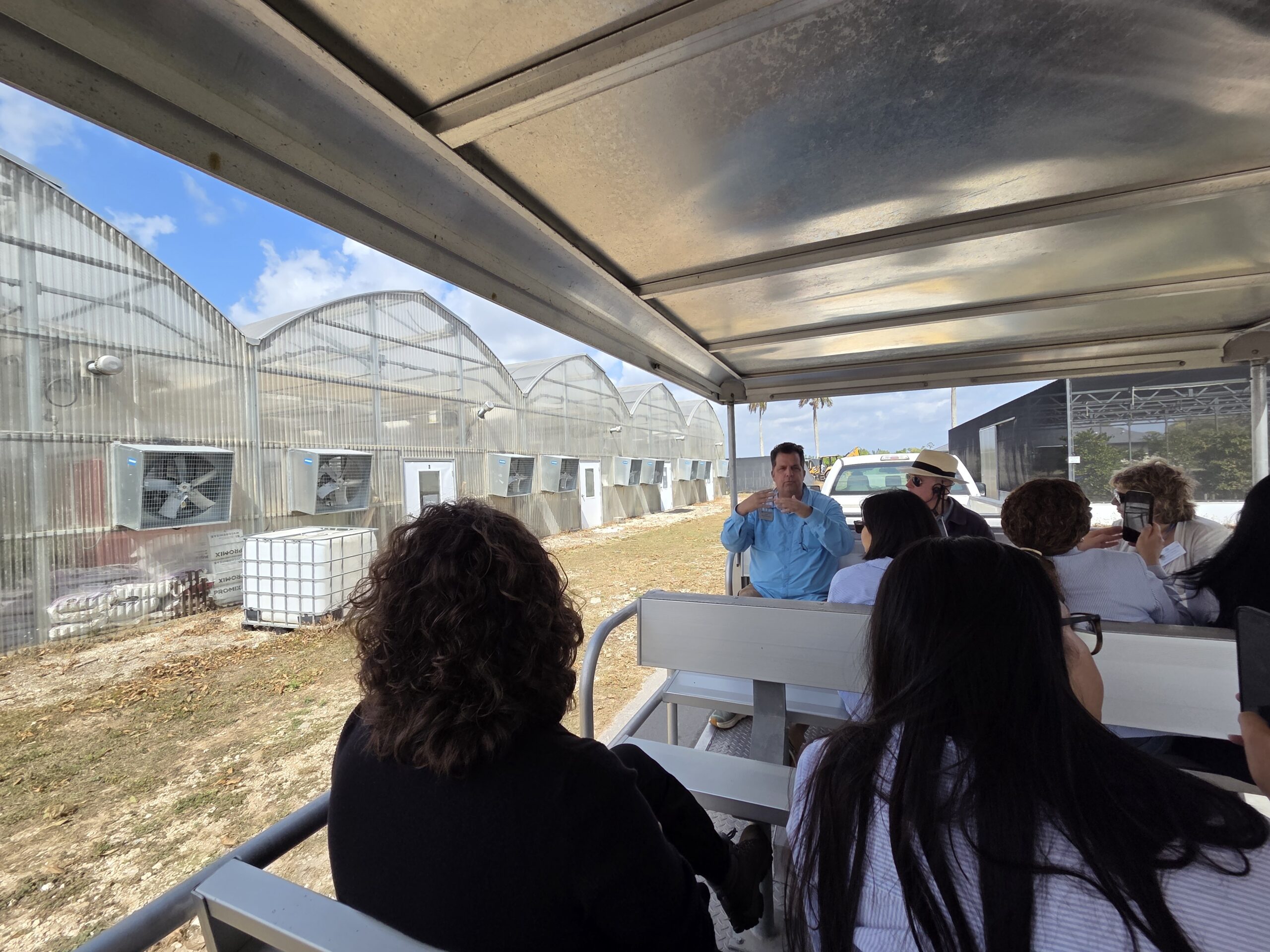
- Dallas/Fort Worth highlighted robust cross sector STEM ecosystems with strong K–12, university, nonprofit, and industry partnerships. Participants consistently cited STEM in Texas (Region 10), High Tech High Heels/Texas Instruments, and the North Texas STEM+ Ecosystem as powerful examples of inclusive STEM programming, industry relevant teacher training, and scalable community-based STEM models.
- In San Diego, the participants explored how research transforms into innovation and workforce development, with Qualcomm’s Thinkabit Lab offering hands‑on STEM experiences, Ocean Motion Technologies demonstrating the integration of STEM education with applied research and startup‑driven technology, and the San Diego Workforce Partnership illustrating how industry, education, and workforce systems align to support regional economic growth.
Impact and Next Steps
This program provided 13 Latin American STEM leaders with an immersive look at how the United States develops and sustains innovation across education, industry, and workforce systems. Through visits to Washington, D.C., Raleigh, Miami, Dallas/Fort Worth, and San Diego, participants engaged with a diverse range of institutions — from the Smithsonian Science Education Center and North Carolina School of Science and Mathematics to Qualcomm, Texas Instruments, and Ocean Motion Technologies — gaining practical, adaptable models for STEM education, public-private collaboration, and regional ecosystem development.
By experiencing multiple U.S. regions firsthand, participants gained a deeper understanding of how state and local actors serve as critical drivers of innovation—demonstrating how subnational leadership complements federal strategy to advance national priorities. This approach reinforced the value of engaging leaders beyond national governments and highlighted how cross-sector, place-based collaboration can be adapted across different country contexts.
As a next step, participants are encouraged to adapt the models and methodologies observed — including teacher training programs, cross-sector partnership structures, and community-based STEM outreach initiatives — within their home country contexts. The creation of the IVLP STEM Latin American Network marks a meaningful outcome of the program, providing a platform for sustained regional cooperation and knowledge-sharing among participants. Maintaining these connections, alongside continued engagement with U.S. counterparts at the national and subnational levels, will be essential to translating program insights into lasting, region-wide impact.
Project summary
| IVLP: American Excellence in STEM | |
|---|---|
| Regions: | Western Hemisphere |
| Countries: | Argentina, Chile, Colombia, Costa Rica, Dominican Republic, Guatemala, Honduras, Mexico, Nicaragua, Paraguay, Peru, Uruguay |
| Impact Areas: | Education, Science and Technology |