

International Space Cooperation and Diplomacy in Africa
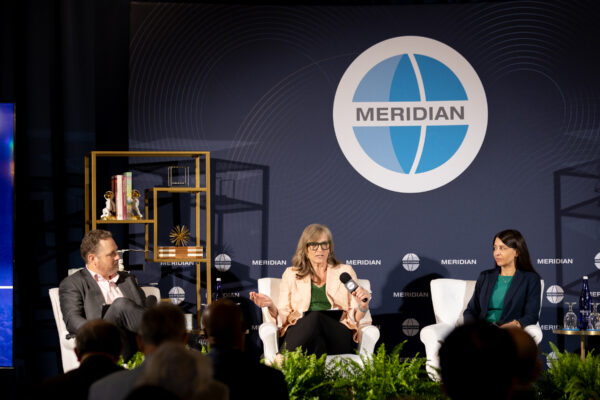
Africa is no longer a peripheral consideration in space diplomacy, but an active and increasingly central participant shaping priorities, partnerships, and operational models. This segment, comprised of two panel discussions, explored the evolving architecture of U.S.–Africa space engagement from both institutional and ecosystem perspectives.
Here Were the Top Takeaways from the Program:
U.S.-Africa Collaboration
With Africa’s space economy projected to grow significantly and its population expected to represent a quarter of the global total by 2050, U.S.-Africa engagement is both time-sensitive and structurally important.
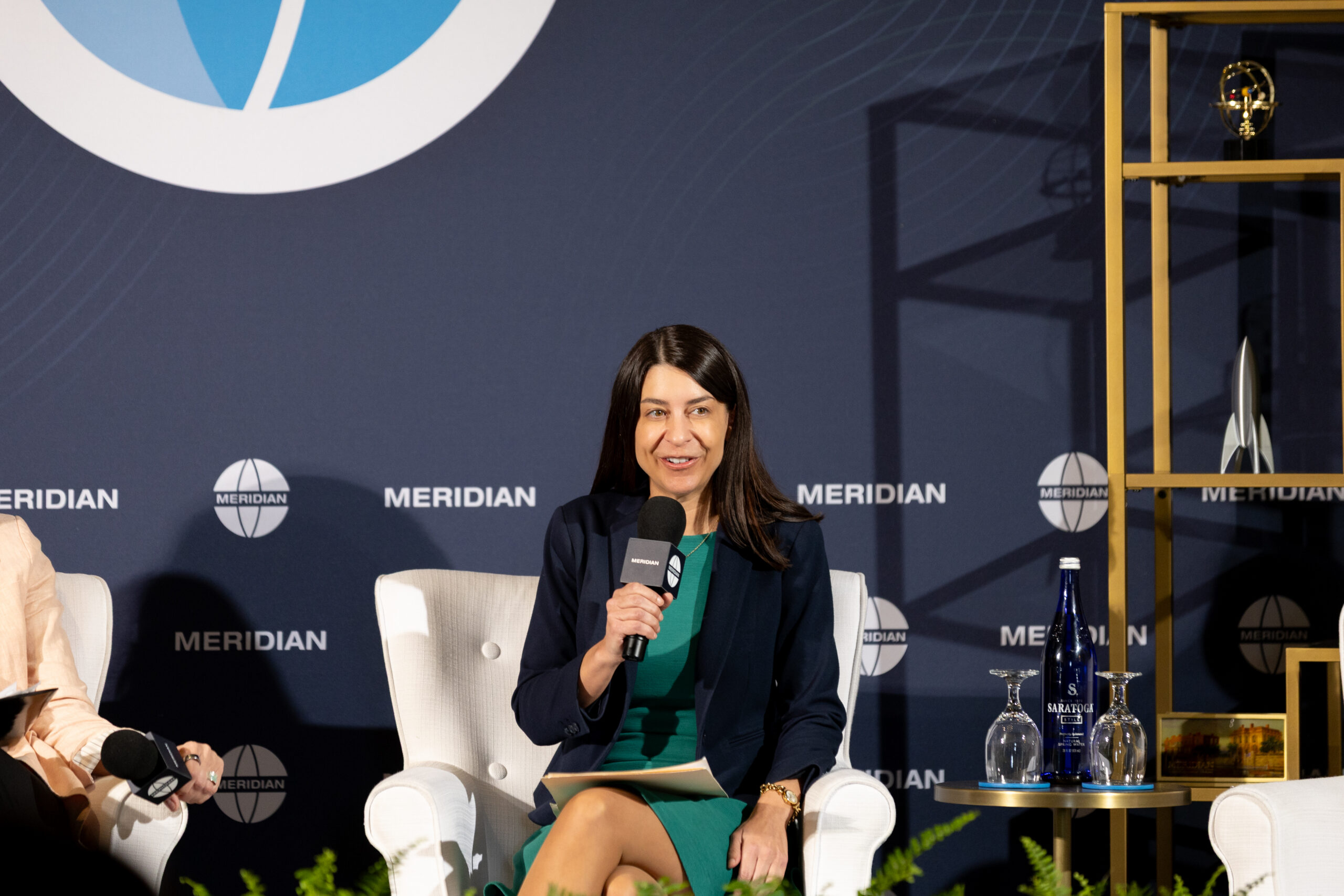
Valda Vikmanis (Director, Office of Space Affairs, U.S. Department of State), Jaisha Wray (Associate Administrator, Office of International Affairs, NTIA, U.S. Department of Commerce), and Dr. Brian Weeden (Director of Civil and Commercial Policy, Center for Space Policy and Strategy, The Aerospace Corporation) outlined how the continent is becoming an increasingly strategic focus of U.S. space diplomacy, driven by commercial opportunity, demographic trends, and long-term capability development.
1. Africa as a priority in space engagement
There is a marked shift in U.S. attitudes and activity toward the continent as being critically important for the final frontier. As Vikmanis noted, “a lot has changed,” pointing to what she described as a “reset in our relationship with our partners in Africa.” She framed this shift around commercial diplomacy and scale, highlighting that the African space market is “over 24 billion, expected to reach 39 billion by 2030,” and adding, “by 2050, Africa will have 1/4 of the globe’s population.” Her conclusion was direct: “now is the time for us now to be talking to our African partners.”
2. Engagement through practical mechanisms, not just policy frameworks
U.S.–Africa cooperation is being translated into concrete mechanisms rather than abstract policy alignment. Jaisha Wray announced a key new initiative: The National Telecommunications and Information Administration (NTIA) is “partnering with the US Telecommunications Training Institute, or USTTI, to organize a training coming up this May in Ghana,” focused on “satellite connectivity for African policy and regulatory decision makers.” She highlighted this as capacity-building aimed at enabling regulatory environments that support satellite and low Earth orbit services, while also preparing participants for upcoming global milestones such as the World Radiocommunication Conference in 2027.
This training effort sits alongside broader collaboration channels, including “PODS, Partnership Opportunity Delegations,” and “IVLPs,” which connect U.S. and African stakeholders across government, industry, and technical institutions. At the multilateral level, Vikmanis also pointed to the expansion of the Artemis Accords from “the original 8” to “61 Artemis Accord signatories,” framing participation as increasingly tangible and forward-looking: “you’re coming to the moon with us if you want to.”
3. The binding constraint is institutional inertia
While formal policy barriers are easing, behavior has not fully caught up. Vikmanis noted that “the memory of those restrictions has seeped into the institutions,” creating persistent caution even where collaboration is now permissible. At the same time, the operational environment is shifting toward real-time integration, where space systems increasingly depend on rapid data fusion and shared operational tempo. The emerging constraint is therefore not access, but speed: whether institutions can integrate quickly enough to operate effectively across distributed, time-sensitive systems.
Partnerships Shaping the Continent’s Space Future
Africa is not a marginal entrant into the space economy, but an active participant forging the conditions, structures, and relationships that will define its role within it.
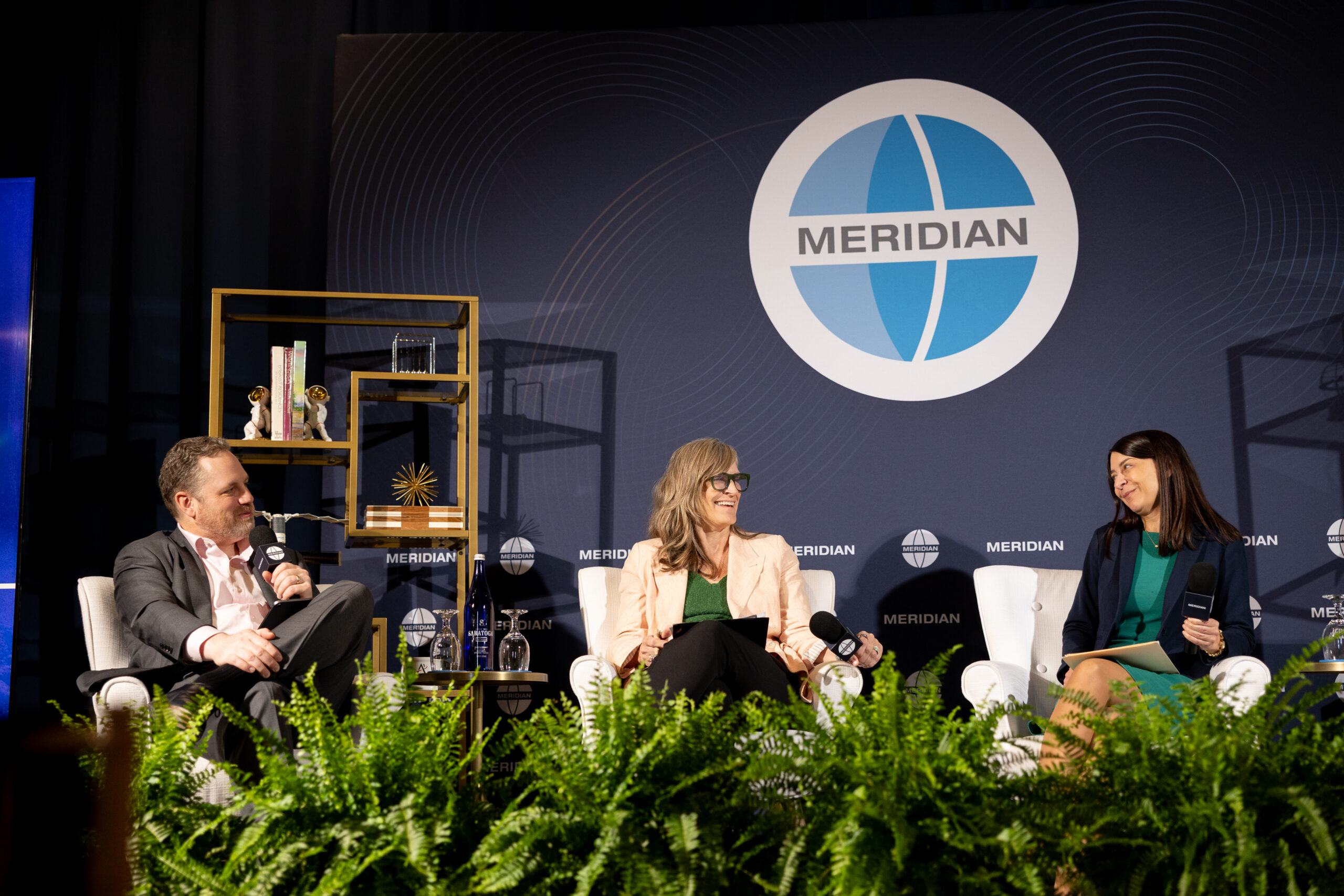
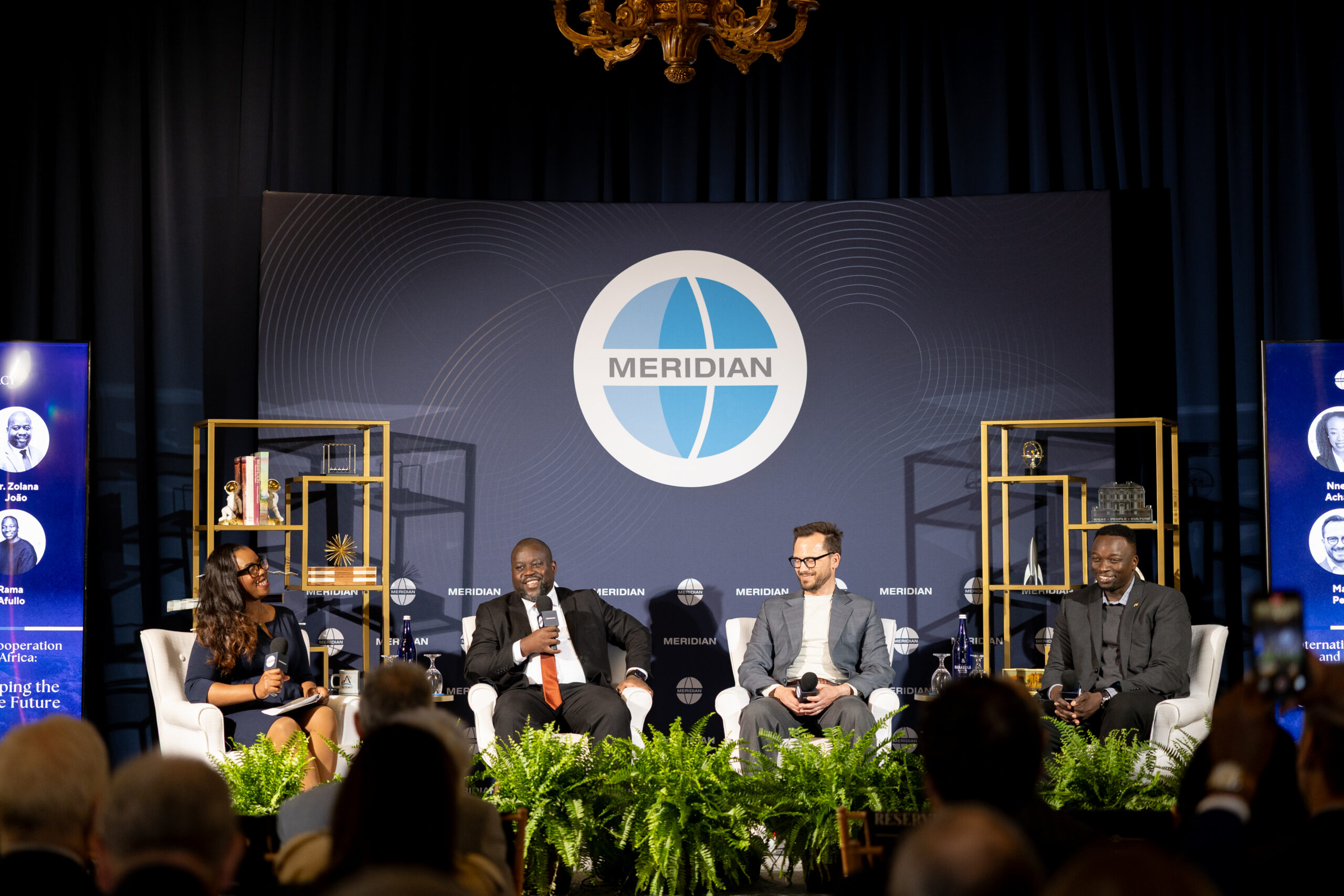
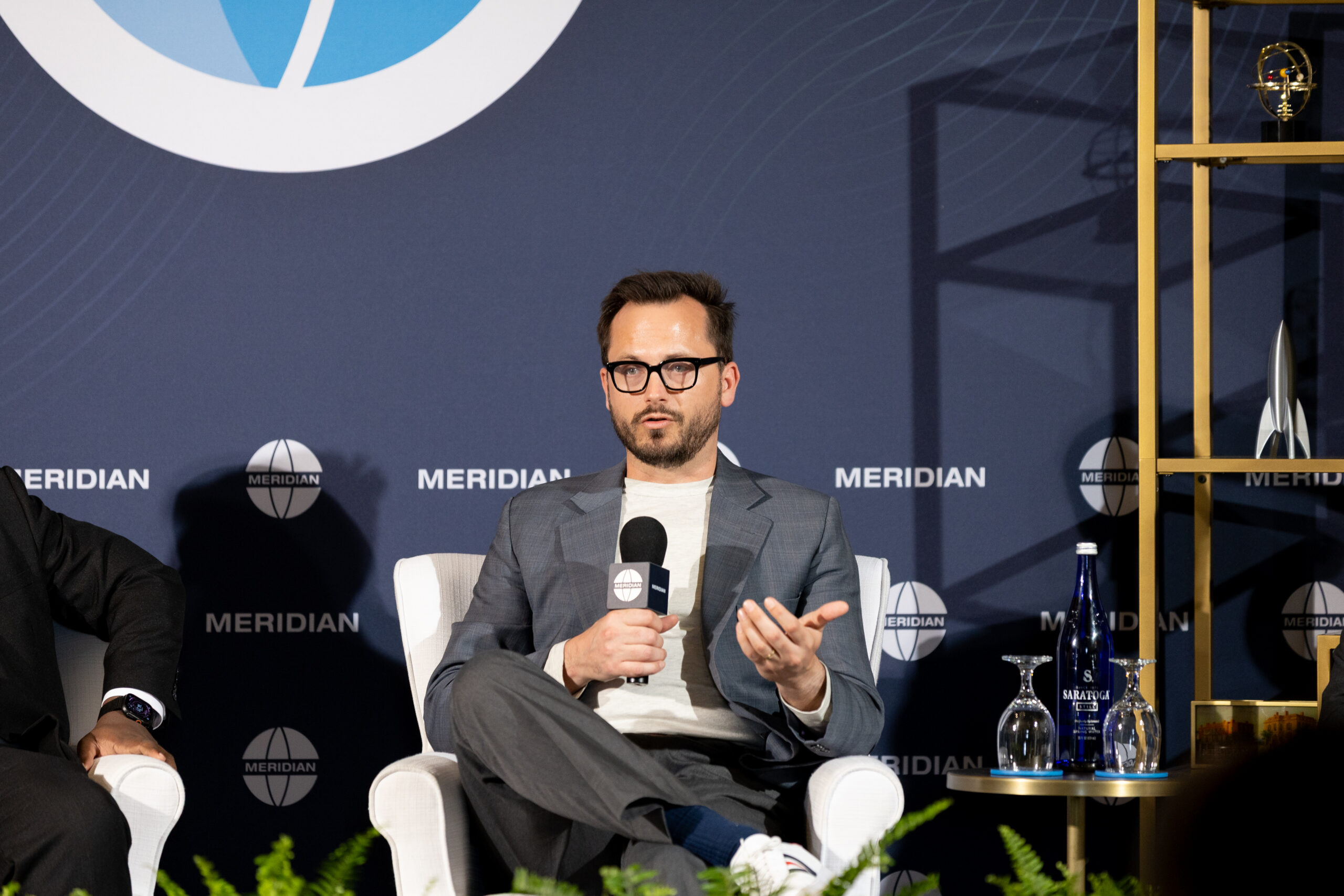
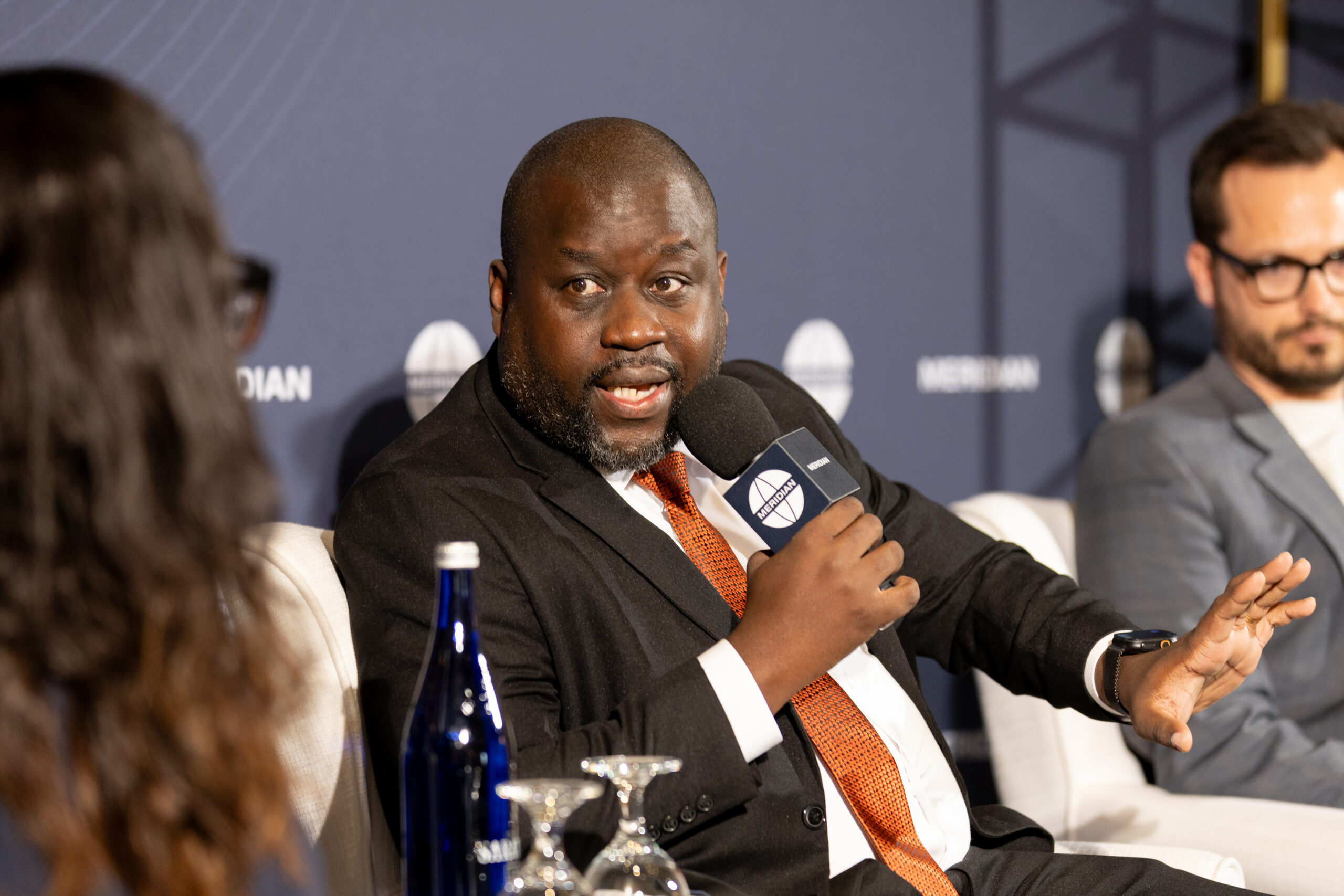
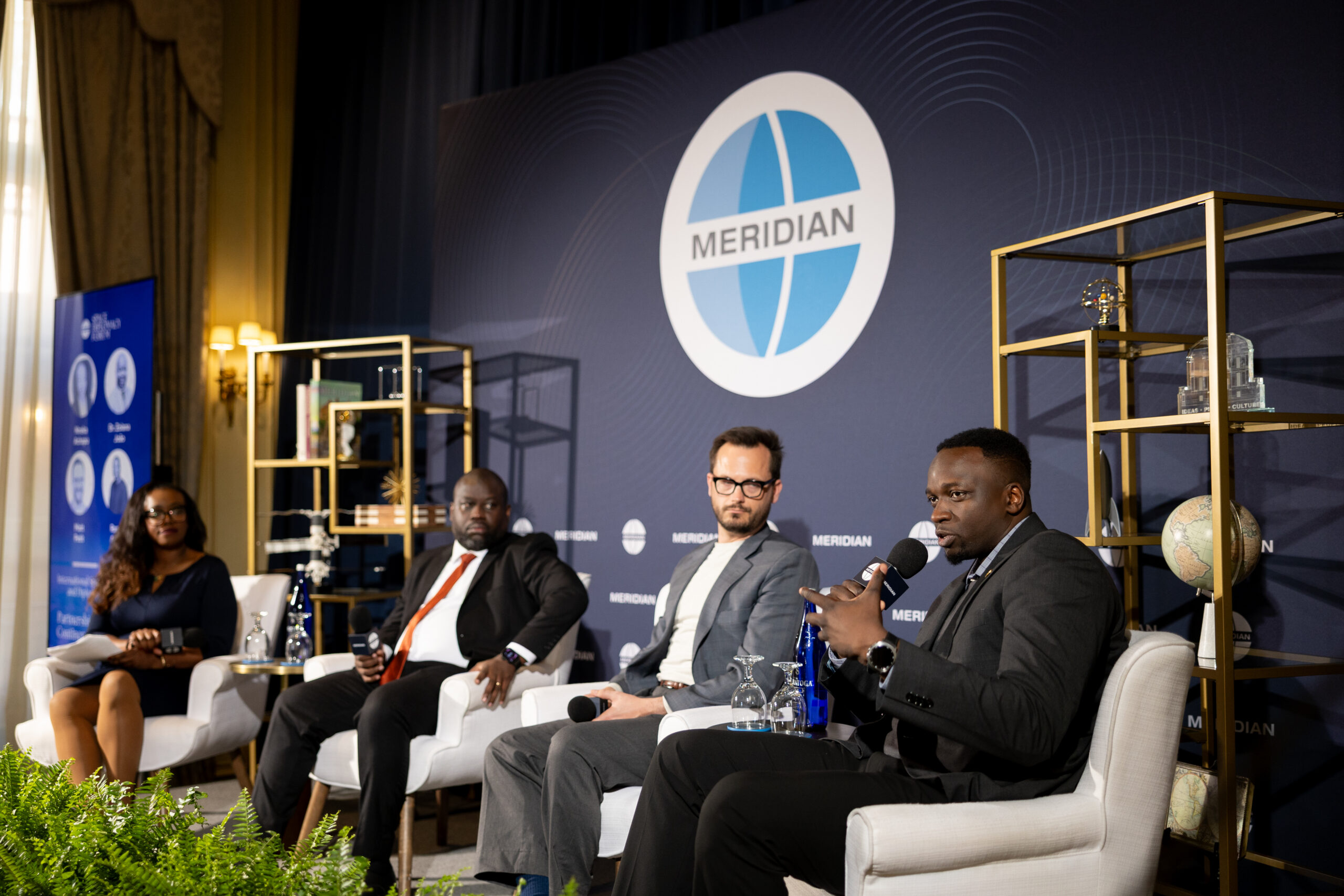
The panel, led by Nneka Achapu (CEO, Asha Strategies), brought together Rama Afullo (Founder and CEO, Satlyt), Dr. Zolana João (General Manager, National Space Program Management Office, Angola), and Matt Petit (Mission Lead, Vannevar Labs).
1. Focus on development reality, not abstract space capability
The conversation grounded the continent’s space priorities in immediate terrestrial and developmental pressures rather than abstract technological ambition. Space systems were consistently framed as tools for addressing structural challenges such as connectivity deficits, climate vulnerability, and resource management across rapidly growing populations. As Afullo emphasized, “getting folks to understand the repercussions of what space means to us here terrestrially is super important,” reinforcing that the value of space in the region is defined through lived socioeconomic outcomes. In this framing, space is not an emerging sector for its own sake, but infrastructure tied directly to development trajectories.
2. Africa is not a passive partner — but misalignment shapes how it is understood and engaged
A central tension in the discussion was not absence of partnership, but the difficulty of translating African priorities into shared operational understanding within global space systems. Speakers pointed to gaps in framing, assumptions, and institutional language that distort cooperation even when intent exists. As João noted, “the challenge why we don't have effective cooperations, we don't talk the same language, right?” This “language” gap reflects deeper asymmetries in how regional space priorities are interpreted, particularly when development-driven objectives are filtered through external policy or commercial frameworks that do not always map cleanly onto local realities.
3. Effective Engagement with Africa Requires Embedded Context, Not External Design Alone
Meaningful cooperation with the continent’s space actors requires more than policy alignment or programmatic interaction—it requires presence, context, and shared lived environments. Trust and operational understanding were described as emerging from sustained interaction across institutional and informal settings. As Matt Petit noted, “it’s great to talk about policy, but I think to speak the same language, we need to be in the same rooms, the same restaurants, and the same communities.” The emphasis here was on embedded collaboration mechanisms as a prerequisite for alignment, not a complement to it.
Across both panels, the discussion underscored Africa’s growing role in shaping the space economy through its development priorities, engagement models, and evolving partnerships. The central question moving forward is not participation, but how the structures of cooperation are being developed and defined.
As Achapu concluded: “The question is no longer whether Africa will be central to the space economy. It is on what terms, and with whom.”

Project summary
| International Space Cooperation and Diplomacy in Africa | March 2026 | |
|---|---|
| Program Areas: | Technology, Innovation, & Space |
