

Integrated Energy Planning for the Power and Petroleum Sectors
Project Objectives
- Strengthen energy security by examining U.S. strategies for diversification, including fossil fuels, renewables, critical minerals, and grid modernization.
- Understand regulatory frameworks at the federal, state, and local levels, with a focus on balancing economic growth, safeguards, and consumer protection.
- Explore innovation and technology adoption in areas such as AI applications, energy storage, waste-to-energy, and carbon capture.
- Highlight public-private collaboration as a driver of infrastructure development and cross-border energy trade.
- Support capacity-building for workforce development, policy alignment, and research collaboration.
Project Design
Washington, D.C.: Policy and governance were the focus, with briefings at the Department of Energy, FERC, and the U.S. Senate Energy Committee. Visitors explored U.S. federalism, legislative processes, and priorities such as AI in energy, critical minerals, and trade.
Pennsylvania: In Harrisburg and Pittsburgh, participants examined state-level regulation, workforce development, and research innovation. Highlights included meetings with representatives from leading institutions and site visits to the Energy Innovation Center and a local battery regeneration company.
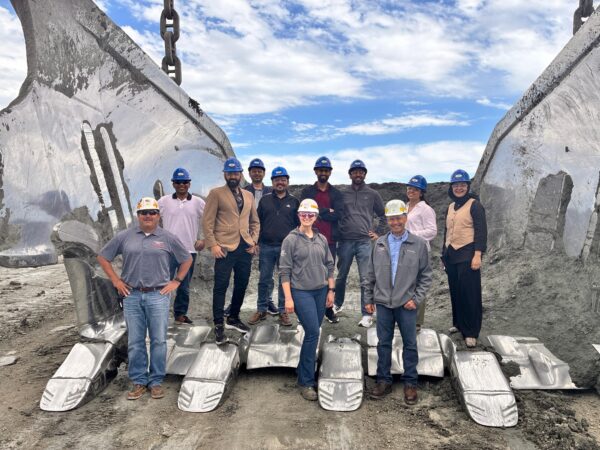
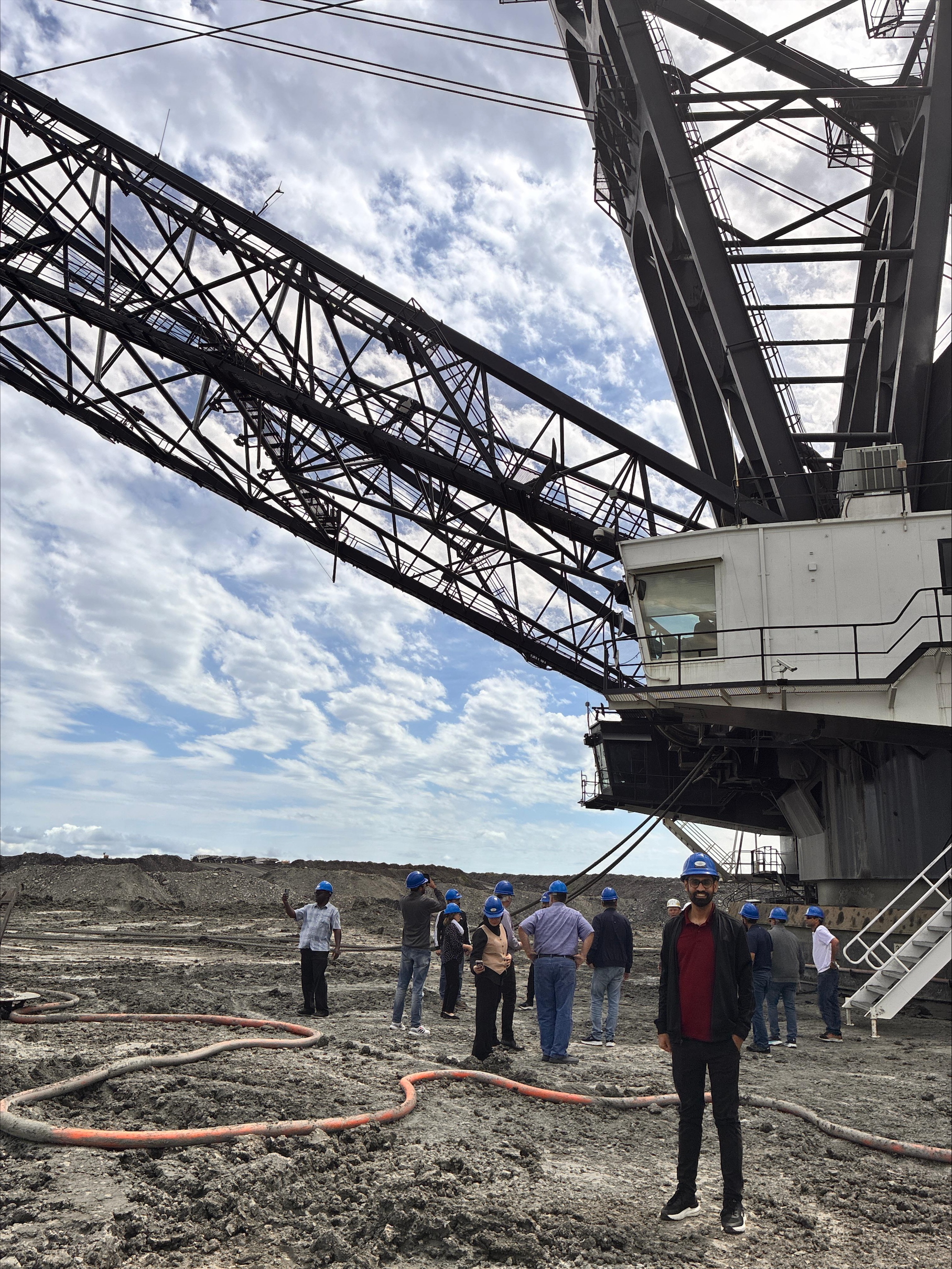
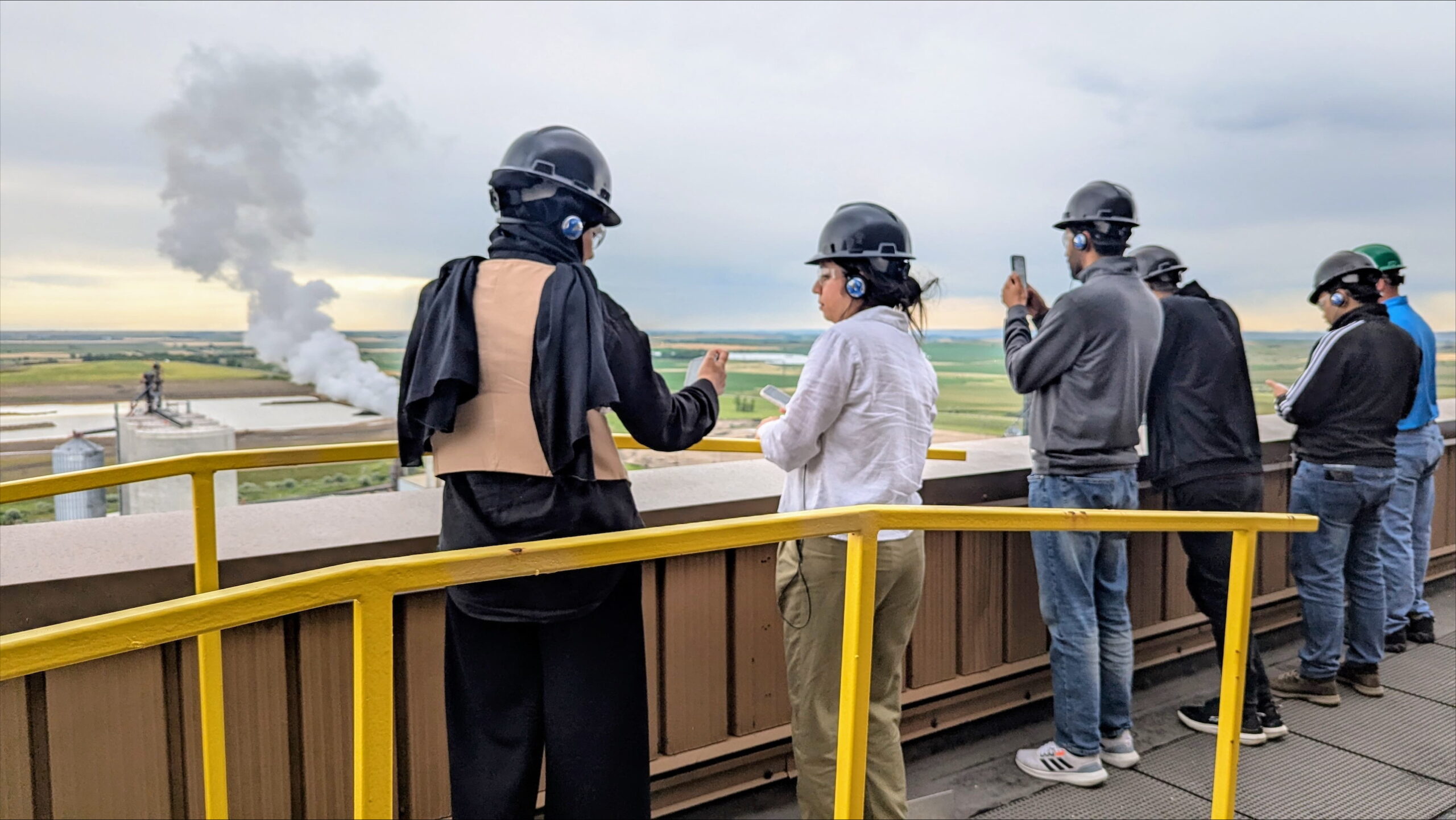
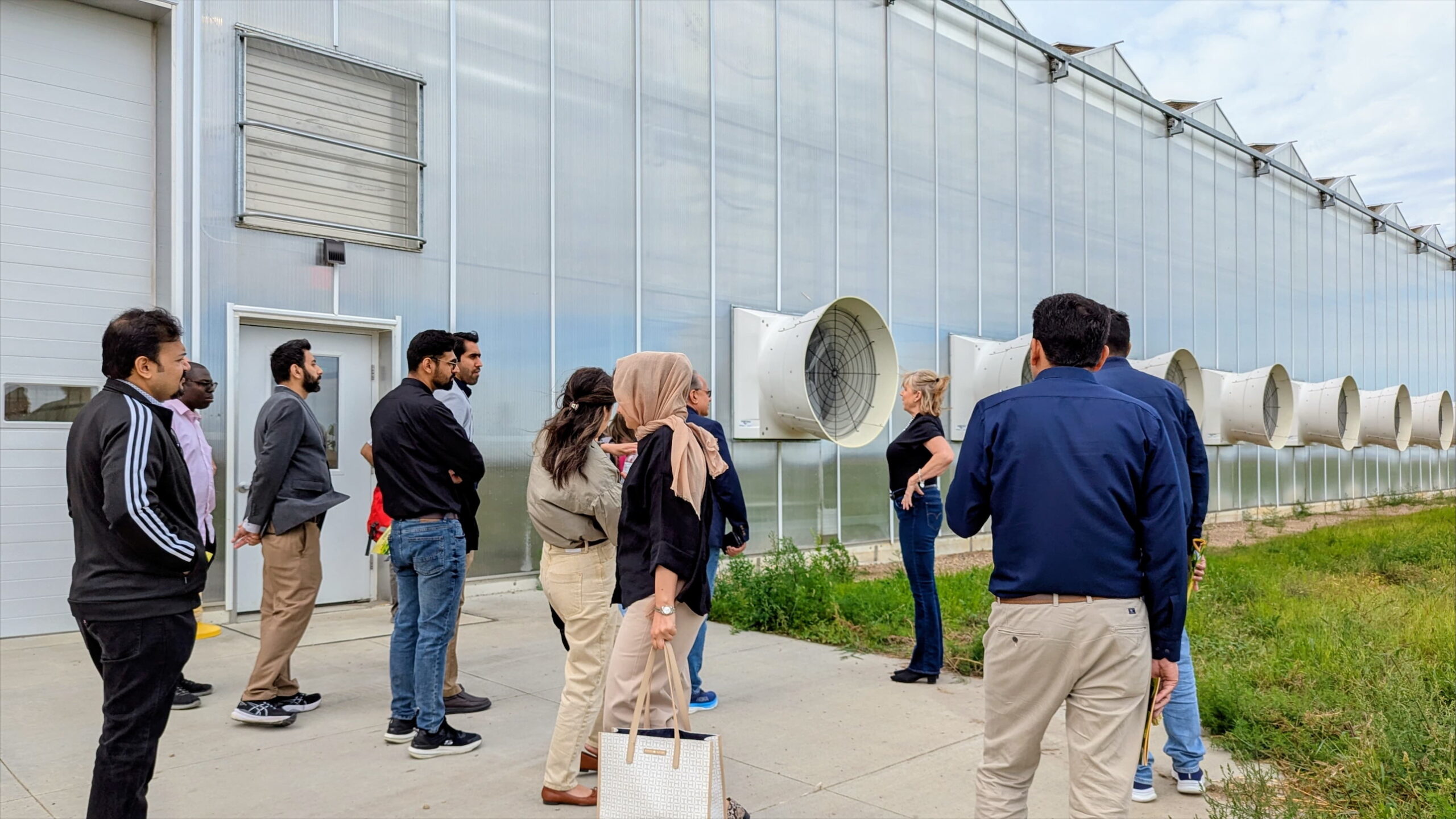
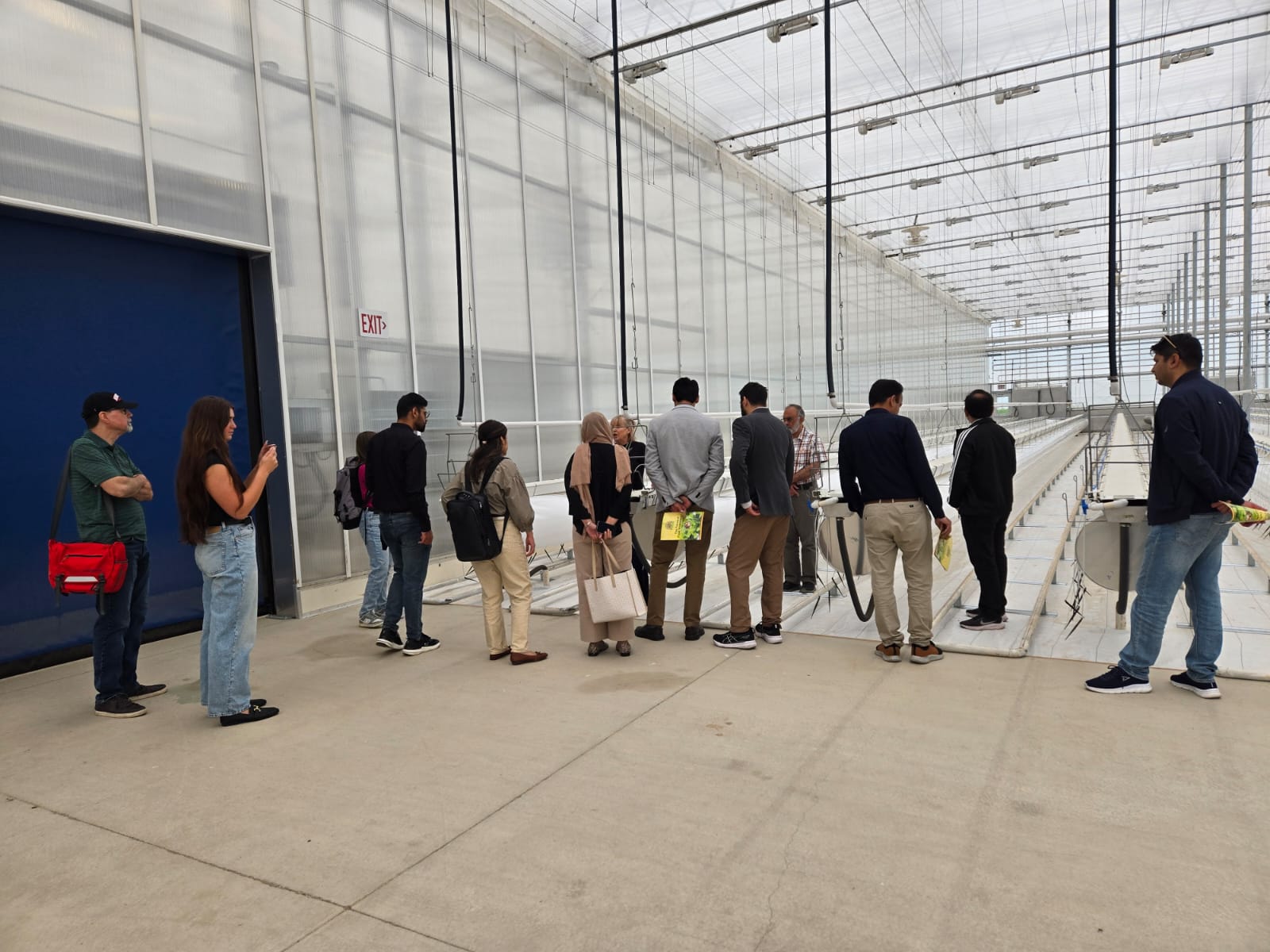
North Dakota: A case study in resource management, with tours of coal-fired plants, lignite mines, and carbon capture projects. Engagements with state agencies and tribal-led initiatives such as Native Green Grow demonstrated practical solutions for energy diversification and flared gas utilization.
Oklahoma: Participants explored the intersection of private-sector investment, exports, and infrastructure integration. From waste-to-energy facilities and petroleum research labs to hydroelectric generation and pipeline logistics, Oklahoma offered insights into the global market dimensions of U.S. energy strategy.
Impact and Next Steps
- Develop policy recommendations for integrated energy planning, drawing from U.S. models of cross-sector collaboration.
- Pilot waste-to-energy and flared gas recovery initiatives inspired by U.S. examples.
- Expand research partnerships with American universities on AI and grid modernization.
- Share best practices with government colleagues and industry networks to promote energy efficiency.
Project summary
| Integrated Energy Planning for the Power and Petroleum Sectors | |
|---|---|
| Regions: | South and Central Asia |
| Countries: | Pakistan |
| Impact Areas: | Energy |
| Program Areas: | Global Leadership |