

Host City Diplomacy: Harnessing Mega Events for Global Impact
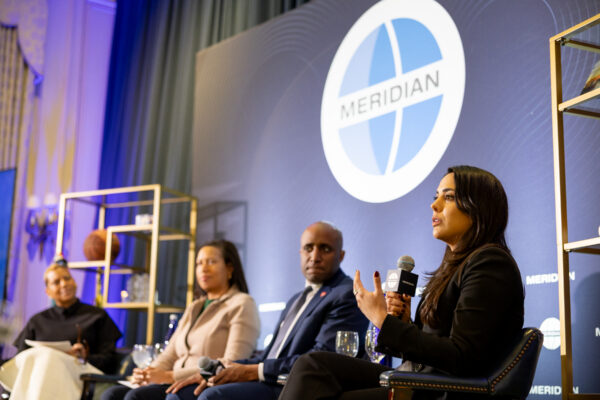
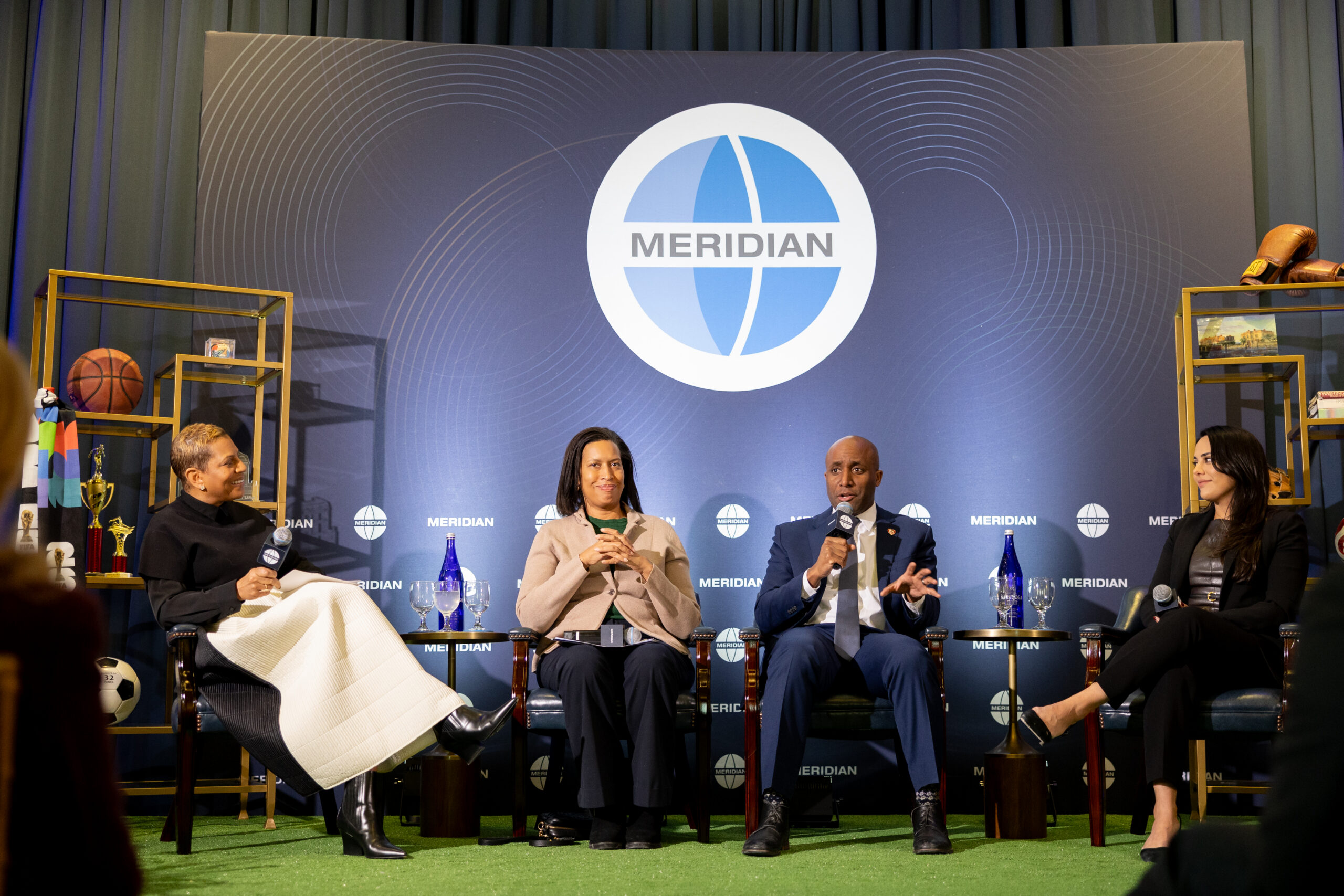
From mega-events like the FIFA World Cup and Olympic Games to professional leagues, stadium investments, and community tournaments, cities are increasingly positioning sports as a powerful bridge to the world. This panel, convened by Meridian International Center, examined how local leaders are leveraging sport at a moment of geopolitical uncertainty—transforming sporting platforms into engines for economic growth, global visibility, and cultural connection, and elevating cities as active players in international engagement.
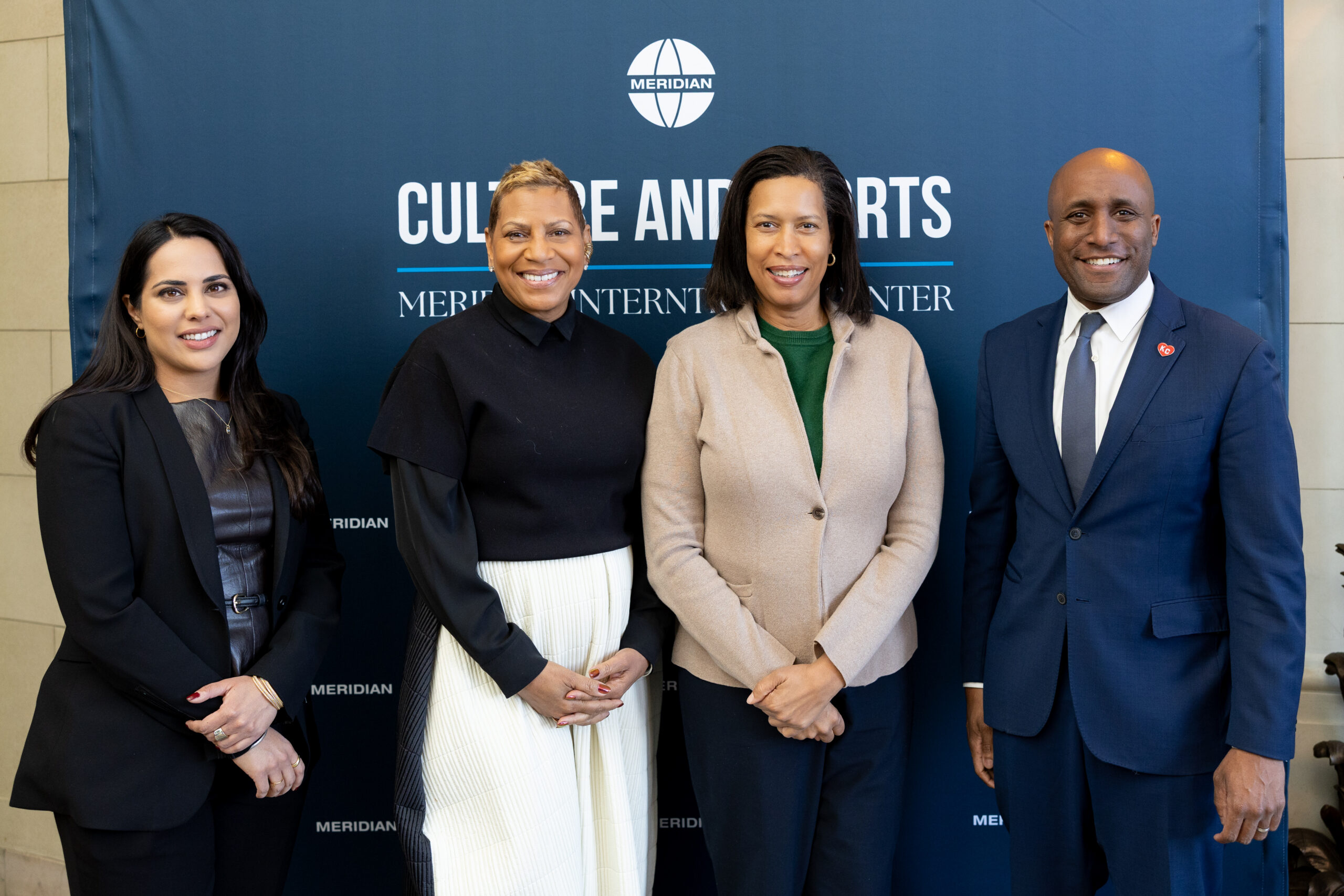
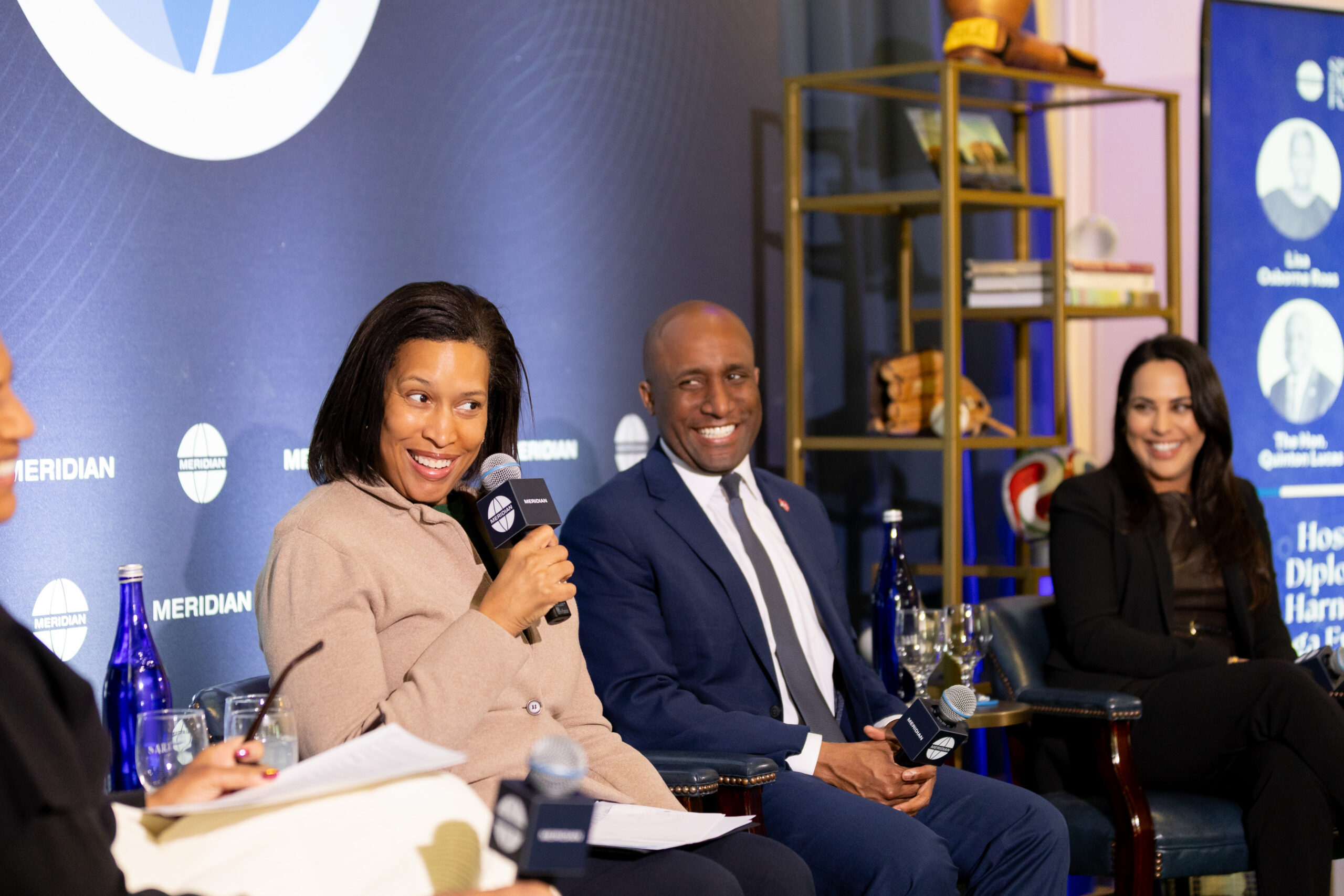
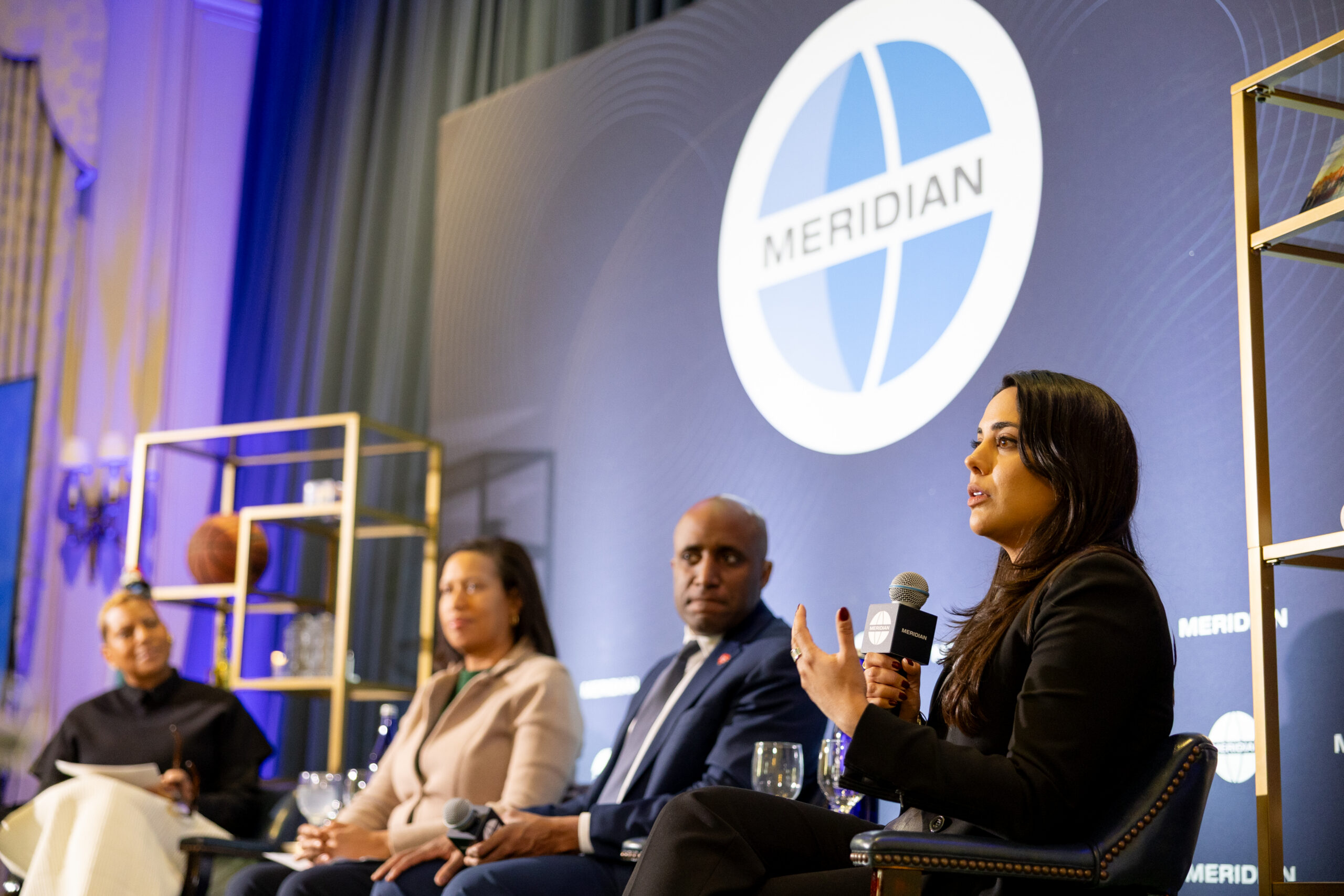
In a conversation moderated by Lisa Osborne Ross, Meridian International Center Trustee and former U.S. CEO of Edelman, with The Honorable Muriel Bowser, Mayor of Washington, District of Columbia, The Honorable Quinton Lucas, Mayor of Kansas City, and Dilpreet Sidhu, Deputy Mayor of International Affairs in Los Angeles, the panel explored how sports diplomacy creates neutral ground for dialogue, attracts global talent and investment, and leaves enduring local legacies that extend well beyond the final whistle.
Here Were the Top Takeaways from the Program:
1. Global Sporting Events Strengthen Cities
Global sporting events serve as force multipliers for cities seeking to expand their international footprint. As Mayor Muriel Bowser emphasized, cities today operate not only as economic engines but also as diplomatic actors—engaging peer cities, capital regions, and global partners through culture, commerce, and sport. Hosting major competitions allows cities to convene international audiences in accessible, celebratory, and largely apolitical environments, creating space for relationship-building that complements traditional diplomacy.
From soccer stadiums hosting international matches to professional franchises attracting global talent, sporting platforms help cities project openness, innovation, and global relevance while advancing trade, tourism, and cultural exchange simultaneously. Cities like Washington, D.C., have intentionally embraced this role, conducting more than a dozen international delegations across Europe, Africa, and Asia to attract investment and deepen global relationships. Sporting events amplify these efforts by bringing international talent, businesses, and visitors directly into local communities, reinforcing cities as frontline actors in global engagement.
2. Elevate Cities Locally, Nationally, and Globally
During the FIFA World Cup and Olympic Games, the world will experience America through its cities. Mayors become global ambassadors, leveraging sports to elevate their cities’ identities and values at the local, national, and global levels. Mayor Bowser described Washington, DC’s deliberate strategy to position itself locally as a vibrant cultural hub, nationally as the nation’s capital, and globally as a welcoming crossroads of diplomacy and sport. Mayor Quinton Lucas echoed this perspective, noting that sports branding transcends city size, allowing places like Kansas City to showcase community pride and creativity on the world stage. Whether through globally recognizable teams, marquee events, or cultural storytelling tied to sport, cities use these moments to define how residents see themselves and how the world experiences them.
3. Strategic Global Visibility and Branding
Major sporting events provide cities with strategic visibility, helping shape global narratives at moments when international attention is heightened. As Mayor Lucas noted, sports function as a unifying language, positioning cities as entry points for international audiences to connect with America’s brand. Furthermore, global sports engagements create positive, human-centered connections that help bridge divides, often independent of national political climates, as these moments provide global access to regional venues, skylines, music, food, innovation, and lived community experiences.
Deputy Mayor Dilpreet Sidhu reinforced that while sports may feel universal, they unfold within complicated geopolitical contexts—making host cities responsible stewards of both storytelling and values. Los Angeles, preparing to host the Olympic Games for the third time, is leaning into its identity as a global storyteller.
4. Public-Private Partnerships in Sports
Delivering global sporting events requires deep collaboration across public, private, and civic sectors. Mayor Lucas underscored that successful bids and executions cannot rely solely on political leadership or team ownership. Rather, they depend on long-term coordination with businesses, cultural institutions, infrastructure partners, the hospitality industry, and regional stakeholders. From airport modernization and hotel development to transportation planning and workforce readiness, cities must align economic strategy with event ambitions in advance.
The upcoming FIFA World Cup illustrates how cities can move beyond individual visions to build coordinated, responsible partnerships across industries and cultural sectors. These partnerships also ensure broader community buy-in, helping translate short-term excitement into sustained economic and social value that benefits residents well beyond the event itself.
5. Beyond the Event: Infrastructure, Collaboration, and Planning
Perhaps most critical is what happens after the final whistle. True success is measured by lasting community impact. Deputy Mayor Sidhu highlighted Los Angeles’ “no-build” Olympic approach—leveraging existing infrastructure and sharing venues regionally. Lessons from Paris, Tokyo, and other prior host cities underscore the importance of early planning, regional cooperation, and knowledge-sharing across cities and continents. Deputy Mayor Sidhu shared how Los Angeles has actively collaborated with Paris, Brisbane, and Oklahoma City—sharing lessons, signing MOUs, and distributing economic opportunities across regions. With projections estimating up to $18 billion in economic activity from the 2028 Games, thoughtful planning ensures shared benefits and long-term returns. Mayor Bowser added that even unsuccessful bids offer valuable insights, revealing gaps in housing, transportation, and regional coordination that inform future investments.
Project summary
| Host City Diplomacy: Harnessing Mega Events for Global Impact | January 2026 | |
|---|---|
| Program Areas: | Sports and Culture |
