

Guardian of Antiquity: A Conversation with Dr. Zahi Hawass
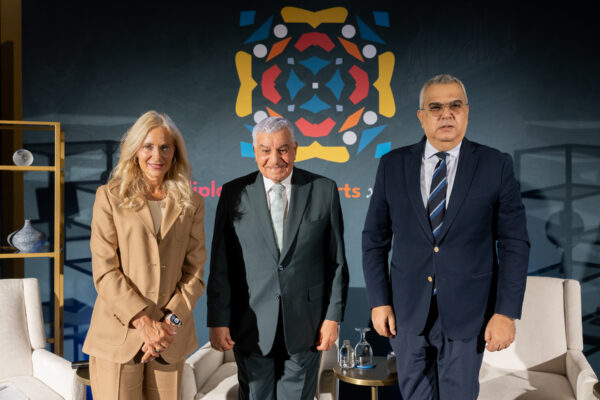
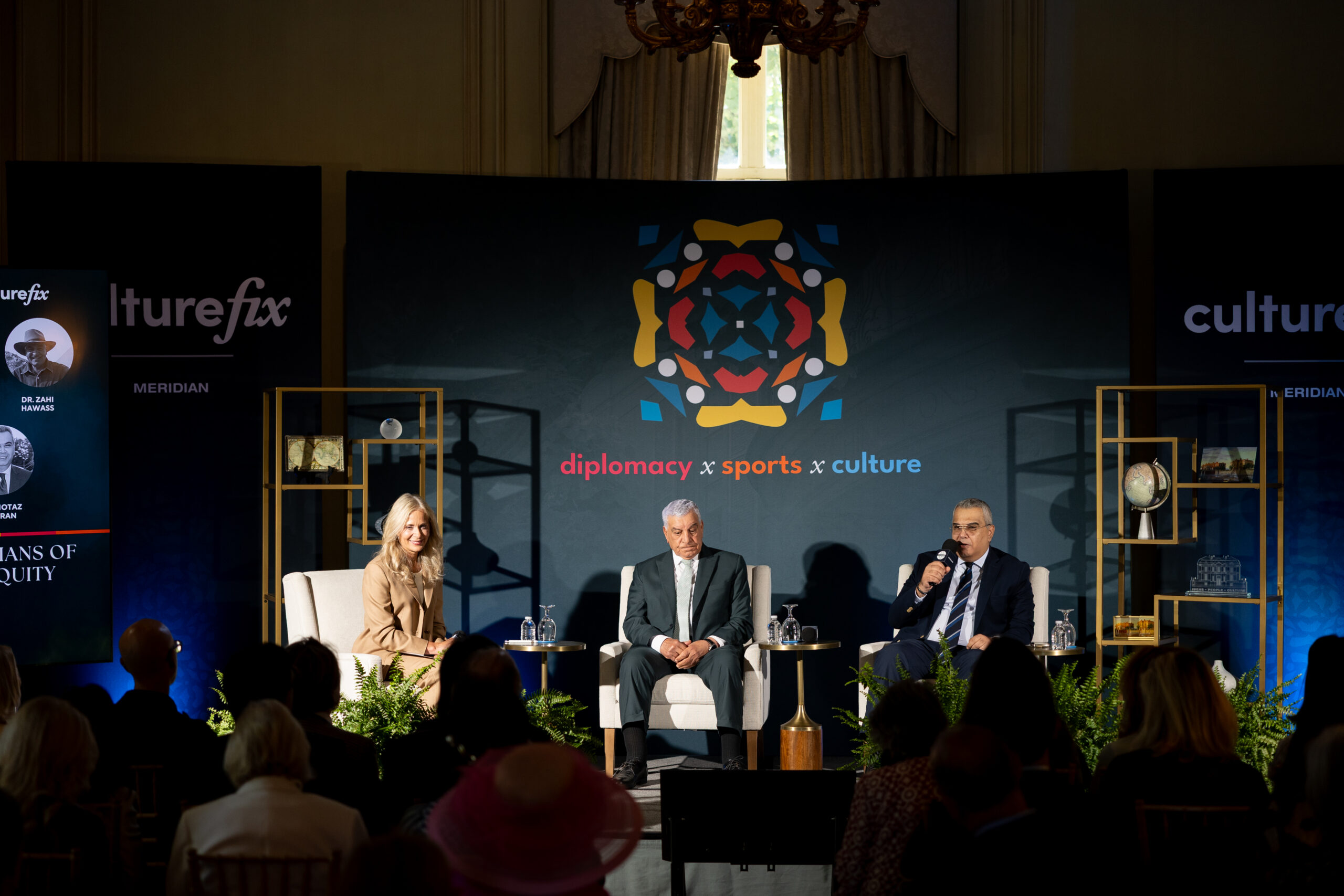
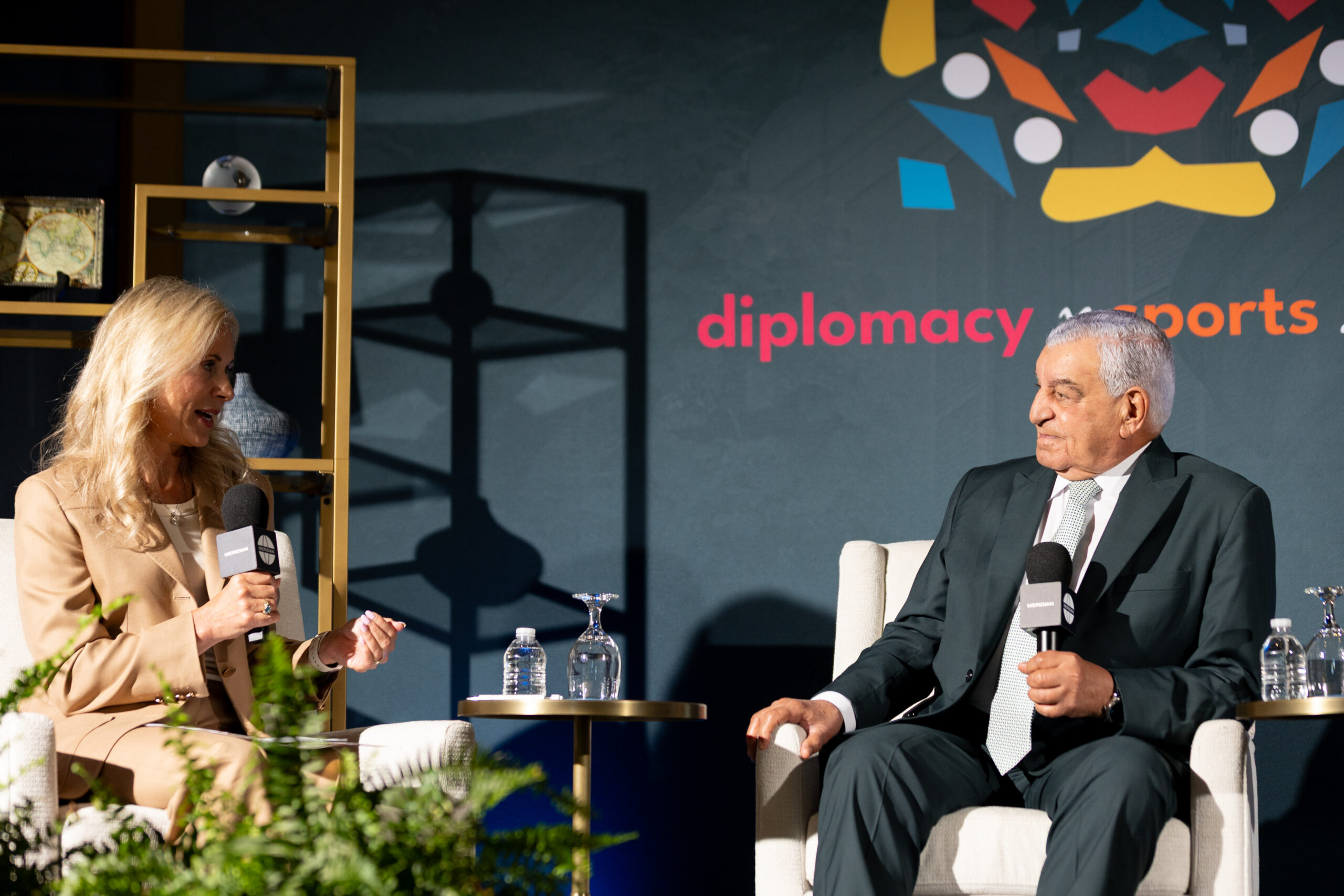
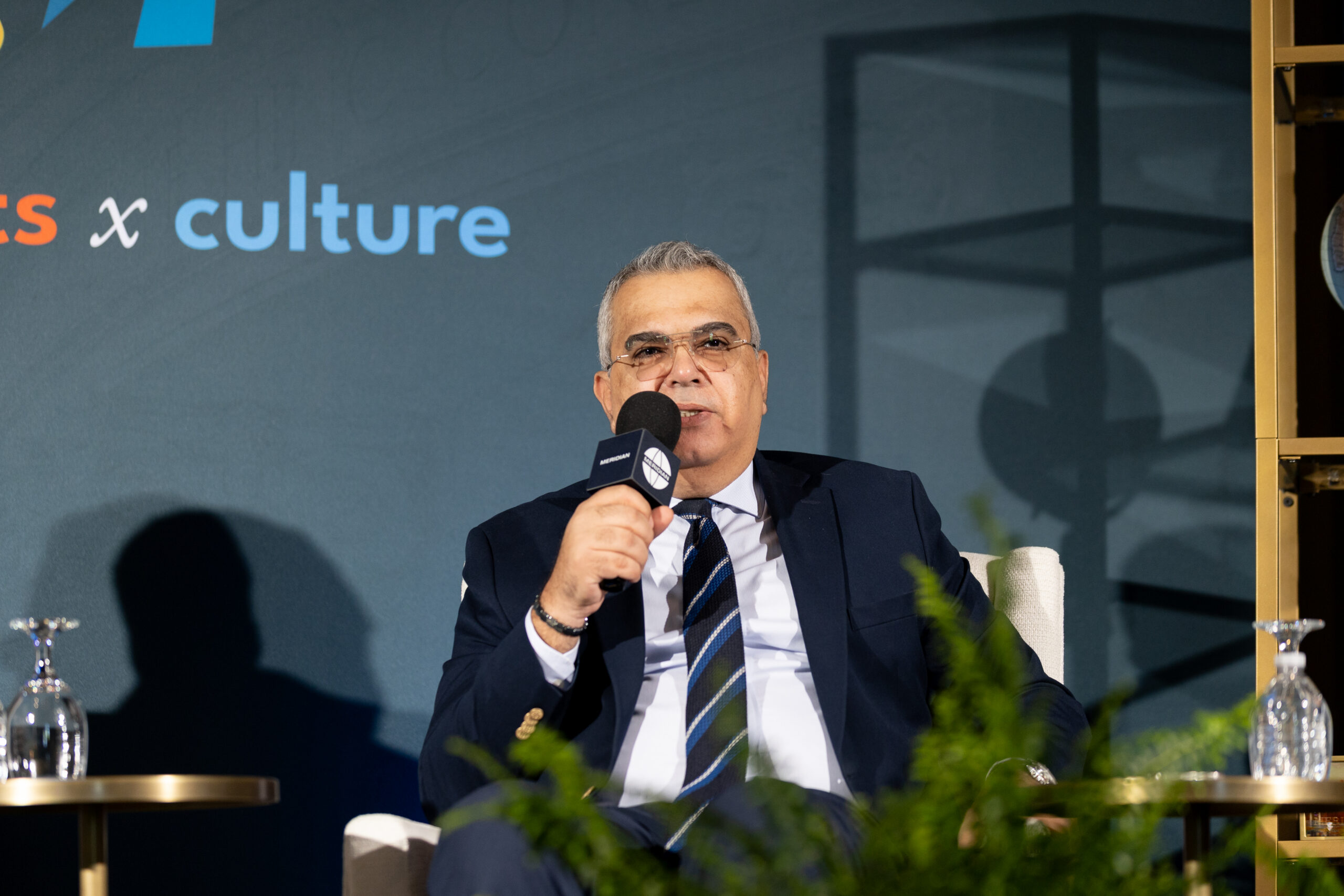
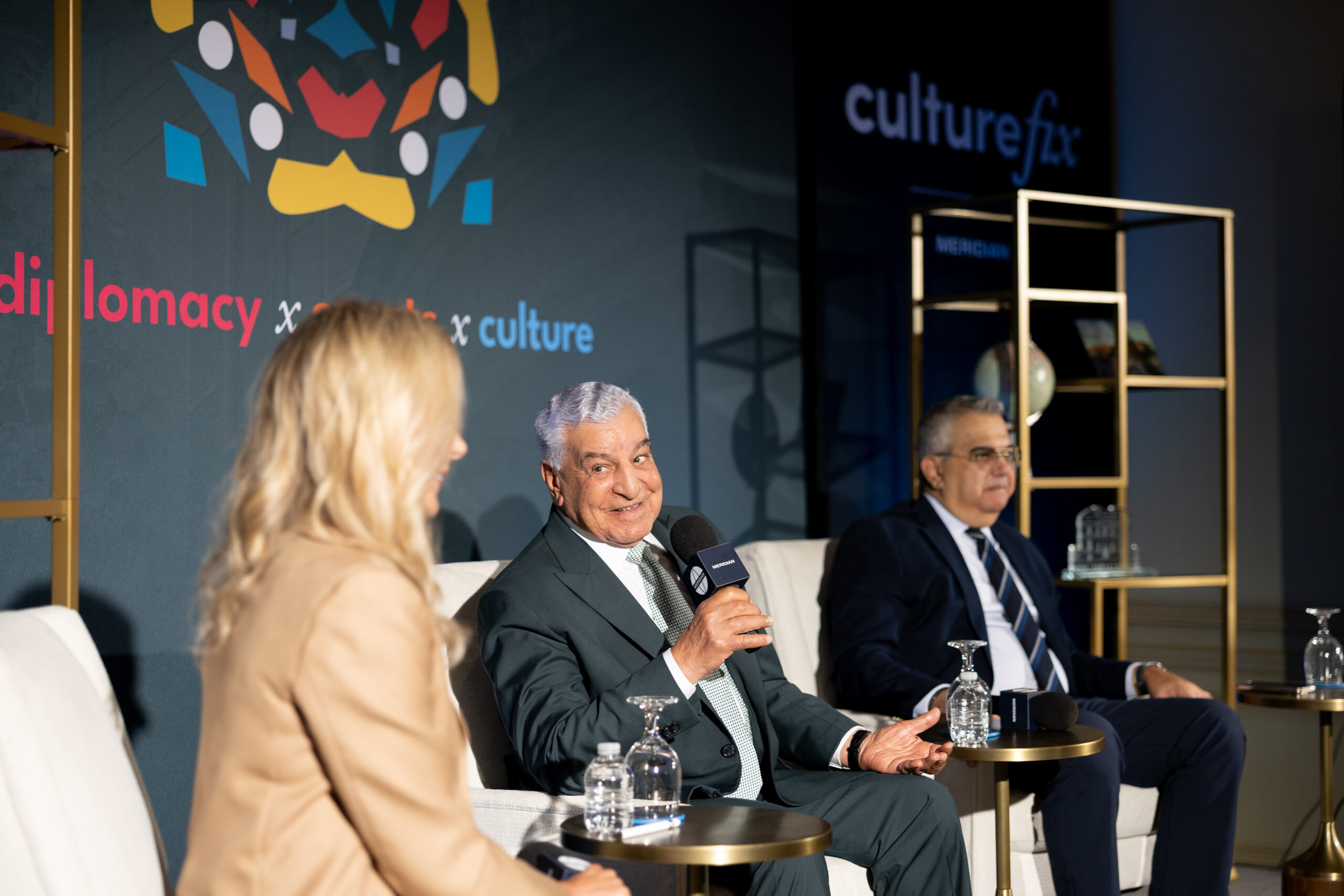
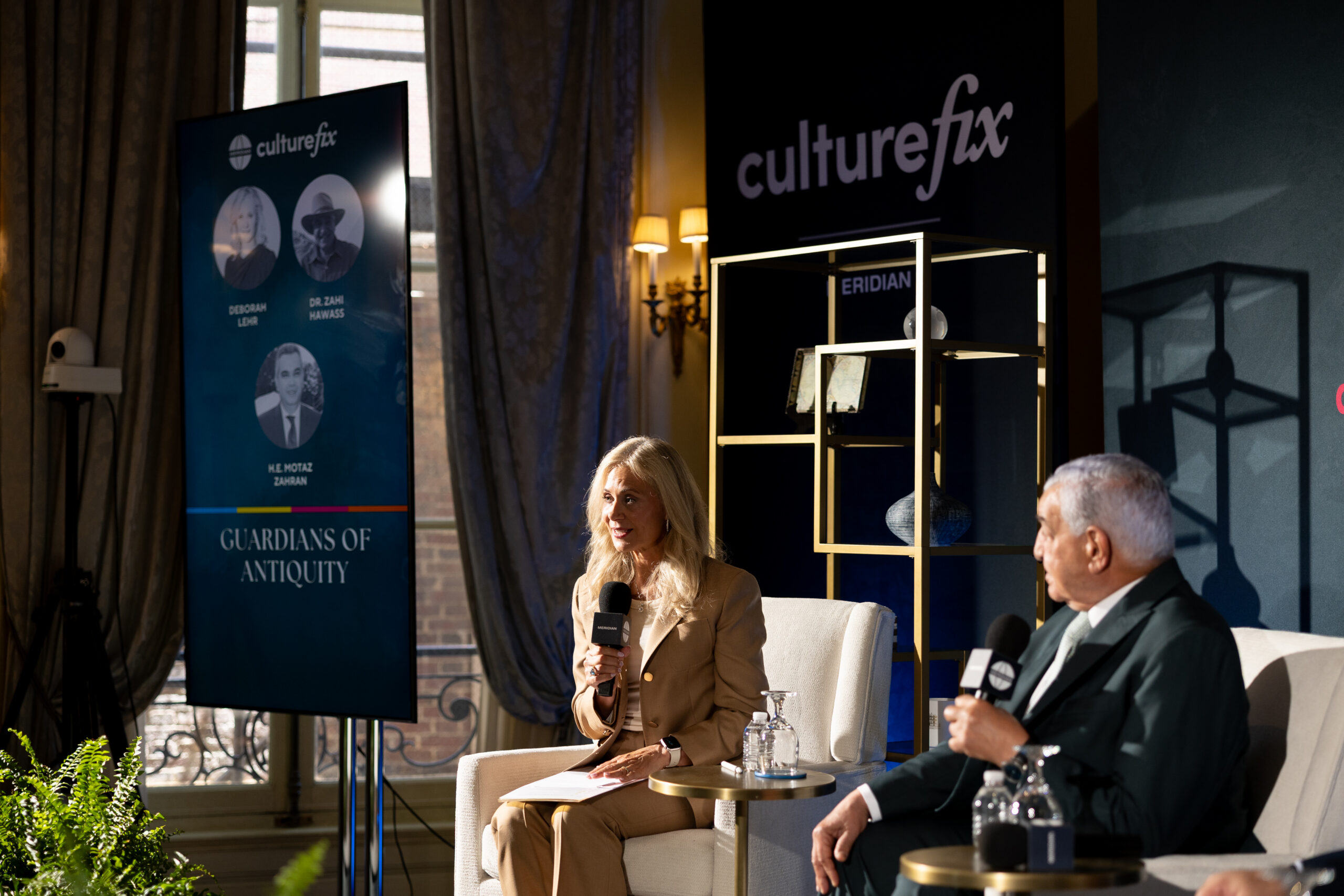
For thousands of years, Egypt's monuments, artifacts, and archaeological discoveries have captivated audiences around the world. Beyond their historical significance, these treasures continue to influence diplomacy, tourism, education, and international cooperation. In a conversation with renowned Egyptologist Dr. Zahi Hawass, Chair of Meridian’s Board of Trustees Deborah Lehr, and Ambassador of Egypt to the United States Motaz Zahran, examined how archaeology serves as a powerful tool of cultural diplomacy, why protecting heritage remains a global responsibility, and how the stories of the past continue to shape the future.
Here are the top takeaways:
1. Cultural Heritage Is One of a Nation's Most Powerful Diplomatic Assets
Egypt's ancient civilization remains one of the most recognizable cultural legacies in the world, creating connections that transcend geography, politics, and language. Ambassador Zahran emphasized that cultural diplomacy and traditional diplomacy are deeply intertwined, serving as bridges between people and civilizations.
2. Archaeology Is About More Than Discovery—It's About Storytelling
Artifacts do more than reveal facts about the past; they help societies understand who they are and where they came from. Throughout his career, Dr. Hawass has worked to make archaeology accessible to global audiences, demonstrating that ancient artifacts carry stories about identity, leadership, innovation, and human achievement. Preserving and sharing those stories allows history to remain relevant for future generations rather than confined to museums and textbooks.
3. The Debate Over Cultural Heritage Is Increasingly Global
Questions surrounding the ownership, return, and stewardship of cultural artifacts have become central issues in international cultural policy. As discussions about repatriation continue around the world, governments, museums, and cultural institutions face growing pressure to balance preservation, accessibility, and historical accountability. The panel highlighted that these conversations are ultimately about more than objects—they are about identity, belonging, and how nations tell their own stories.
4. Protecting Antiquities Requires International Cooperation
Ancient sites face growing threats from conflict, looting, environmental pressures, and illicit trafficking. Protecting these irreplaceable resources requires collaboration among governments, museums, researchers, and international organizations. Cultural heritage is not solely a national responsibility; it represents a shared human legacy whose preservation depends on sustained global partnerships and collective action.
5. Guardians of Antiquity Help Shape the Future, Not Just Preserve the Past
The role of archaeologists, historians, and cultural leaders extends far beyond excavation and conservation. By safeguarding heritage and sharing it with global audiences, they help strengthen national identity, promote cross-cultural understanding, and inspire future generations. The panel underscored that preserving the past is ultimately an investment in the future—one that enables societies to better understand themselves and one another.
Project summary
| Guardian of Antiquity: A Conversation with Dr. Zahi Hawass | June 2027 | |
|---|---|
| Program Areas: | Sports and Culture |
