

Global Business Briefing with His Excellency Javier Martínez-Acha, Minister of Foreign Affairs, Republic of Panama
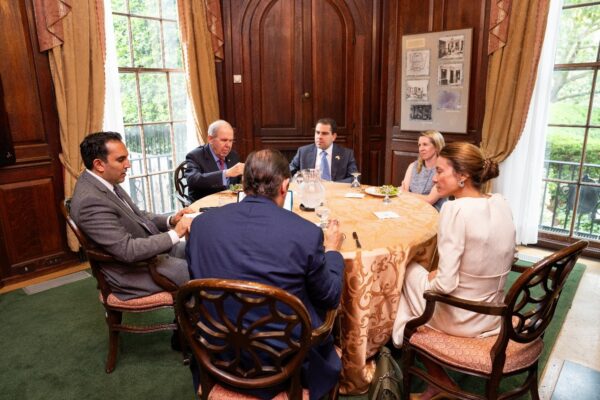
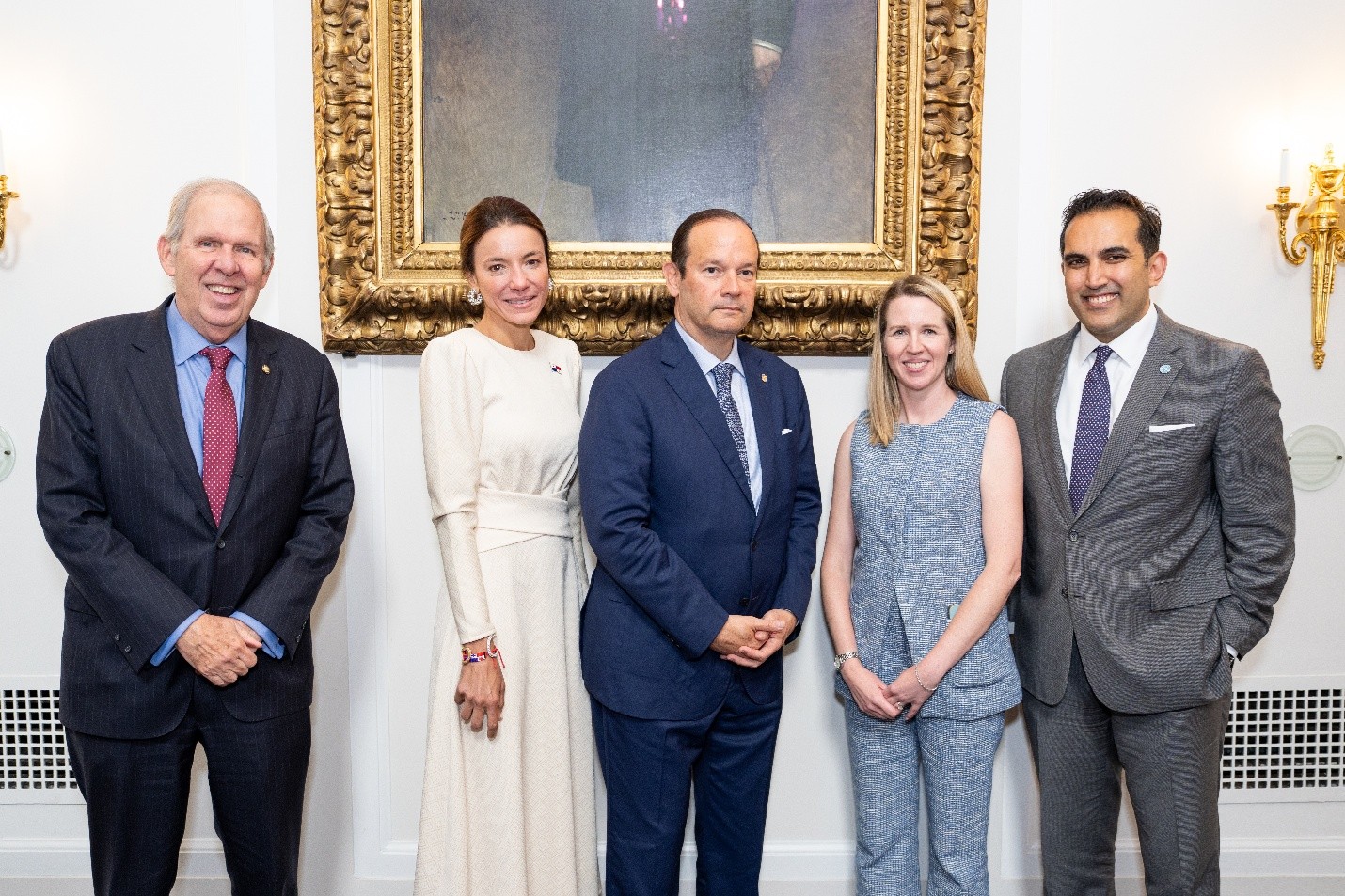
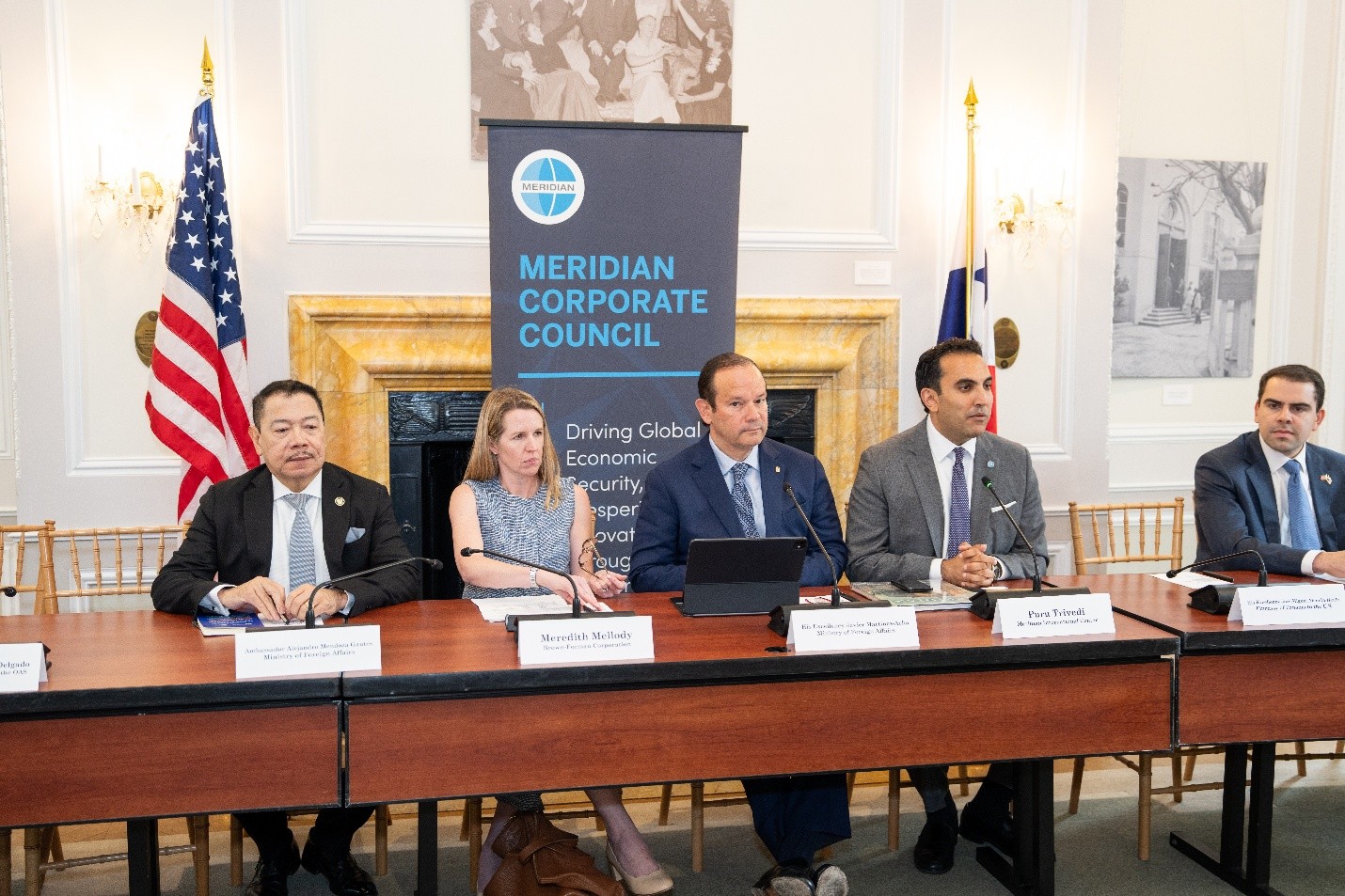
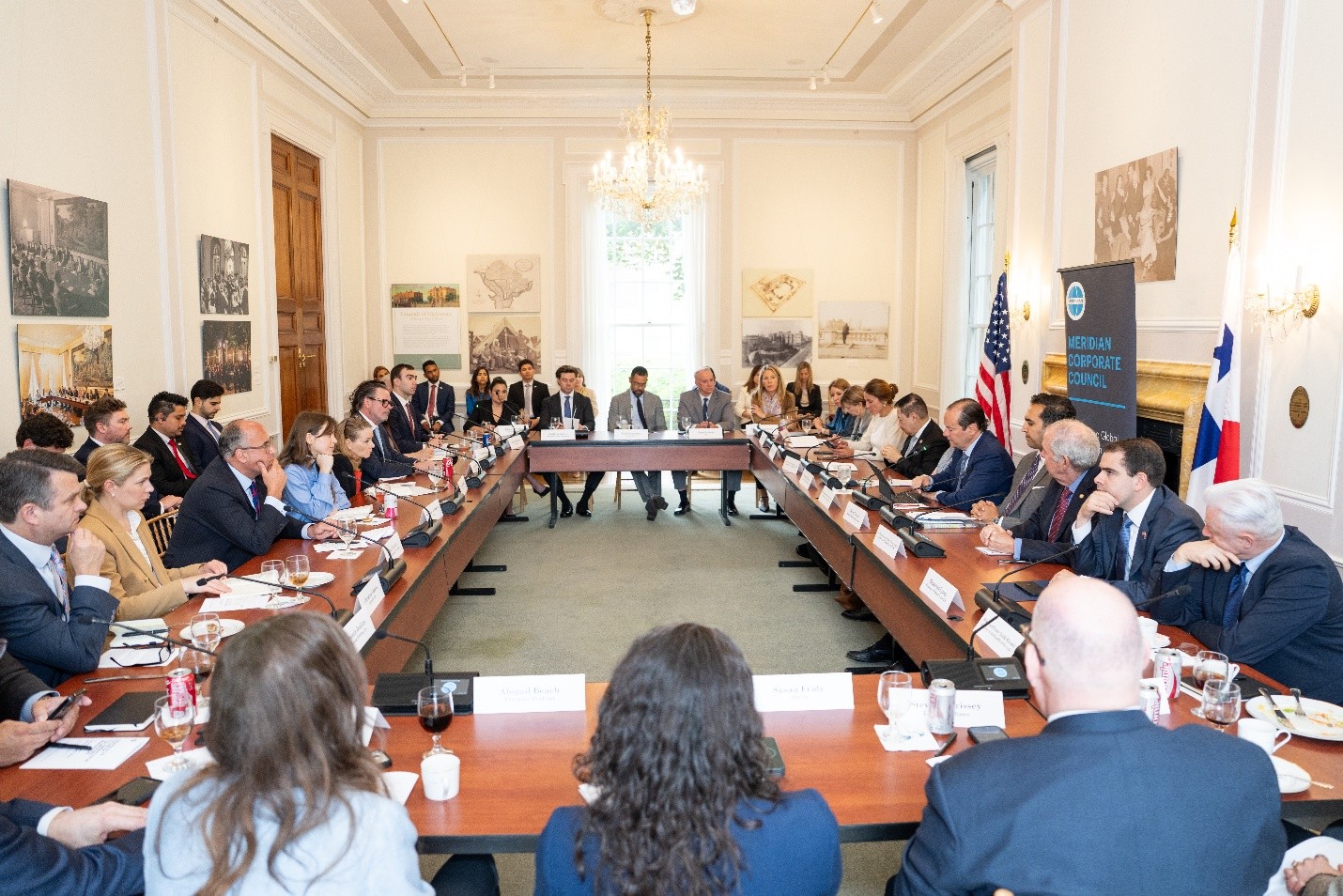
As governments and companies reassess supply chains, digital infrastructure, and regional partnerships across the Americas, Panama is positioning itself not simply as a transit corridor, but as a strategic platform for trade, investment, logistics, and digital connectivity in the Western Hemisphere. Ahead of the upcoming OAS General Assembly in Panama City, Meridian International Center convened a Global Business Briefing with His Excellency Javier Martínez-Acha, Minister of Foreign Affairs of the Republic of Panama, to discuss Panama’s vision for regional integration, economic competitiveness, and private sector partnership.
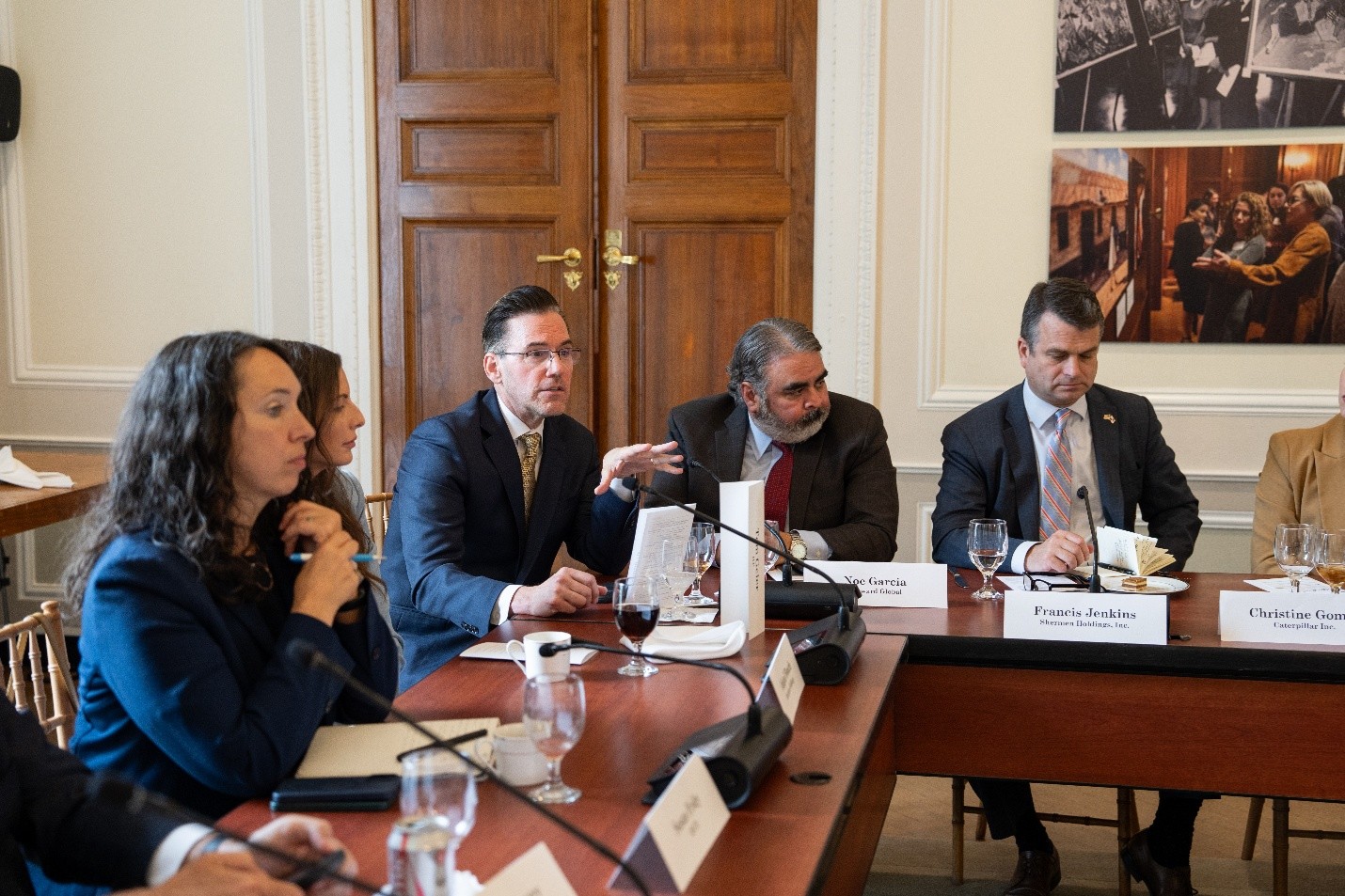
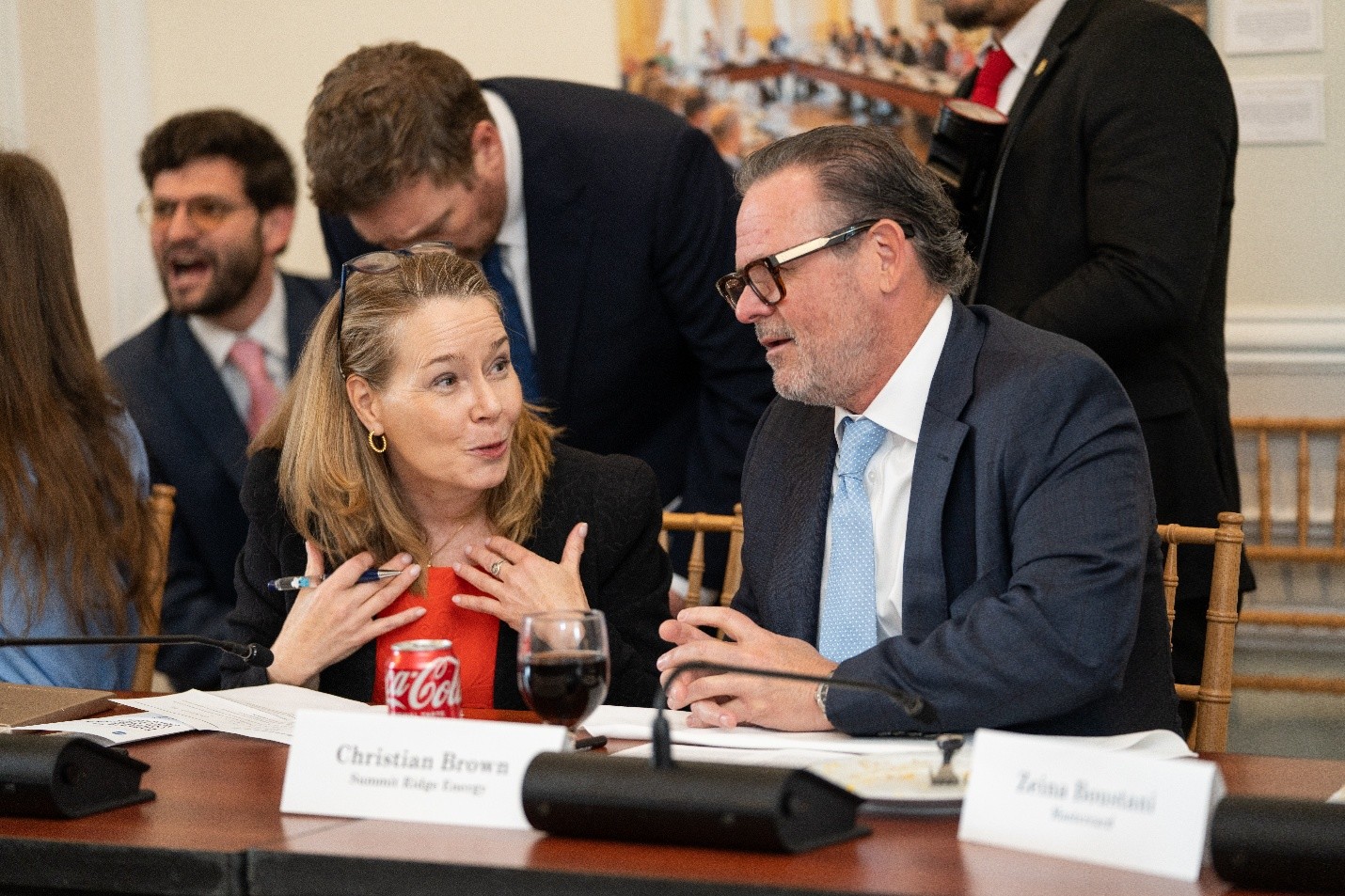
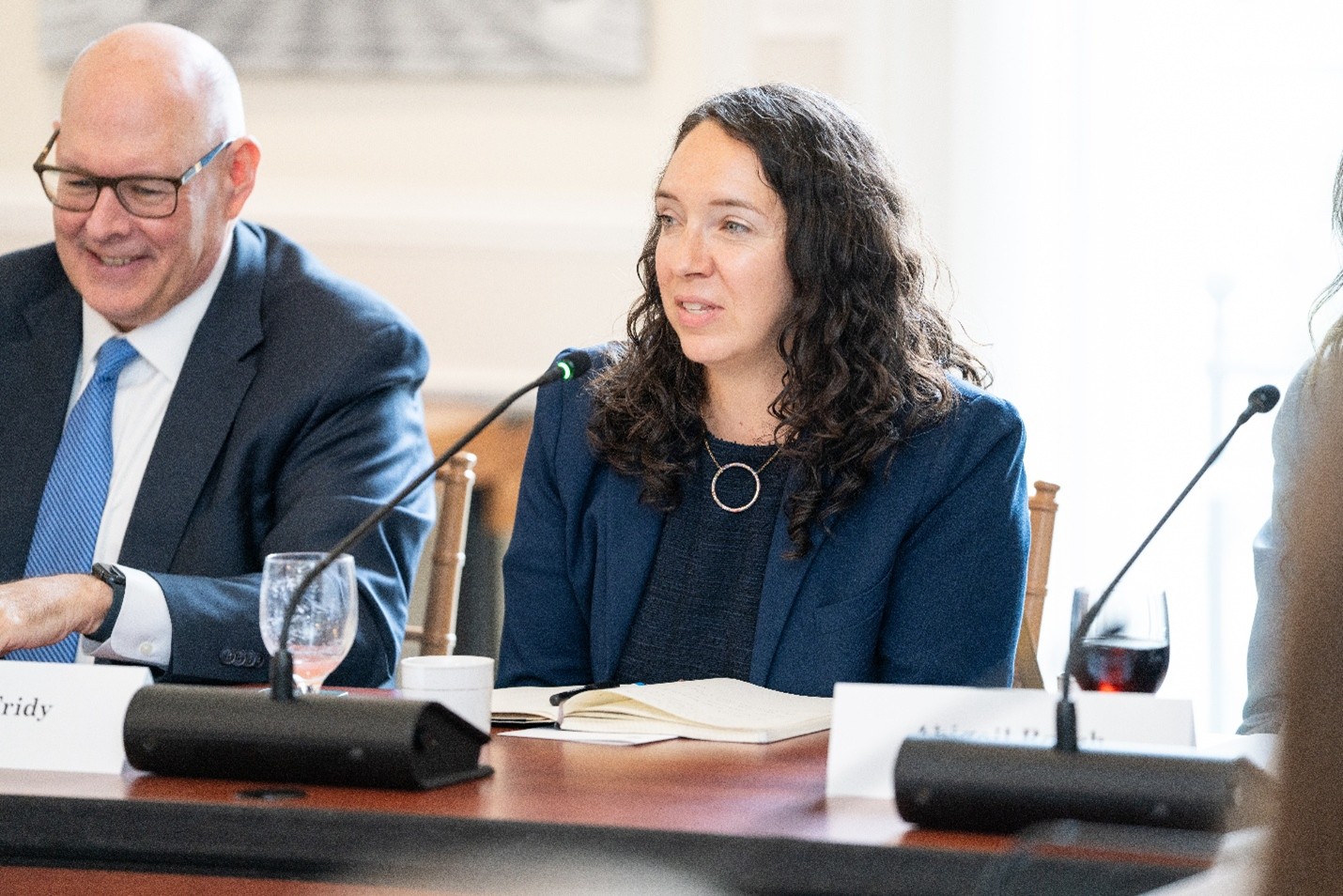
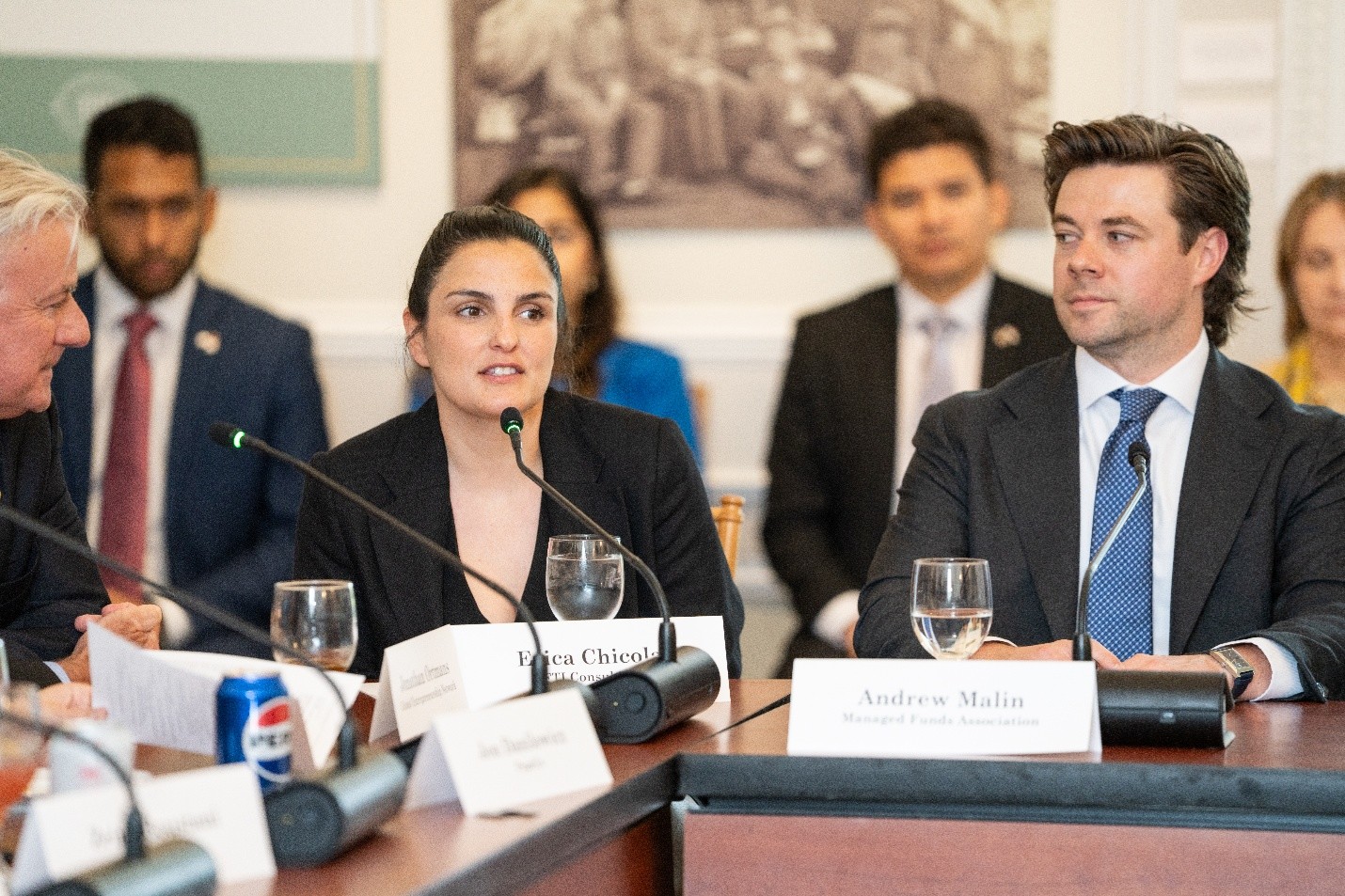
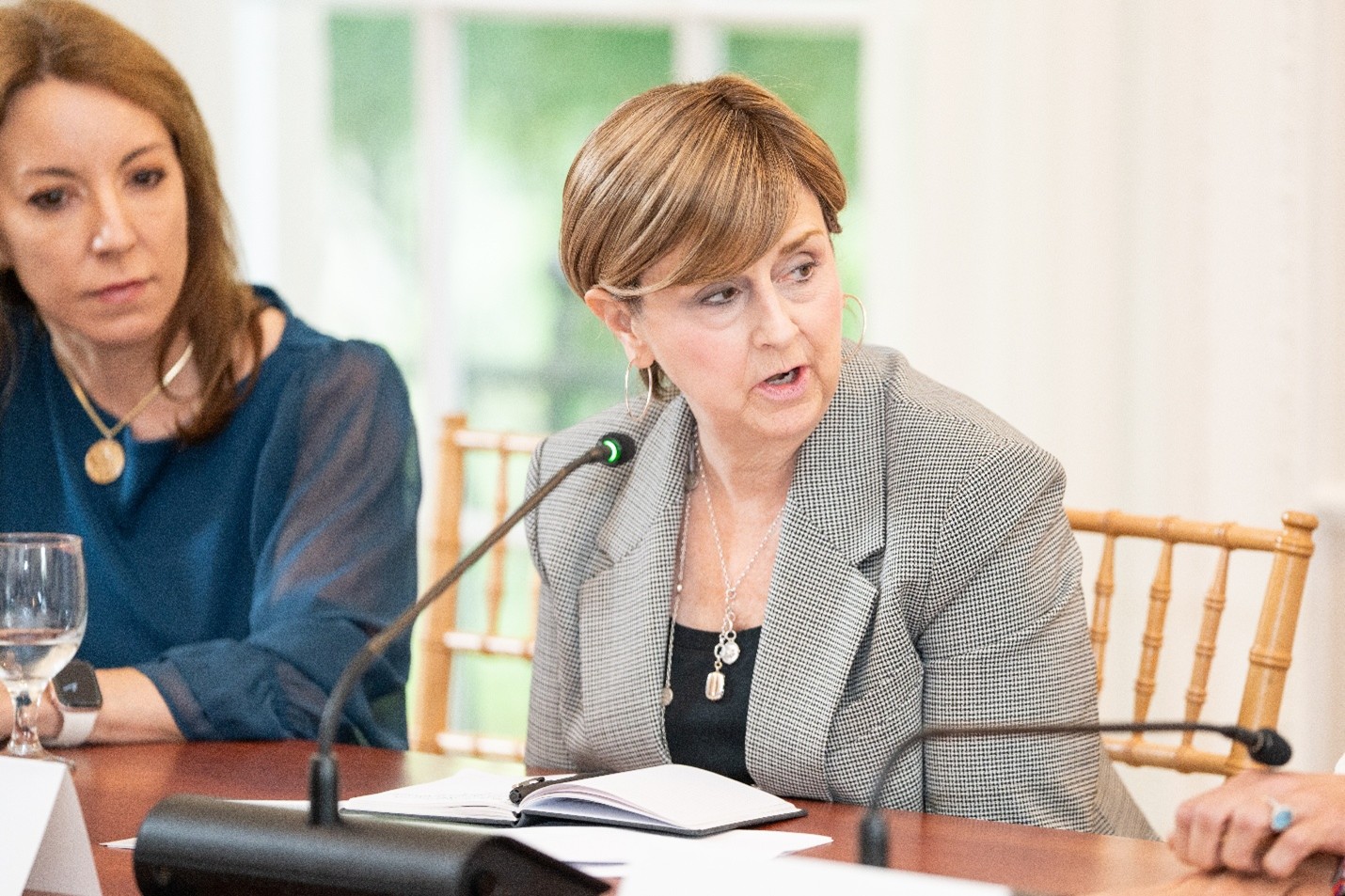
The discussion brought together corporate leaders and policy stakeholders to examine Panama’s evolving role in hemispheric trade, digital transformation, regional integration, and private-sector partnership.
Here are the top takeaways:
1. Panama is positioning itself as a neutral, rules-based global trade hub
The Panama Canal is not simply a national infrastructure, but a cornerstone of global trade and energy flows. Panama’s broader message centered on predictability, legal certainty, and democratic governance as competitive advantages amid geopolitical fragmentation and supply chain disruption.
The canal was repeatedly described as a globally trusted asset whose value depends on openness, neutrality, and adherence to international rules. Panama is now positioning that credibility as central to its economic and diplomatic strategy, particularly as businesses place greater emphasis on resilience and reliability in global trade networks.
2. Panama wants to become a bridge between regional markets
Regional integration emerged as a major priority for Panama’s long-term economic strategy. Fast-track entry into Mercosur, a market of more than 320 million people, was framed as an opportunity to deepen commercial ties with South America while strengthening Panama’s role as a logistics and distribution platform for the broader hemisphere.
Panama is actively positioning itself as the primary conduit for moving Mercosur goods into North and Central America, leveraging its transportation, logistics, and trade infrastructure to anchor that role. This reflects a deliberate strategy to capture value not just from transit, but from facilitating cross-regional supply chains and market access. The broader goal is to position Panama not only as a transit hub, but as a bridge between regional markets.
3. Panama is pushing for more practical regional cooperation
The conversation emphasized that regional cooperation must become faster and more practical in order to remain competitive. Recent reforms to decision-making rules within the Central American Integration System (CICA) were highlighted as an effort to reduce political gridlock and allow greater progress on trade, diplomacy, and economic coordination.
That approach was contrasted with more protectionist or nationalist policies emerging elsewhere in the region, reinforcing the view that integration should be driven by competitiveness, market access, and economic opportunity rather than political friction.
4. Digital transformation and AI capacity are central to Panama’s value proposition
With efforts to attract investment tied to secure digital infrastructure—including data centers and sovereign computing capabilities—Panama’s geographic position, political stability, and relationship with the United States are advantages in competing for these projects.
Beyond infrastructure, the discussion emphasized workforce development and digital inclusion as critical to long-term growth. AI and digital tools were framed not only as economic opportunities, but as mechanisms to expand access to education, healthcare, and financial participation.
5. Panama is turning to business leaders to help advance regional integration
A central throughline was that Panama’s ambitions—across trade, technology, and regional integration—will hinge on sustained private-sector engagement, particularly from U.S. and multinational firms operating across the Americas.
Attention was also directed toward the upcoming OAS General Assembly in Panama City and related business engagement opportunities surrounding the gathering. These forums are well-positioned to act as opportunities to strengthen public-private coordination around regional competitiveness, investment, digital infrastructure, and economic cooperation across the hemisphere.
Project summary
| Global Business Briefing with His Excellency Javier Martínez-Acha, Minister of Foreign Affairs, Republic of Panama | May 2027 | |
|---|---|
| Program Areas: | Corporate Diplomacy |
