

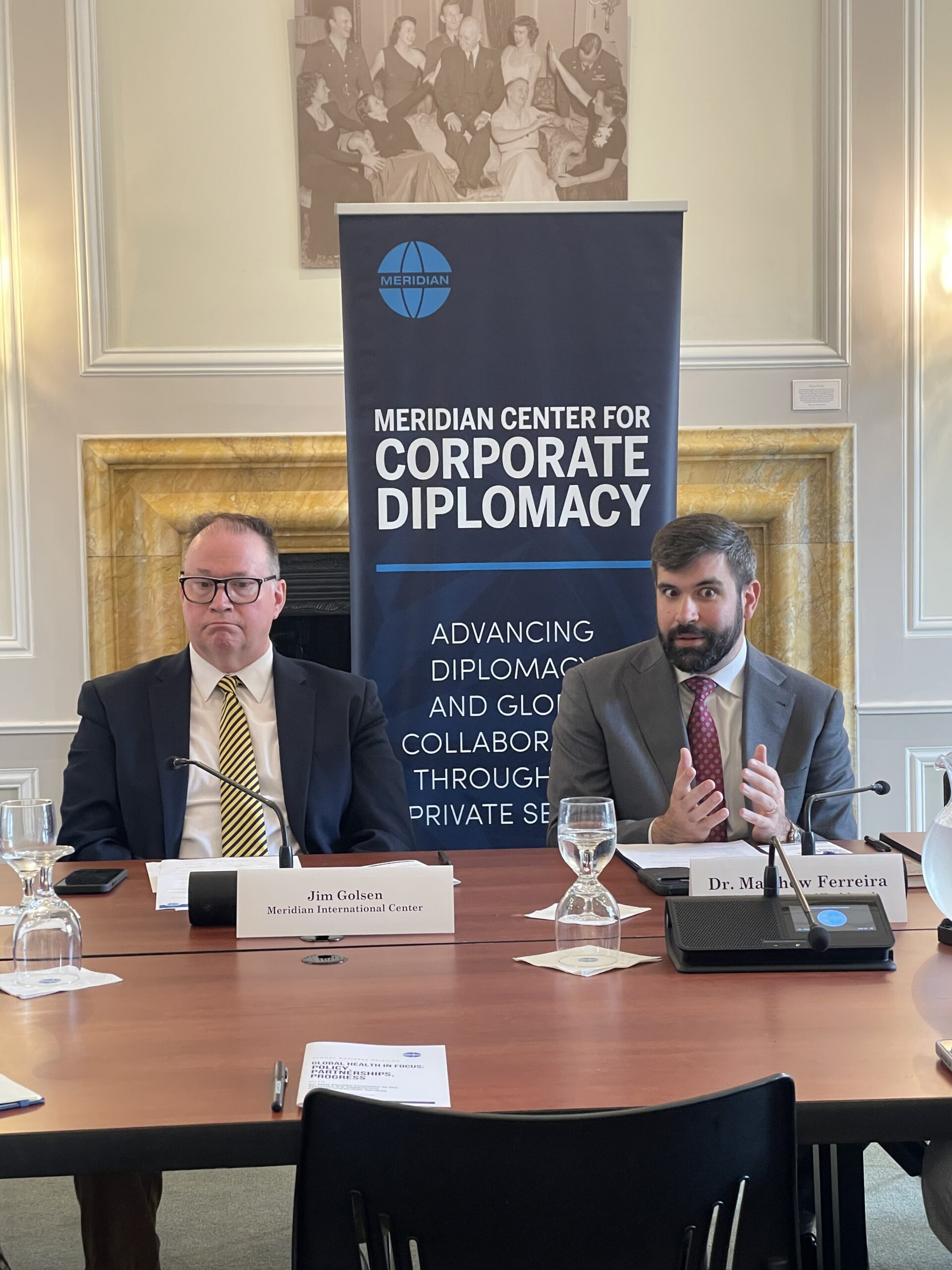
Global Business Briefing with Dr. Matt Ferreira, Counselor to the Secretary at the U.S. Department of Health and Human Services
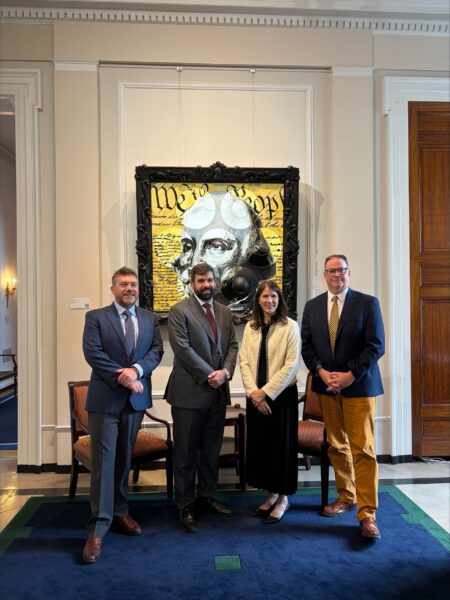
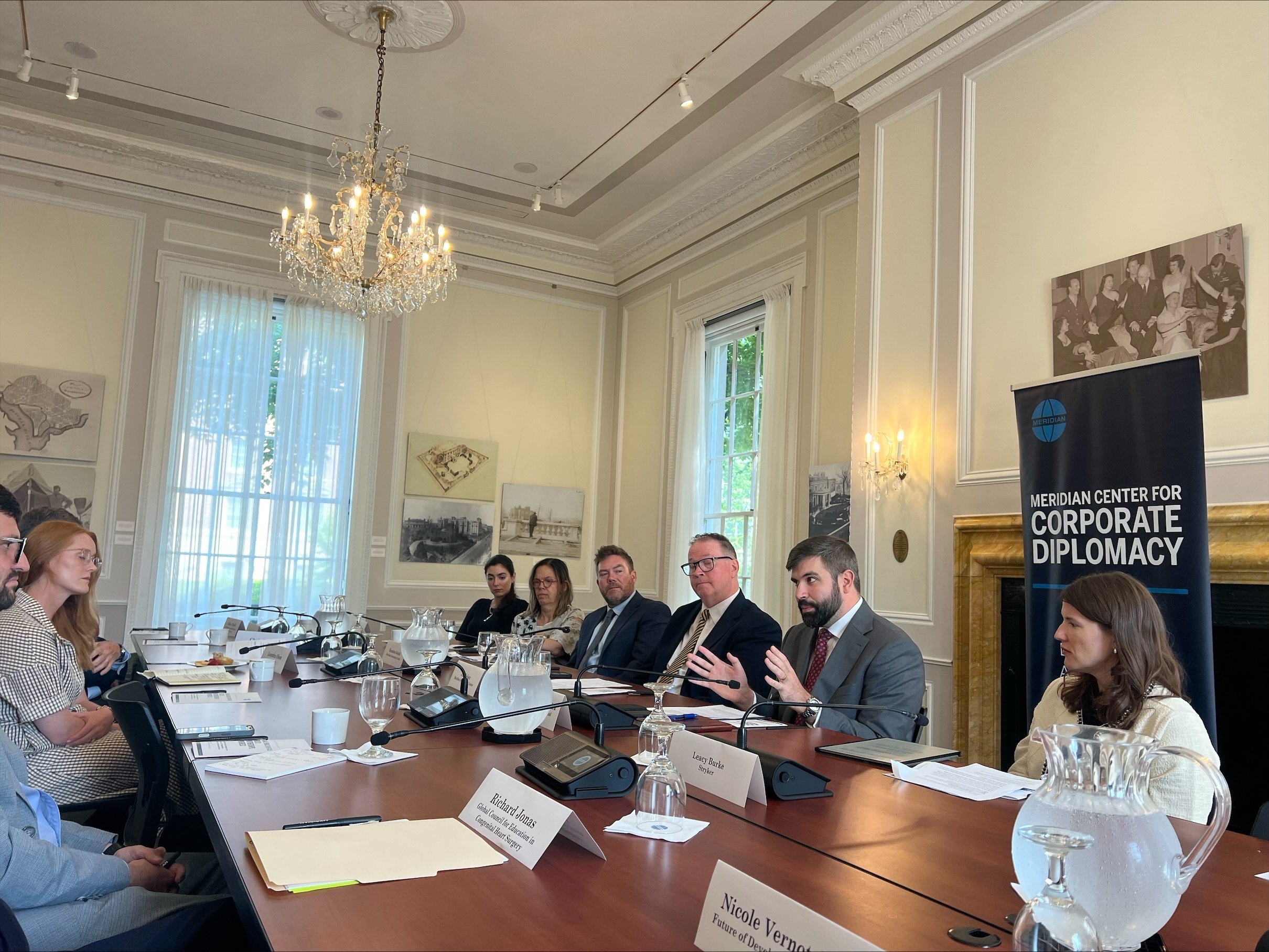
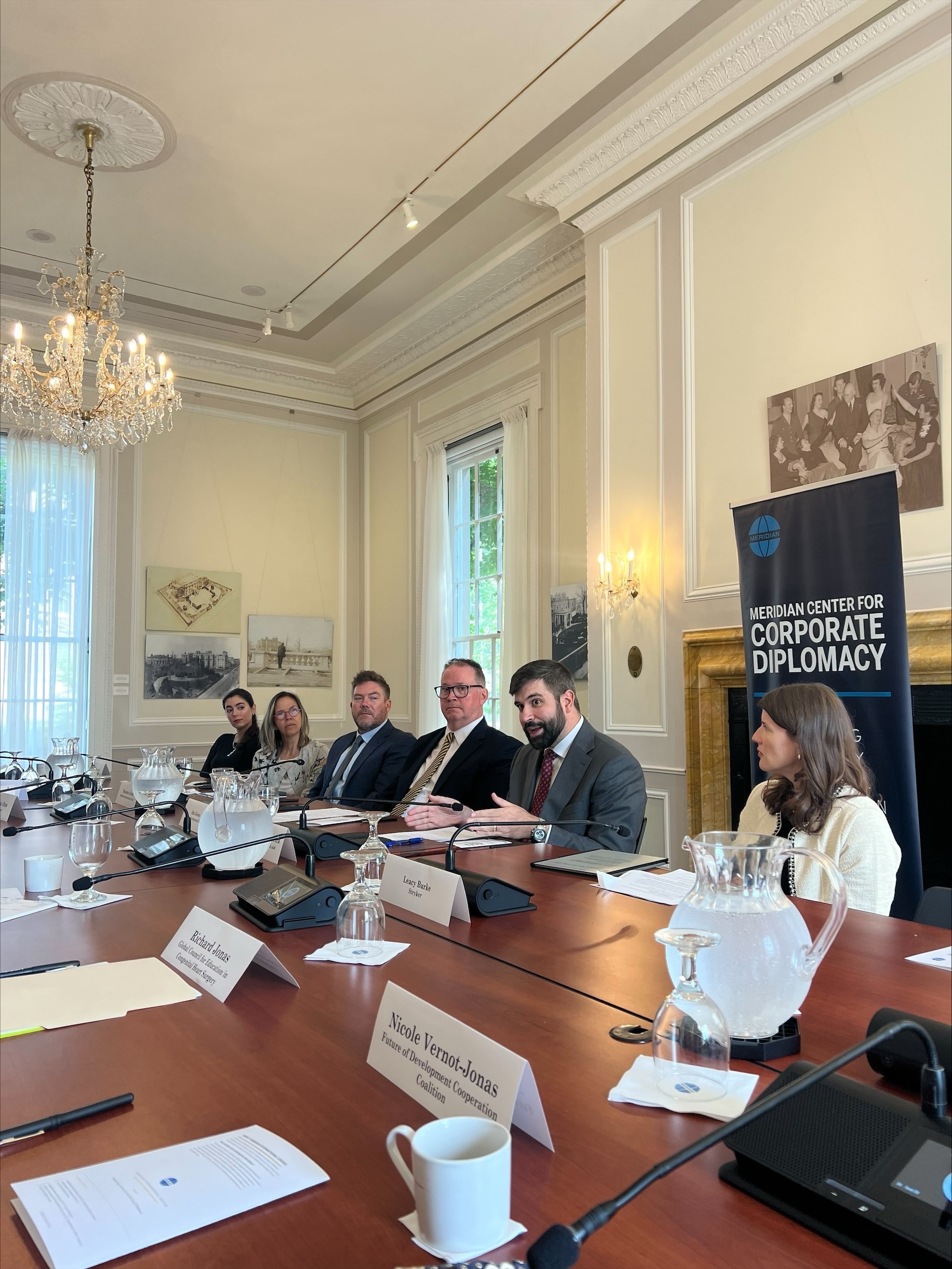
The line between global health and national security is in danger, and the private sector is now central to what happens next. At a Meridian Global Business Briefing, Dr. Matt Ferreira, Counselor to the Secretary at the U.S. Department of Health and Human Services, joined the Meridian Corporate Council to examine America's evolving posture on global health engagement, pharmaceutical supply chain resilience, biosurveillance, and the deepening convergence of biotechnology and national security. The conversation made clear that the partnerships being built today will determine how fast—and how effectively—the world responds to the next crisis.
Here are the top takeaways:
1. Global Health Is Now a National Security and Economic Imperative
The framing of global health as a humanitarian concern separate from core national interests has shifted. Outbreaks move faster than a government can react, supply chains are globally entangled, and advances in biotechnology are simultaneously accelerating scientific discovery and biological risk. The strategic logic is direct: containing a disease at its source is cheaper, faster, and more effective than managing it once it reaches American shores. Health investment abroad is—increasingly—defense spending by another name.
2. The U.S. Has Not Retreated from Global Health, but the Architecture Is Shifting
Despite the U.S. withdrawal from the World Health Organization, American engagement in global health has continued through bilateral channels, multilateral institutions outside the WHO, and direct collaboration with country-level health ministries. Lines of communication with WHO have remained open in active outbreak contexts—because severing coordination mid-response serves no one's interest. The message being received internationally is notable: partner nations feared the U.S. wouldn't show up. It has.
3. Pharmaceutical Supply Chain Vulnerability Is a Pre-Crisis Problem
The concentration of key starting materials and active pharmaceutical ingredients in a small number of countries, particularly antibiotics, represents a systemic vulnerability that demands action before the next disruption, not during it. Progress is underway on domestic reshoring, strategic reserves, and alternative production partnerships. Digital stockpiling models—where manufacturing capacity can be activated on demand rather than maintained at scale—are emerging as an innovative solution to the constraints that traditional stockpiling cannot address.
4. Public Trust in Health Institutions Is a Security Asset
Preparedness requires public compliance, and public compliance requires institutional trust, which has been significantly depleted on both sides of the political spectrum. Restoring confidence in public health guidance is not a communications challenge alone; it is a national security one. The path forward involves clearer, real-time communication about what is known and unknown, stronger engagement with state and local health officials across political lines, and demonstrating, through operational results, that the system works. Recent domestic outbreak responses have offered early evidence that cross-jurisdictional coordination is achievable.
5. Private Sector Capability Is Indispensable
The most critical tools in global health security—diagnostics, vaccines, logistics networks, genomic technologies, AI-enabled biosurveillance—overwhelmingly reside in the private sector. Government has the authority and the mandate; industry has the agility and the innovation. Neither is sufficient without the other. Federal partners across HHS, FDA, and related agencies are actively seeking direct engagement with industry on supply chain vulnerabilities, emerging surveillance solutions, and next-generation data integration. The ask is straightforward: bring solutions to the table now, before the next crisis forces the conversation.
Project summary
| Global Business Briefing with Dr. Matt Ferreira, Counselor to the Secretary at the U.S. Department of Health and Human Services | June 2026 | |
|---|---|
| Impact Areas: | Global Health |
| Program Areas: | Corporate Diplomacy |
| Partners: | Private Sector |
