

Global Business Briefing: France’s G7 Presidency and the Future of Global Cooperation
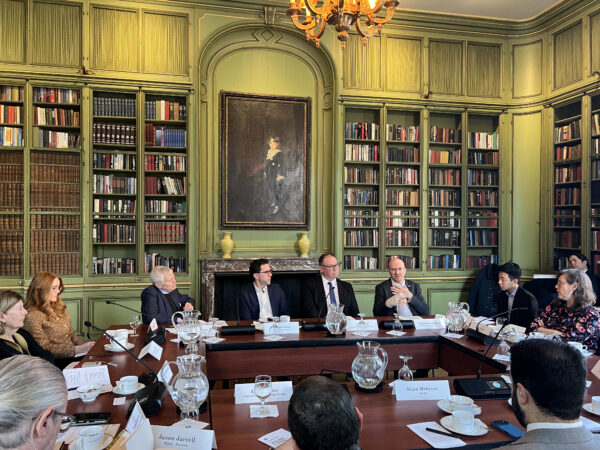
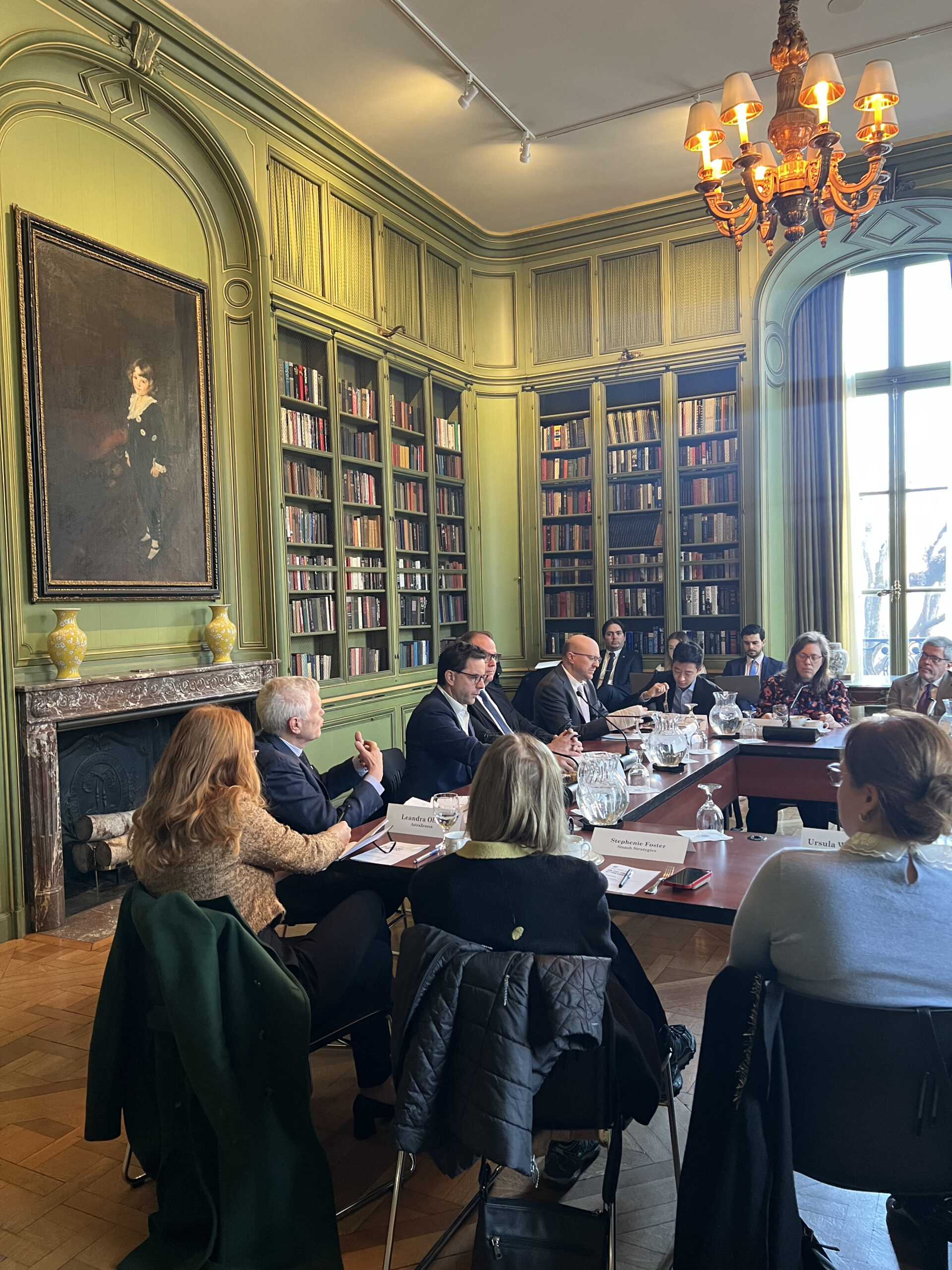
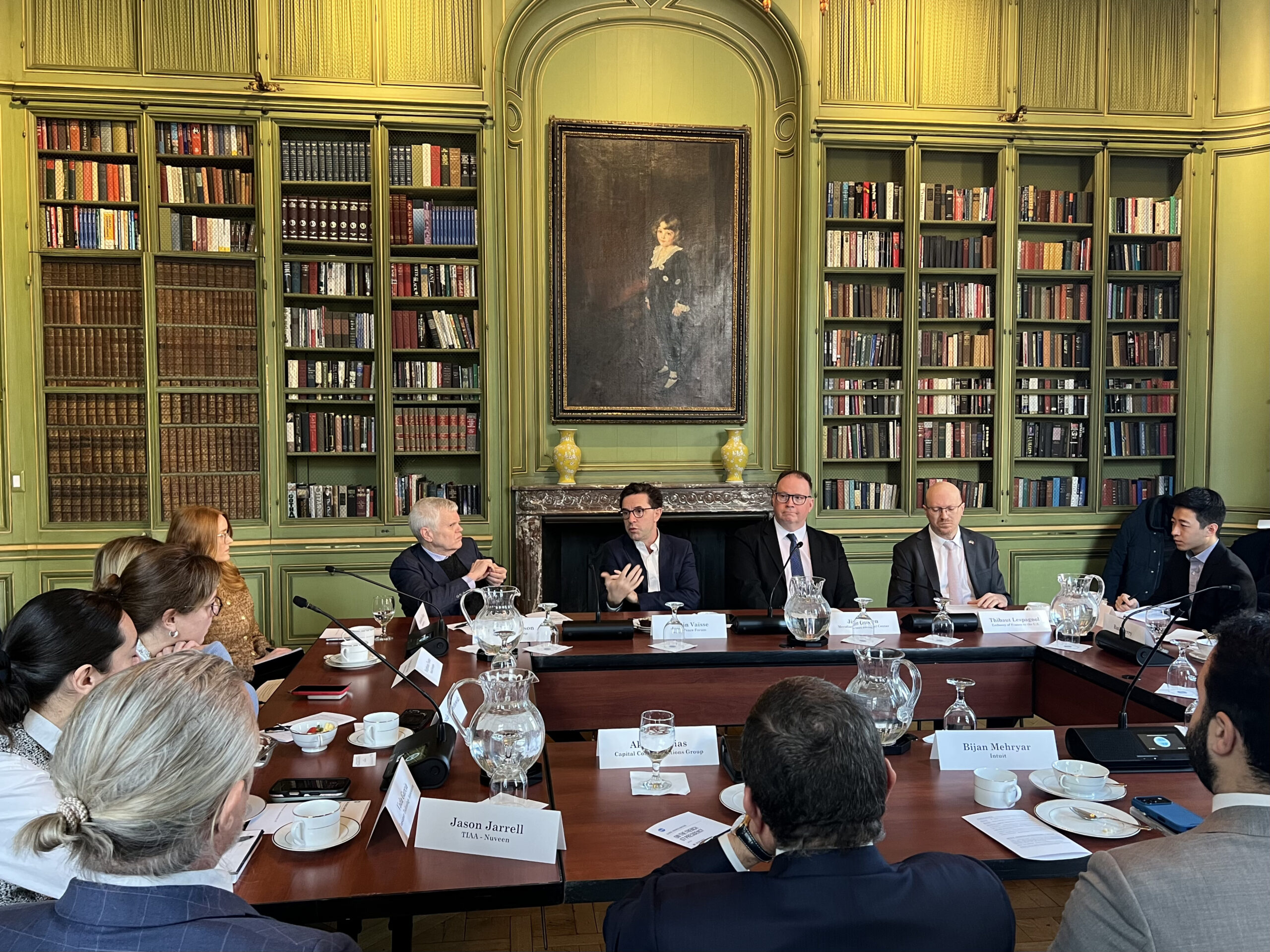
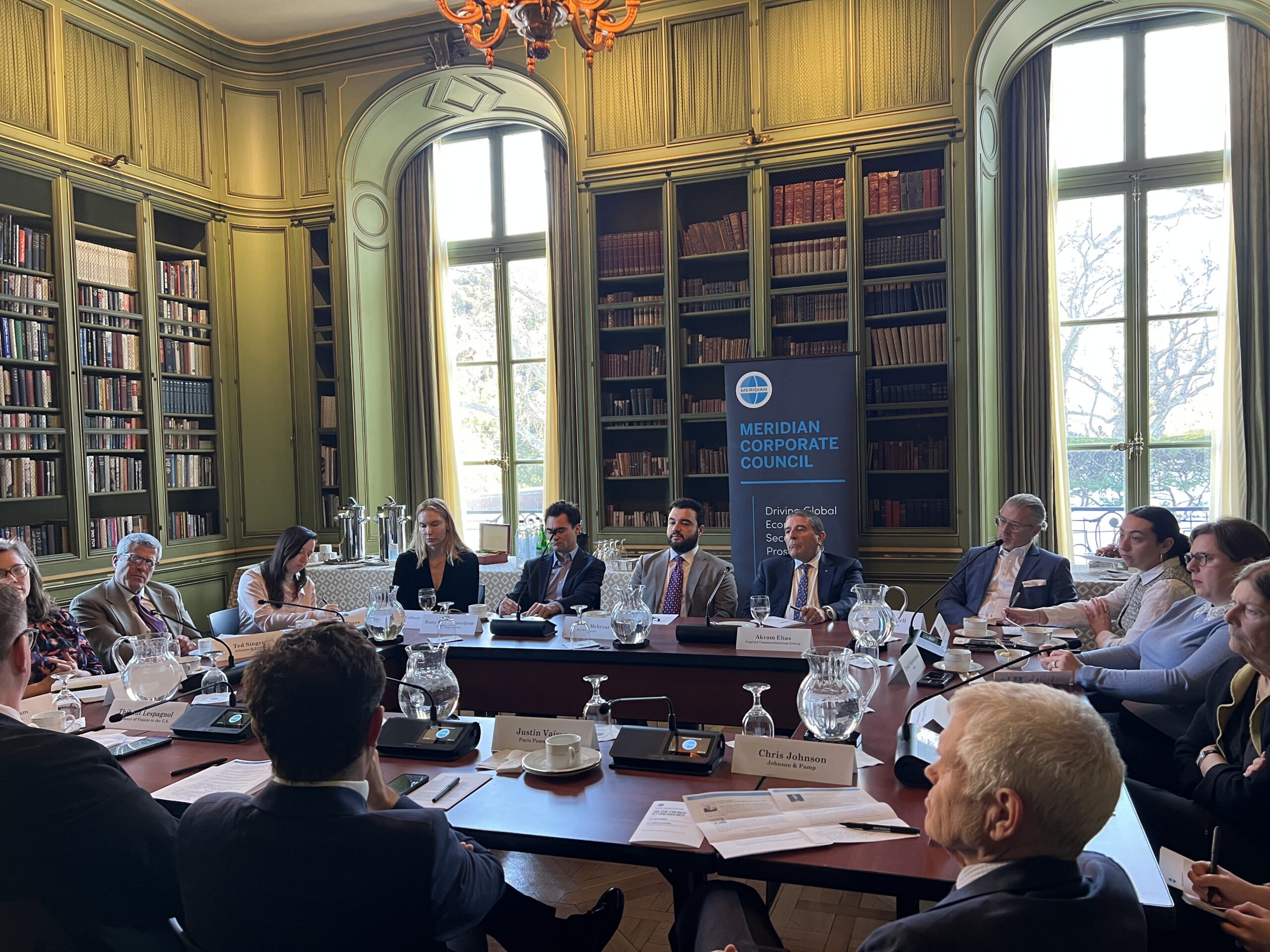
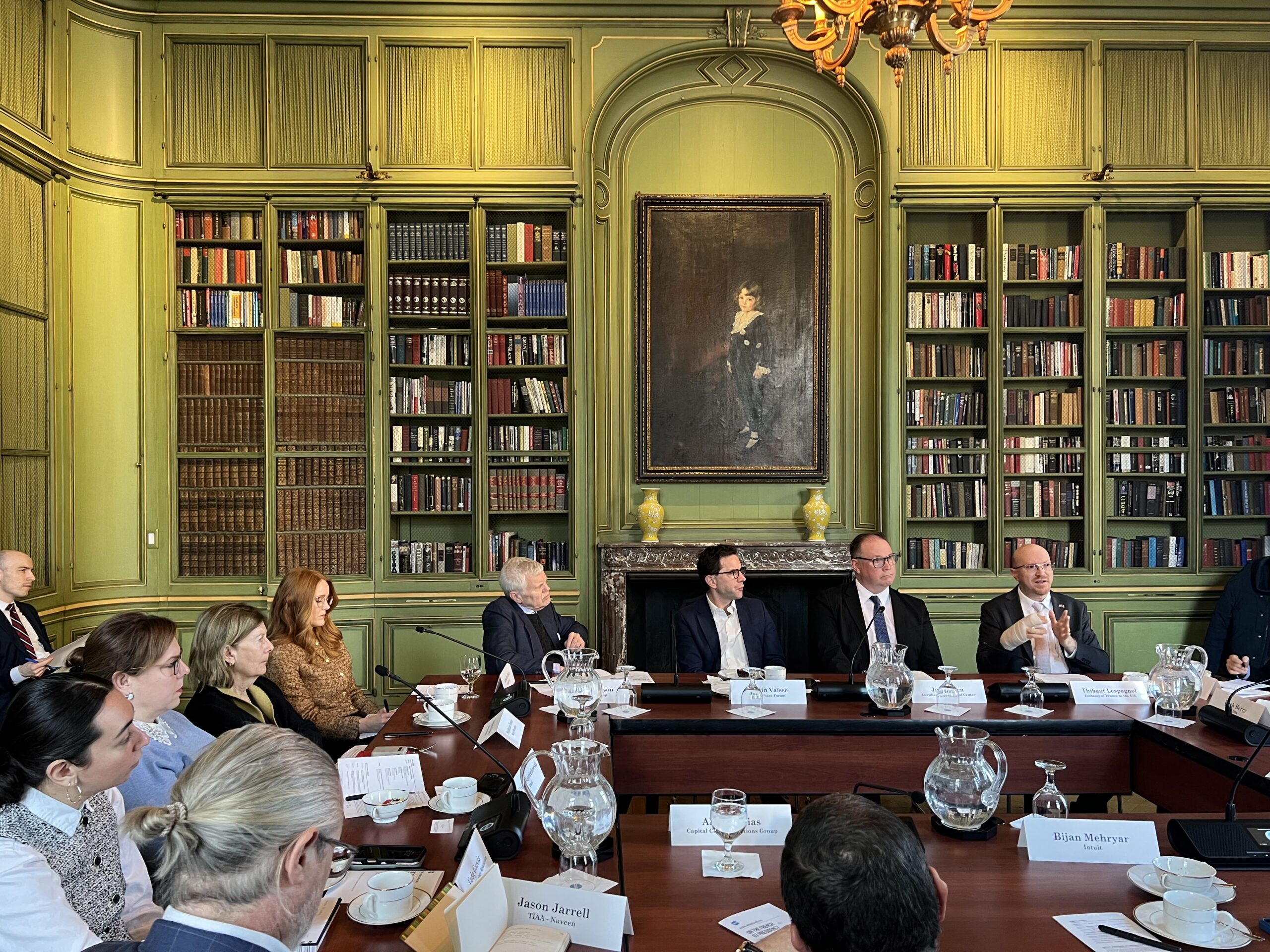
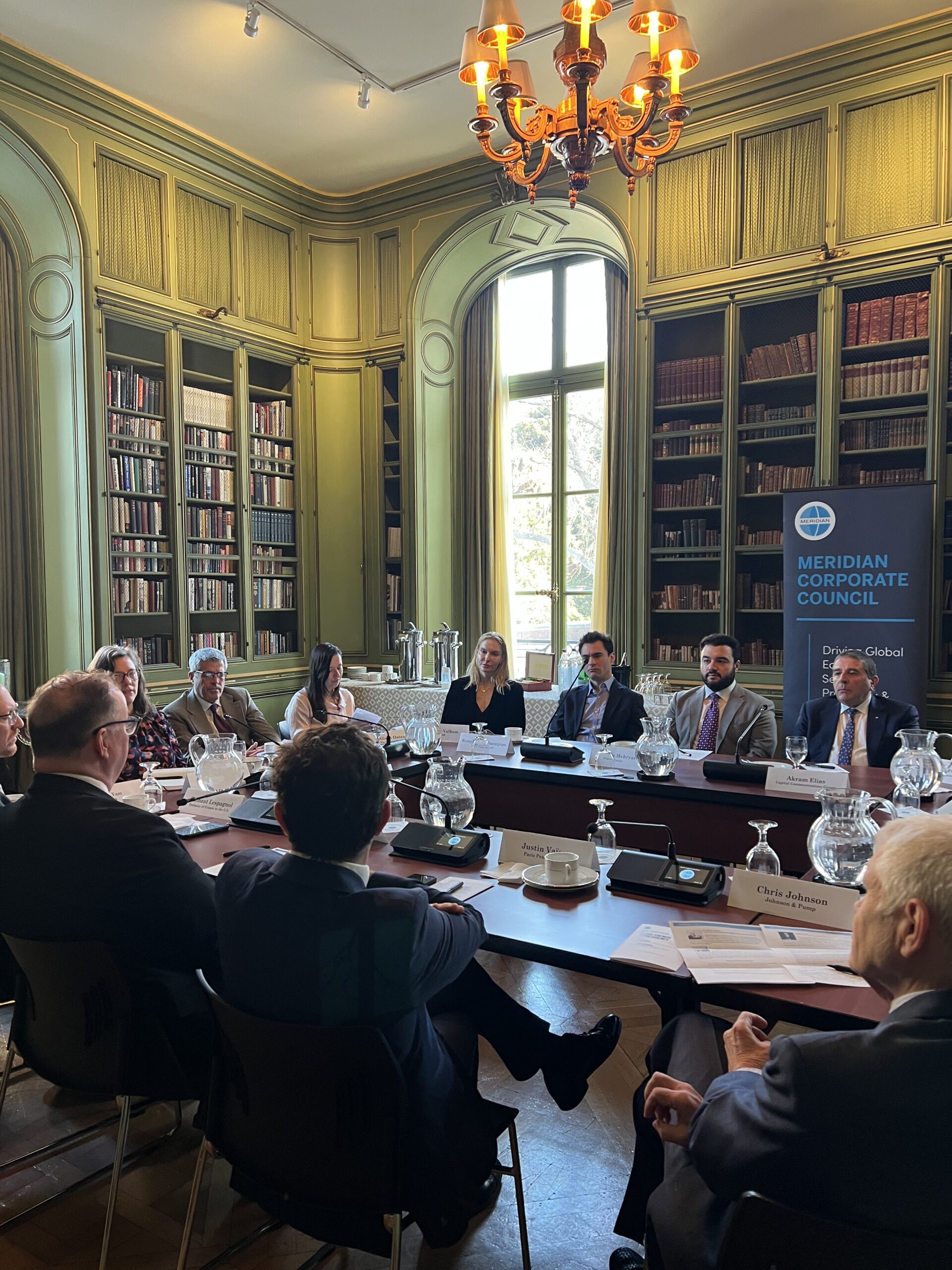
As part of Meridian’s Global Business Briefing series, Meridian convened a discussion on France’s upcoming G7 presidency, examining how priorities such as development cooperation, resilient critical supply chains, and public-private partnerships will shape the agenda and strengthen transatlantic ties. The discussion was moderated by Mr. Jim Golsen, Vice President, Meridian Council for Corporate Diplomacy, and featured Mr. Justin Vaïsse, Founder and Director General of the Paris Peace Forum; Mr. Thibaut Lespagnol, Counselor for Global and Multilateral Affairs at the Embassy of France to the United States; and Mr. Chris Johnson, Partner at Johnson & Pump.
Here Were the Top Takeaways from the Program:
1. Re-centering the G7 on shared economic and governance challenges
France’s G7 presidency is focused on addressing macroeconomic imbalances and systemic challenges affecting advanced economies and their partners. Key priorities include tackling global trade distortions, managing fiscal pressures, and sustaining long-term growth, while calibrating expectations about what the G7 can realistically deliver in a fragmented geopolitical environment.
2. Adapting development cooperation to a changing global landscape
Development cooperation remains a central pillar of the G7 agenda amid declining public aid and shifting donor dynamics. Efforts are underway to prioritize resources based on beneficiary country perspectives, integrate private capital alongside public funding, and focus on shared priorities such as health, education, and child well-being to preserve long-term development outcomes.
3. Strengthening the resilience of critical supply chains
Critical minerals and strategic supply chains require enhanced coordination among G7 partners. The G7 serves as a platform to promote transparency, environmental and social standards, and open markets that advance both economic security and the global energy transition, while avoiding zero-sum competition that could exacerbate geopolitical tensions.
4. Public-private partnerships as a force multiplier for the G7
Businesses, financial institutions, and philanthropic organizations are increasingly central to advancing G7 priorities. Public-private partnerships mobilize investment, drive innovation, and translate policy commitments into practical outcomes—particularly in infrastructure, health, technology, and supply-chain resilience—while complementing government-led decision-making.
5. Reinforcing trust and transatlantic cooperation through the G7
The G7 remains a key platform for building trust among allies amid institutional strain and global uncertainty. By engaging diverse stakeholders and coordinating closely with forums such as the G20, France’s presidency aims to strengthen transatlantic cooperation, uphold rules-based frameworks, and ensure that strategic value chains remain secure, open, and sustainable.
Project summary
| Global Business Briefing: France’s G7 Presidency and the Future of Global Cooperation | February 2026 | |
|---|---|
| Program Areas: | Corporate Diplomacy |
