

Global AI Futures with NVIDIA
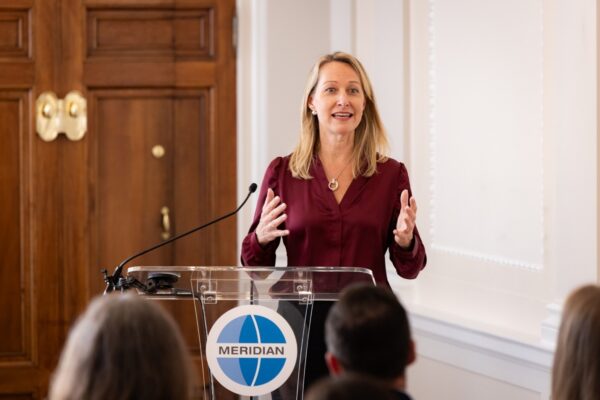
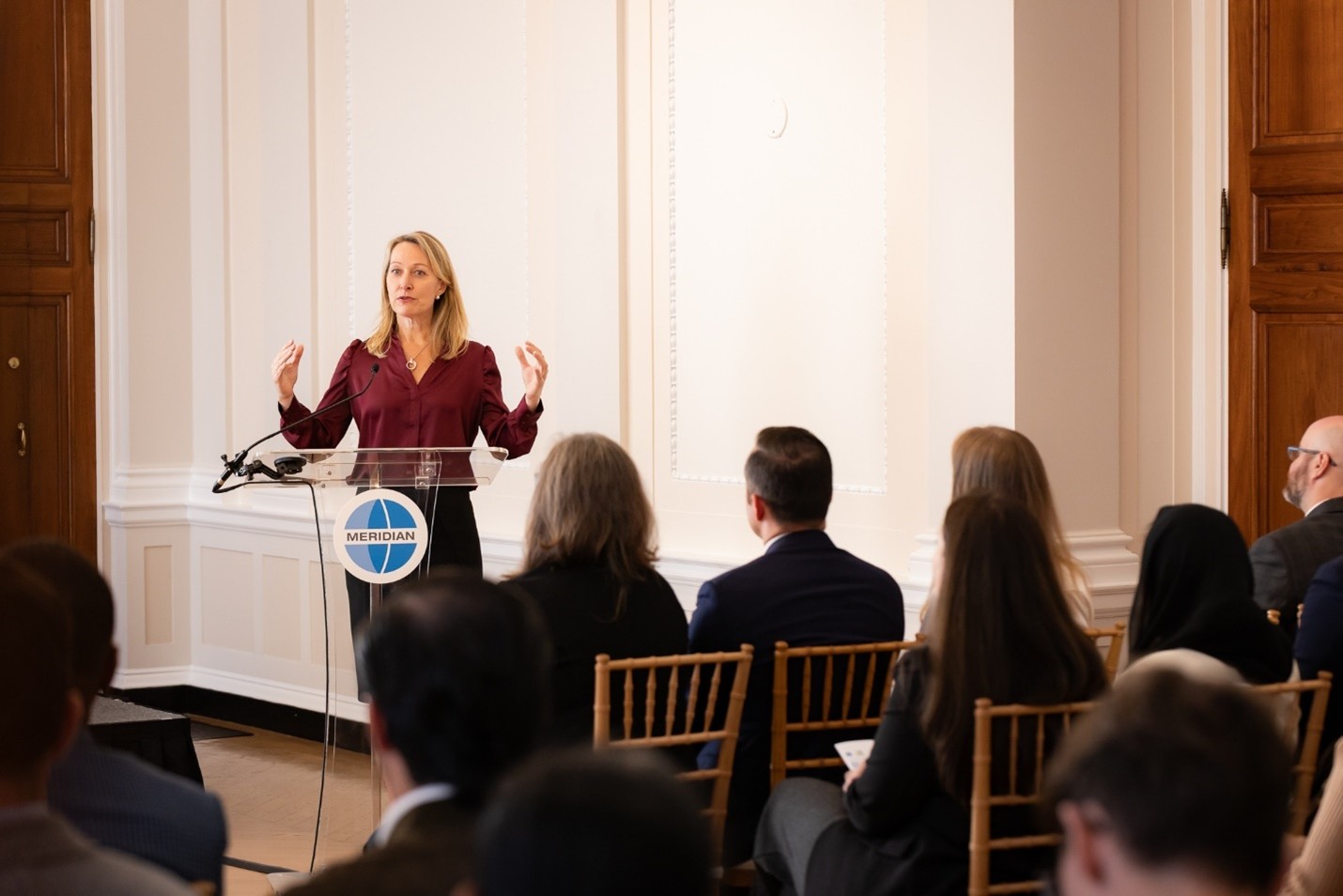
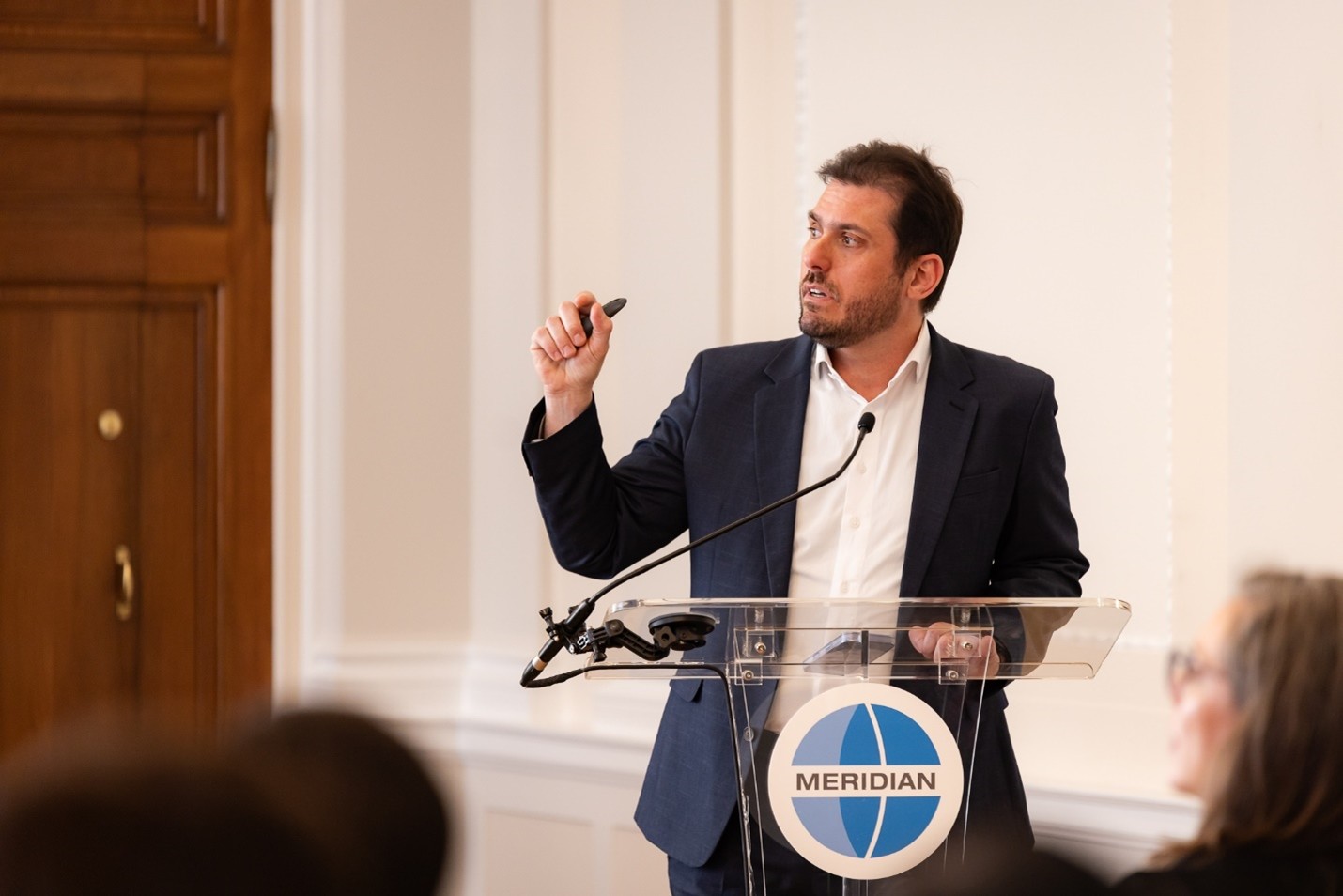
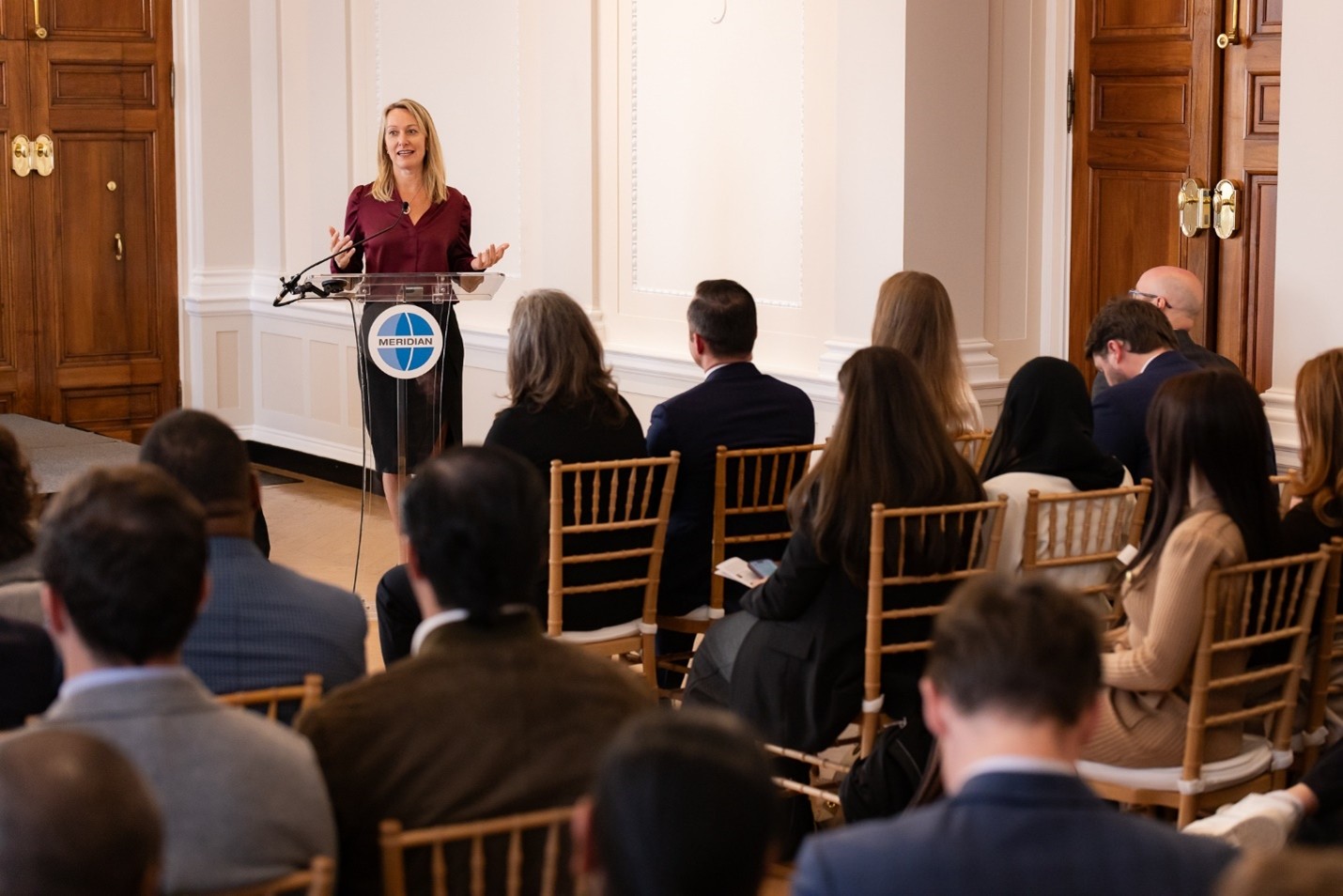
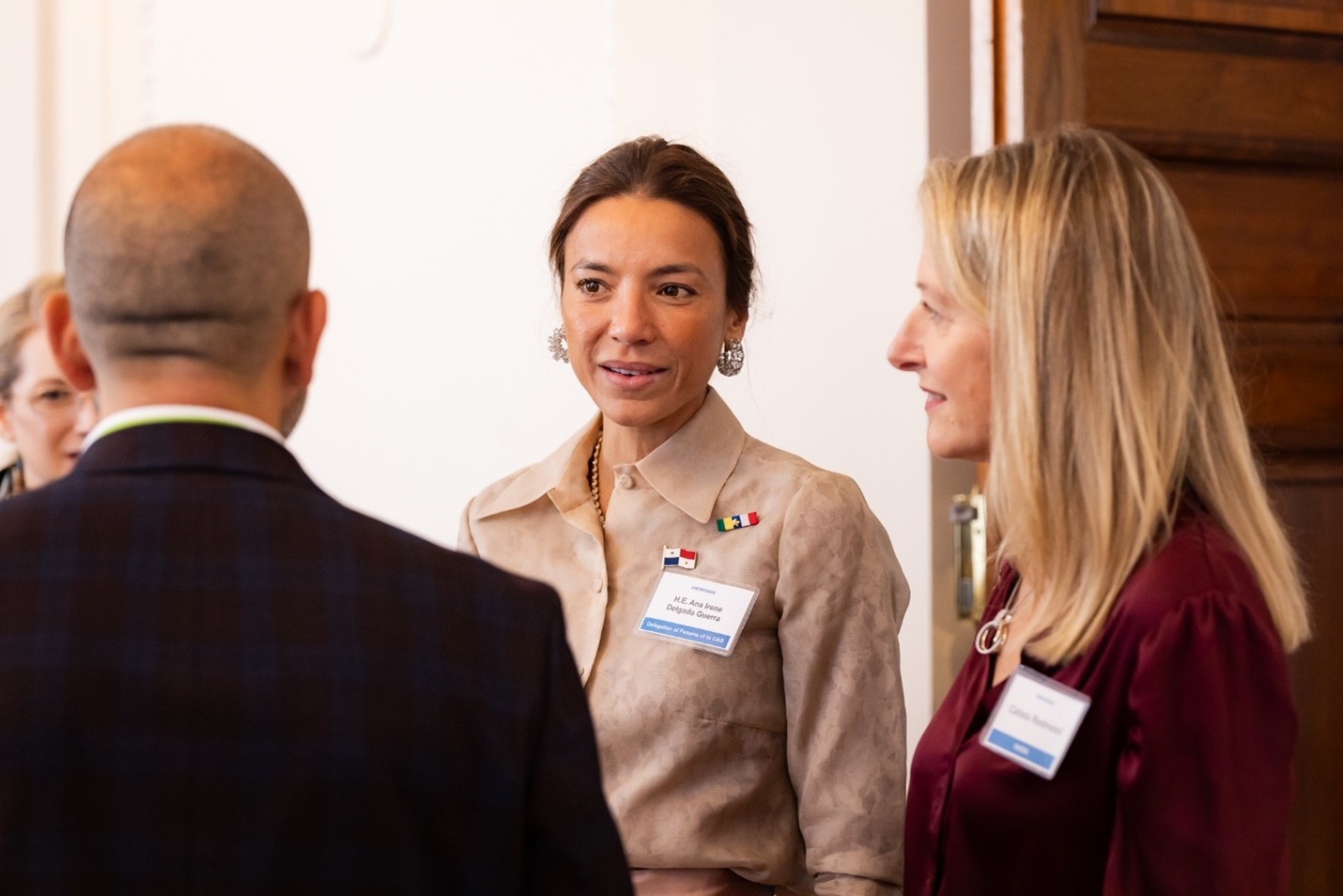
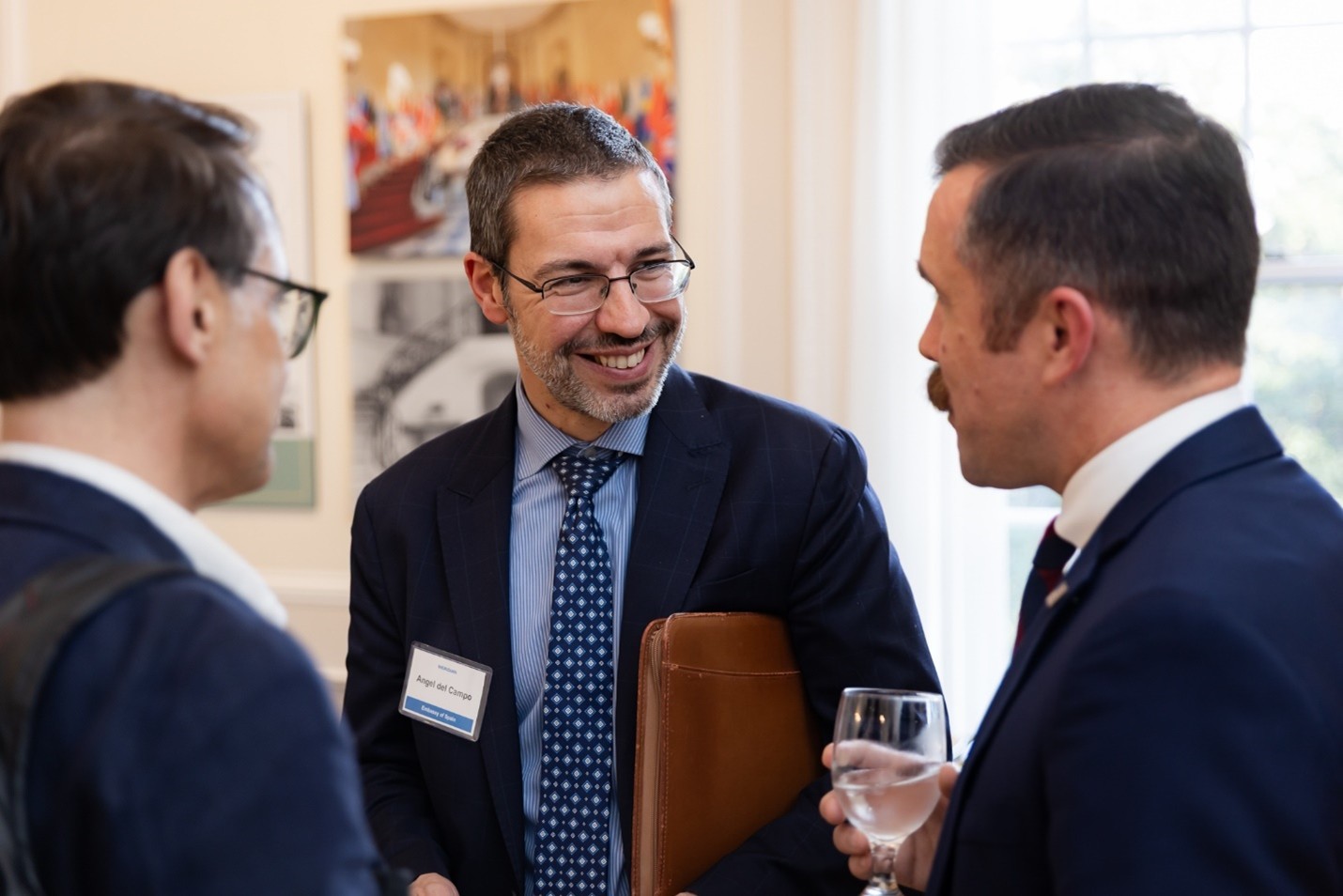
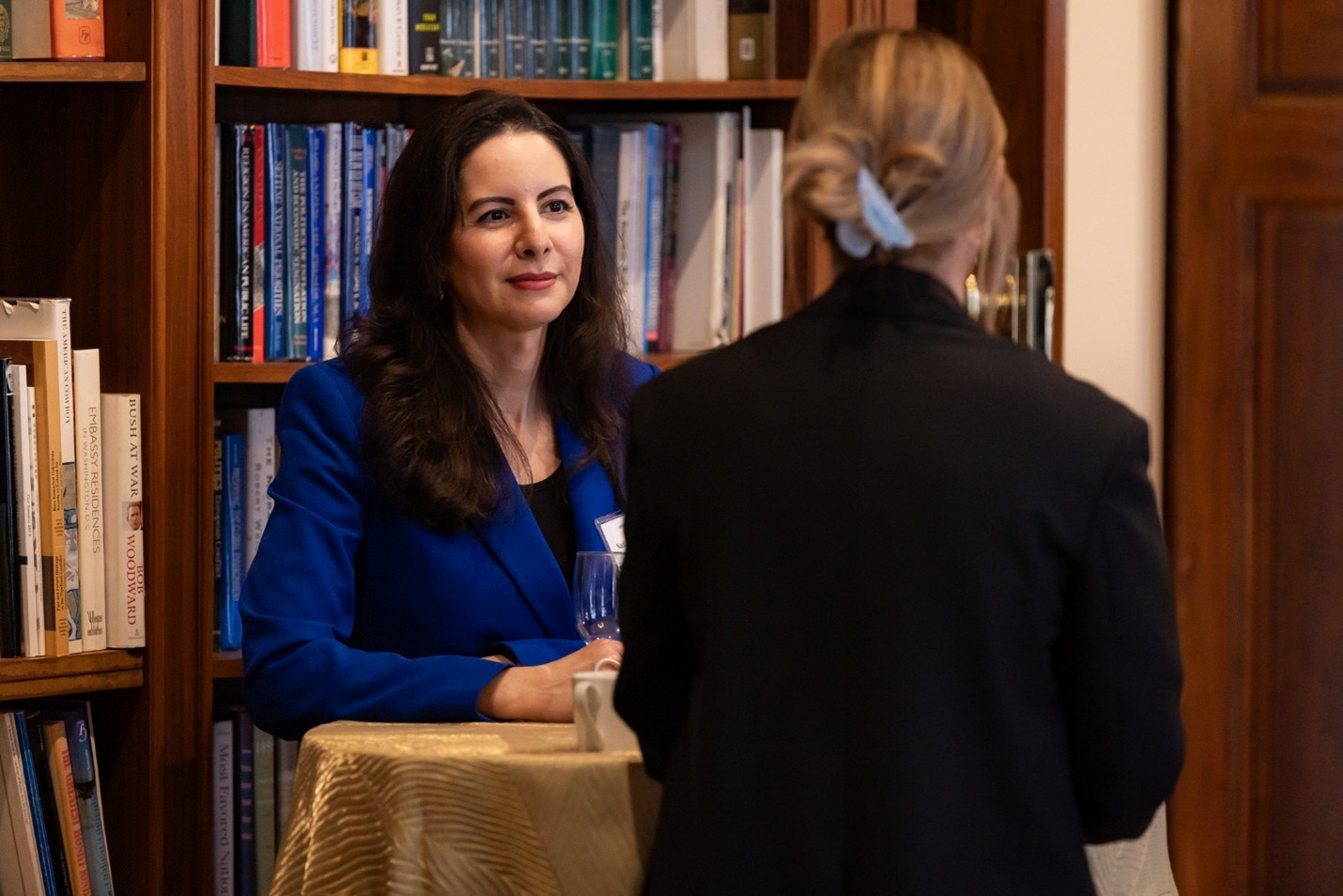
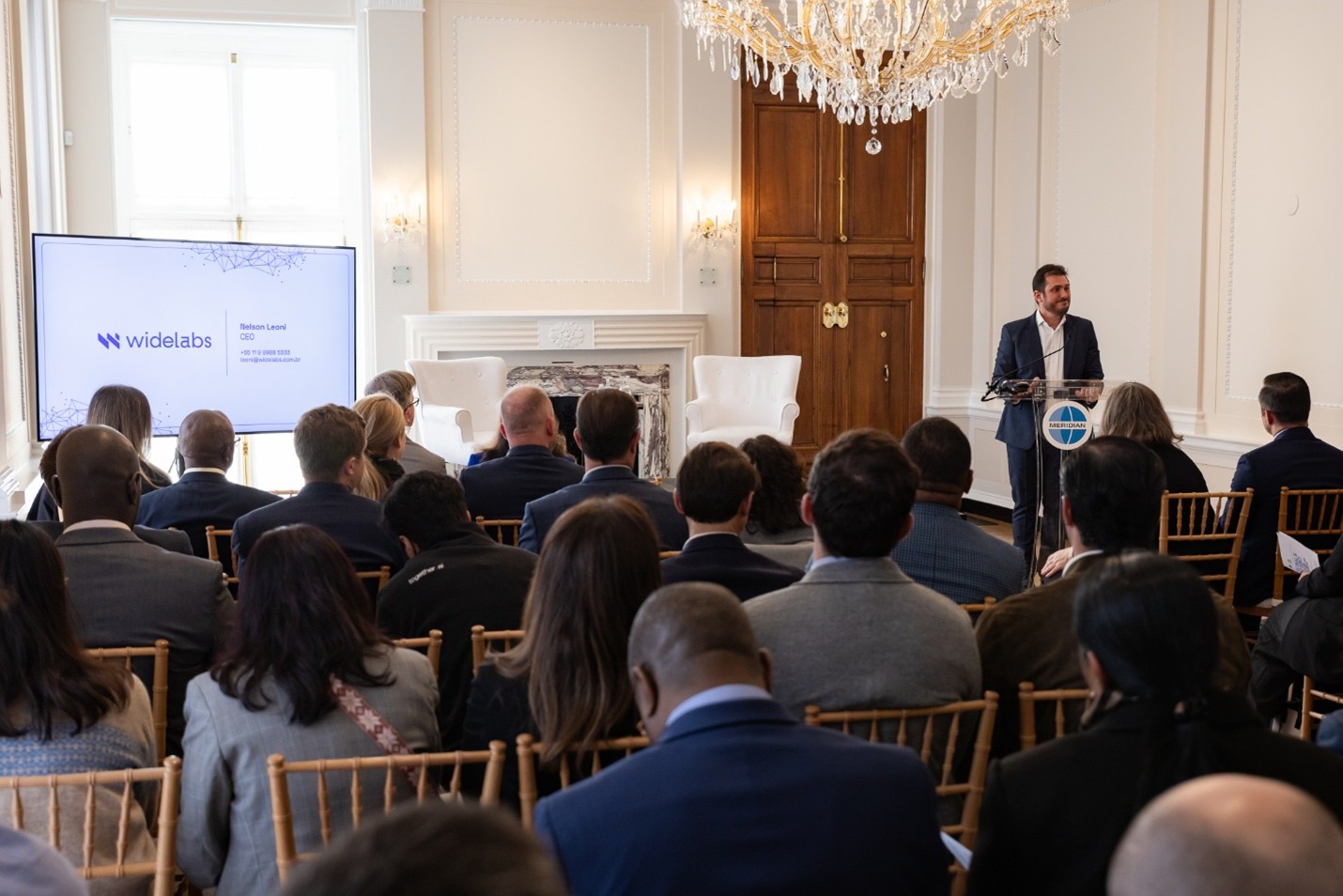
Across the world, countries are exploring how to build AI capacity and promoting sovereign AI. On October 27th, Meridian International Center, in partnership with NVIDIA, hosted AI Global Futures, a dynamic series of speakers convening government, industry, and the diplomatic community to examine how different nations are promoting AI sovereignty. From policy and infrastructure to education and open models, the discussion emphasized that the future of AI is not just about technology, it’s about people, partnerships, and purpose.
Featured speakers included:
Ruth Berry, Senior Director and Head of Policy of Government Affairs at NVIDIA;
Nadia Carlsten, CEO of DCAI;
Arielle Fidel, Vice President of Strategic Partnerships at Together AI;
Russ Headlee, Senior Bureau Official of Bureau of Cyberspace and Digital Policy at U.S. Department of State;
Frank Justice, Vice President of Open Diplomacy Programs at Meridian International Center;
Nelson Leoni, Co-Founder & CEO of WideLabs;
Bea Longworth, Director of Government Affairs EMEA at NVIDIA;
Calista Redmond, Vice President of Global AI Initiatives, NVIDIA;
Jim Zemlin, Executive Director of the Linux Foundation.
Here are some top takeaways
1. Building Robust AI Ecosystems Requires More Than Engineers
A strong AI ecosystem requires more than technical expertise. While engineers play an important role, universities, startups, large enterprises, venture capital, and policymakers are all key components of an AI ecosystem. Equally important is AI literacy. AI literacy will empower people across communities and professions, from teachers to doctors to business leaders, to leverage AI to enhance what they already do best.
2. The Future of AI is Collaborative
AI sovereignty does not mean isolation. No single nation, company, or institution holds all the pieces. Those with the best data are not always those with the most advanced models, and those with technical capacity may lack local insight. Collaboration bridges these gaps, enabling shared innovation that reflects varied needs and priorities. Furthermore, developing some of these tools like frontier models is prohibitively expensive, making partnerships essential. True AI sovereignty is not defined by who designed the technology but rather for whom it was designed for.
3. Local Context Matters
Local context is essential to building AI systems that truly serve people. Language, culture, and social norms shape how technology is used, understood, and trusted. This customization creates AI systems that meet the needs of the communities they serve. As such, key to sovereign AI is ensuring that countries and regions can design, adapt, and sustain their own AI solutions to best serve their citizens.
4. Open Models Are Key to Collaboration and Localization
Open artificial intelligence models play a critical role in both collaboration and localization. Open AI lowers barriers to entry by providing high performance at a fraction of the cost of closed systems, empowering nations, startups, and researchers to innovate without needing significant computing power. Finetuning these models to reflect local languages, cultures, and priorities allows them to better serve specific communities, fostering ownership and maximizing the benefits of AI.
5. Strengthening U.S. Global Partnerships
The U.S. is advancing its AI Action Plan to strengthen both domestic AI capabilities and international collaboration. The U.S. Department of State and the Department of Commerce are actively seeking feedback from industry and international partners to reduce friction and streamline AI export processes. Through leveraging financing tools like the Export-Import Bank, U.S. Trade and Development Agency, and the U.S. Development Finance Corporation the U.S. aims to support global adoption of the American AI stack in countries across the spectrum of development.







Project summary
| Global AI Futures with NVIDIA | October 2025 | |
|---|---|
| Impact Areas: | Artificial Intelligence and Cybersecurity |
| Program Areas: | Technology, Innovation, & Space |
