

Fast Lanes & Global Gains: Formula 1’s Economic and Diplomatic Growth
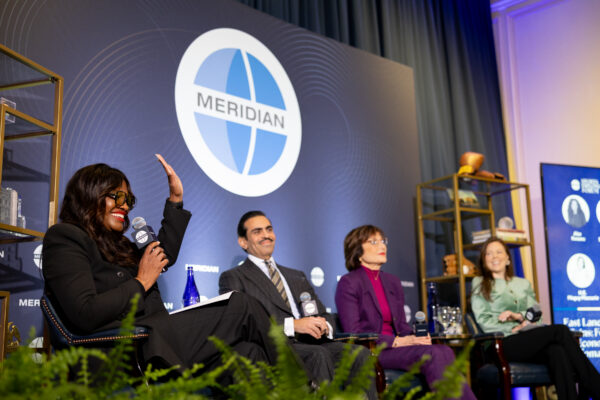
At the inaugural Meridian Sports Diplomacy Forum, leaders from government and diplomacy examined how Formula 1 has evolved into a powerful tool for soft power, national identity, and international engagement. Drawing on perspectives from Monaco, Bahrain, and the U.S. Department of State, the discussion underscored how global sporting events can convene diverse actors, strengthen people-to-people ties, and generate long-term value that extends far beyond the race weekend.
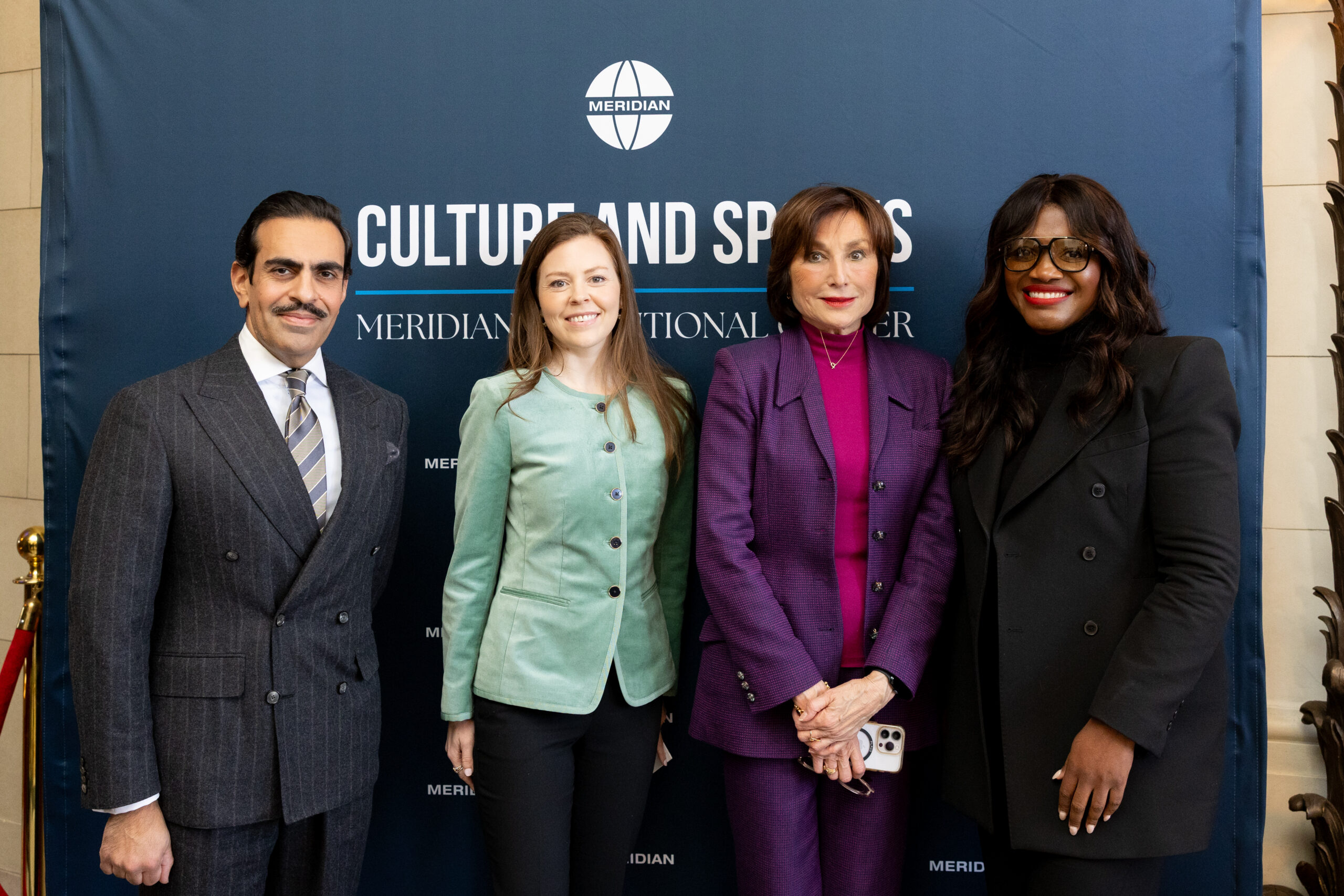
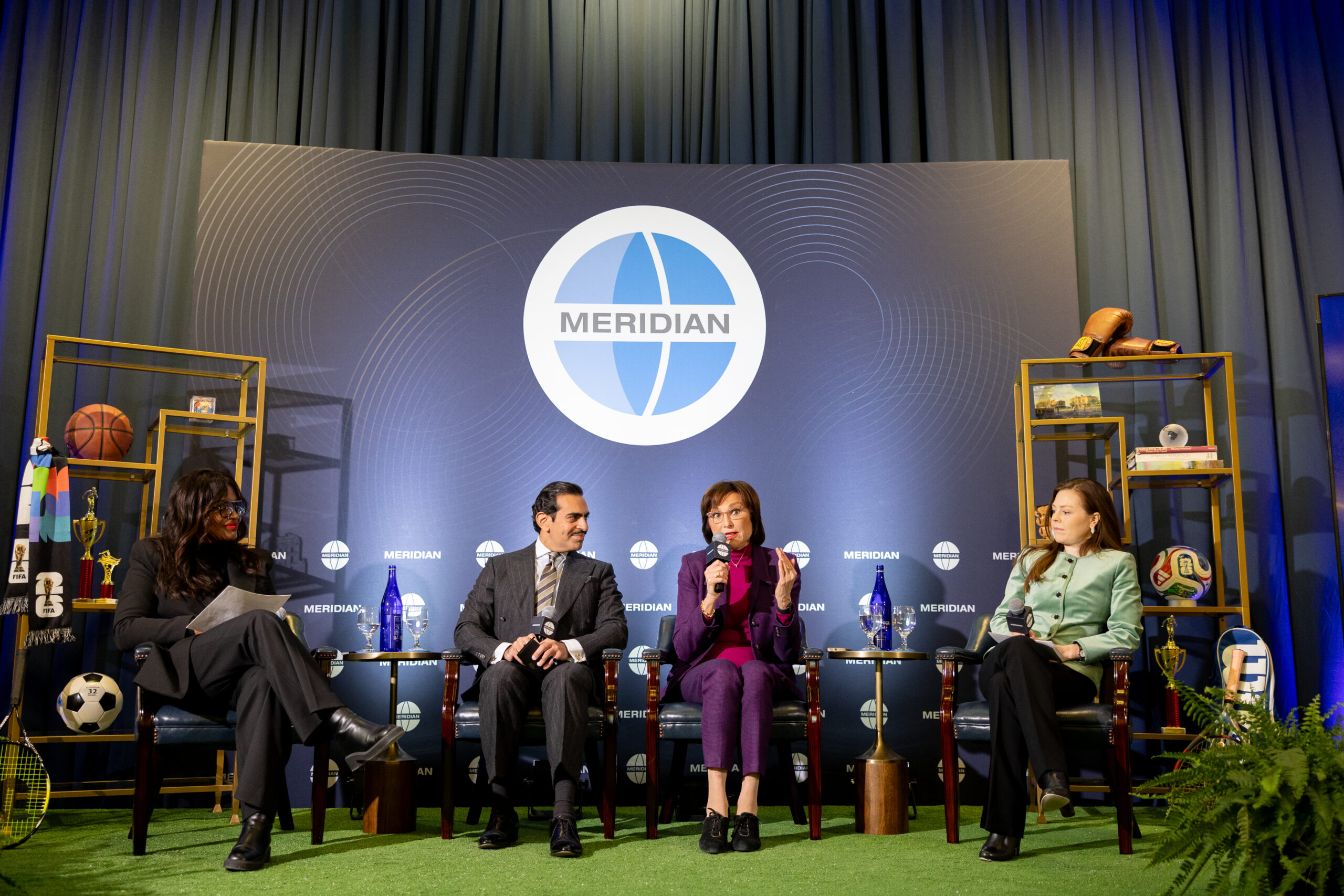
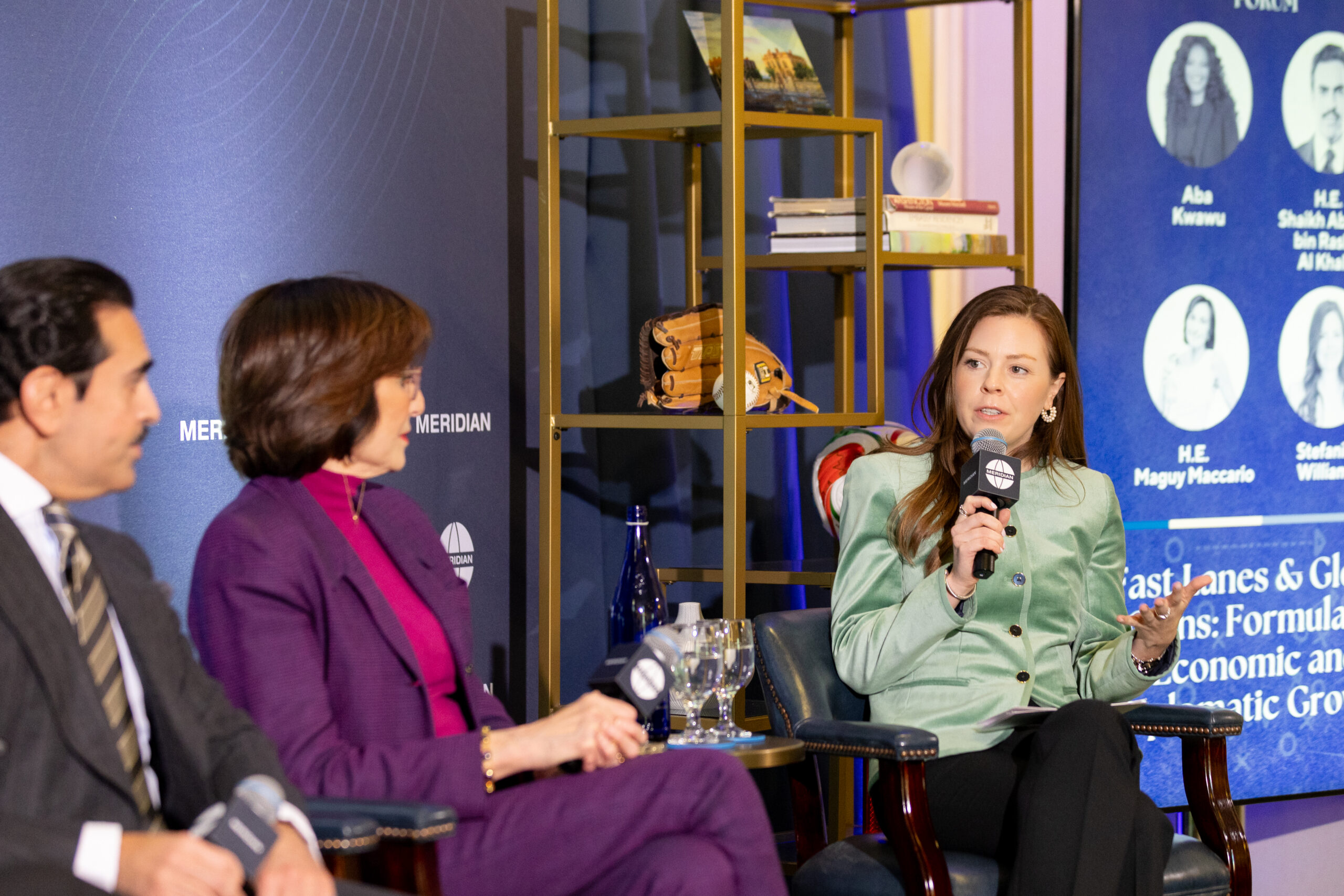
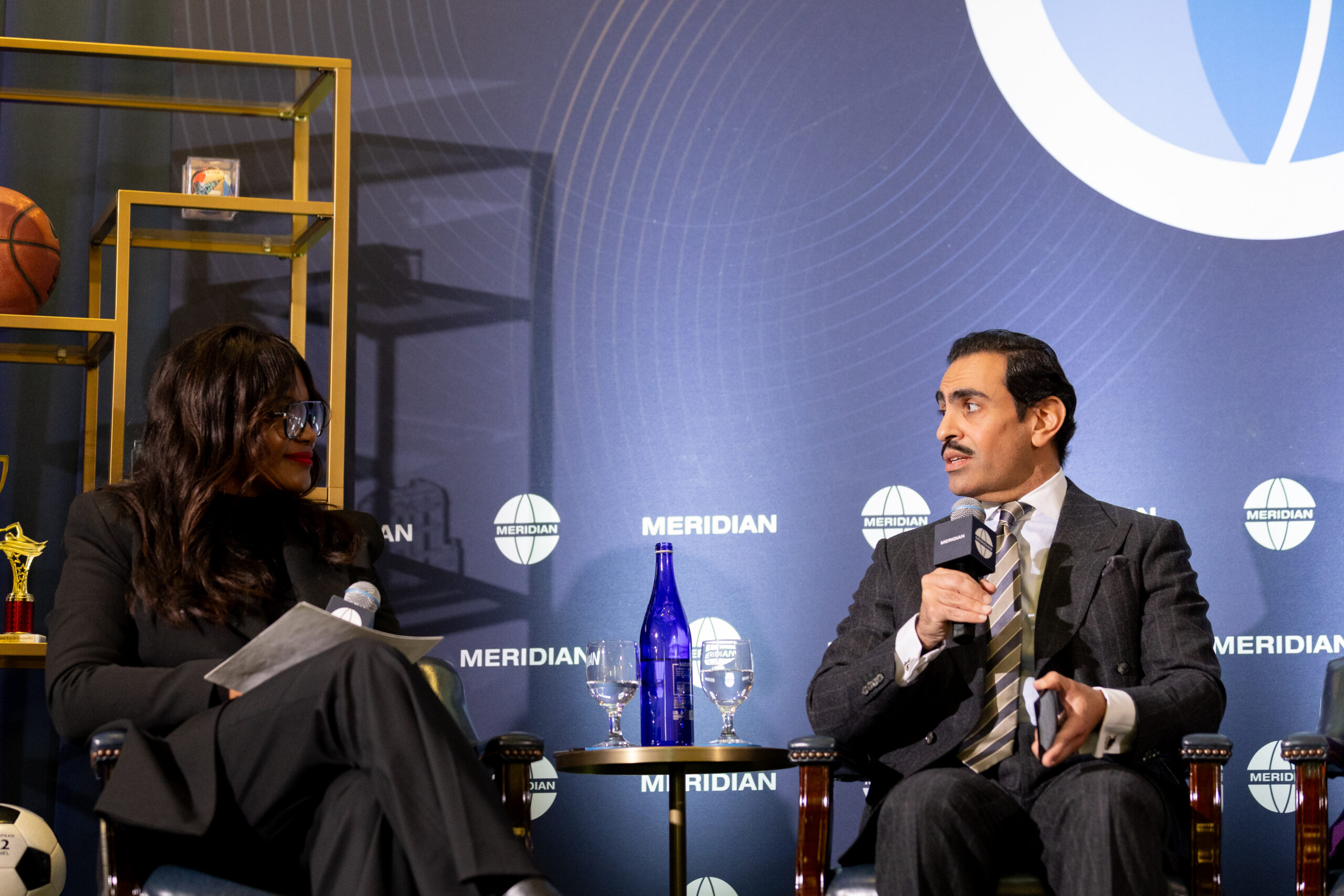
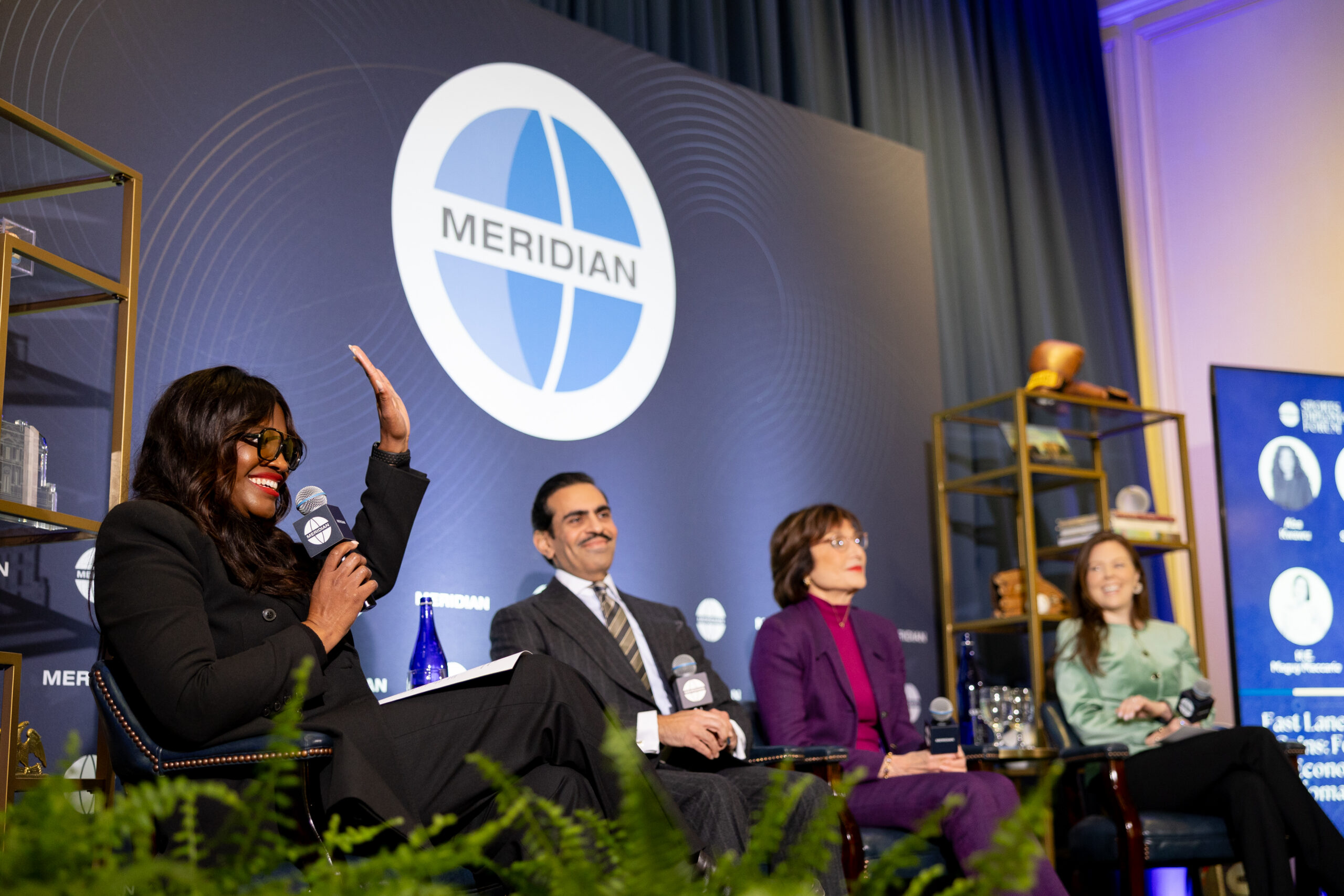
Featured speakers included His Excellency Shaikh Abdulla bin Rashid Al Khalifa, Ambassador of the Kingdom of Bahrain to the U.S.; Her Excellency Maguy Maccario, Ambassador of the Principality of Monaco to the U.S. and Canada; Stefanie Williams, Deputy Assistant Secretary for Professional and Cultural Exchanges, Bureau of Educational and Cultural Affairs, U.S. Department of State; and moderator Aba Kwawu, President of TAA PR.
Here Were the Top Takeaways from the Program:
1. Formula 1 transforms place into identity and national narrative
Panelists emphasized that Formula 1 is most effective as a diplomatic tool when it is rooted in place. Monaco’s Grand Prix, staged on public streets since 1929, reflects ingenuity born of constraint and has become inseparable from the country’s global identity. Bahrain’s Grand Prix similarly reflects a national story of openness and ambition, using motorsports to position the country as a regional hub and a welcoming destination. In both cases, Formula 1 serves as a platform for telling a national story to a global audience.
2. Continuity and reliability build trust and soft power over time.
Monaco’s near-century-long commitment to hosting the Grand Prix was highlighted as a source of credibility and trust. By offering a consistent, predictable convening space year after year, the event creates an environment where leaders from government, business, culture, and sport can gather outside formal political settings. This continuity reinforces authenticity and demonstrates how long-term investment in sport can yield durable diplomatic relationships.
3. Formula 1 can catalyze economic diversification and innovation ecosystems.
Bahrain’s experience illustrated how hosting Formula 1 can drive broader economic and infrastructure development. Investments in the Bahrain International Circuit, logistics systems, airport expansion, and workforce training have created an ecosystem that supports motorsports year-round. Beyond hosting races, Bahrain’s involvement in team ownership, testing facilities, and youth engagement reflects how sports diplomacy can align with national strategies focused on innovation, skills development, and economic diversification.
4. Mega-sporting events strengthen cultural exchange and people-to-people ties.
The panel highlighted how Formula 1 weekends and other global sporting events function as cultural showcases. In the United States, races in cities like Austin, Miami, and Las Vegas—as well as the upcoming World Cup—offer opportunities to welcome international visitors and share American values and culture. These events also generate repeat engagement, as first-time visitors return for future sporting, cultural, or business opportunities, deepening long-term relationships.
5. Long-term legacy defines the true value of sports diplomacy.
Panelists agreed that Formula 1’s success should be measured not only by commercial outcomes, but by the legacy it creates. From sustainability and technological innovation to youth development and workforce pathways, the sport increasingly sits at the intersection of technology, media, and storytelling. When innovation developed through racing contributes to real-world solutions, Formula 1 becomes a model for how mega-events can deliver enduring diplomatic, economic, and societal benefits.
Project summary
| Fast Lanes & Global Gains: Formula 1’s Economic and Diplomatic Growth | January 2026 | |
|---|---|
| Program Areas: | Sports and Culture |
