

Exploring the Future of Corporate Diplomacy at the 8th Annual Economic and Trade Ministers Reception
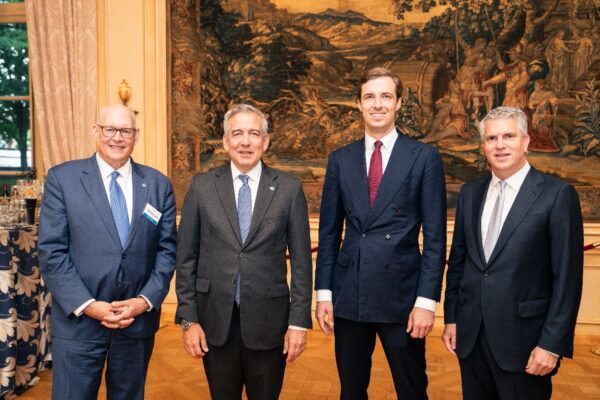
As geopolitical competition intensifies, supply chains are reconfigured, and economic security becomes increasingly intertwined with national security. Governments alone can no longer shape the global operating environment. The private sector has become an indispensable partner in advancing U.S. competitiveness, strengthening trusted supply chains, accelerating innovation, and building international partnerships. As a result, corporate diplomacy is emerging as a defining feature of modern economic statecraft.
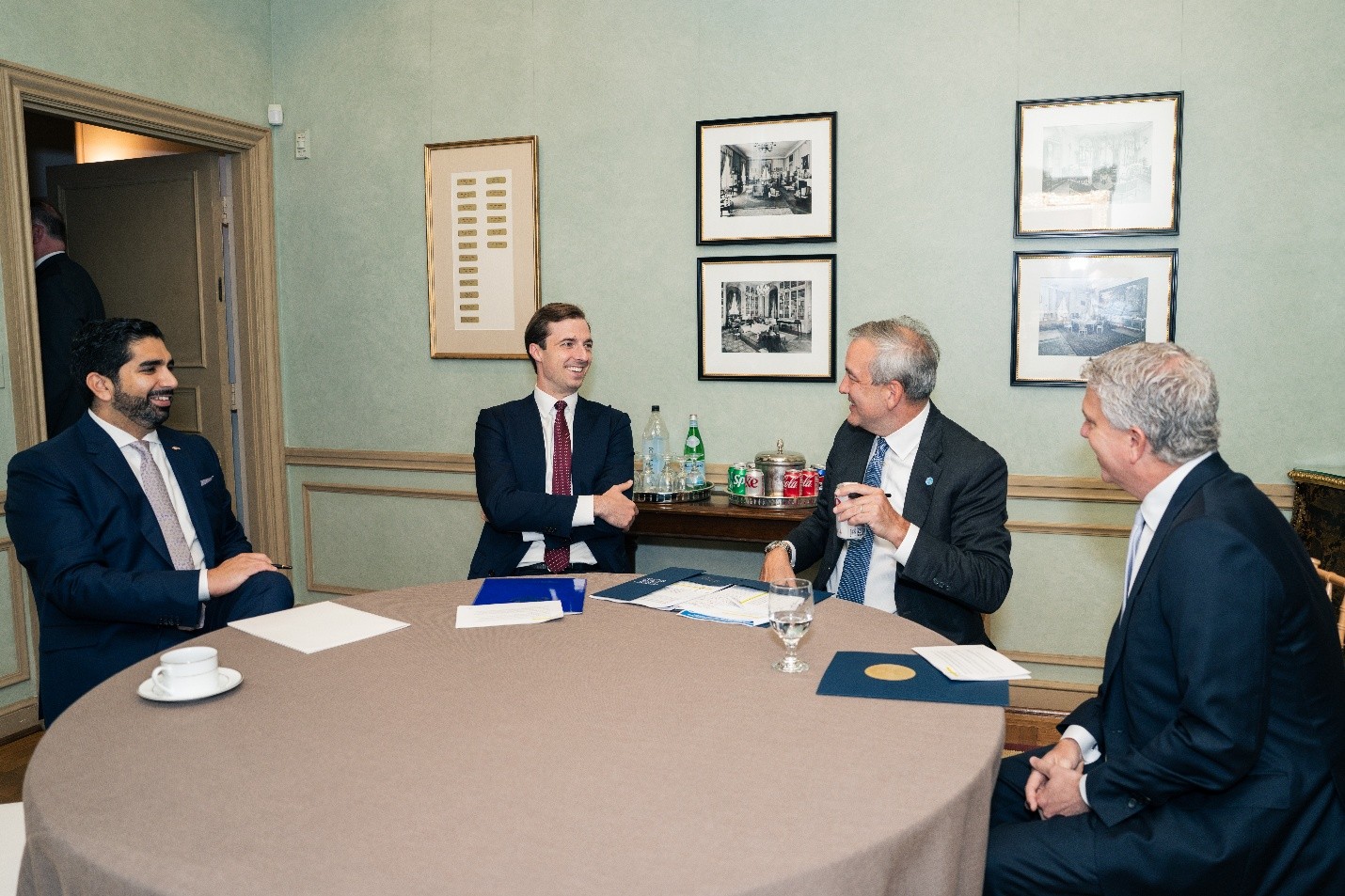
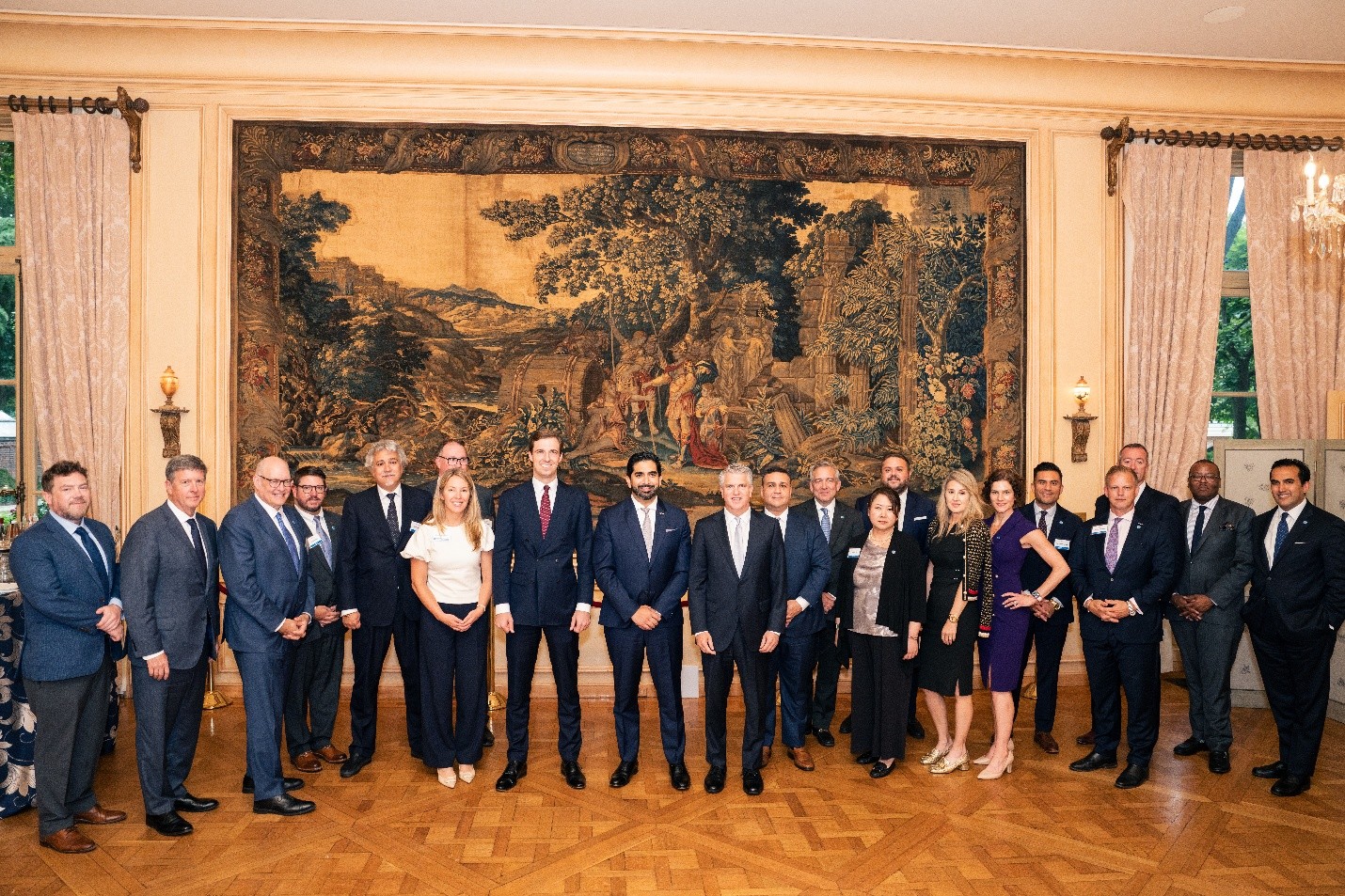
Meridian International Center explored these shifts during its 8th Annual Economic and Trade Ministers Reception, which convened ambassadors, senior government officials, corporate executives, and international business leaders. Prior to the reception, Meridian’s Center for Corporate Diplomacy held a closed-door panel discussion on the future of corporate diplomacy, examining how closer public-private collaboration can strengthen U.S. competitiveness in an increasingly complex global economy. The program also marked the launch of Meridian's Corporate Council Working Groups, a new initiative designed to foster sustained engagement between government and industry on economic security, foreign direct investment, critical minerals and energy, digital and artificial intelligence (AI), and regional priorities.
The program opened with remarks from Meridian CEO David Bohigian, who framed the growing importance of corporate diplomacy in an increasingly multipolar world and announced the launch of Meridian's Corporate Council Working Groups. Special remarks from His Excellency Roberto Lazzeri, Ambassador of Mexico to the United States, and Steve Morrissey, Senior Vice President of Regulatory and Policy at United Airlines and incoming chair of the Meridian Corporate Council Executive Committee, underscored the importance of trusted partnerships, regional economic integration, and sustained public-private engagement.
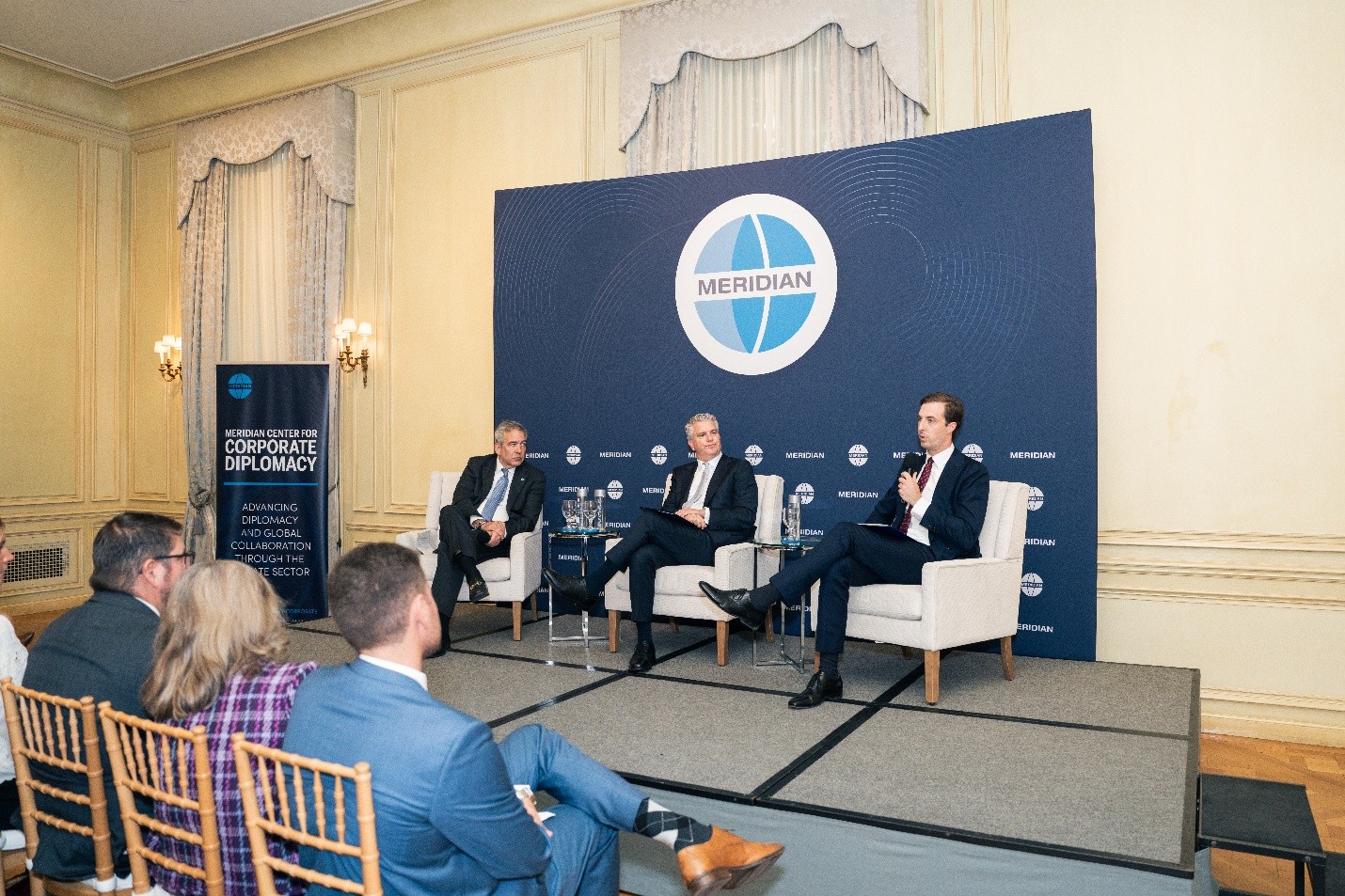
The featured panel discussion brought together The Honorable Caleb Orr, Assistant Secretary of State for Economic, Energy, and Business Affairs, and The Honorable David Fogel, Assistant Secretary of Commerce and Director General of the United States and Foreign Commercial Service for the International Trade Administration (ITA) at the U.S. Department of Commerce, for a conversation moderated by David Bohigian. The discussion explored how economic diplomacy is evolving to address today's geopolitical challenges, highlighting the growing role of business in advancing U.S. competitiveness, strengthening economic security, and building resilient international partnerships.
Here are the top takeaways:
1. Public-Private Collaboration Is a Competitive Advantage
Economic diplomacy now depends on more than government-to-government engagement. Businesses shape the operating environment through investment decisions, supply chain design, technology deployment, and commercial partnerships, which means national competitiveness increasingly depends on how well government and industry work together. The World Economic Forum has argued that public-private collaboration is central to resilience, and that companies that integrate resilience into strategy are better positioned to respond to shocks and uncertainty. Corporate diplomacy is not simply an add-on or a “nice-to-have”; rather, it is now a central part of how countries compete.
2. Communication Is Essential Across Agencies and Sectors
A major challenge in economic diplomacy is not only what resources exist, but whether companies know how to access them and whether agencies are aligned enough to deliver them well. Commerce’s export-support network is designed to help U.S. firms navigate foreign markets, and its materials emphasize coordination with other agencies such as the Department of Commerce, the State Department, and the DFC. The American AI Exports Program also shows how the policy process can be shaped by industry input through a formal request-for-information process. When there is better communication, it reduces friction, speeds up support, and makes the government more usable to business.
3. Public-Private Collaboration as a Two-Way Benefit
Public-private collaboration works when it produces commercial and strategic gains at the same time. U.S. companies operating abroad can expand demand for American exports, create jobs at home, and help advance foreign-policy goals, while government can help level the playing field by addressing market barriers and supporting firms in foreign markets. Commerce has also shifted toward a more strategic, outcome-oriented model rather than a purely transactional one, which reflects a broader move away from counting meetings and toward measuring impact. That matters because the most effective diplomacy is usually the kind that leaves both sides better off.
4. Economic Security Is National Security
Supply chains, critical minerals, semiconductors, and other strategic inputs are no longer just trade issues. They are security issues because concentration in vulnerable suppliers or chokepoints can create economic and geopolitical leverage for competitors. Recent analysis continues to warn that reliance on adversarial sources for critical minerals and semiconductor inputs poses a real risk, while allied sourcing and diversification are central to reducing exposure. For countries and corporations to maintain resiliency, they cannot just avoid disruption, but aim to preserve freedom of action.
5. Launching the Corporate Council Working Groups
Meridian’s new Corporate Council Working Groups, organized across regions and sectors, are designed to create a more durable channel for private-sector expertise to inform policy discussions and help companies navigate an increasingly complex geopolitical environment. By focusing engagement around the issues that matter most to industry and policymakers alike, the Working Groups are intended to move beyond one-off conversations and toward more sustained coordination. They also provide a practical forum for identifying recurring cross-border challenges — including issues such as digital services taxes across multiple markets — and for aligning advocacy and resources more strategically. In that sense, the Working Groups are less about conversation for its own sake than about creating a structure that can translate dialogue into more measurable impact.






Project summary
| Exploring the Future of Corporate Diplomacy at the 8th Annual Economic and Trade Ministers Reception | July 2026 | |
|---|---|
| Impact Areas: | Global Health |
| Program Areas: | Corporate Diplomacy |
| Partners: | Private Sector |
