

Design as Diplomacy: Shaping Culture and Soft Power
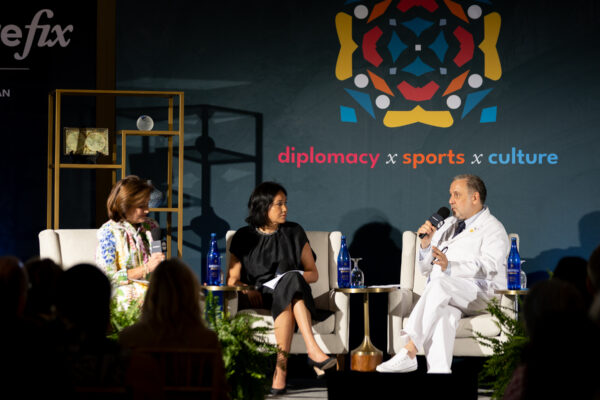
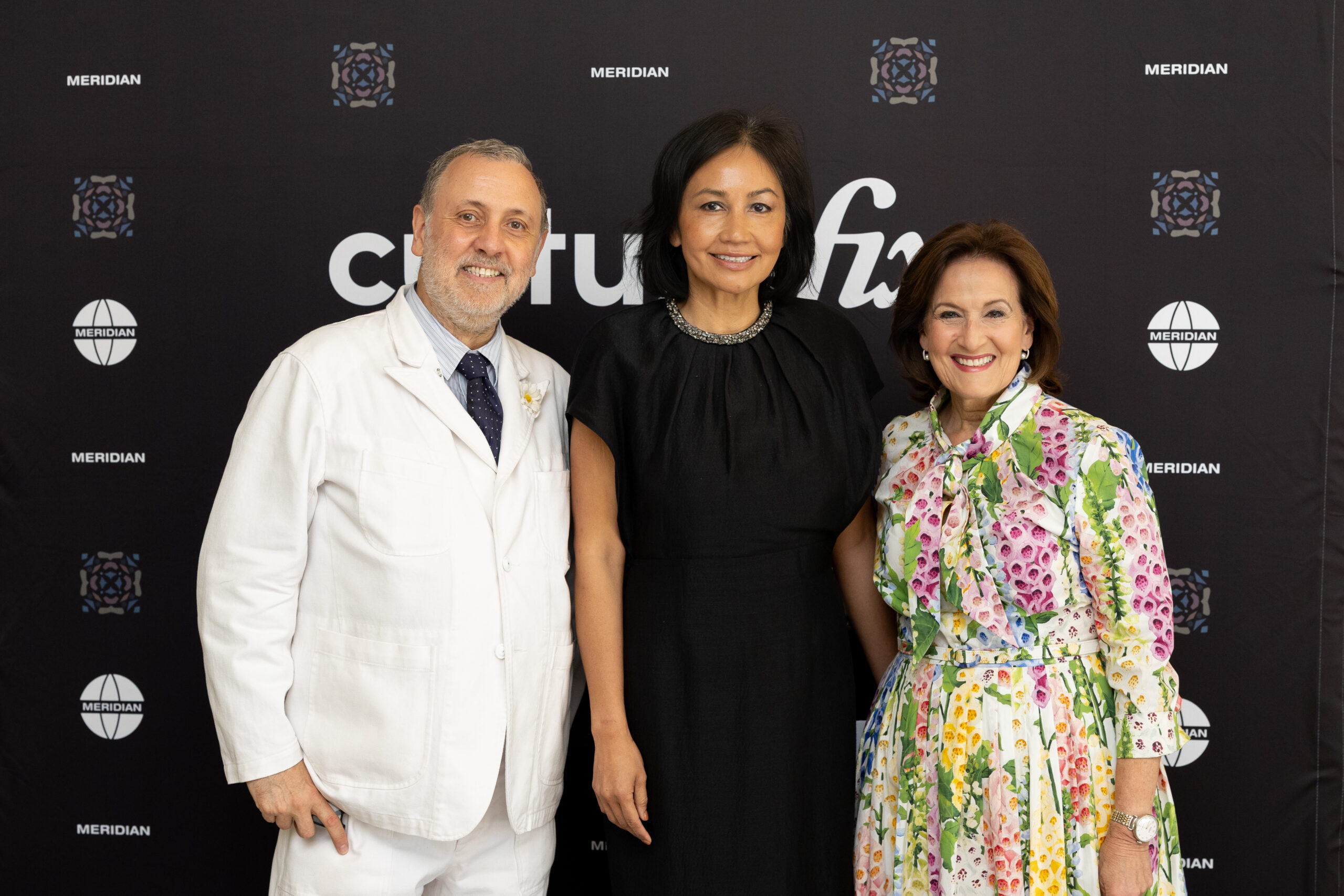
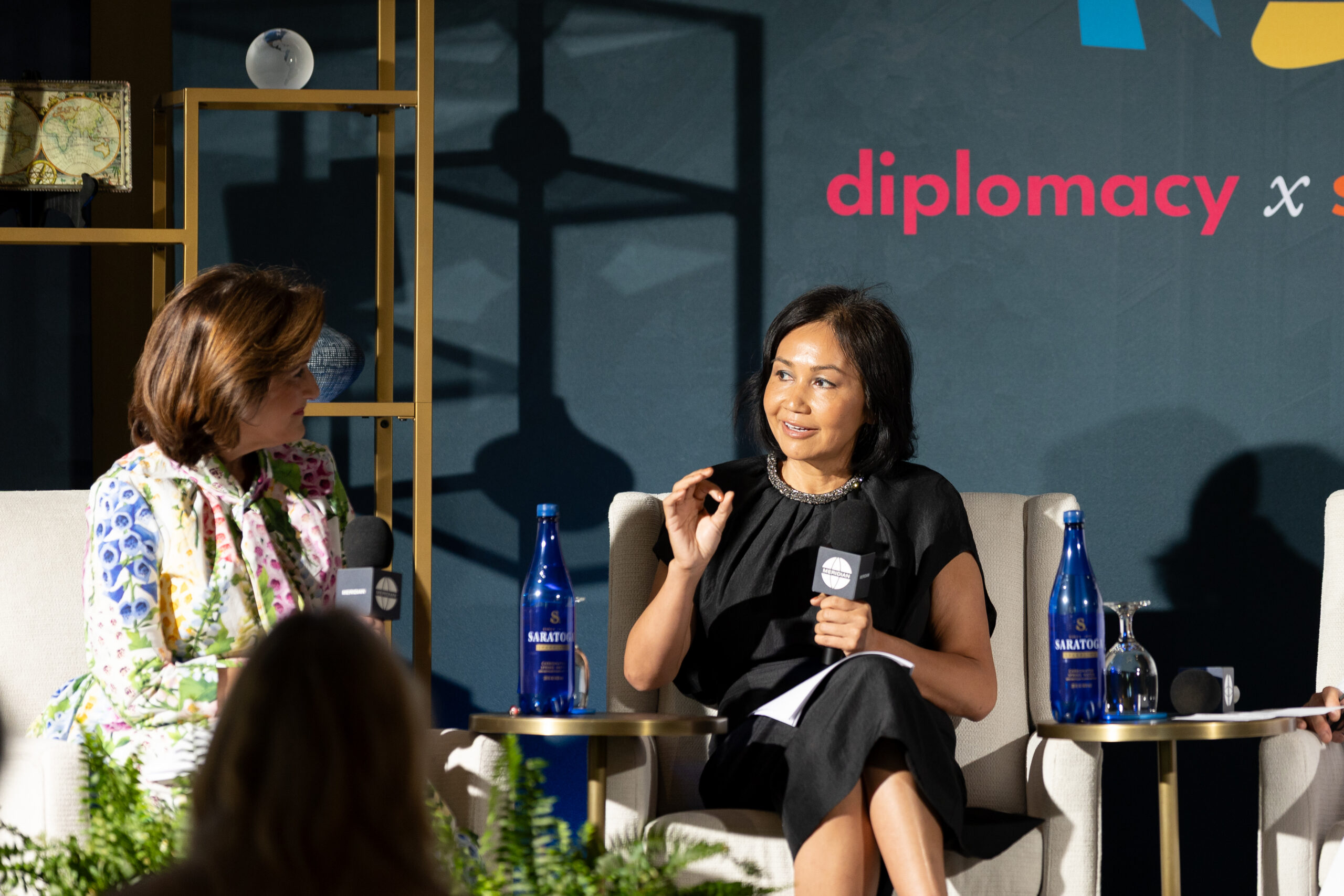
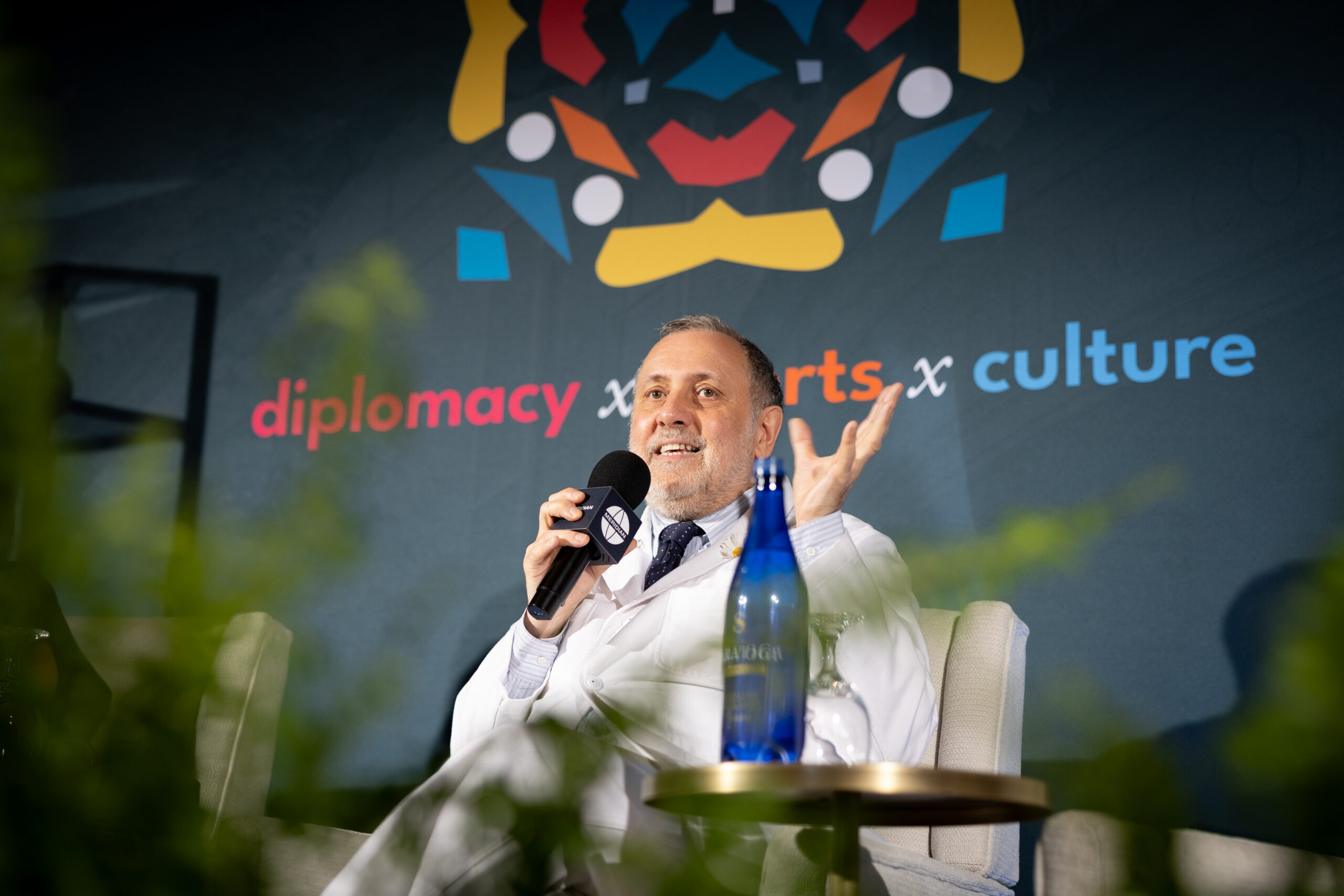
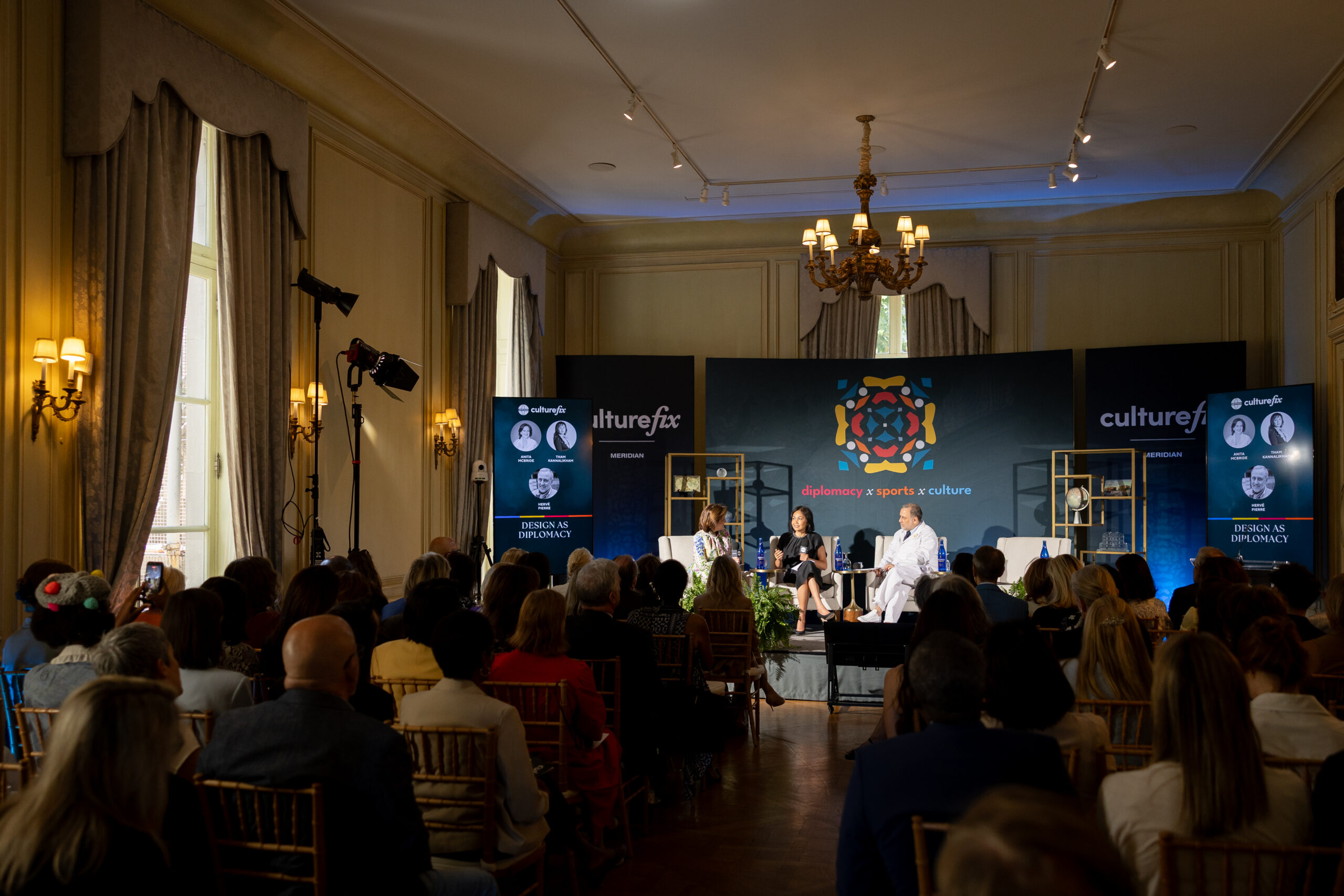
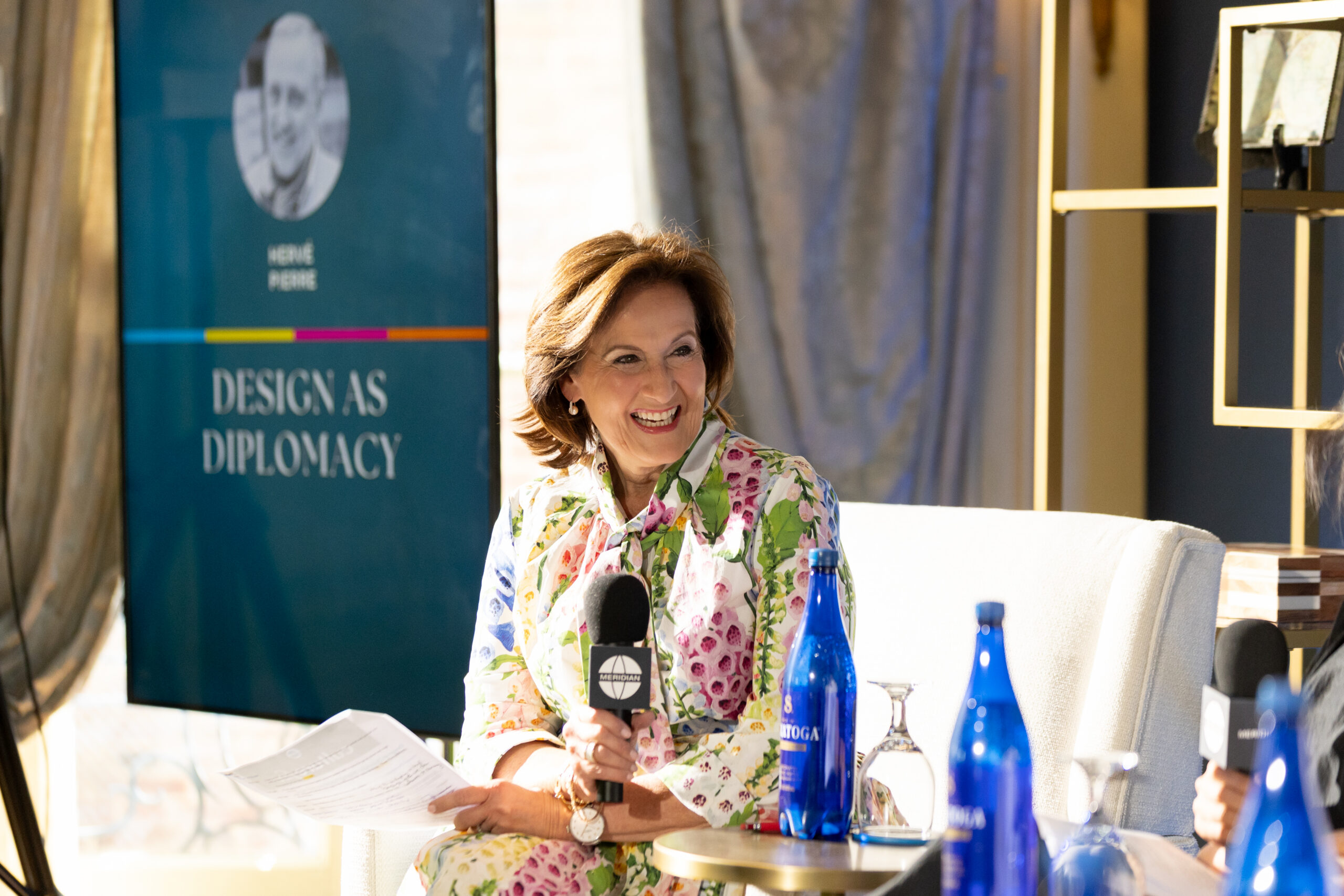
The first statement in a room is rarely delivered from a podium. More often, it emerges through a striking design element, an elegant gown, or a thoughtfully chosen color that speaks without words. In diplomatic settings, these visual cues do more than decorate—they communicate national identity, reflect values, and shape how a country presents itself on the global stage. This timely conversation, moderated by Anita McBride, Director of the Legacies of America's First Ladies Initiative, explored how interior design and fashion shape the way the United States shows up to the world, especially through iconic spaces like the White House and through the public role of the First Lady. Drawing on the experiences of designer Tham Kannalikham and fashion designer Hervé Pierre, the discussion highlighted design as a form of soft power.
Here are the top takeaways:
1. Design is a Language for Soft Power
Throughout the conversation, design was framed as a way nations tell their story beyond words. Kannalikham described her design for the diplomatic reception rug containing a circular motif where each flower represents a state as it enters the union, symbolizing unity and connection. Kannalikham framed her thought process as “we may be separate states, but we are all American.”
Pierre emphasized that the White House has always been a stage for how America presents itself globally, sharing a story of how he choose green for the First Lady’s dress as it represented good luck in the guest country’s culture. Both panelists, through their stories and art, showed that design can shape first impressions and communicate cultural connections across borders.
2. History and Modernity Strengthen One Another: “We don’t arrive with a blank page”
One of the central themes of the conversation was that strong contemporary design grows out of historical knowledge. Kannalikham described how modern design is an evolution of enduring historical principles such as scale, order, and proportion. Impactful work respects the past while adapting spaces for present-day use. In diplomatic settings, this balance matters, making spaces feel historically grounded while still serving modern needs.
3. Cultural Exchange Empowers Design
Both speakers described how international experiences shaped their careers. Kannalikham reflected on how travel and exposure to traditions from Europe and Asia informed her work, while Pierre described fashion as a continuous dialogue across countries and artistic traditions. Both panelists emphasized that diplomacy in design flourishes through thoughtful exchange.
4. The White House is a Historic Institution
The discussion showed how designing for the White House involves more than preservation or simple decoration. Designing for the White House requires solving practical, modern problems while respecting symbolism and public memory. Projects such as the tennis pavilion, inaugural ball gowns, and restoring wallpaper were described as lasting contributions because they combined craftsmanship and historical meaning. Renovations to the White House follow a long tradition of adaptation as the needs of its occupants and the nation it represents evolve over time.
5. Stewardship is Essential in Design
The panel emphasized research, preservation, technique, and disciplined decision-making as part of the process. Pierre described dressing a First Lady as an exercise in precision and cultural awareness where even a single garment can carry historical weight. In both fashion and interior design, creating work that is elegant and relatable requires skill and intention.
The conversation presented design as a diplomatic practice and an example of open diplomacy that can reach people across borders and cultures. Whether through the preservation of historic rooms or the design of garments worn on the world stage, design shapes how institutions are understood and how nations are remembered.
Project summary
| Design as Diplomacy: Shaping Culture and Soft Power | June 2027 | |
|---|---|
| Program Areas: | Sports and Culture |
