

Corporate Council Annual Meeting with Dr. Pierre Yared, Acting Chair, Council of Economic Advisers
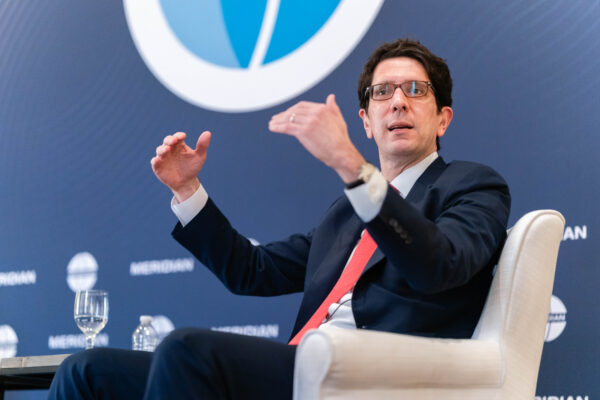
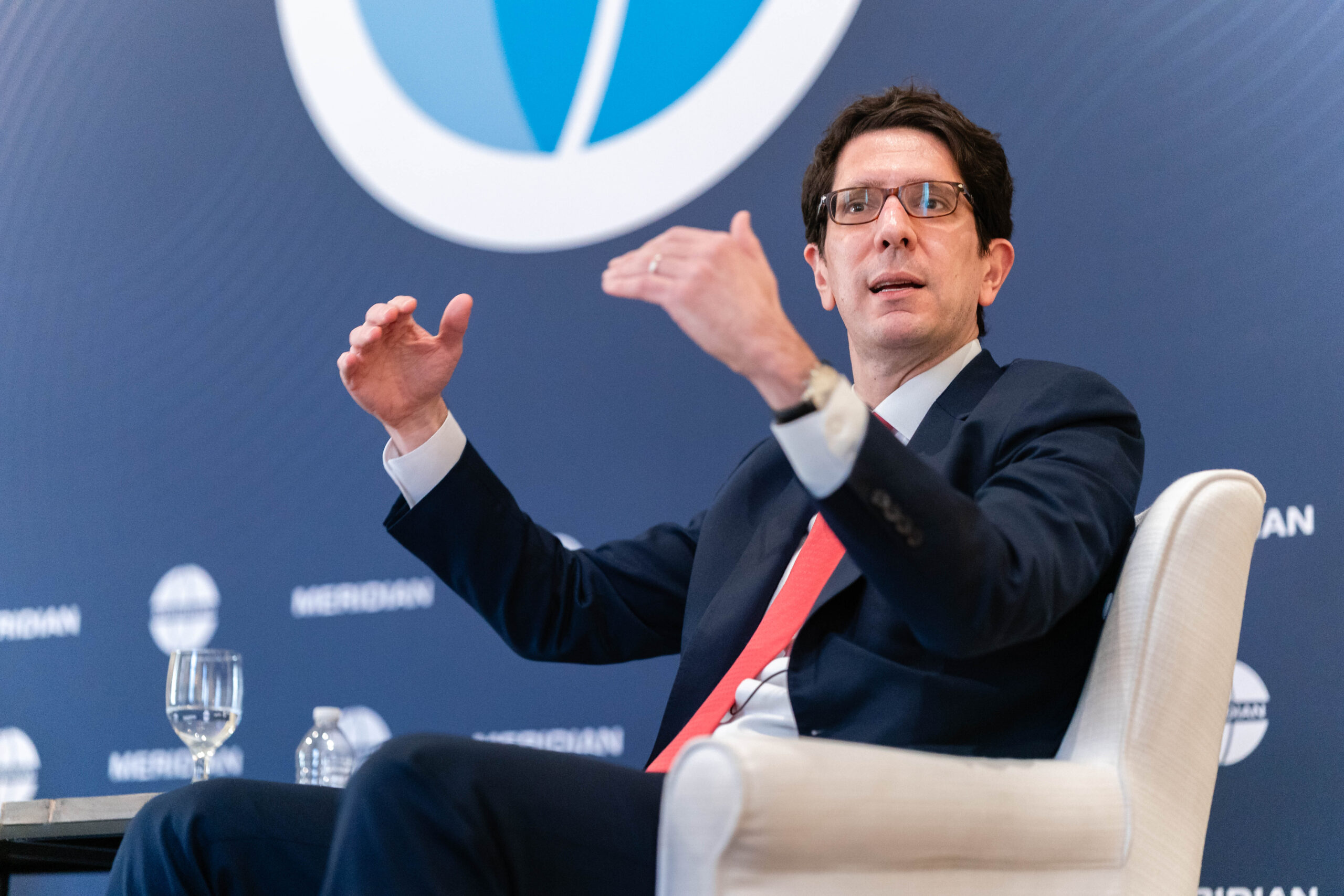
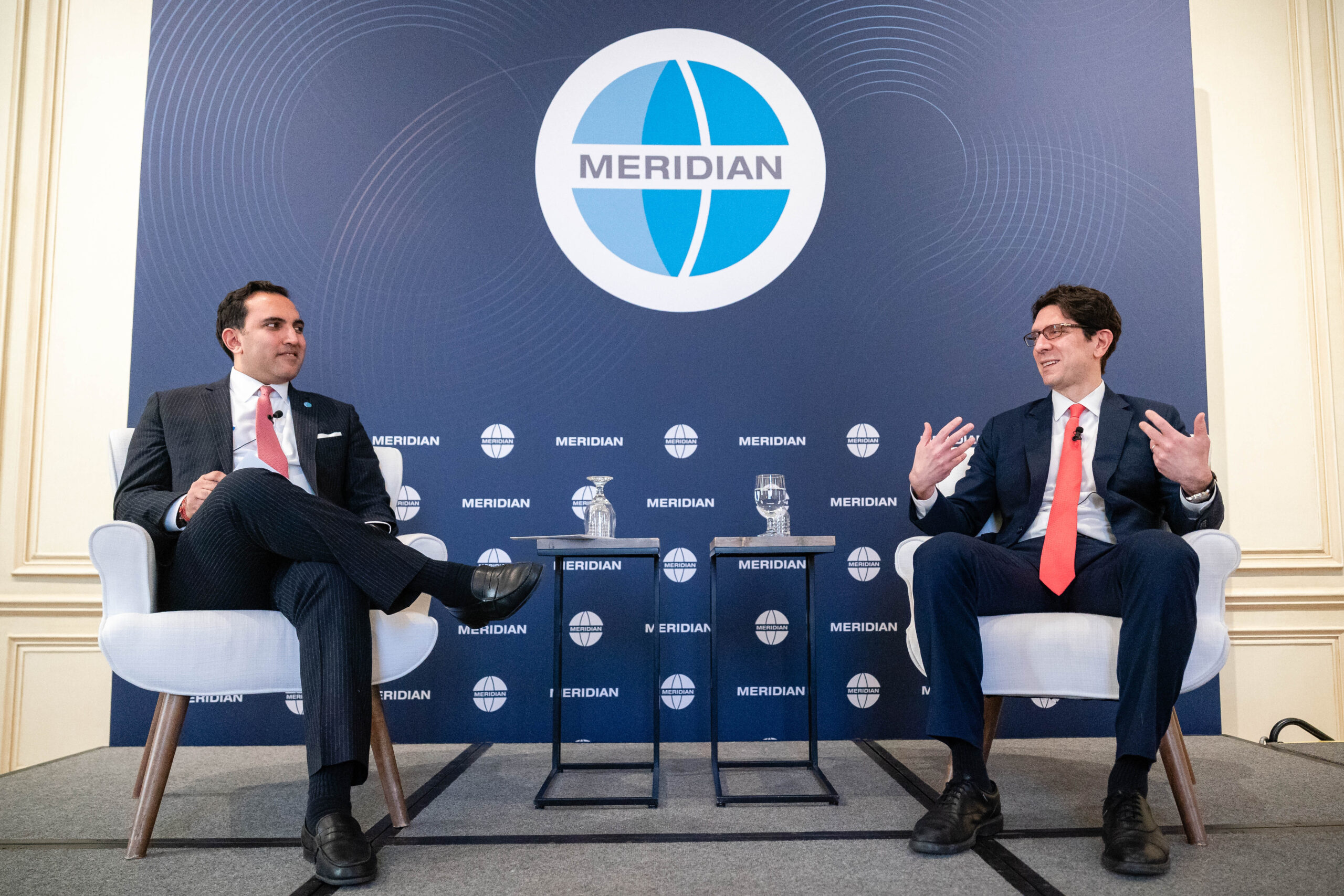
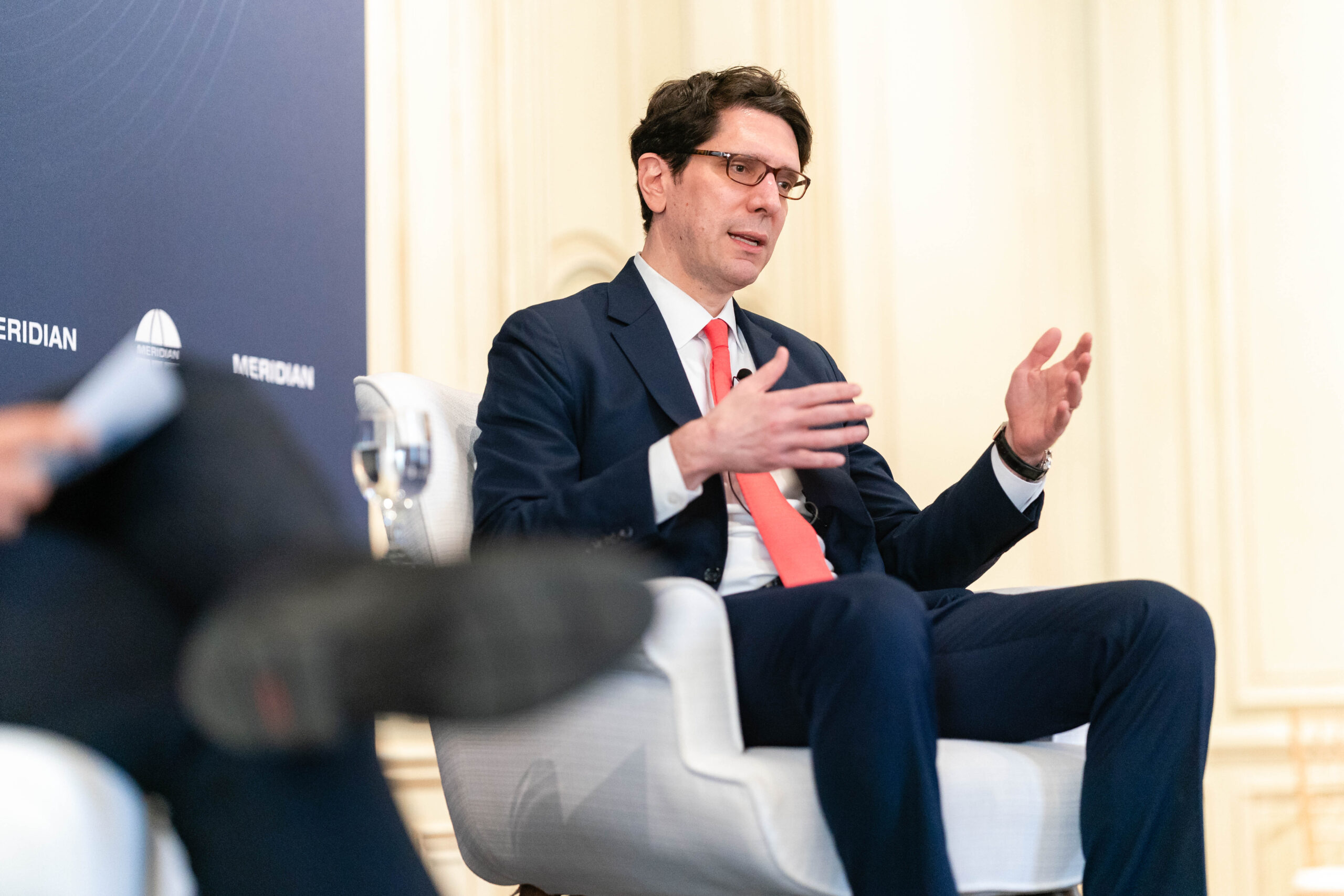
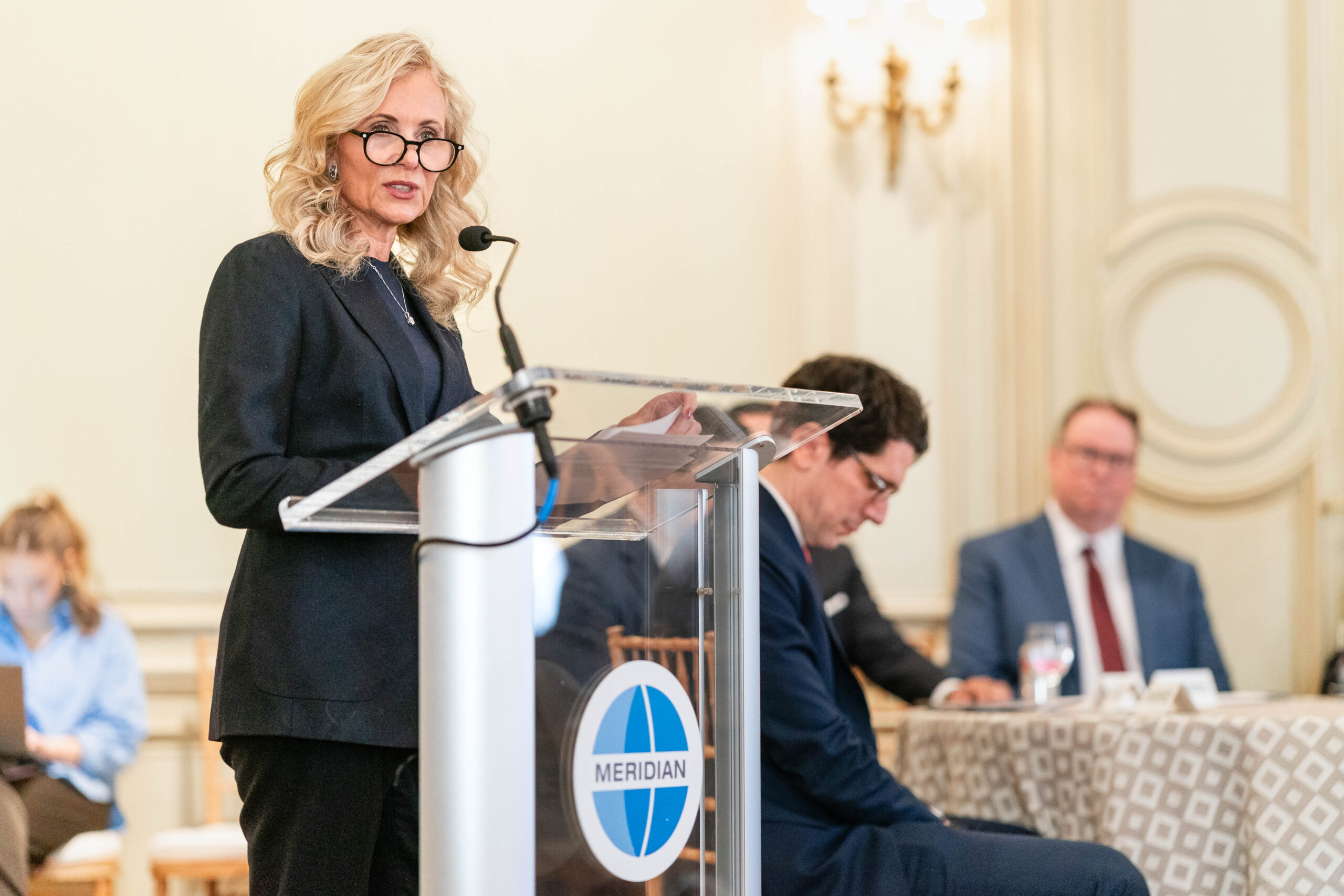
U.S. economic policy is entering a pivotal moment as businesses navigate shifting trade dynamics, evolving tariff regimes, and heightened geopolitical uncertainty. On January 20, 2026, Meridian convened its 10th Annual Corporate Council Meeting, featuring Dr. Pierre Yared, Acting Chair of the White House Council of Economic Advisers, for an in-depth discussion on the administration’s economic agenda and what it means for U.S. companies operating globally.
The discussion focused on the Trump Administration’s approach to tax and tariff policy, the strategic objectives shaping these decisions, and how U.S. businesses can strengthen competitiveness as supply chains realign and economic statecraft plays an increasingly central role in global markets.
Here Were the Top Takeaways from the Program:
1. Policy Shapes Competitiveness
Fiscal, regulatory, and trade policy choices continue to exert a direct influence on business decision-making—from capital allocation and site selection to supply chain design. The combined effects of deregulation, recent tax legislation, and trade measures are reinforcing incentives to invest and produce in the United States. Together, these policy signals have supported strong GDP growth, increased manufacturing value-added, and productivity gains, particularly in capital-intensive sectors. Competitiveness is increasingly understood not as a function of markets alone, but of policy environments that reduce friction, accelerate execution, and support long-term domestic investment.
2. AI and Digital Transformation Are Driving Productivity
Artificial intelligence and digital tools are reshaping how work is performed, often through bottom-up adoption rather than centralized mandates. Small and mid-sized enterprises are emerging as early and agile adopters, using AI to improve efficiency, streamline operations, and unlock productivity gains. Emphasis has been placed on experimentation, regulatory clarity, and avoiding premature constraints that could slow innovation. Supporting infrastructure, including energy capacity and data systems, alongside a flexible regulatory environment is viewed as essential to sustaining U.S. leadership in AI-driven growth.
3. Tariffs as Revenue and Tools of Economic Statecraft
Tariffs are increasingly framed as multi-purpose policy instruments rather than solely trade enforcement mechanisms. From a fiscal standpoint, tariff revenues contribute meaningfully to government receipts while dynamically influencing trade behavior as firms adjust sourcing and supply chains. Strategically, tariffs function as tools of economic statecraft—shaping incentives, countering non-market practices, and supporting price stability in critical sectors such as minerals and strategic manufacturing. When paired with targeted public investment, trade measures can reinforce domestic capacity and signal long-term policy direction to global markets.
4. Global Trade Dynamics Are Increasingly Complex
Trade policy featured prominently amid ongoing supply chain realignment and heightened focus on China. Tariffs and trade remedies are being deployed to address non-market behavior, industrial subsidies, and persistent overcapacity—particularly in critical minerals and advanced manufacturing. These measures are increasingly complemented by targeted public investment to ensure strategic industries remain viable and competitive. As countries pursue greater domestic resilience, sustaining U.S. export competitiveness requires clear policy signals, strategic coordination, and continued engagement with allies facing similar pressures.
5. Demographics and Labor Markets Require Strategic Focus
Demographic shifts—both in the United States and globally—are reshaping labor markets and long-term growth trajectories. Aging populations, youth labor market dynamics, and uneven workforce participation complicate traditional economic indicators and policy responses. Rather than relying on short-term interventions, emphasis is being placed on automation, productivity-enhancing technologies, and policies that enable longer workforce participation. Maintaining strong economic growth is viewed as central to managing labor transitions and minimizing disruption as industries evolve.


Project summary
| Corporate Council Annual Meeting with Dr. Pierre Yared, Acting Chair, Council of Economic Advisers | January 2026 | |
|---|---|
| Program Areas: | Corporate Diplomacy |
