

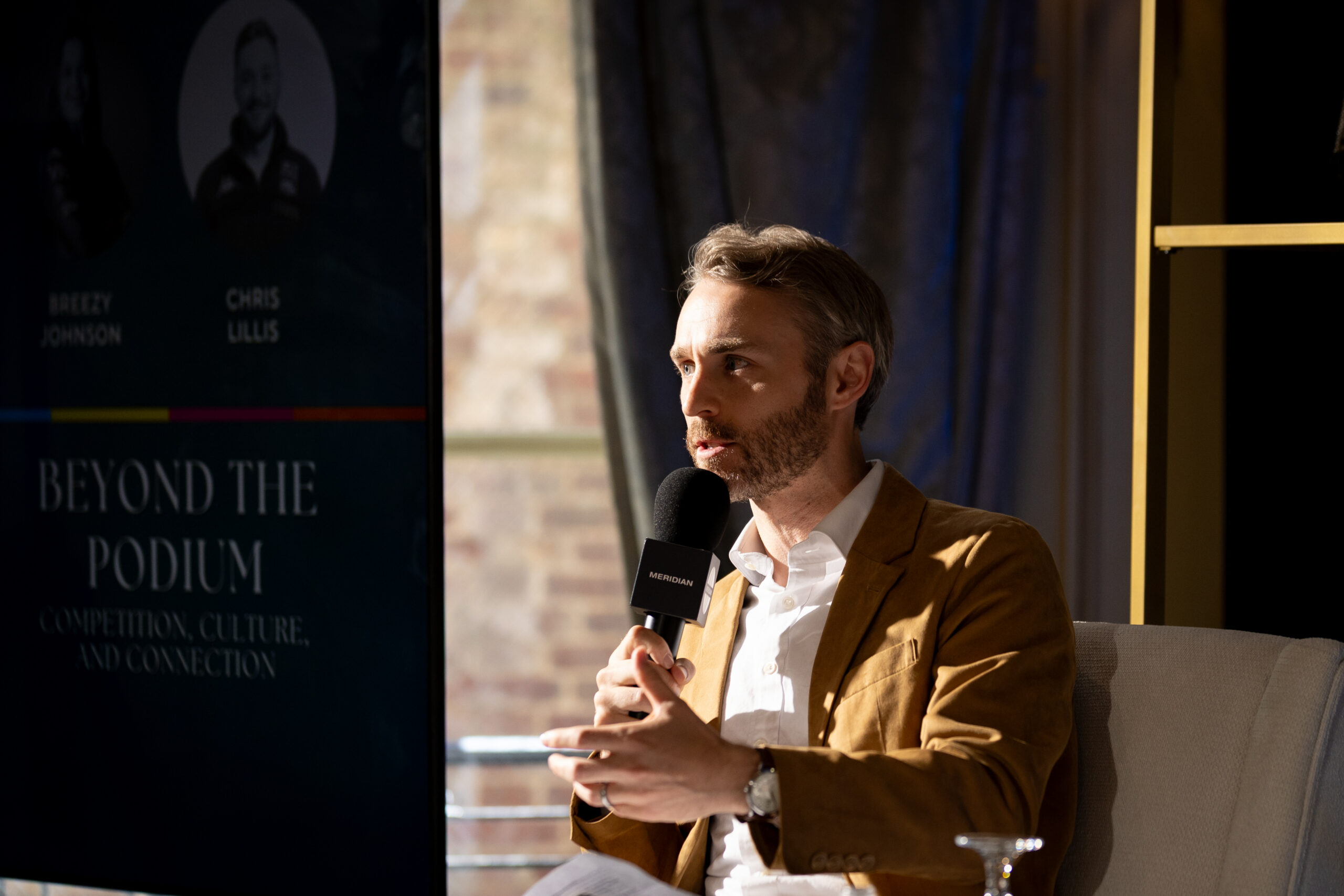
Beyond the Podium: Competition, Culture, and Connection
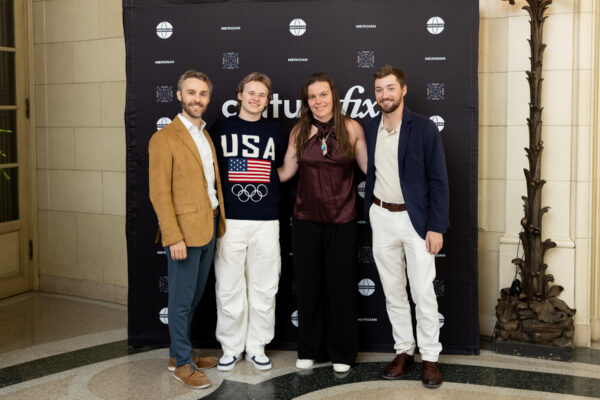
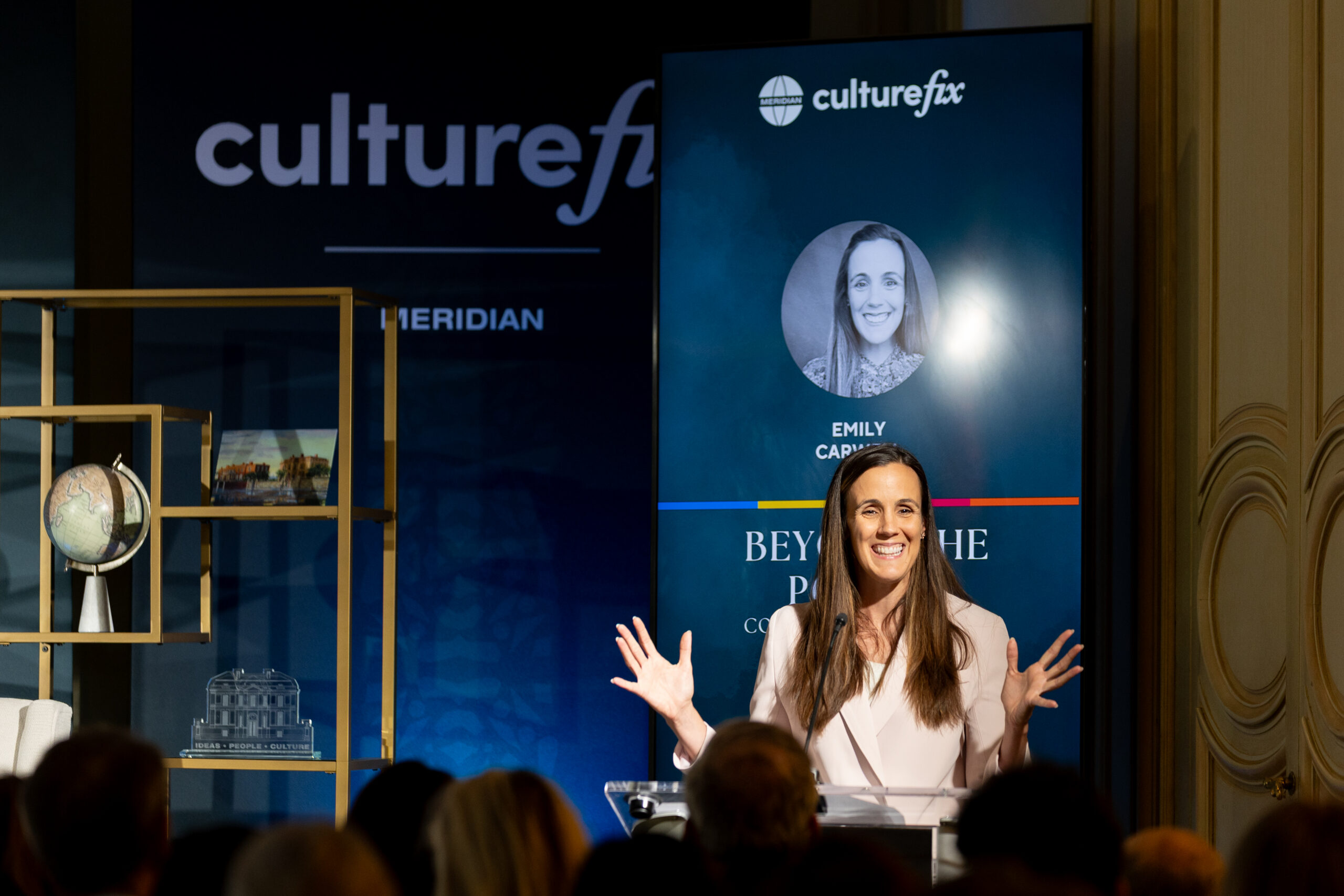
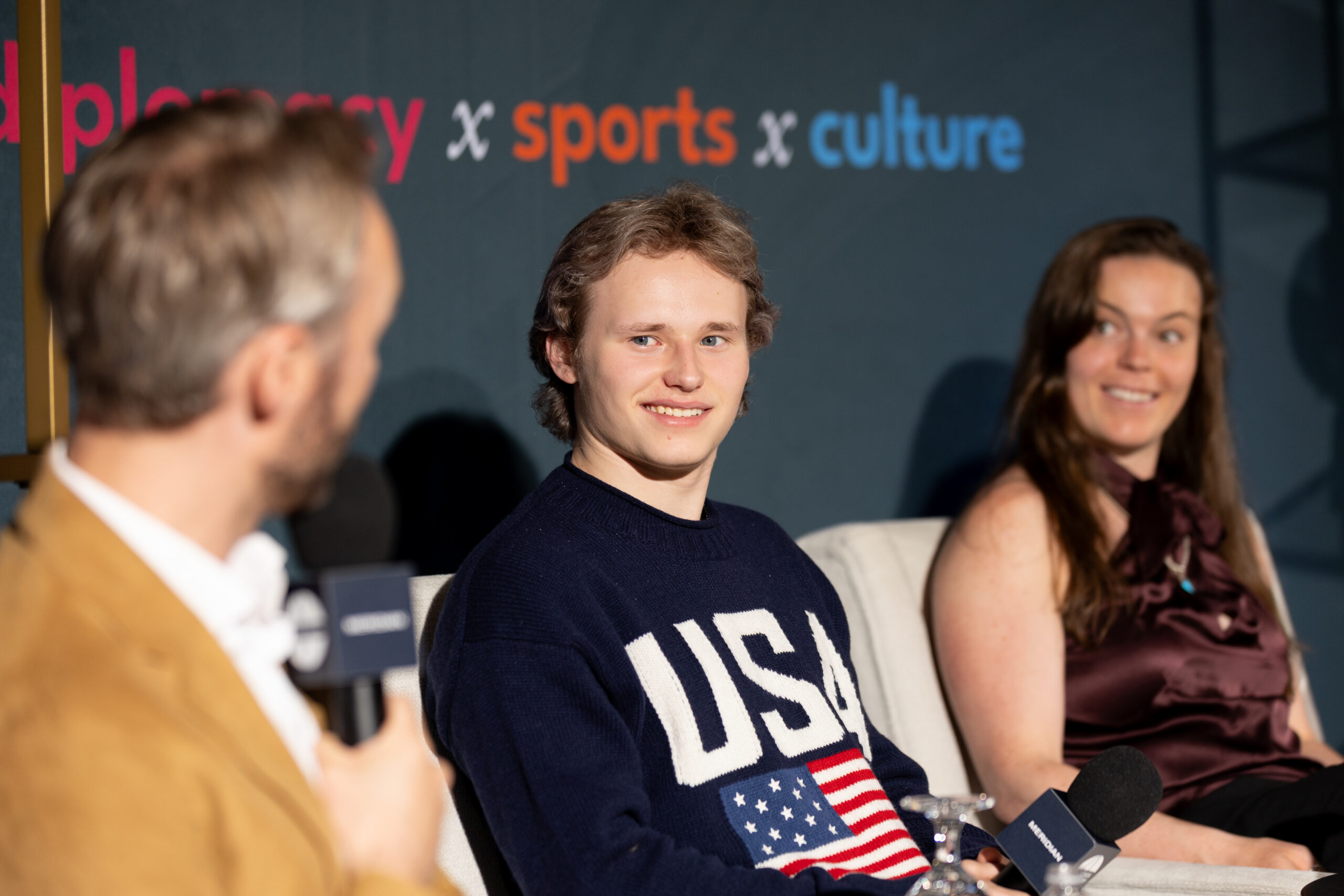
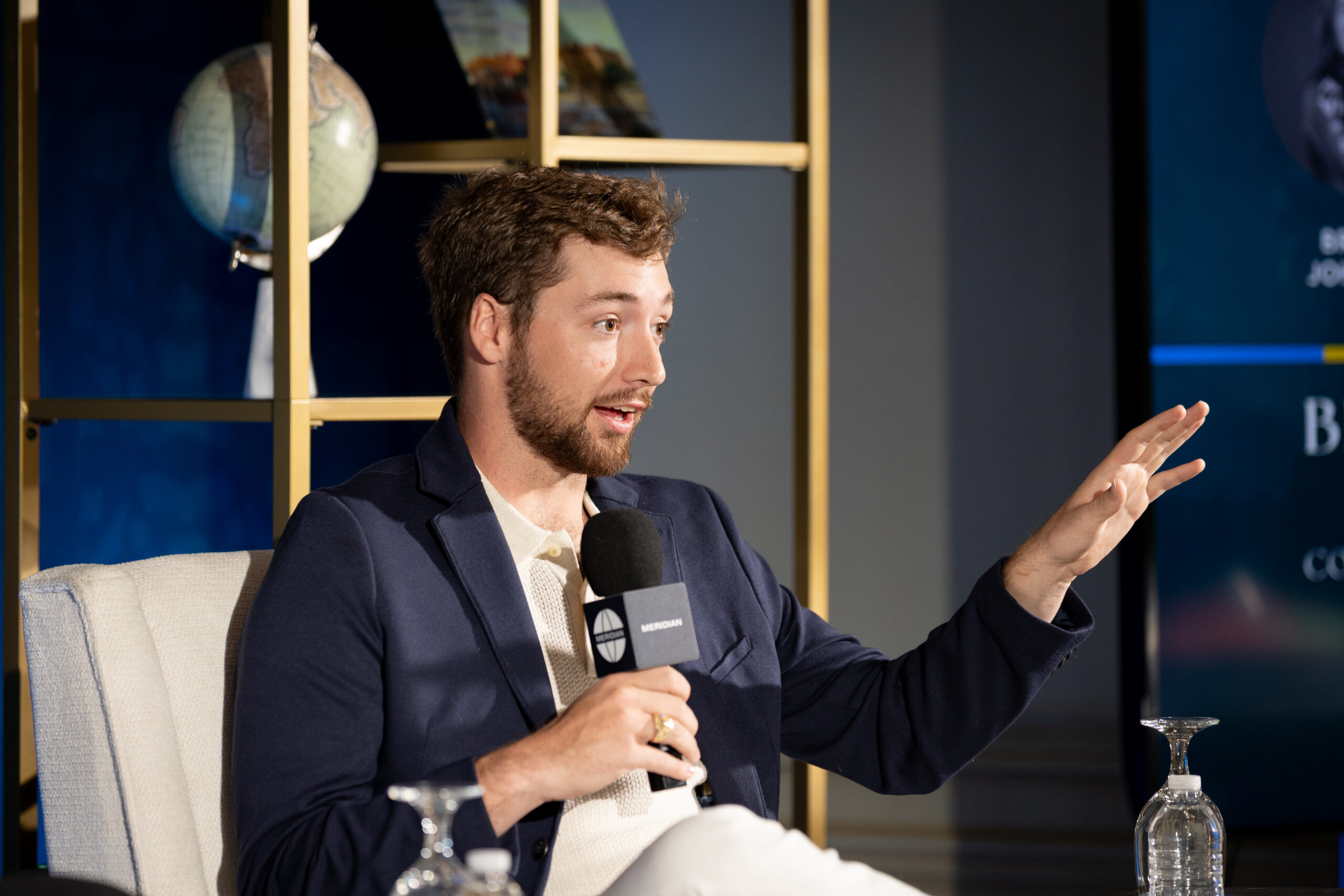
Sport has long served as a powerful platform for bringing people together across cultures, languages, and national boundaries. Following opening remarks from Emily Carwell, Vice President of Global Engagement and Government Affairs at the US Olympic & Paralympic Committee, Travis Parker, Founder and CEO of CenterCircle Sport, moderated a discussion featuring Olympic Team USA Gold Medalists Ilia Malinin, Breezy Johnson, and Chris Lillis. Reflecting on their experiences competing on the world's biggest stage, the athletes explored how sport connects people across cultures, communicates national values, and fosters relationships that transcend political and geographic boundaries.
Here are the top takeaways:
1. Athletes Often Become Diplomats Without Realizing It
Representing one's country on the international stage carries responsibilities that extend far beyond competition. The panelists reflected on how athletes shape perceptions of their nations through their conduct, interactions, and sportsmanship. Whether competing, traveling, or engaging with fans, athletes frequently serve as informal ambassadors whose actions can leave lasting impressions on global audiences.
2. The Olympic Movement Creates Rare Opportunities for Global Connection
The panelists reflected on the unique experience of competing alongside athletes from nearly every country in the world. While competitors arrive representing different cultures, languages, and political systems, they share a common commitment to excellence and mutual respect. The athletes noted that some of their most meaningful interactions came not during competition, but through the friendships and connections formed with fellow Olympians from around the globe based on shared experiences.
3. Some of the Most Meaningful Olympic Moments Happen Off the Podium
While medals often define public perceptions of athletic success, the panelists highlighted the relationships, exchanges, and acts of sportsmanship that occur behind the scenes. Encounters with athletes from other countries often create lasting memories and foster deeper cultural understanding. These moments demonstrate that sport's greatest impact is not always measured by competition results, but by the connections it creates between people.
4. Social Media Has Expanded Athletes' Global Reach
Athletes today communicate directly with international audiences in ways that were impossible for previous generations. Through digital platforms, competitors can share their experiences, engage with fans across borders, and shape conversations that extend well beyond the sport. This expanded visibility has increased both the opportunities and responsibilities that come with representing one's country on a global stage.
5. Los Angeles 2028 Represents More Than a Sporting Event
Looking ahead to the Los Angeles 2028 Olympic and Paralympic Games, the panelists discussed the opportunity for the United States to welcome the world through sport. Major international events create opportunities to showcase national values, celebrate cultural diversity, and strengthen connections. Beyond competition, Los Angeles 2028 has the potential to serve as a platform for cultural exchange and international engagement on a global scale.

Project summary
| Beyond the Podium: Competition, Culture, and Connection | June 2027 | |
|---|---|
| Program Areas: | Sports and Culture |
