

AI in Action: Transforming Aviation, Productivity, and the Future Workforce
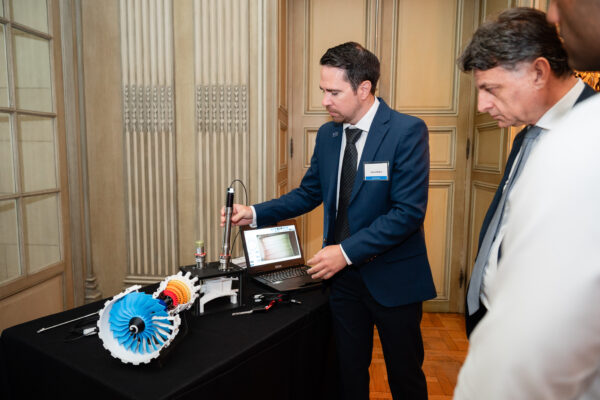
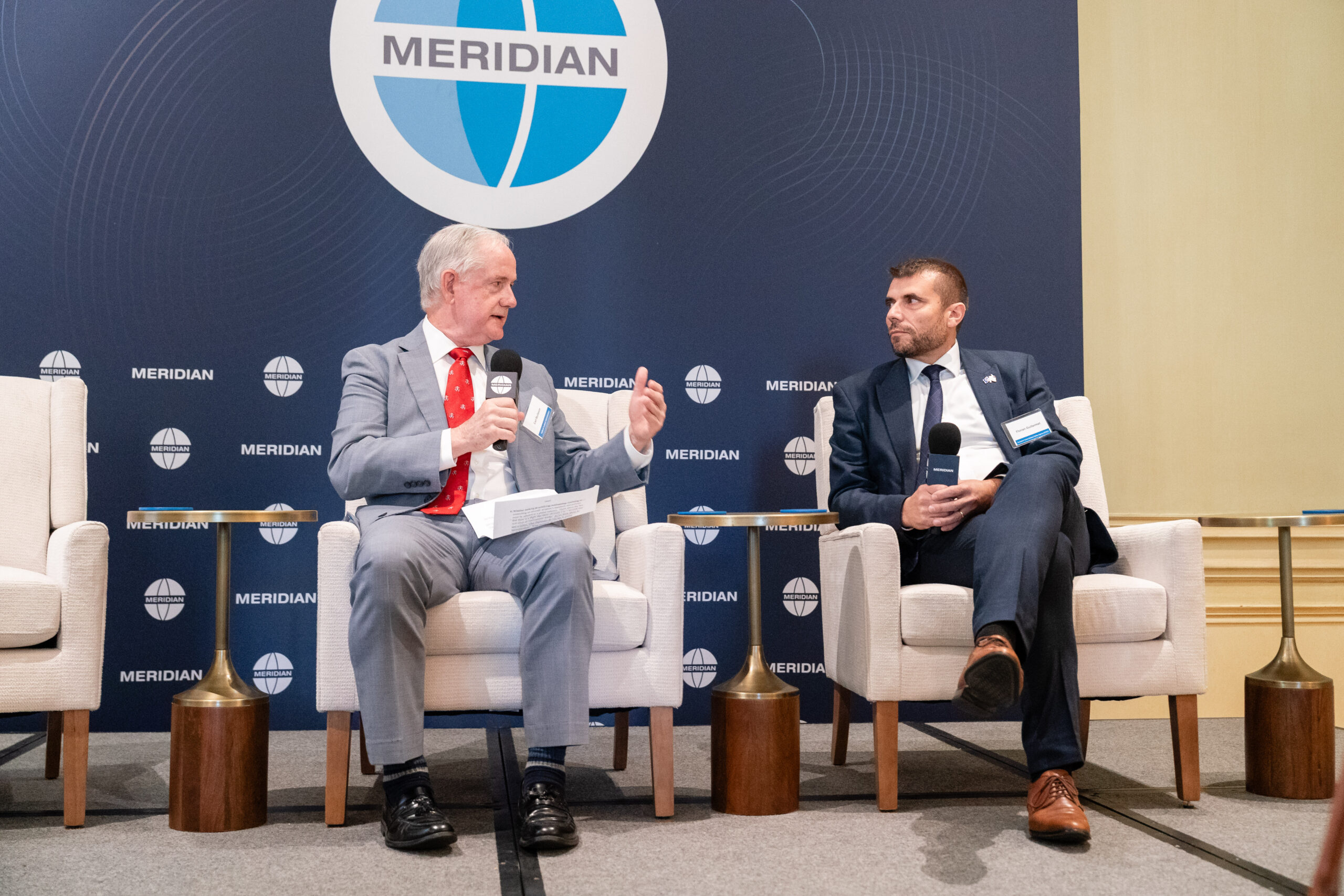
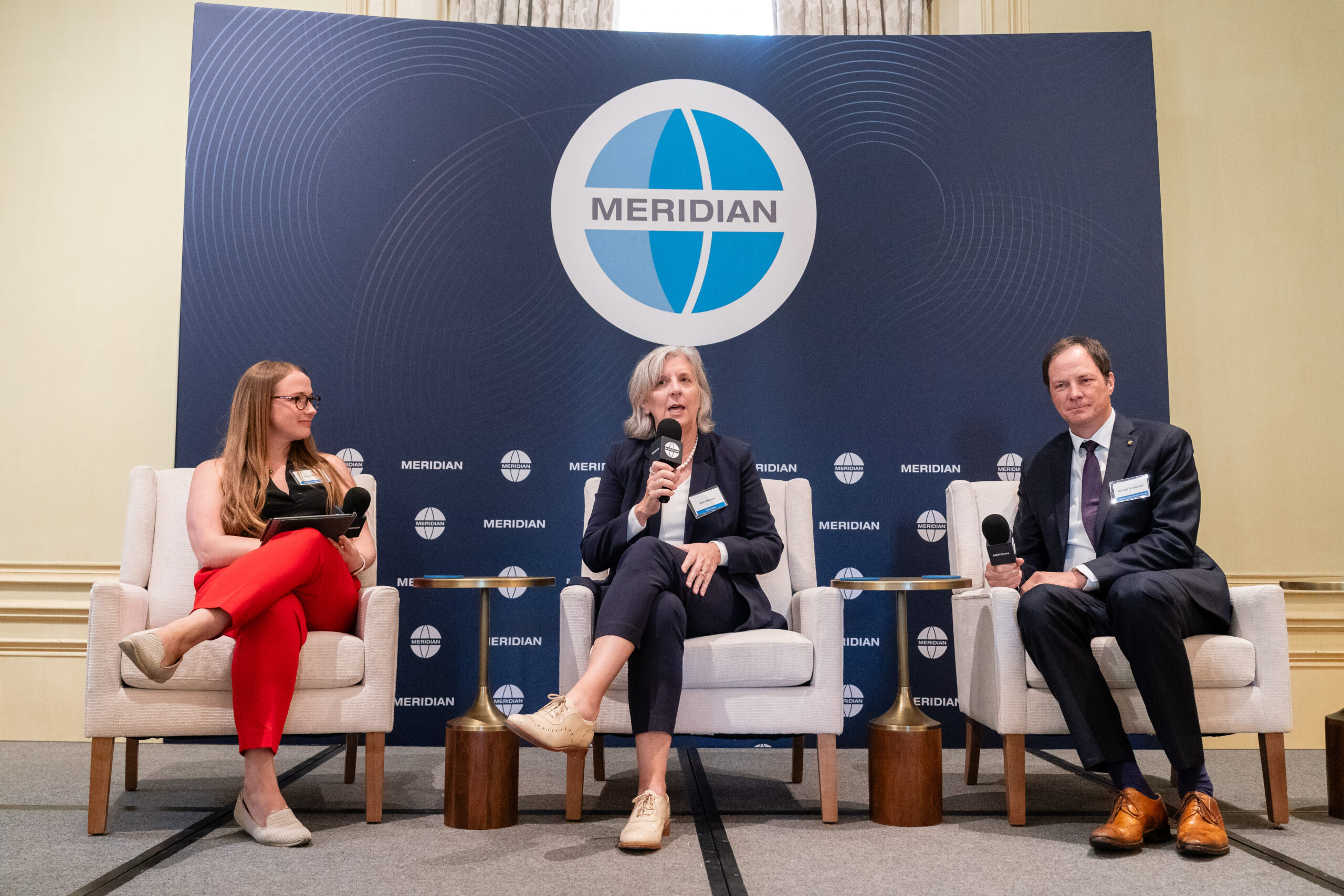
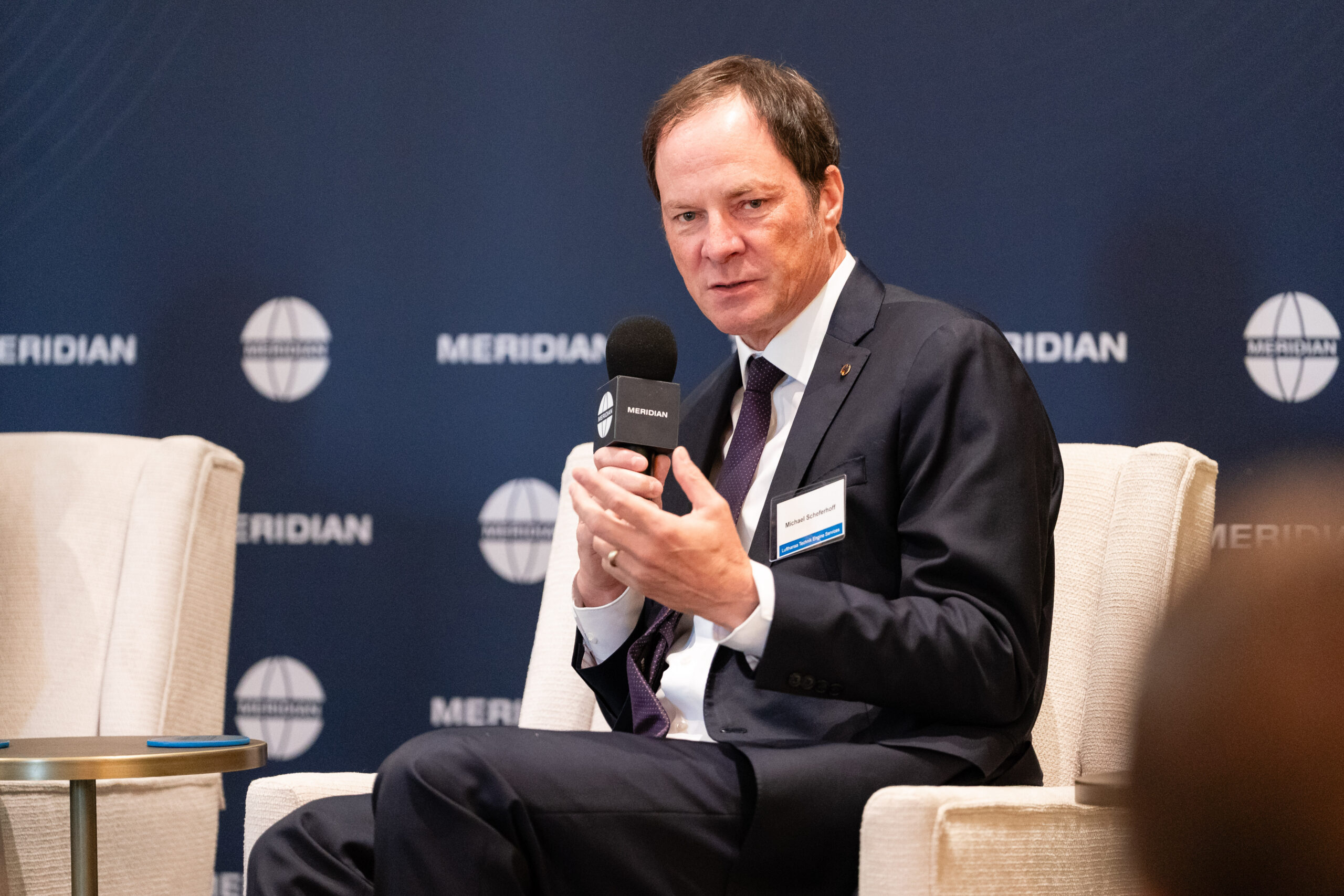
As governments and companies race to deploy artificial intelligence, aviation is emerging as one of the clearest examples of how AI is already transforming critical industries. At Meridian's discussion, AI in Action: Transforming Aviation, Productivity and the Future Workforce, leaders from government, industry, and the international community examined how AI is improving safety, streamlining maintenance, strengthening workforce productivity, and reshaping the future of aviation. While the technologies continue to evolve, the discussion underscored that the future of AI will depend not only on innovation, but also on trust, workforce readiness, and international cooperation.
Here are the top takeaways:
1. AI Is Moving Aviation from Reactive to Predictive
The aviation industry is increasingly using AI to anticipate disruptions before they occur. The Federal Aviation Administration's Flight Plan 2026 initiative is helping shift the agency from a reactive approach to a predictive one, using AI-enabled analytics to identify patterns, anomalies, and safety risks across the National Airspace System. Advanced data analysis helped uncover systemic risk factors following the DCA crash in a fraction of the time traditional reviews would have required. Across the private sector, companies are similarly leveraging predictive maintenance tools to identify equipment needs before aircraft enter repair facilities, reducing turnaround times and minimizing operational disruptions.
2. Trust Is the Foundation of Responsible AI Adoption
AI adoption requires confidence in the data, models, and outputs behind the technology. Whether discussing GE Aerospace's AI principles, airline workforce adoption, or European regulatory frameworks, successful AI deployment depends on transparency, traceability, and human oversight. Organizations are finding that adoption is less about deploying new tools and more about ensuring employees understand how systems work and trust the recommendations they provide.
3. AI Is Enhancing Human Expertise, Not Replacing It
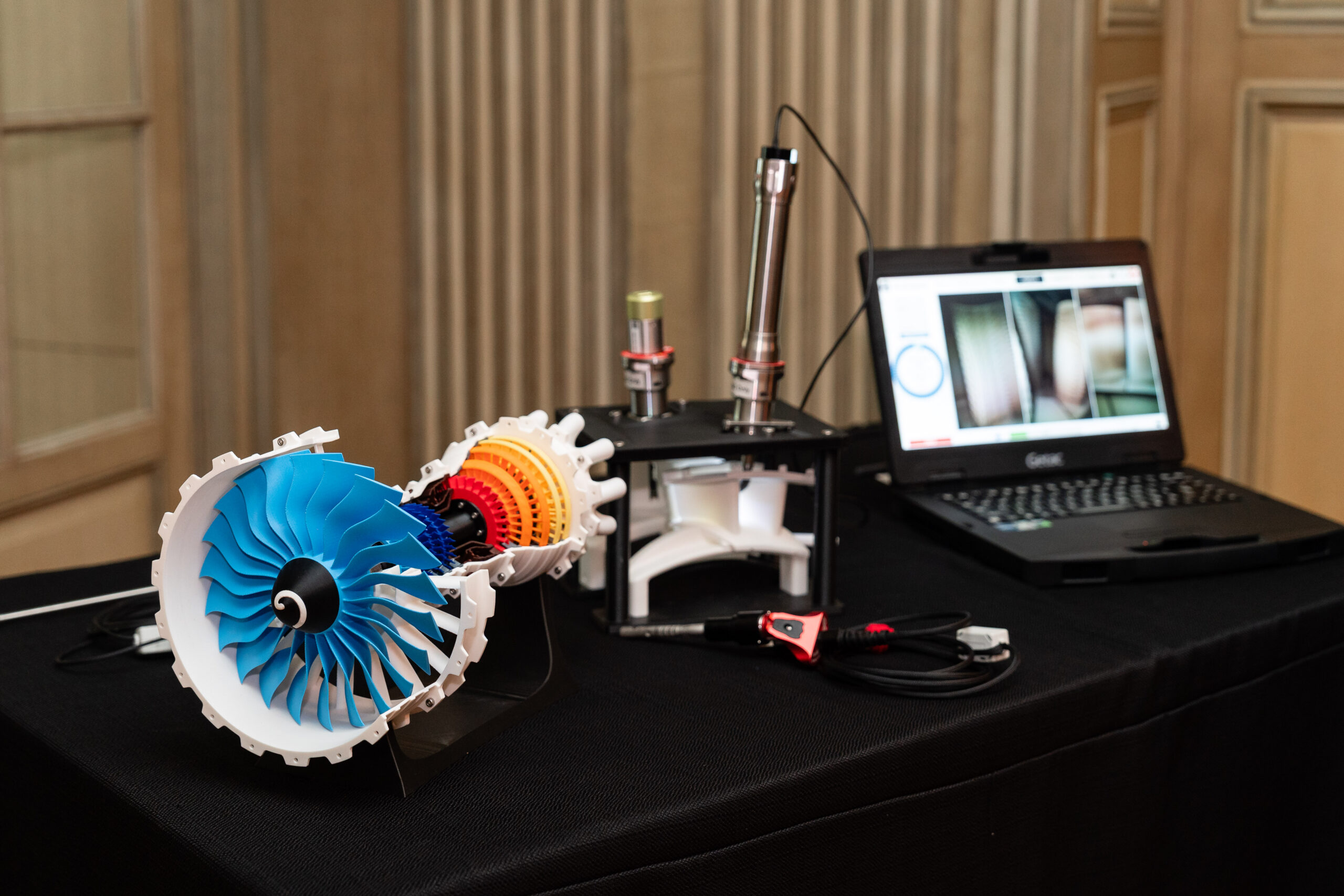
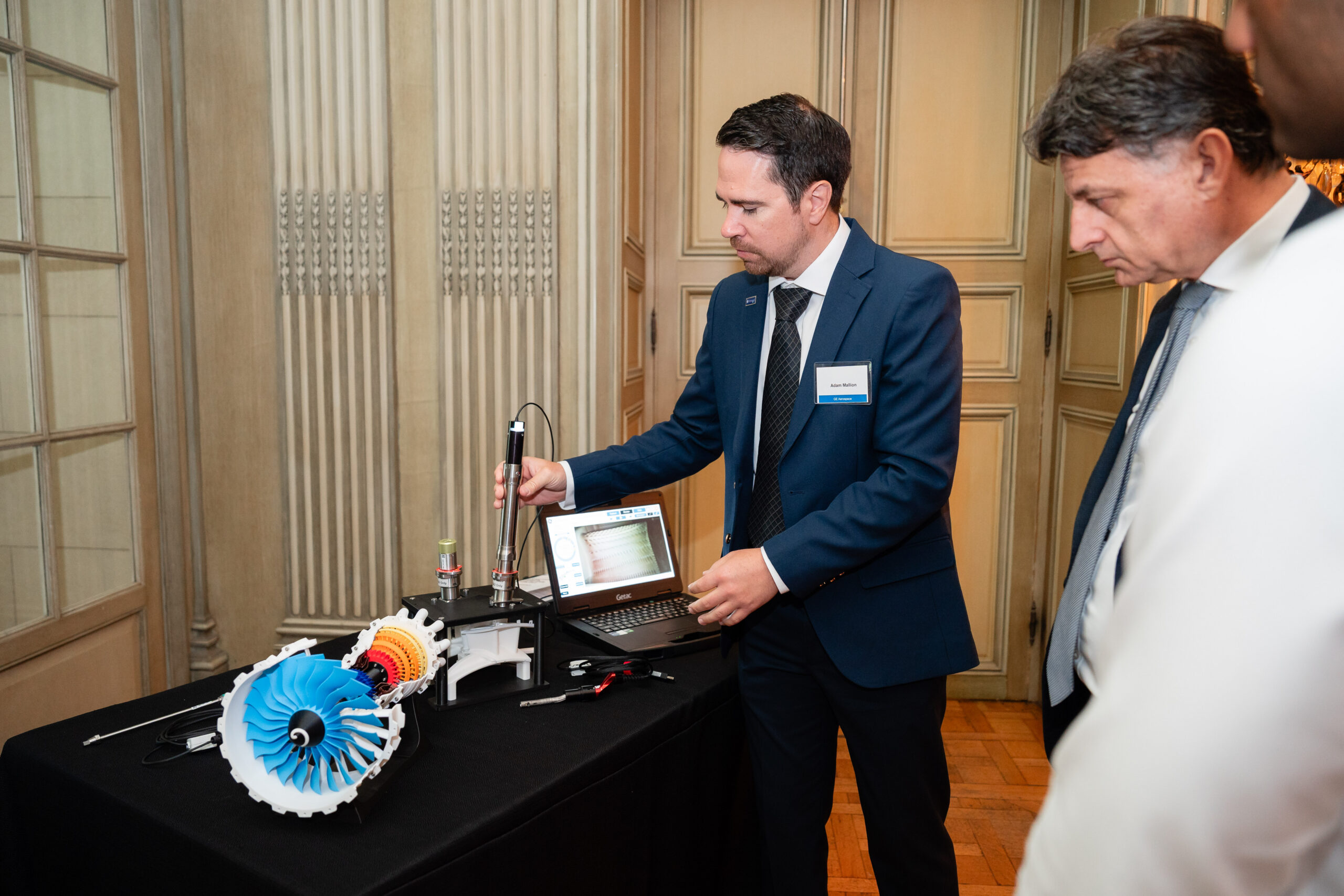
Across the aviation ecosystem, AI is being deployed to enhance human decision-making rather than eliminate human roles. From safety analysts and air traffic controllers to maintenance technicians and engineers, aviation professionals remain central to operational decisions. The FAA is using AI to consolidate millions of operational data points to support safety analysts, and GE Aerospace's blade inspection technology enables technicians to conduct inspections in roughly half the time of traditional methods. AI is increasingly handling data-intensive tasks, identifying patterns, and surfacing recommendations, allowing workers to focus on judgment, problem-solving, and real-time decision-making.
4. Workforce Development Is Becoming a Competitive Advantage
As AI adoption accelerates, aviation leaders are investing heavily in workforce readiness. Organizations are building AI literacy, creating internal training programs, and involving frontline employees directly in technology development. Delta Air Lines developed "Otto," a domain-specific language model trained on aviation maintenance documentation, while Lufthansa Technik has introduced "Wingman" alongside a network of digital ambassadors who help employees build confidence using AI tools. At the same time, investments in workforce development are expanding globally to ensure workers have the skills needed to operate and maintain increasingly advanced systems. The organizations seeing the greatest success are treating employees as active participants in AI transformation rather than passive recipients of new technology.
5. Global AI Standards Will Require Global Cooperation
Because aviation operates across borders, the benefits of AI depend on international alignment. International collaboration between regulators, industry leaders, and standards-setting bodies will be essential to ensuring AI systems remain safe, interoperable, and certifiable. One example is the combination of the EU AI Act and the European Union Aviation Safety Agency's roadmap for integrating AI into aviation while maintaining safety and accountability. As governments and companies race to deploy new capabilities, maintaining shared standards and regulatory coordination will be essential to unlocking AI's full potential across the global aviation ecosystem.
Meridian is committed to advancing sport and culture as tools of diplomacy and global engagement. This commitment is reflected in a range of forums and convenings, including most recently Meridian’s annual Culturefix Awards, which have honored athletes such as Ilia Malinin, Breezy Johnson, and Chris Lillis for their ability to inspire audiences and connect communities across borders.
Thank you to our partner:





Project summary
| AI in Action: Transforming Aviation, Productivity, and the Future Workforce | June 2027 | |
|---|---|
| Program Areas: | Corporate Diplomacy |
