

A Conversation with Monumental Sports’ Zach Leonsis
Sports now outrank religion as one of the most unifying forces in American life. At a time of deepening polarization and growing social isolation, when many people feel more disconnected from neighbors, communities, and institutions, professional sports teams have become the last true gathering places for shared civic pride. This makes them not just businesses, but essential cultural infrastructure with the power to revitalize downtowns, unite communities, and hold a city's morale in their hands.
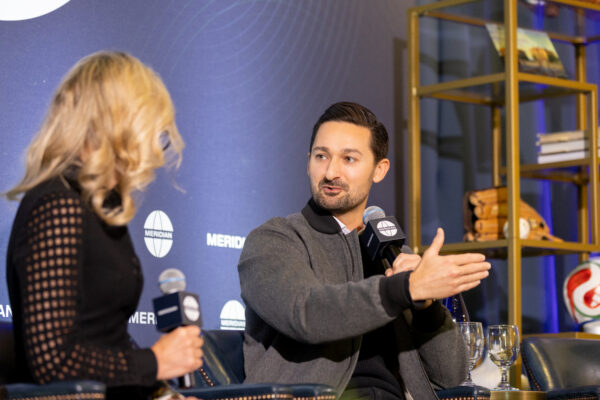
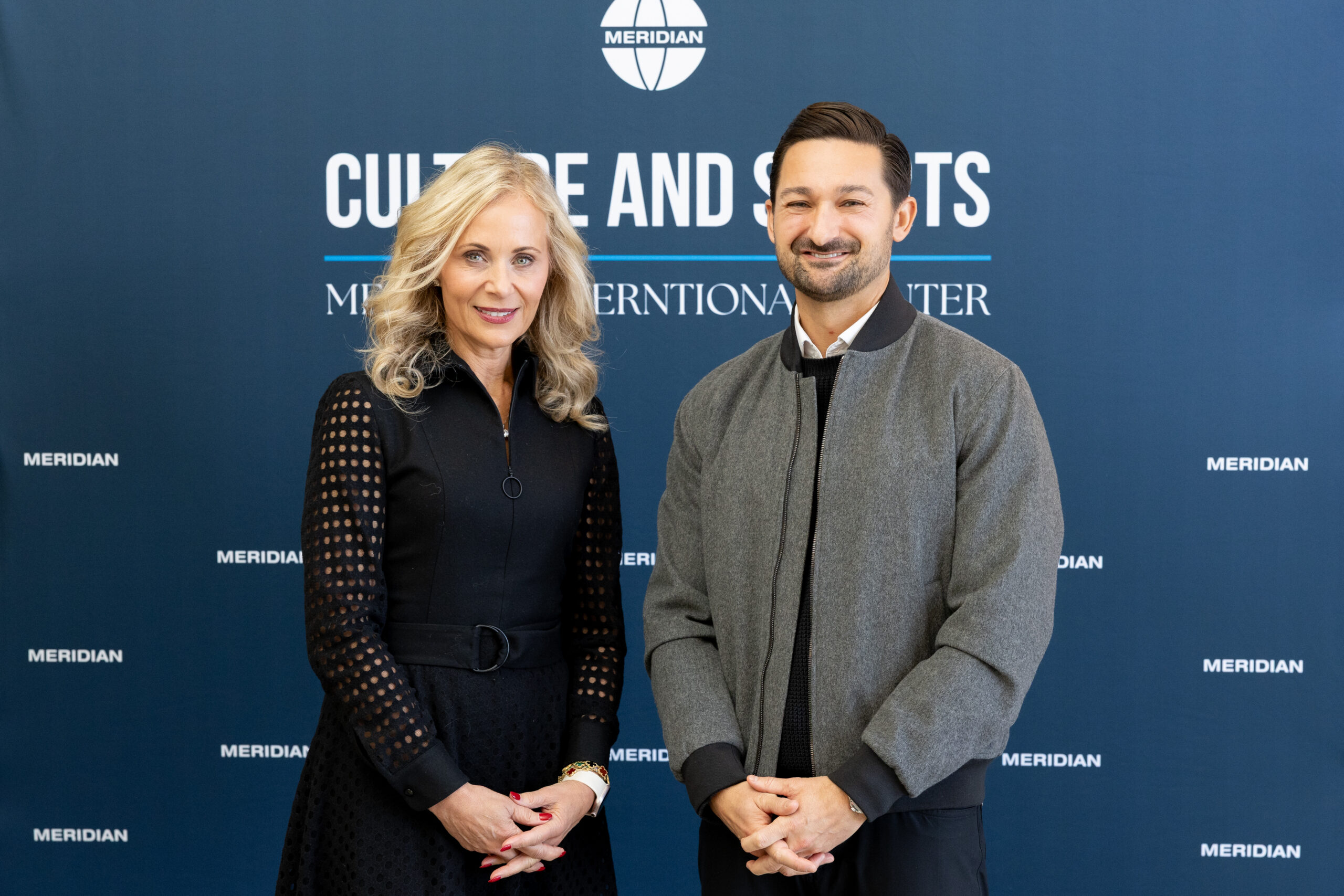
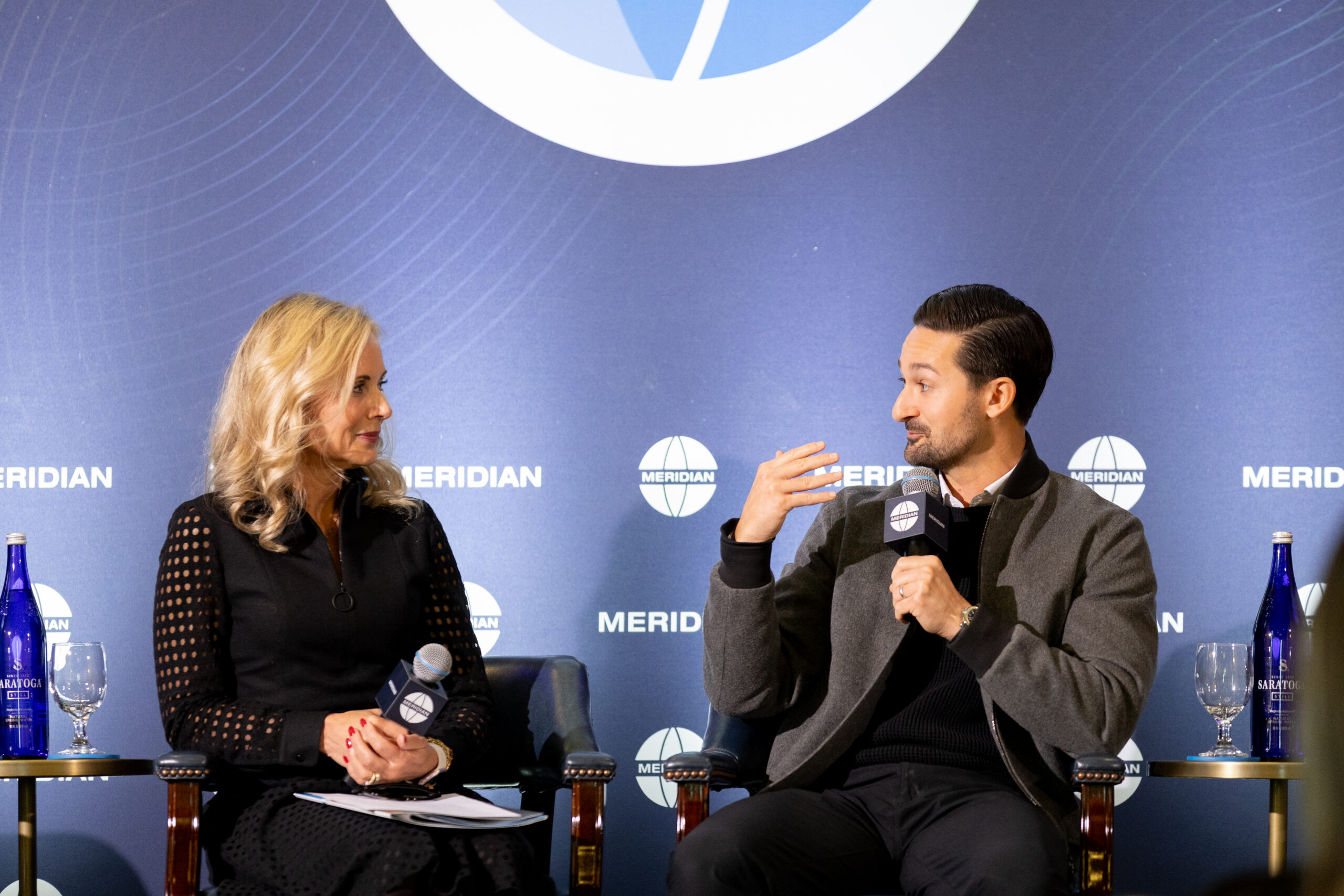
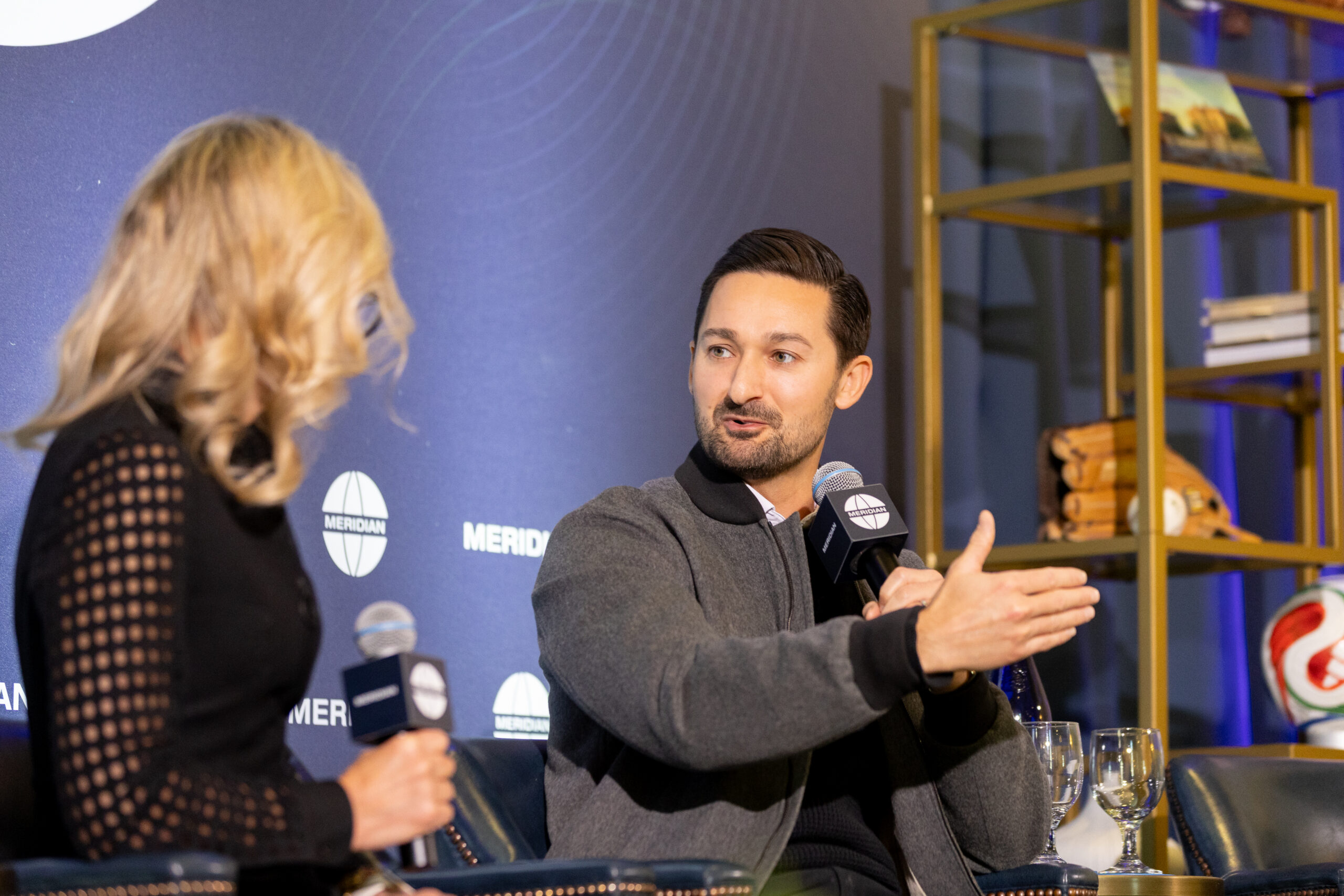
On January 29, 2026, Meridian International Center launched its inaugural Sports Diplomacy Forum with a conversation featuring Zach Leonsis, President of Monumental Sports & Entertainment. Moderated by Deborah Lehr, Interim CEO of Meridian International Center, the discussion explored how sports franchises can serve as catalysts for urban renewal while balancing the competing demands of commercial success and community responsibility.
Here Were the Top Takeaways from the Program:
1. Fans Tie Their Identities to Team Brands—Making Sports Sacred Assets
According to Leonsis, sports franchises cannot operate like normal businesses. When 700,000 people flood the National Mall in a sea of red to celebrate the Capitals' 2018 Stanley Cup victory, transcending politics, it becomes clear these teams hold something precious. “We recognize that we hold a bit of our city's morale in our hands,” Leonsis explained. This creates a dual mandate: build a profitable enterprise while serving as stewards of community identity. Monumental's approach includes direct community investment alongside business operations. The organization points to its response to the Reagan National Airport disaster, when it opened the arena for a memorial and fundraising event. Other initiatives include distributing youth sports equipment and partnering with local nonprofits. Whether these efforts represent genuine civic commitment or sophisticated stakeholder management remains an open question, but they reflect a growing recognition among sports franchises that their social license to operate depends on demonstrable community benefit.
2. A Billion-Dollar Bet on Downtown DC's Future
The Capital One Arena in downtown Washington, DC draws nearly 3 million people annually who eat in restaurants, shop in retail stores, and generate substantial tax revenue for the city. But aging infrastructure threatens this success. The roughly $800 million public-private partnership between the District of Columbia and Monumental Sports & Entertainment is transforming Capital One Arena, with the city committing $515 million and Monumental investing at least $285 million and covering any cost overruns. The project will expand the arena, transforming vacant mall space into enhanced fan experiences, improved food options, and year-round activation opportunities. The funding split creates real accountability—both sides lose if it fails. The renovation ties directly to Mayor Bowser's broader strategy: converting empty office space into housing, bringing back retail, and making downtown a place people actually want to be at all hours. Sports venues should be economic engines that create the constant activity, foot traffic, and perceived safety that make downtowns work. Washington deserves that level of ambition. Private partnership between the District of Columbia and Monumental Sports & Entertainment is transforming Capital One Arena, with the city committing.
3. Winning Isn't Everything—It's the Only Thing That Matters
Cities don't invest in sports teams for entertainment; they invest for social cohesion. Championship runs create shared experiences that cut across every demographic and political divide. But that only works if teams are genuinely competitive. Fans can tell when organizations are cutting corners or settling for playoff mediocrity. The Wizards' patient rebuild signals something different: a willingness to do what's required to contend, not just what looks good in quarterly reports. For cities that use sports as civic glue, that level of commitment matters. Half-hearted efforts don't unite communities.
4. Corporate Suites Just Became Innovation Labs
Monumental is reinventing how venues generate value beyond game nights. KPMG now hosts frequent client sessions in its Ignition – D.C. suite at Capital One Arena, using it as a technology-rich innovation lab during the day and a hospitality suite during games and events at night. This is a blueprint Monumental is expanding through new Innovation Suites for other partners. This model works because Monumental isn't just a basketball and hockey franchise. They own multiple venues including practice facilities, a 10,000-person arena at George Mason University, and a dedicated eSports facility. Their Monumental Sports Network streams hundreds of high school and collegiate games, treating broadcasting as a community asset rather than pure profit center. The East Coast's time zone advantage for global eSports viewership positions these venues for international reach. The future of sports venues isn't just hosting games; it's creating spaces that serve communities 24/7.rich innovation lab during the day and a hospitality suite during games and events at night.
5. Sports Franchises as Workforce Development Engines
Monumental today operates far beyond a traditional ‘team in a building’—running year-round businesses in media, technology, venues, and community programs that require skills in broadcasting, digital content, operations, and event management. In many cities, economic analyses of sports partnerships still focus narrowly on direct, gameday employment, like ushers, concessions, and security, overlooking the career pathways that can emerge when franchises operate complex, 365-day enterprises. As the lines between sports, business, and urban innovation blur, these organizations increasingly serve as platforms where workers build capabilities that translate into growth in fields such as media, technology, and the creative industries. When public investment in sports infrastructure is paired with intentional workforce and education strategies, it can do more than subsidize entertainment—it can help support talent pipelines that contribute to a more diverse regional economyround businesses in media, technology, venues, and community programs that require skills in broadcasting, digital content, operations, and event management. In many cities, economic analyses of sports partnerships still focus narrowly on direct, gameday employment like ushers, concessions, and security, overlooking the career pathways that can emerge when franchises day enterprises. As the lines between sports, business, and urban innovation blur, these organizations increasingly function as platforms where workers build capabilities that translate into growing fields such as media, technology, and the creative industries. When public investment in sports infrastructure is paired with intentional workforce and education strategies, it can do more than subsidize entertainment—it can help support talent pipelines that contribute to a more diverse regional economy.
Project summary
| A Conversation with Monumental Sports’ Zach Leonsis | January 2026 | |
|---|---|
| Program Areas: | Sports and Culture |
