

A Conversation with FIFA President Gianni Infantino
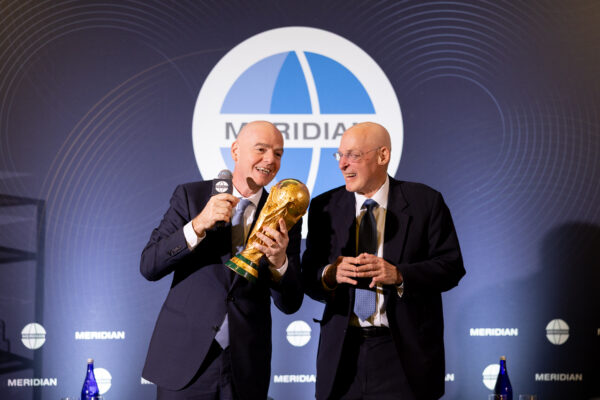
Soccer isn’t just one of the world’s most popular games; it’s one of the most powerful tools we have to rebuild trust, share opportunity, and bring people together across borders and ideologies.
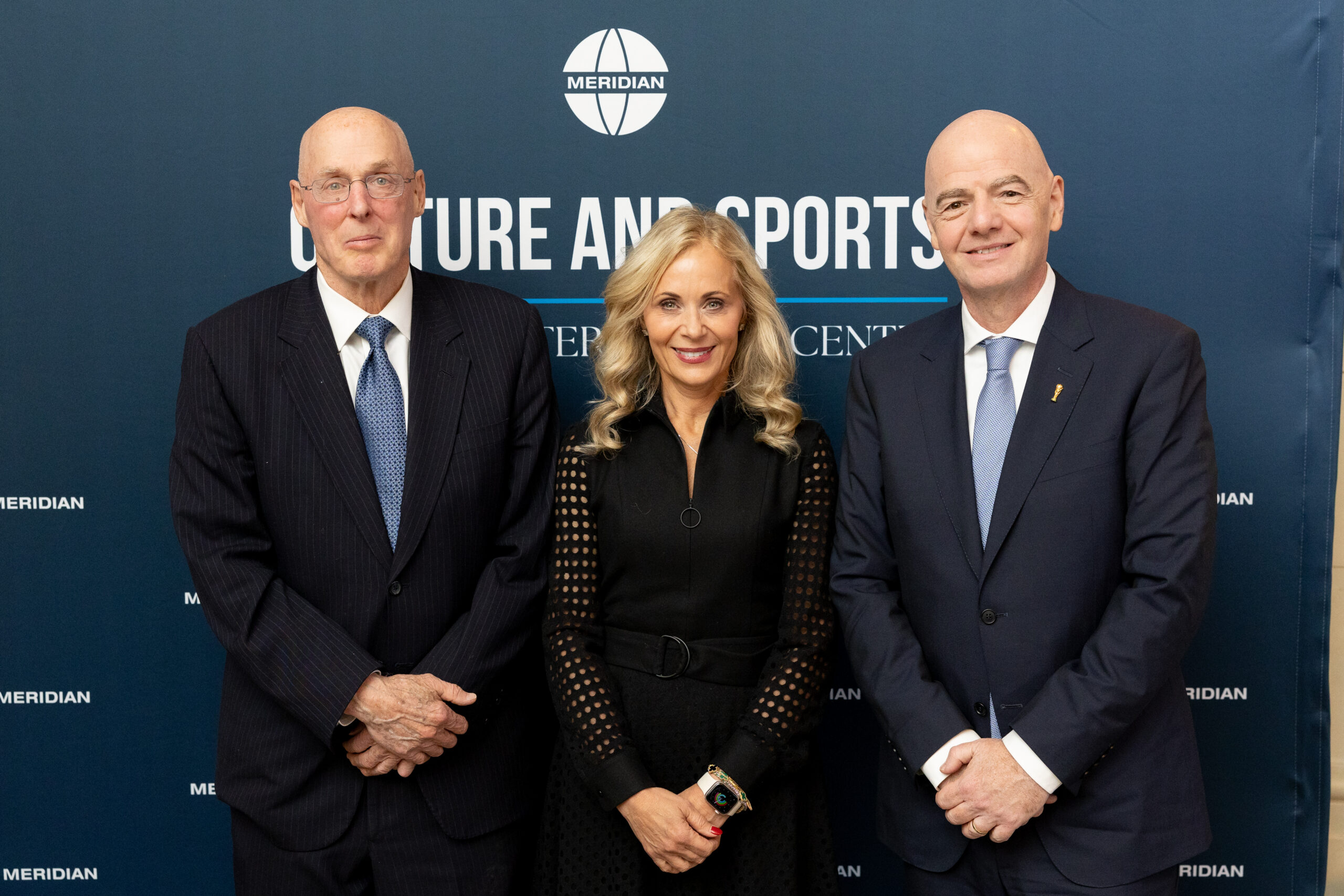
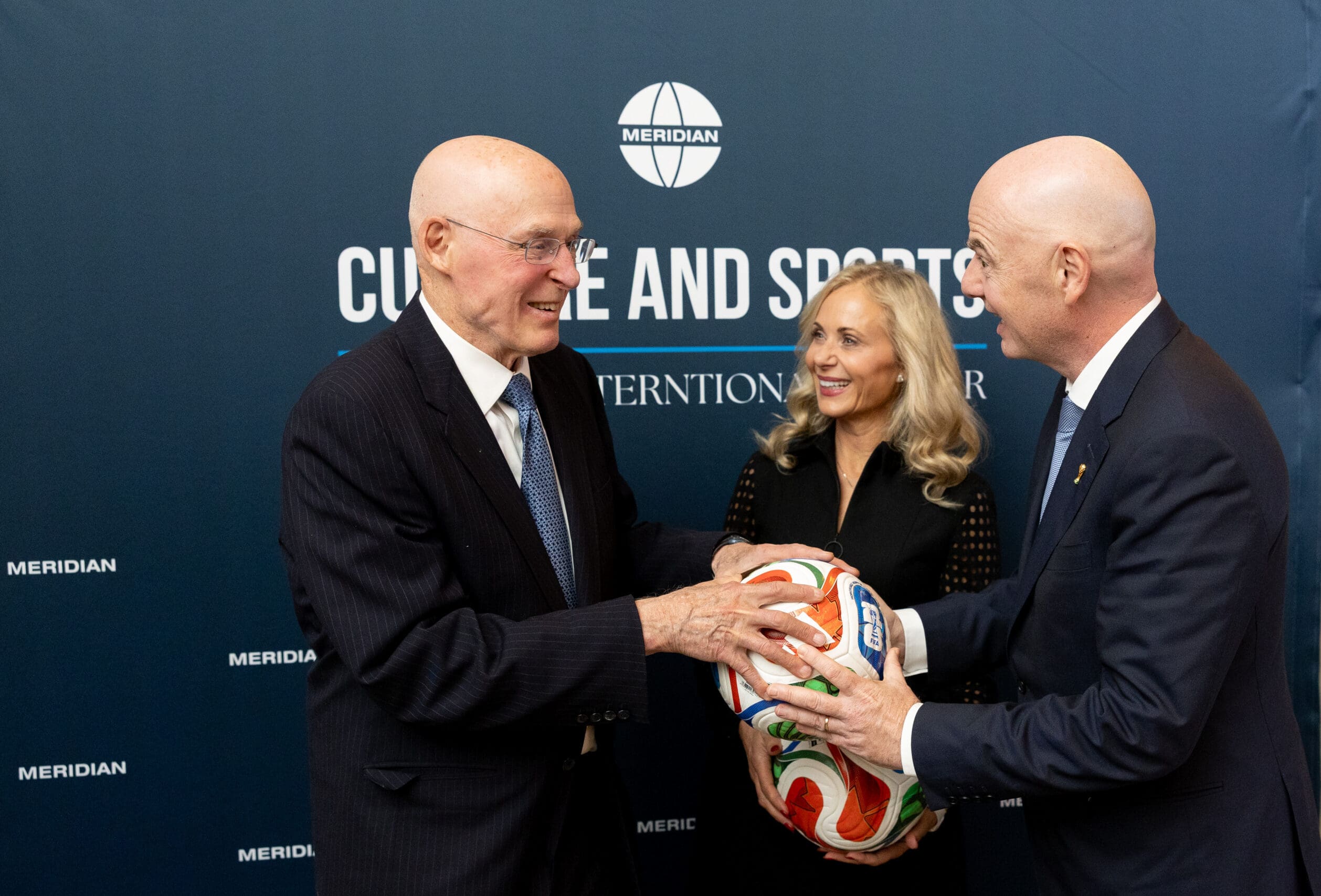
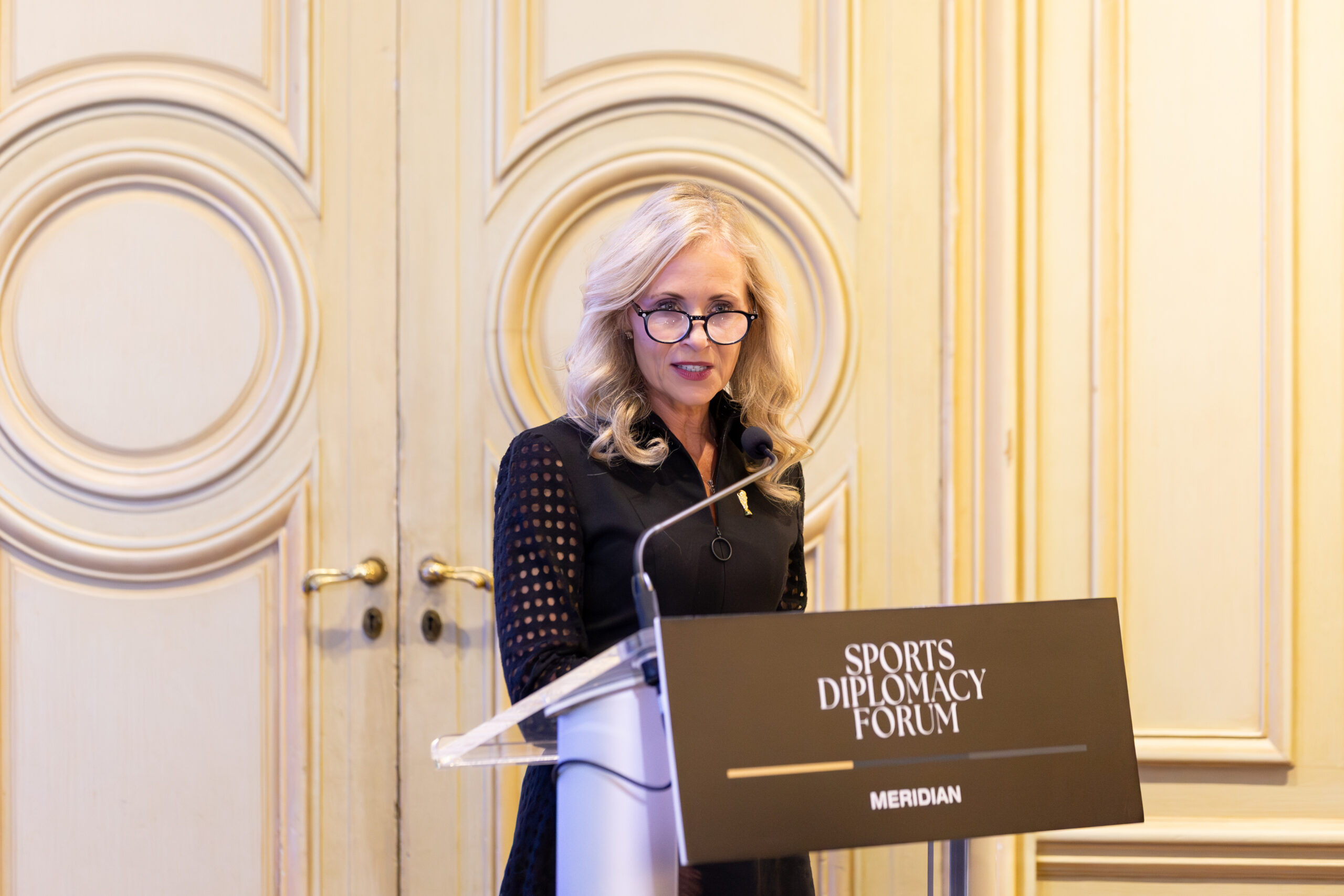
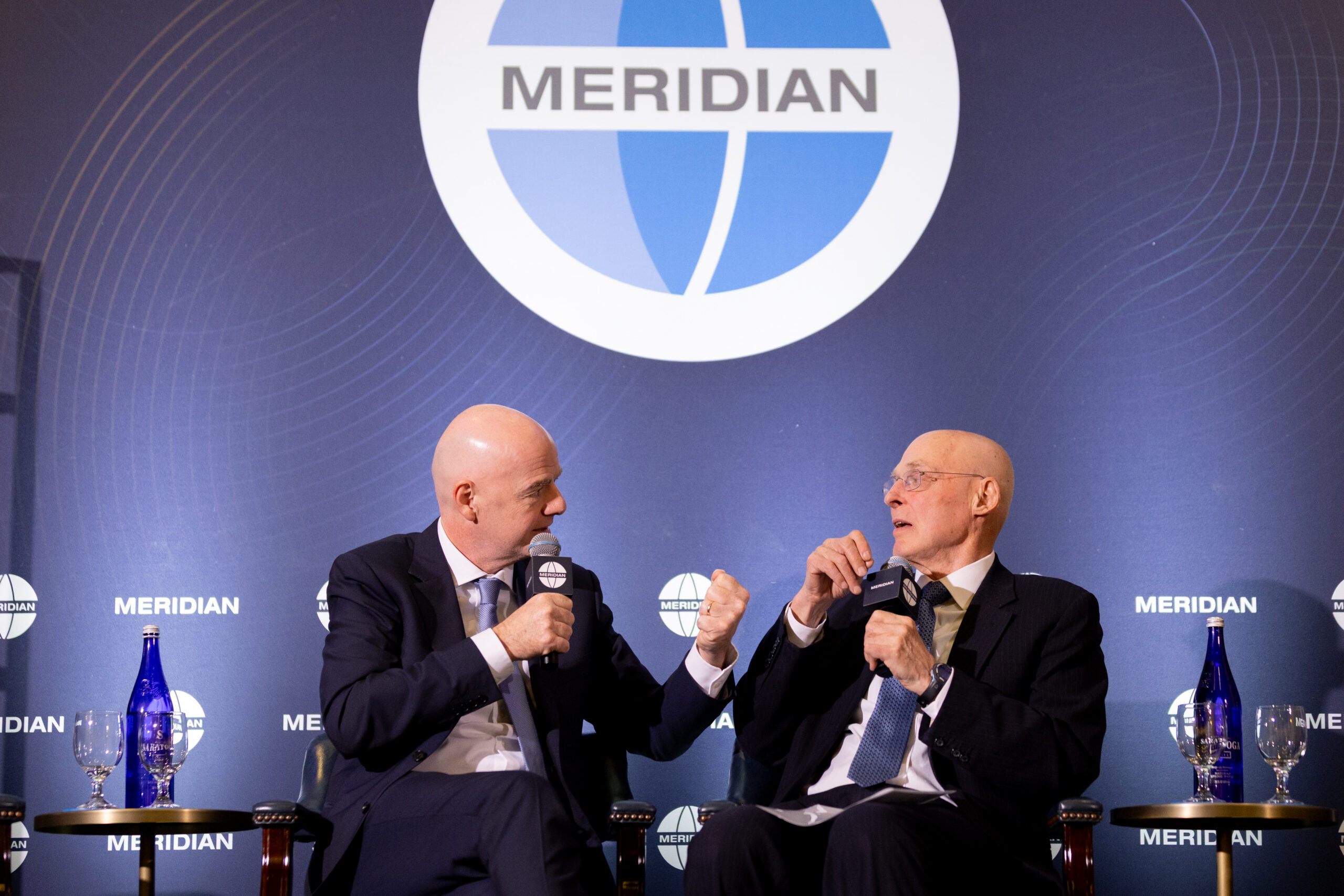
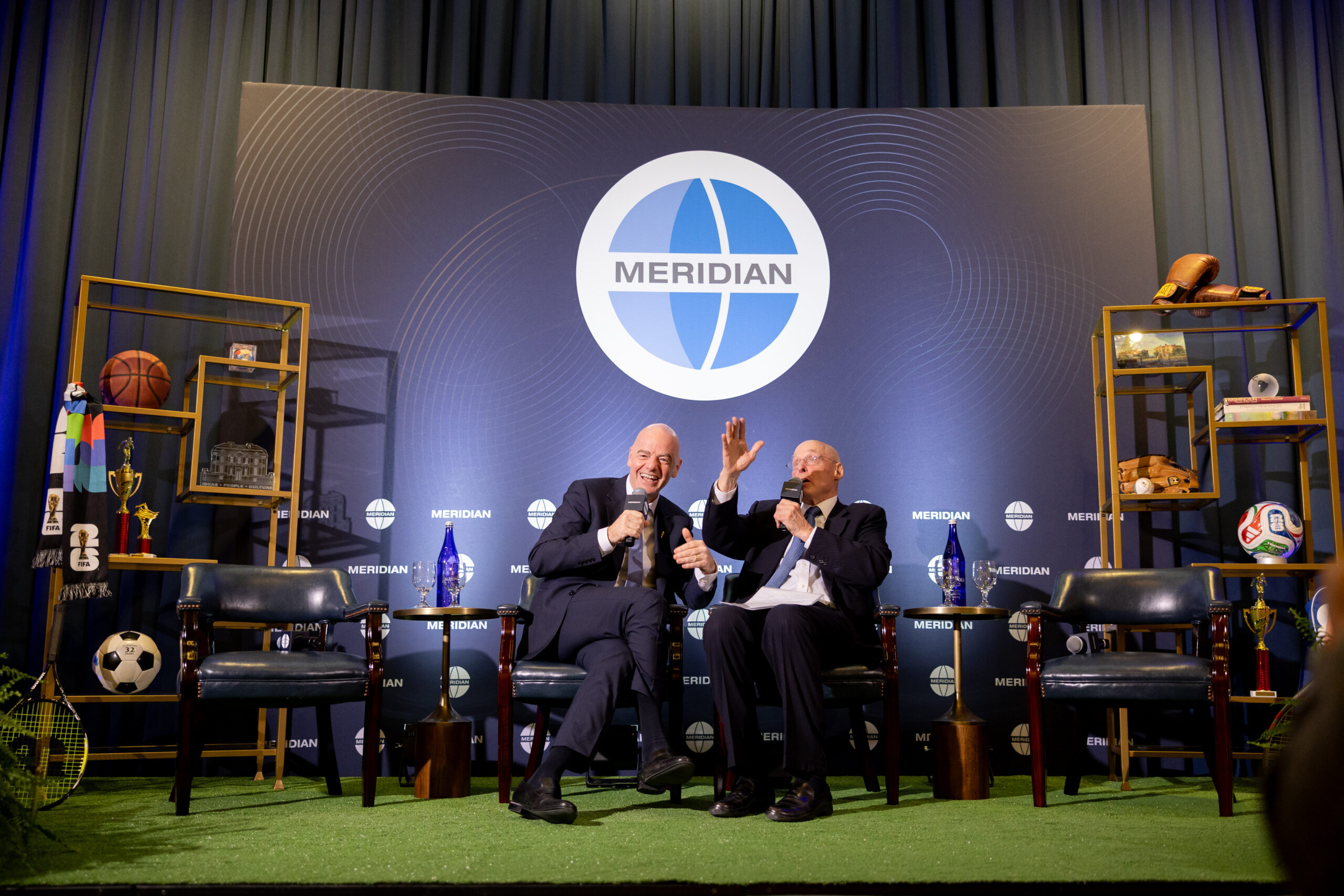
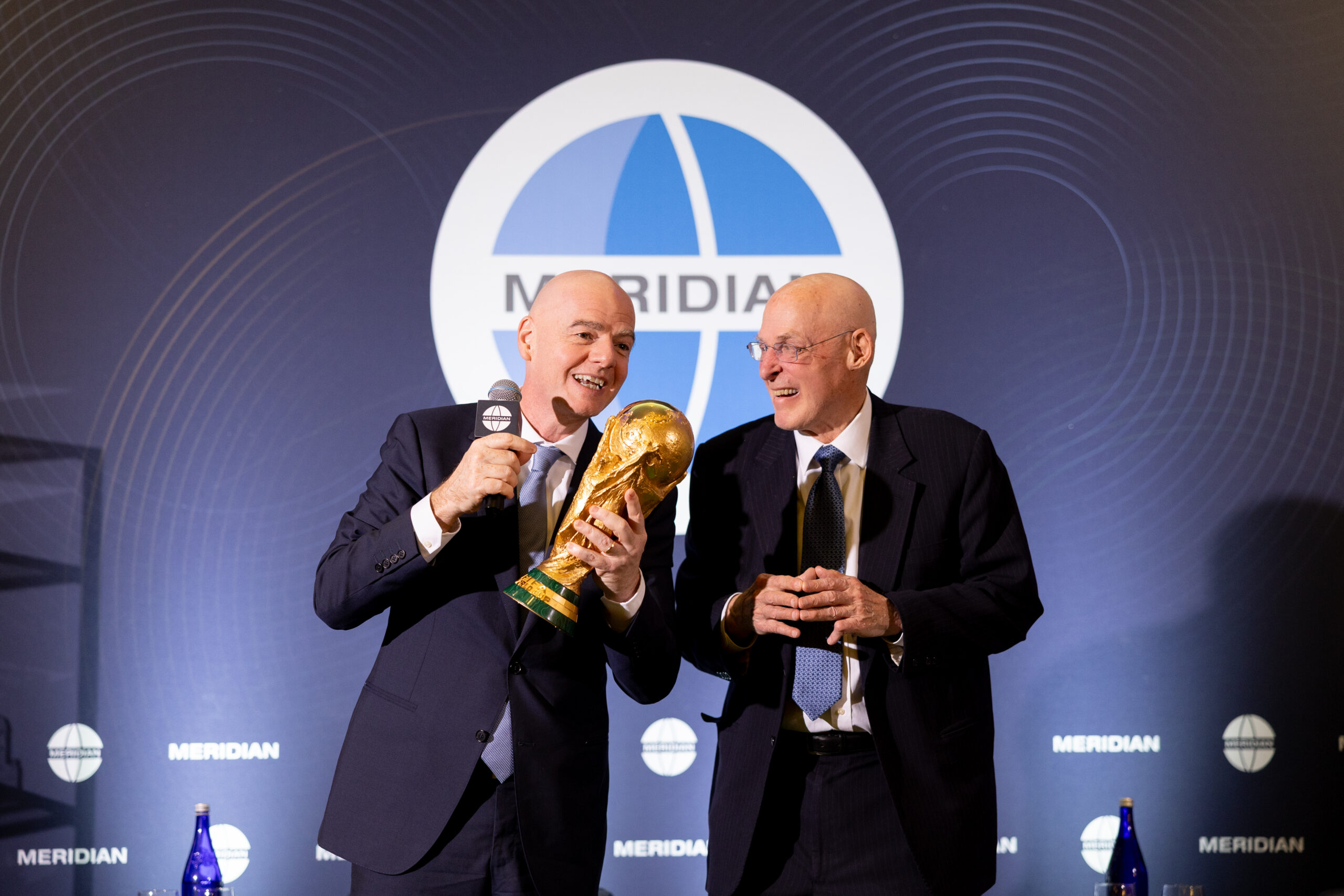
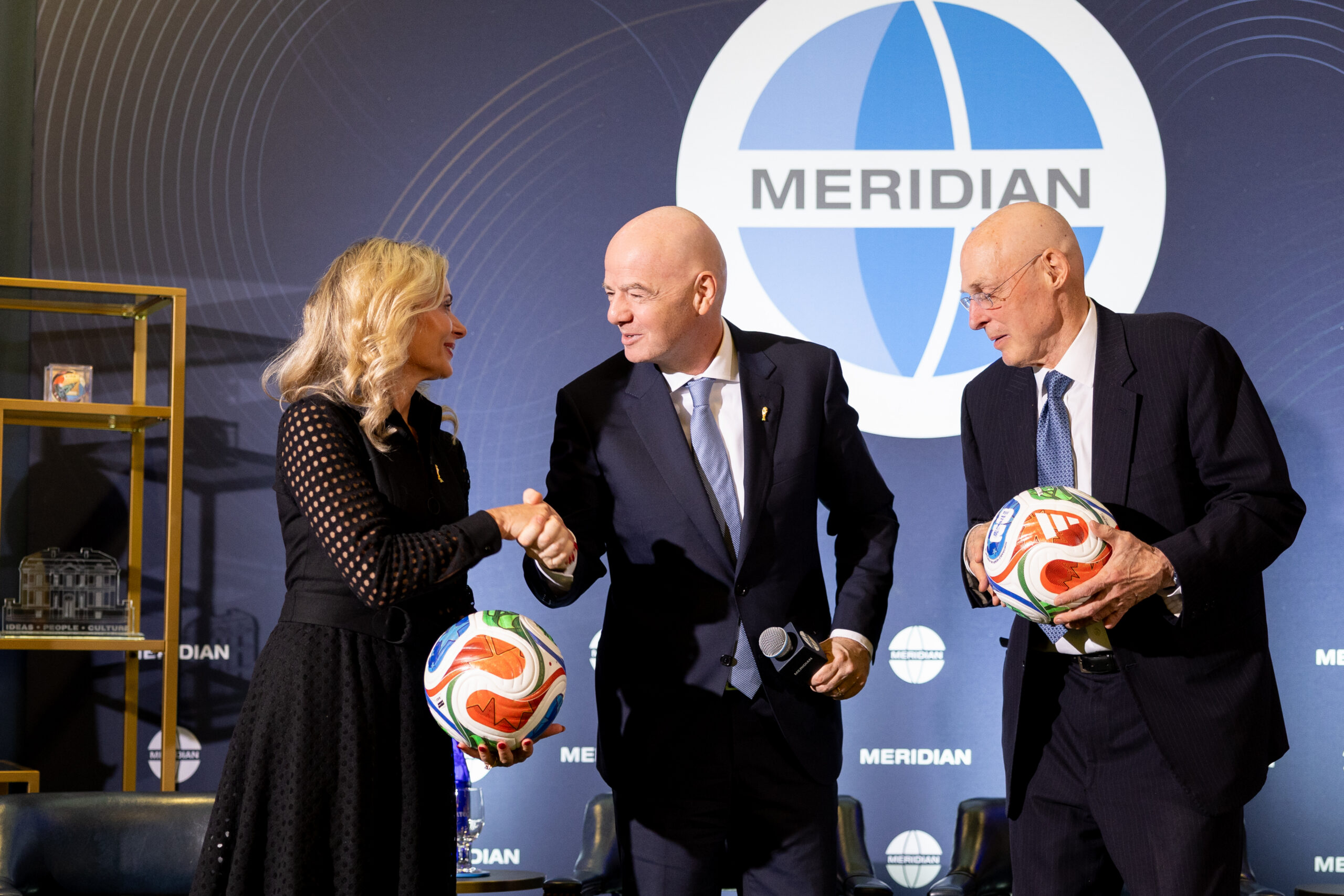
That was the central message of the 2026 Sports Diplomacy Forum capstone conversation between former 74th Secretary of the U.S. Treasury and Chairman of The Paulson Institute, Henry M. Paulson Jr., and President of FIFA, Gianni Infantino. Following introductory remarks by Interim CEO of Meridian, Deborah Lehr, their dialogue framed global soccer not as entertainment, but as diplomacy in action: an economic engine, a social stabilizer, and a rare platform that unites billions.
Here Were the Top Takeaways from the Program:
1. Credibility Is the Currency That Makes Everything Else Possible
Infantino’s tenure began in crisis. When he took over, FIFA was, in his words, “a toxic organization” shunned by sponsors, banks, and partners. The turnaround was not flashy. It was fundamental. “Don’t steal,” Infantino said bluntly. Transparency, accountability, and relentless follow-through rebuilt trust step by step.
One concrete proof point: in 2020, FIFA received $201 million back from the U.S. Department of Justice—funds seized from corrupt former officials and returned “to be reinvested in the grassroots of the game.” This was unprecedented for a global sports body, Infantino noted, saying “it's not one side or the other side, two different administrations, and both agreed that the new FIFA, our FIFA, should receive this money back to be reinvested in the game.” Paulson, no stranger to institutional crisis management, underscored the difficulty of this feat: restoring credibility in a legacy organization is among leadership’s hardest tests.
2. Global Soccer Operates at a Scale No Other Sport Can Touch
The numbers are staggering. FIFA has 211 member associations—more than the United Nations. The global soccer economy is valued at roughly $56 billion annually, with massive growth potential as markets outside Europe expand.
The World Cup is the clearest illustration. Qatar 2022 drew 3.5 million fans in stadiums. “At home, it was 5 billion people for 64 games. So every game is a Super Bowl. Every game is a Super Bowl,” Infantino illustrated. The 2026 World Cup, hosted by the U.S., Canada, and Mexico, will feature 104 matches in 39 days, with the final alone expected to reach 2 billion viewers. FIFA has already received over 500 million ticket requests in the first month of sales, making soccer’s reach one of the most powerful in sports.
3. Soccer Changes Behavior, Not Just Balance Sheets
Beyond economics, soccer reshapes societies in real time. Infantino described how crime rates drop during national team matches in countries like Brazil. Hospitals empty. Streets go quiet. “It’s not ‘they won,’” he said. “It’s ‘we won.’”
He shared a striking insight from African and Asian leaders: World Cup qualification alone can deliver months of domestic calm and unity. That sense of shared identity, rare in politics today, is soccer’s unique social power.
One defining example came from Qatar 2022: a decisive U.S.–Iran match, played amid intense geopolitical tension. The crowd included Americans, pro-regime Iranians, and anti-regime Iranians. Not a single incident occurred, highlighting how sports can succeed where traditional diplomacy often fails.
4. FIFA’s Redistribution Model Is Unmatched
Unlike domestic leagues that retain revenue, FIFA redistributes wealth globally. Of the roughly $11 billion generated by a World Cup, hundreds of millions go to prize money, with equal amounts for all teams, and billions flow into solidarity programs.
Over the past decade, FIFA has invested more than $5 billion into grassroots development worldwide, which is five times more than in its previous century of existence. Every one of FIFA’s 211 member countries receives equal funding to build pitches, support women’s football, and create pathways for youth.
5. The 2026 World Cup Is a Strategic Moment for the United States
For the U.S., hosting the 2026 World Cup is about more than sport. It’s a chance to demonstrate openness, pluralism, and American leadership by welcoming the world. As Infantino observed, “You already have the world here.” The tournament will simply make that visible.
The stakes are just as high for Major League Soccer. Infantino was direct: MLS should aspire to become the number one league in the world. The obstacle isn’t talent, it’s pathways. Too many young American athletes don’t see soccer as a viable route to success. The World Cup can change that by revealing soccer’s truly global scale and opportunity. In her opening remarks, Lehr underscored this message: “Soccer or football, as many of us know it, today is far more than a game. It's A trillion-dollar global ecosystem that engages billions of people, shapes cities and economies, and serves as one of the most powerful platforms for dialogue between nations.” Ultimately, mega-events like the 2026 World Cup are an opportunity to highlight American leadership on one of the most global stages: soccer.
The conversation closed with a forward-looking agenda: expand access so kids don’t have to pay to play; invest aggressively in women’s soccer; use technology to improve fairness and trust; and keep pushing the game beyond traditional power centers.
The larger lesson for Meridian’s cross-sector audience is clear. Soccer shows what’s possible when scale, credibility, and purpose align. In a polarized world, institutions that invest in trust, inclusivity, and shared experiences don’t just survive—they lead.
Project summary
| A Conversation with FIFA President Gianni Infantino | January 2026 | |
|---|---|
| Program Areas: | Sports and Culture |
