

A Conversation with Director of UNOOSA Aarti Holla-Maini
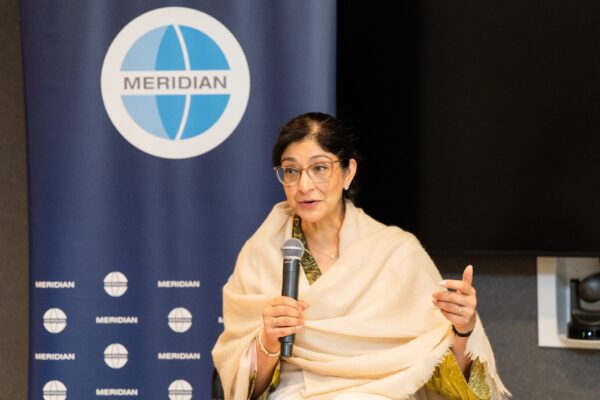
With more actors entering orbit, a small team with a big mandate is managing the world’s largest commons: outer space.
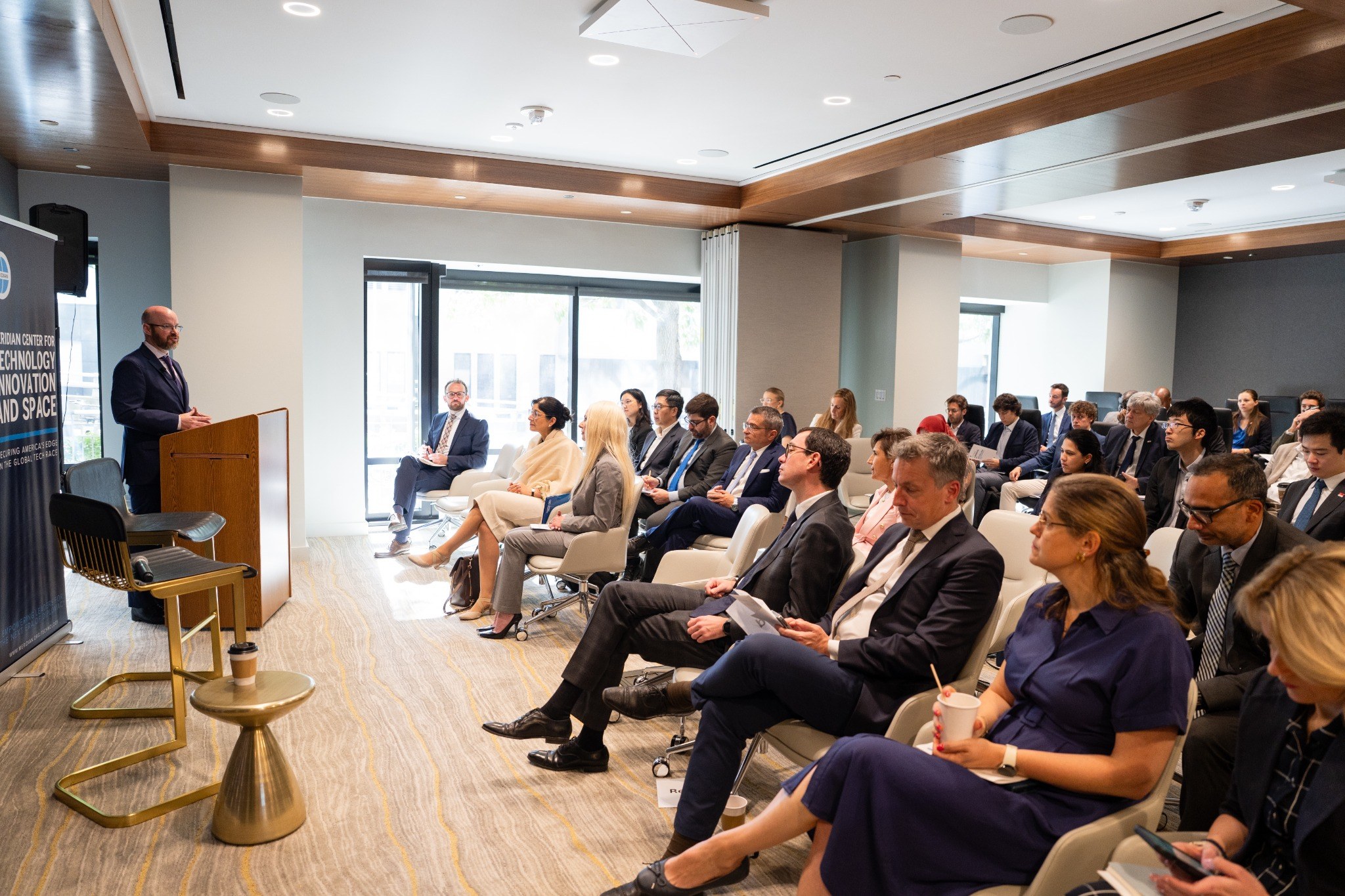
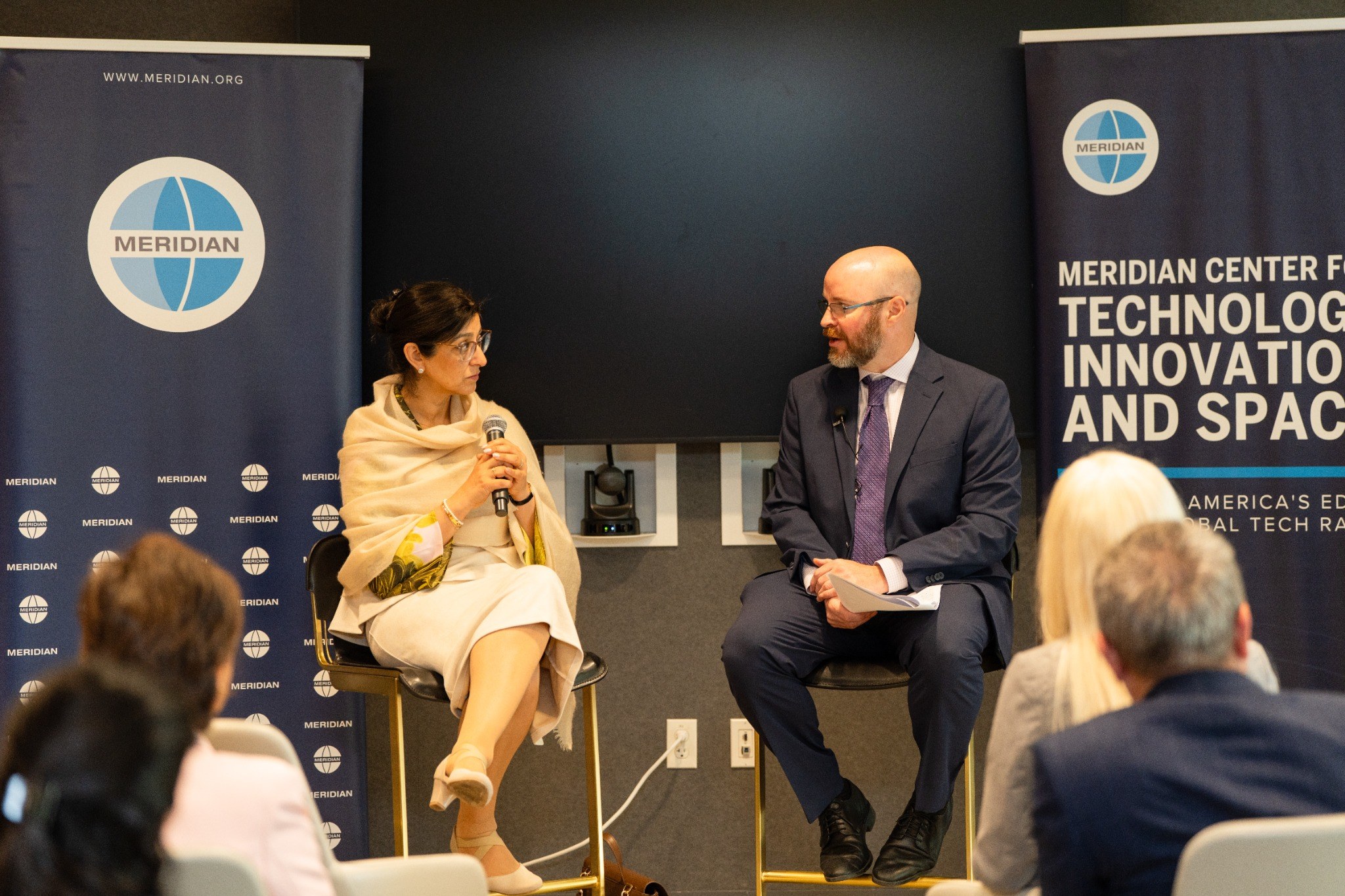
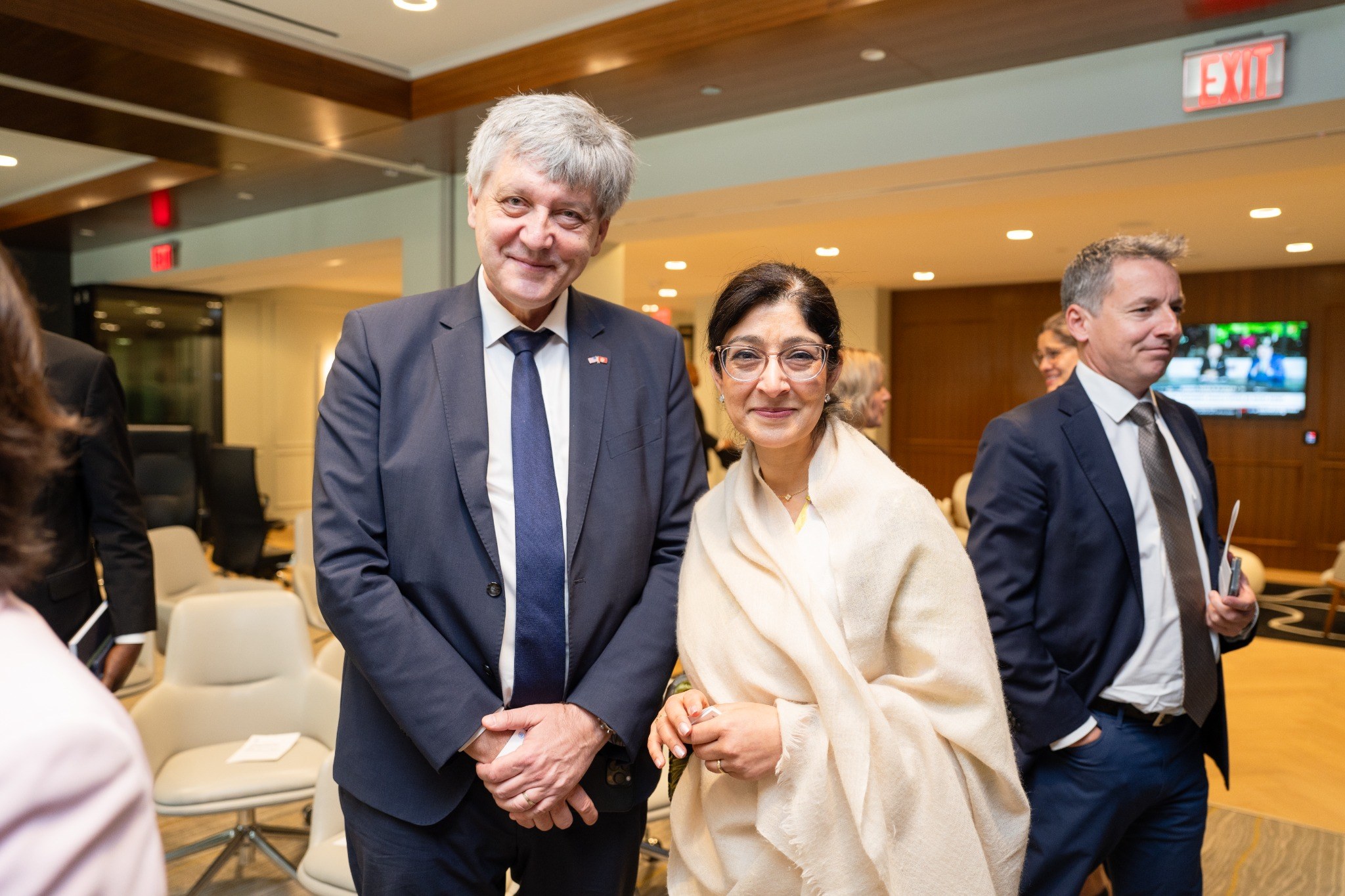
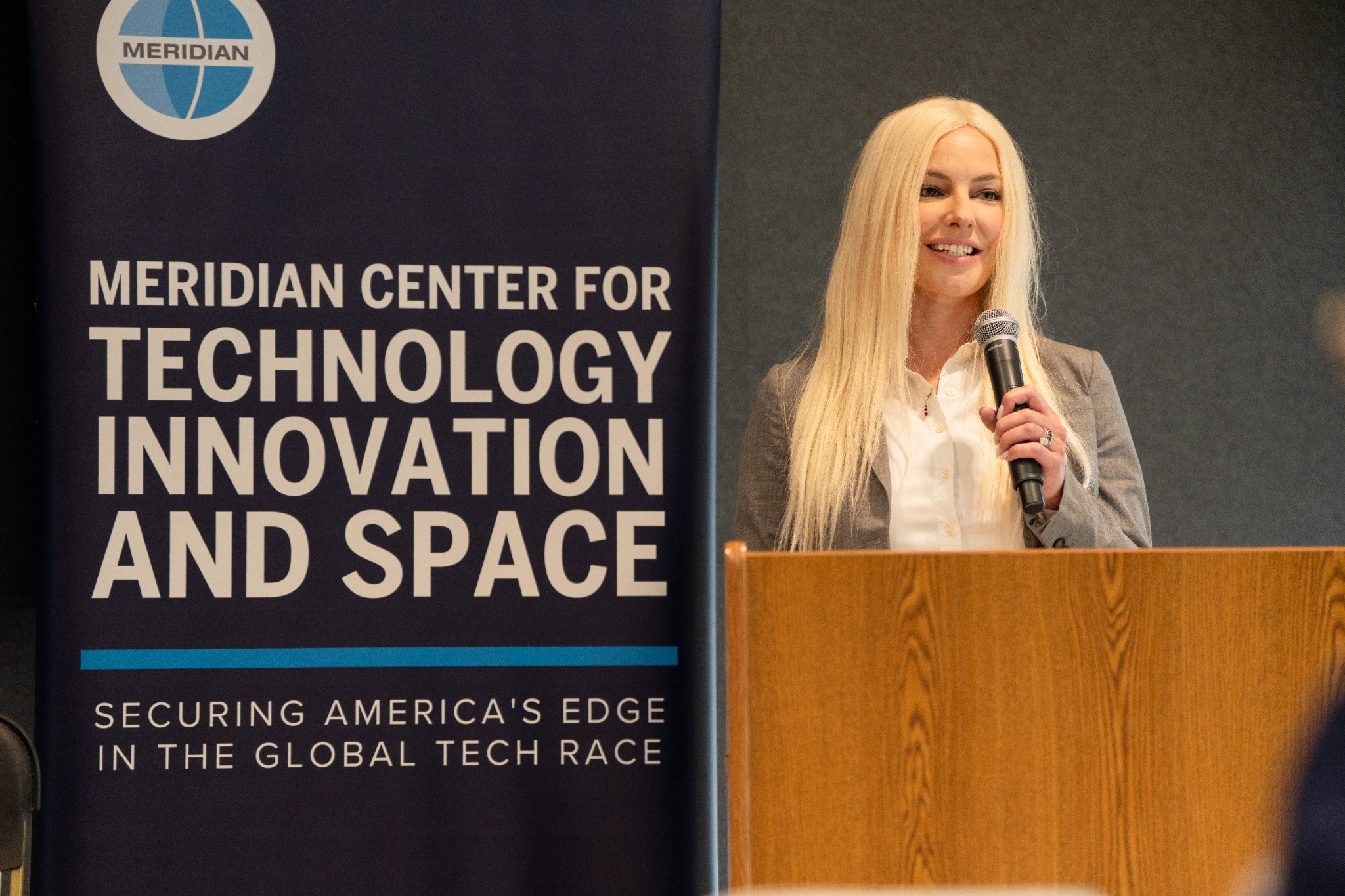
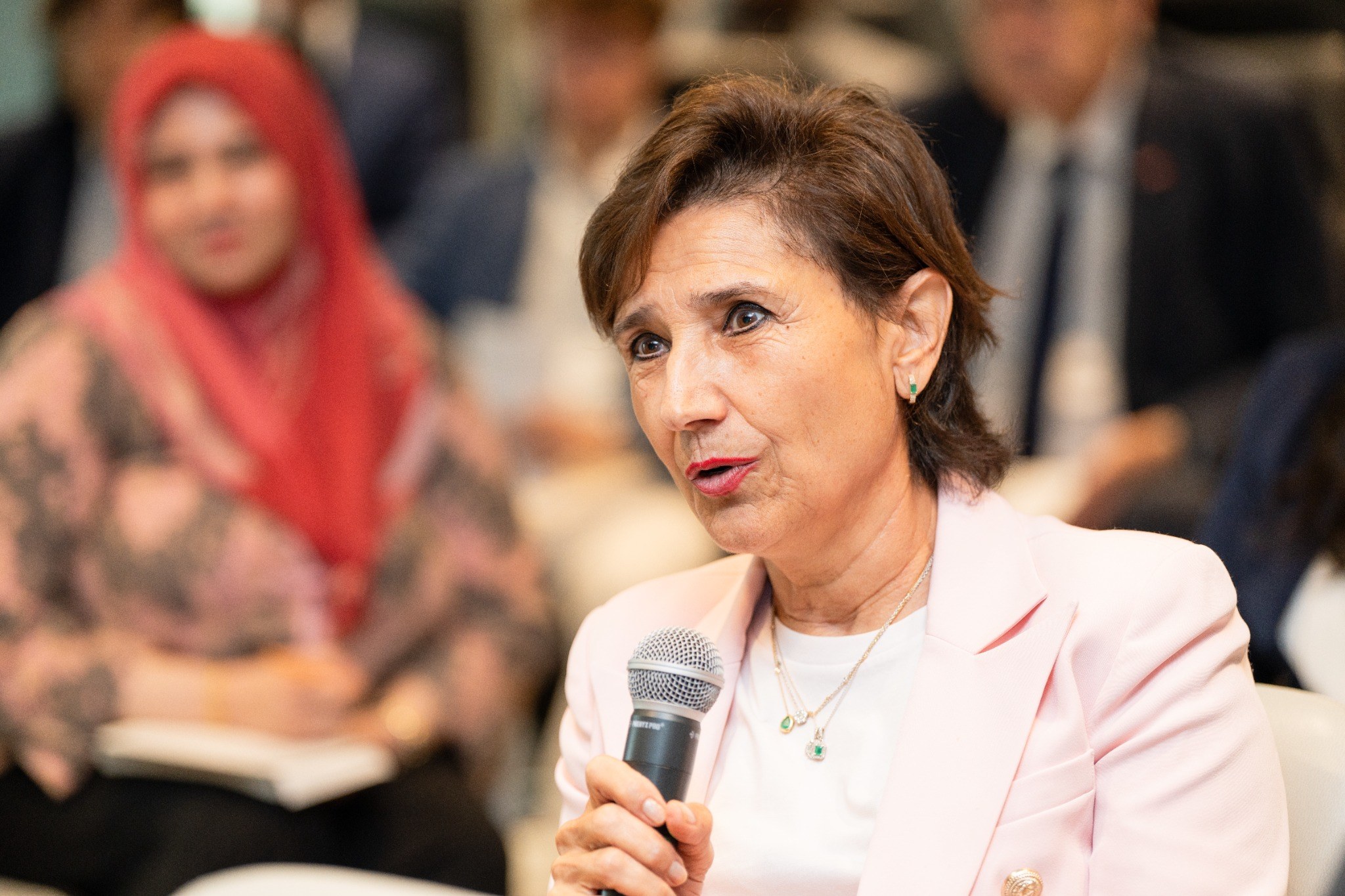
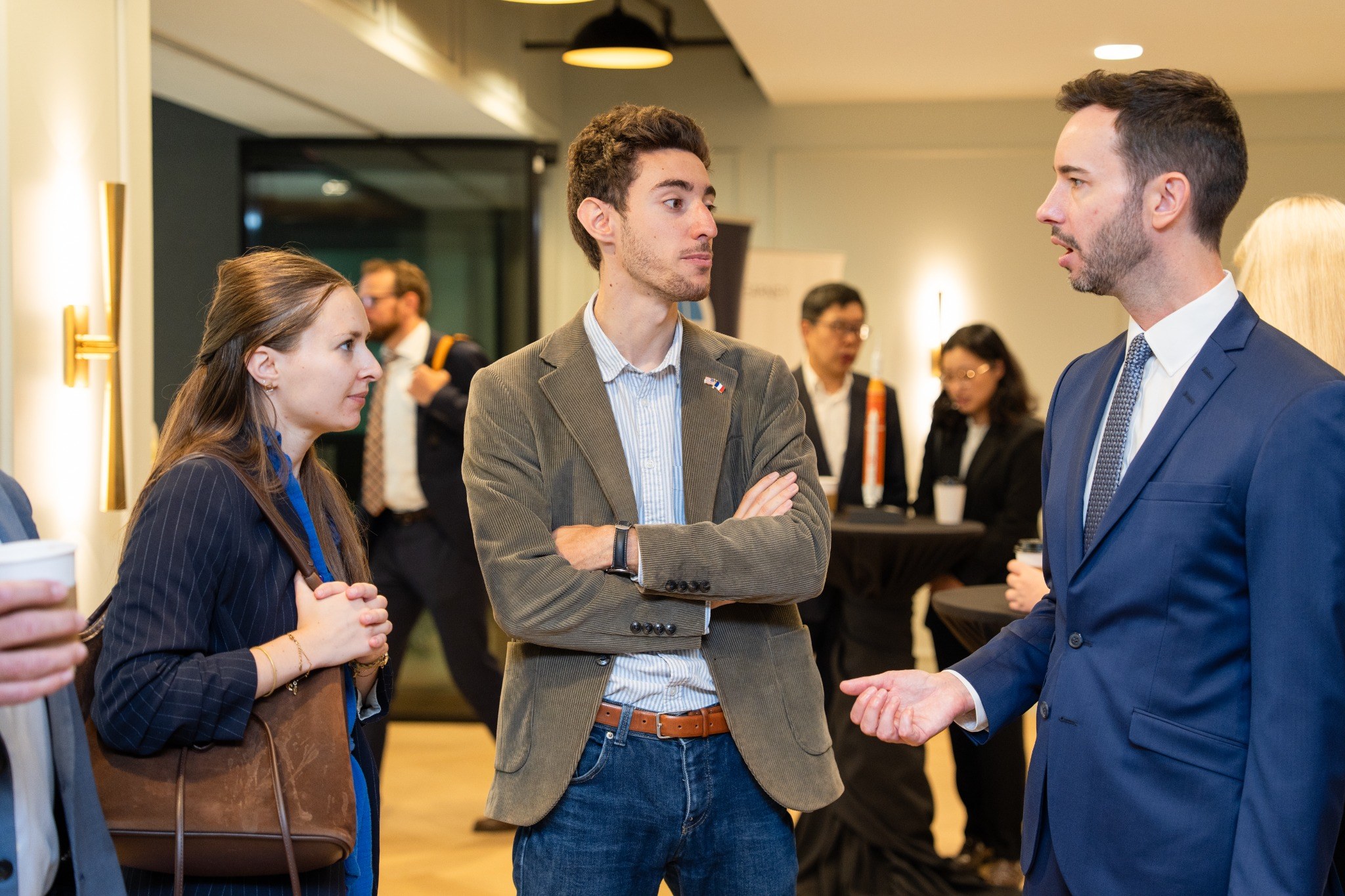
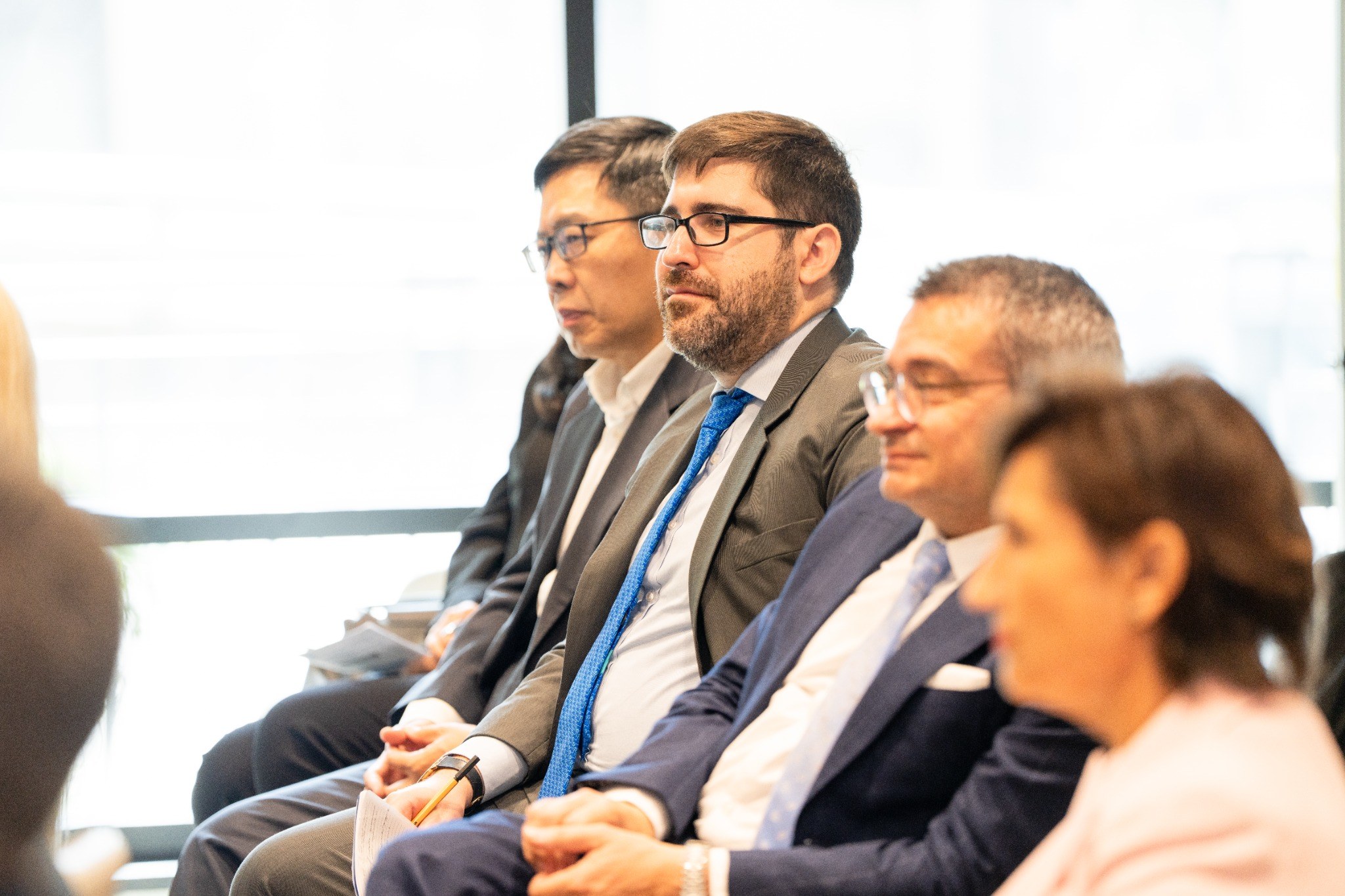
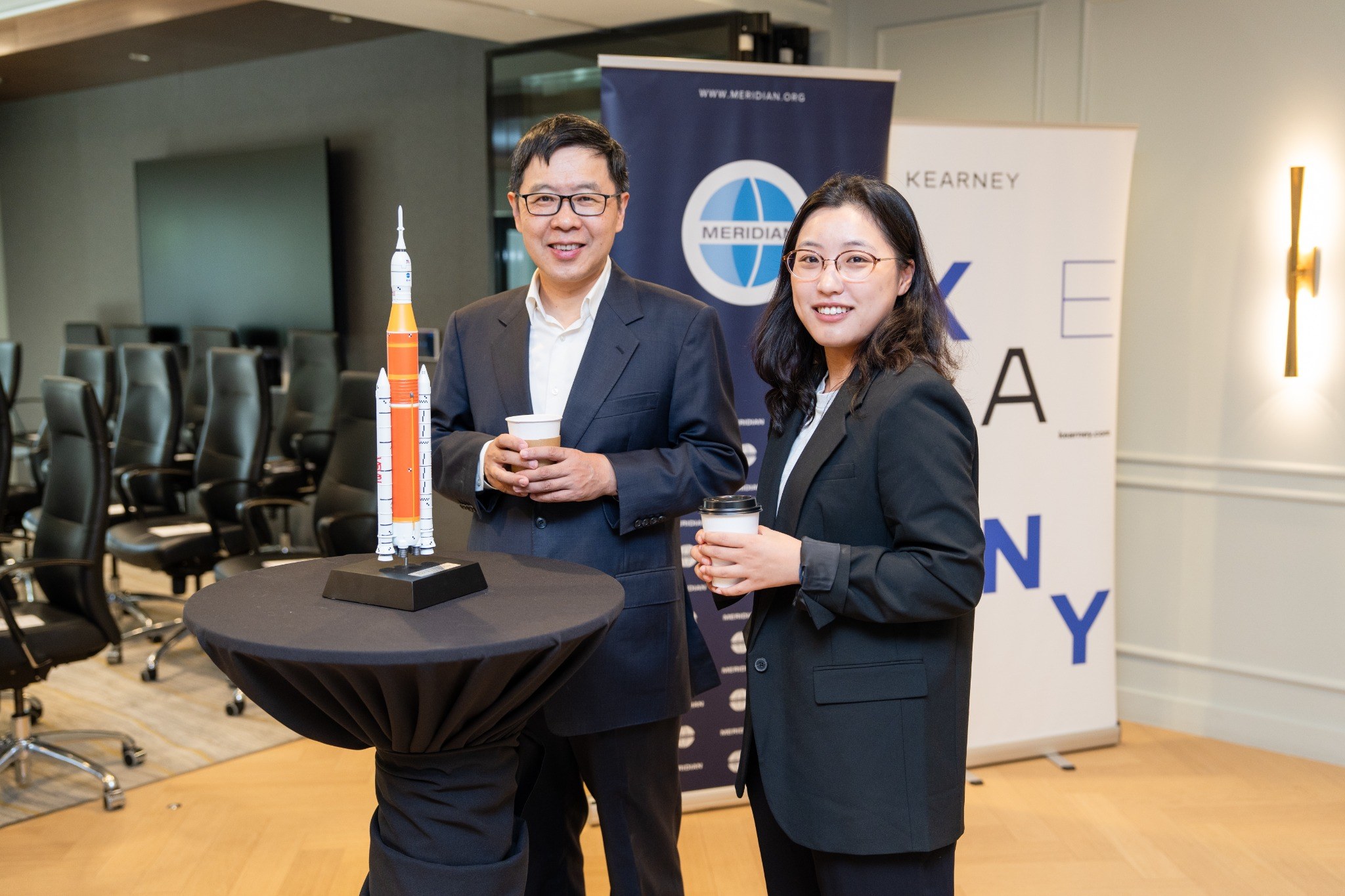
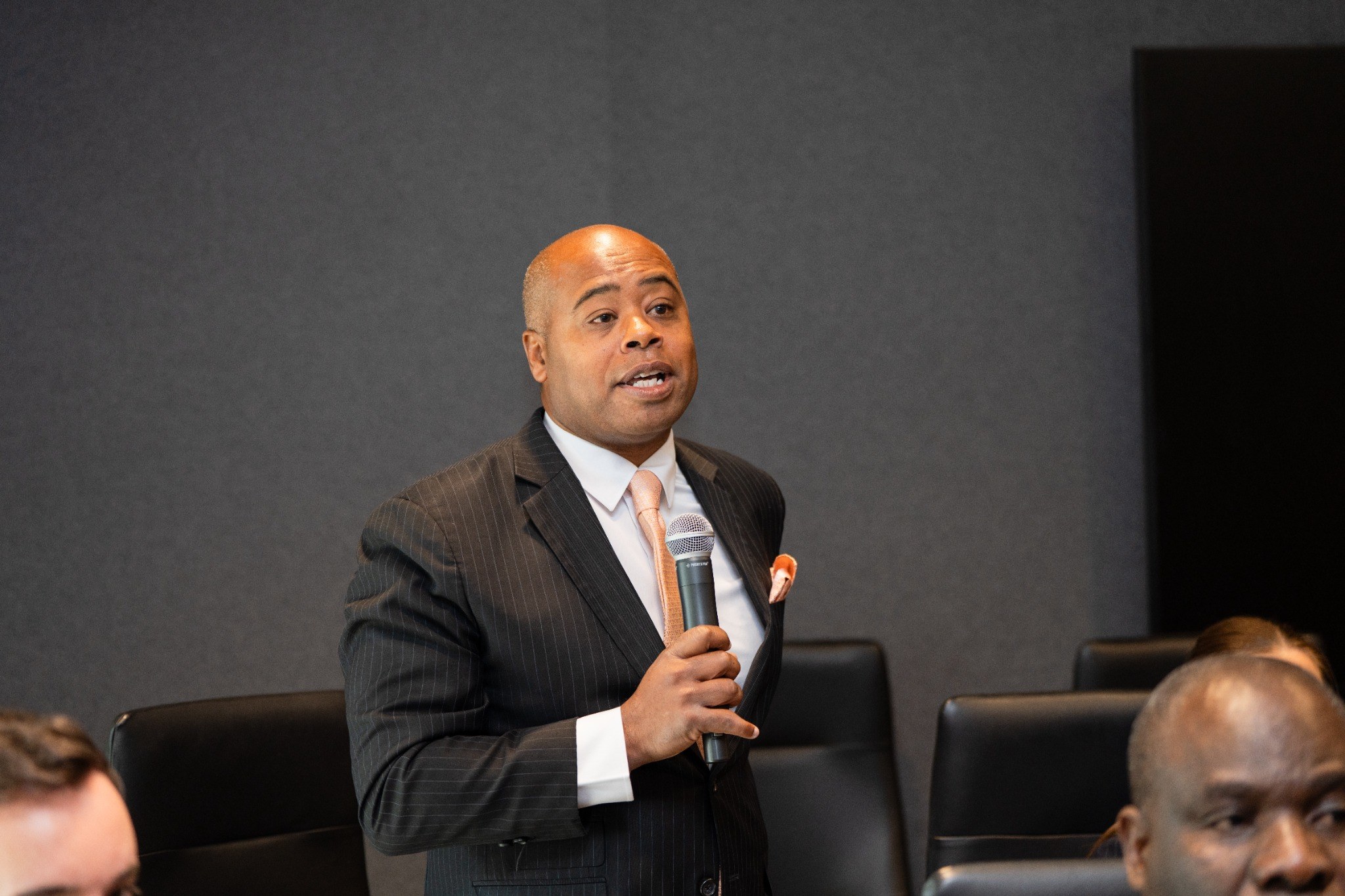
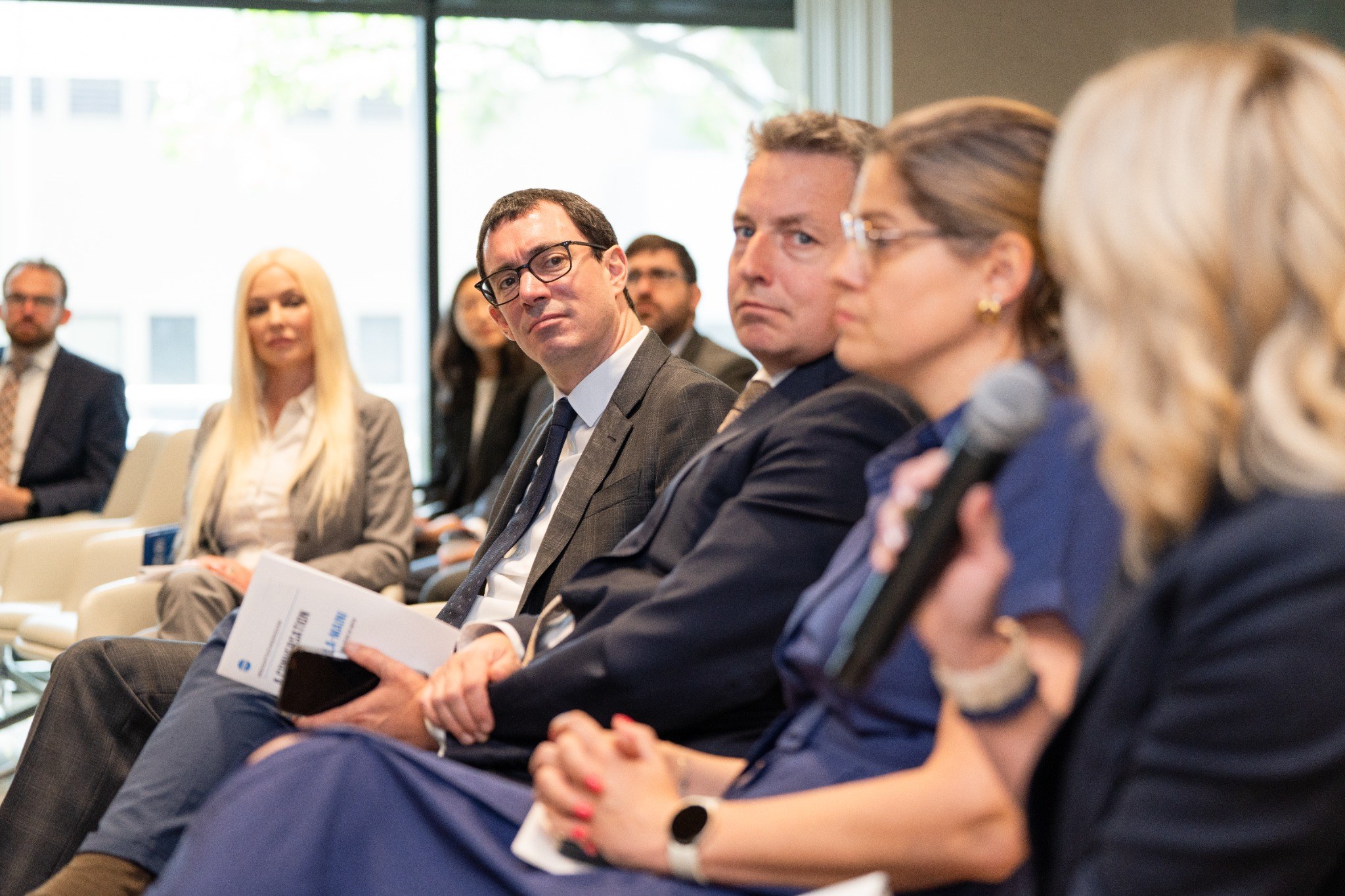
On Friday June 5, Meridian International Center convened diplomats and industry professionals for a conversation with the Director of the United Nations Office for Outer Space Affairs (UNOOSA), Aarti Holla-Maini. Part of Meridian’s Space Diplomacy Initiative, the program brought together over 50 attendees representing 22 nations for a critical conversation ranging from developing international frameworks to building trust in the space ecosystem.
The conversation came at a critical moment, only days before the 69th session of Committee on the Peaceful Uses of Outer Space (COPUOS) conference, which convenes from June 10 to June 18 in Vienna, Austria. Director Holla-Maini previewed UNOOSA’s achievements from the first COPUOS conference to today with membership growing from just 24 in 1959 to 104 members. Given the technical and complex nature of COPUOS conversations, UNOOSA plays a key role in leveling the playing field between the varying ranges of expertise between member state representatives.
The breadth of attendees served as a platform for open diplomacy and Meridian’s convening power in connecting people, expanding access to knowledge, and uncovering new areas for cooperation. Across the discussion, one message became clear, the space sector is evolving quickly, and space stakeholders must keep pace with it.
A special thanks to Kearney for hosting the program at their offices in Arlington, Virginia.
Here are the top takeaways from the program:
1. The First UN Satellite Operations Contact Hub: “Communication is Everything”
This year an average of 11 satellites are launched everyday contributing to the 15,000+ satellites currently orbiting our world. Each satellite either launched by governments or private companies like Amazon Leo play a crucial role in keeping the world as we know it running. In today’s highly contested geopolitical environment, spacefaring nations lack a shared appetite for a single communications system. Determining which nation should host such a program would be difficult to determine, underscoring the need for an alternative system. Holla-Maini emphasized the importance of UNOOSA’s role in protecting space infrastructure – imploring member-states to submit points of contact for a global database of space traffic coordination.
At COPUOS this week, UNOOSA will take live an online platform to streamline emergency communications through a point of contact (POC) database for space traffic coordinators. This database will allow coordinators a streamlined way to contact the owner of a satellite in the event of a conjunction, or a potential collision between satellites. The approach is designed to improve coordination among existing actors and rapid decision making.
AI tools have been suggested as a means of space traffic coordination – however they come with their own risks. While Holla-Maini recognized the importance for responsible uses of artificial intelligence (AI) in space; she also warned of the dangers. In the event of a conjunction, AI tools lacking access to communicate with each other may take the same countermeasures to avoid a collision, meaning human input is essential in safe space governance. As Holla-Maini stated, “the world does not depend on AI the way it depends on space.”
2. Accelerating the Global Space Economy
Understanding when and where to meaningfully engage industry in space dialogue is an ongoing conversation for UNOOSA and member states. Commercial companies increasingly provide key data, operate satellites, and possess expertise that governments and international institutions need to monitor potential satellite collisions.
Holla-Maini also recognized the hesitancy of countries to involve commercial entities in UN proceedings and provided her experience observing member states having informative industry interactions. To help bridge the gap, UNOOSA runs table-top exercises and simulations for member states and, when appropriate, invites industry to join. Holla-Maini emphasized to industry leaders that when they are invited, it is critical to show-up and take advantage of this unique opportunity for direct engagement with member states in the multilateral system.
3. Trust is Fundamental
A defining strength of COPUOS is a consensus-driven decision-making process. At a time when space technology and innovation is accelerating at an unprecedented rate, it is often outpacing the consensus-based model. Nonetheless, consensus is key to placing nations on equal footing from large spacefaring nations to small island states – making trust, through consensus, fundamental to the validity and respect of COPUOS and UNOOSA.
Holla-Maini noted this is one area where industry does not play a role in space governance, ensuring financial interests do not shape governance outcomes. Instead, her office prioritizes communication, transparency, information sharing, and inclusivity. Investment in trust-building increases the likelihood of successful implementation, as member states may be more willing to support outcomes that reflect their contributions and concerns. Trust is fundamental in achieving maximum buy in from states.
4. Meeting New Demands in Space
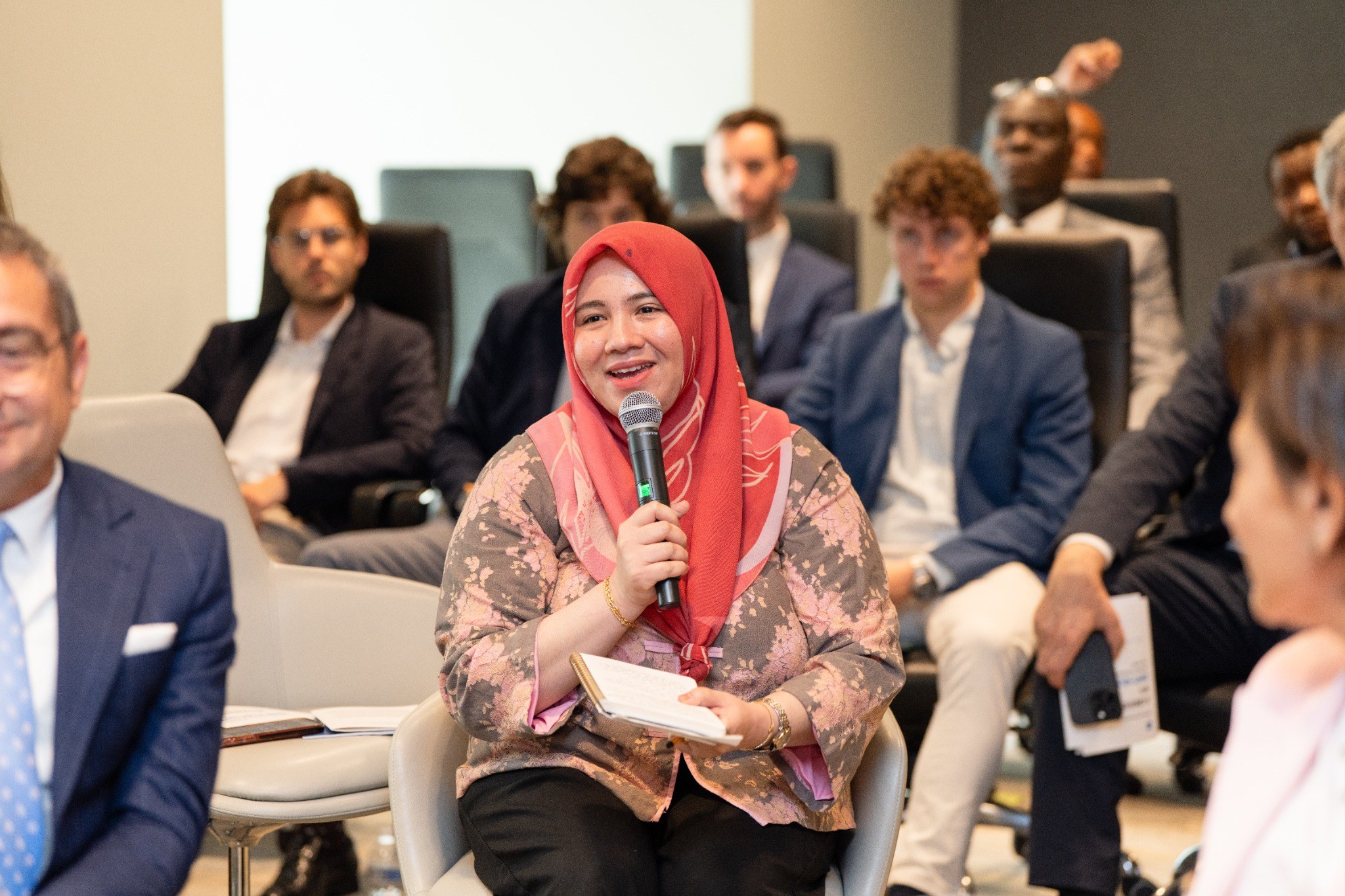
What does success look like for UNOOSA in five years’ time? This question from the audience sparked dialogue on achievements and opportunities for growth and evolution. Holla-Maini defined success as establishing a coordination mechanism for the wide range of activities in space, including industry participation to achieve this goal; maintaining the convening ability to convene experts to talk outside of traditional geopolitical landscapes;, and the establishment of useful mechanisms that serve member state’s needs.
One of the key needs for member states is lunar exploration. In a forward-thinking approach, Holla-Maini asks member states for increased coordination with UNOOSA, beyond consultations. Luner is not the only area of importance for member states and concerns reach closer to come regarding space debris.
UNOOSA’s mandate concerns the peaceful use of outer space which includes safety and sustainability. With 1.2 million objects in orbit larger than 1 cm and 50,000 larger than 10 cm, addressing the impacts of space debris will require enhanced coordination on debris mitigation and its potential impacts on airspace safety and atmospheric reactions in the ozone. UNOOSA is uniquely positioned to convene space and aviation stakeholders and to help develop collaborative mechanisms that strengthen safety, transparency, and responsible behavior in orbit.
5. An Ever-Expanding Mandate
Space might be continuously expanding to infinity and beyond, but the chief multilateral body for outer space’s budget remains far more limited.
A notable discussion from the session surrounded the increasing need for UNOOSA’s services and limited budget. According to UNOOSA’s 2024 annual report, the office operates on $4.32 million with a staff of 42 members. In a February statement by Holla-Maini from this year, UNOOSA was disproportionately impacted with a 15% reduction - resulting in a team of 21 members. With UNOOSA increasing its capacity and a UN leadership transition approaching this fall, now is the time to boost funding to support its growing mandate.
Beyond government-to-government relations, Holla-Maini stated the importance of bringing public awareness to space issues, an approach directly aligned with Meridian’s principle of open diplomacy. Financial economics, communication infrastructure, internet, and more all depend on functional satellite operations. Part of engaging policymakers includes engaging the electorate and fostering inclusive dialogue so citizens can better understand and contribute to decisions shaping the future of space. The discussion reaffirmed the importance of open diplomacy in bringing together diverse voices to advance a safer, more sustainable future in outer space.

Project summary
| A Conversation with Director of UNOOSA Aarti Holla-Maini | June 2026 | |
|---|---|
| Countries: | Canada, Nigeria, Brazil, France, Luxembourg, Ireland, Italy, Japan, Spain, Malaysia, Montenegro, New Zealand, Liechtenstein, Costa Rica, Iraq, Peru, Poland, Serbia, Singapore, Slovenia, Zambia, China |
| Impact Areas: | Science and Technology |
| Program Areas: | Technology, Innovation, & Space |