

2026 Diplomatic Skills Training: Mirzayan Science and Technology Policy Fellows
Project Objectives:
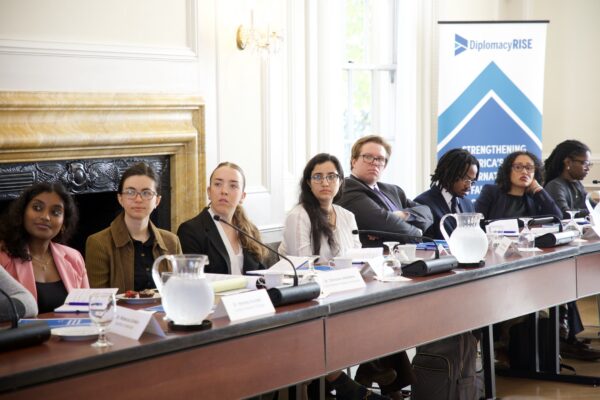
The Diplomatic Skills Training for Mirzayan Science and Technology Policy Fellows was a one-day workshop aimed at bringing together doctoral students and recent graduates in STEM fields with leading practitioners in the field of science and technology diplomacy. Strong leadership in science today includes having the necessary tools to be effective at engaging policymakers, international institutions, and communities across borders. Through this program, Meridian provided training in an introduction to diplomacy and a chance to hear from experts in the science diplomacy realm. As part of Meridian’s DiplomacyRISE initiative, the program helps empower the next generation of leaders to advance American diplomacy through career training, mentorship, and fellowship programs.
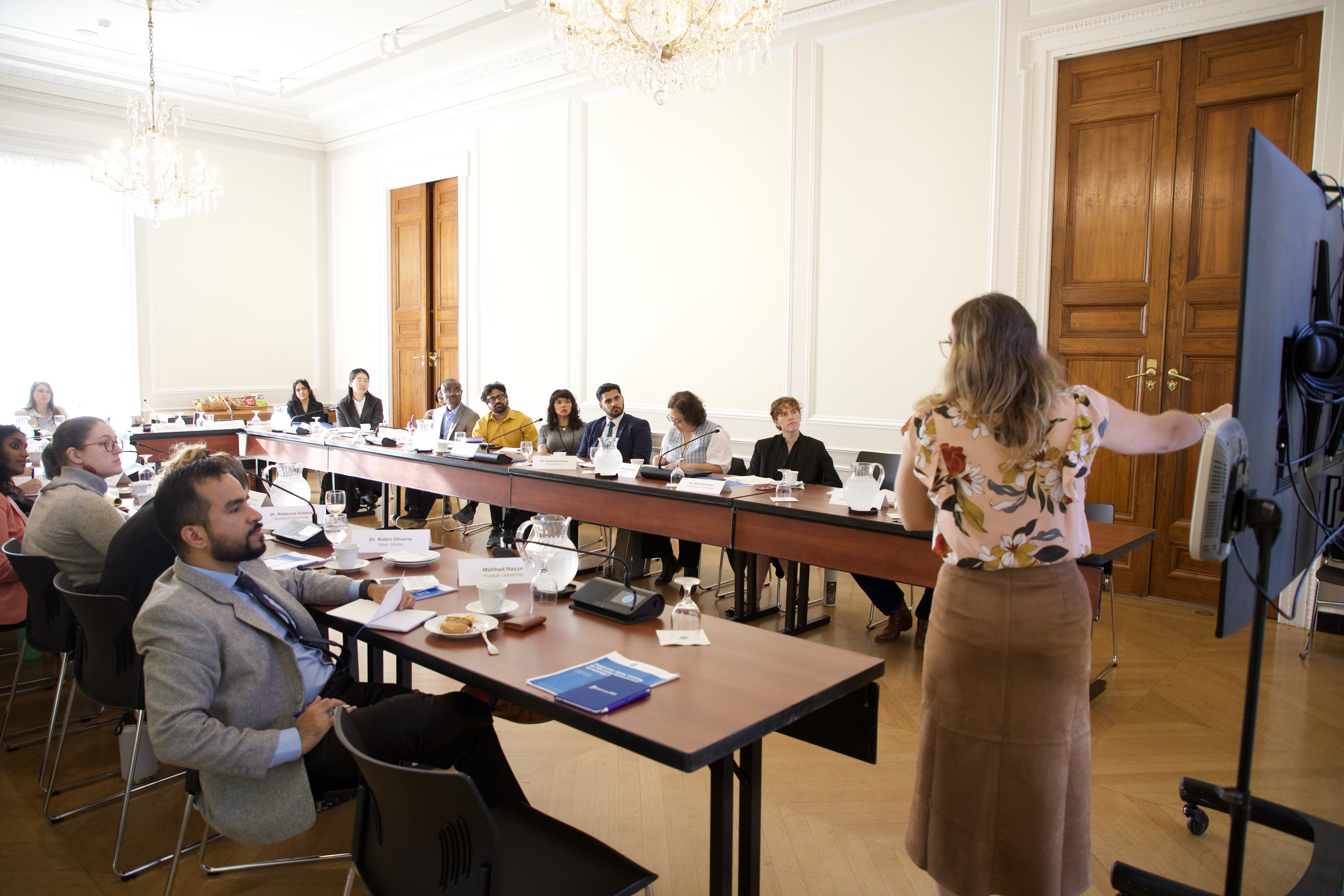
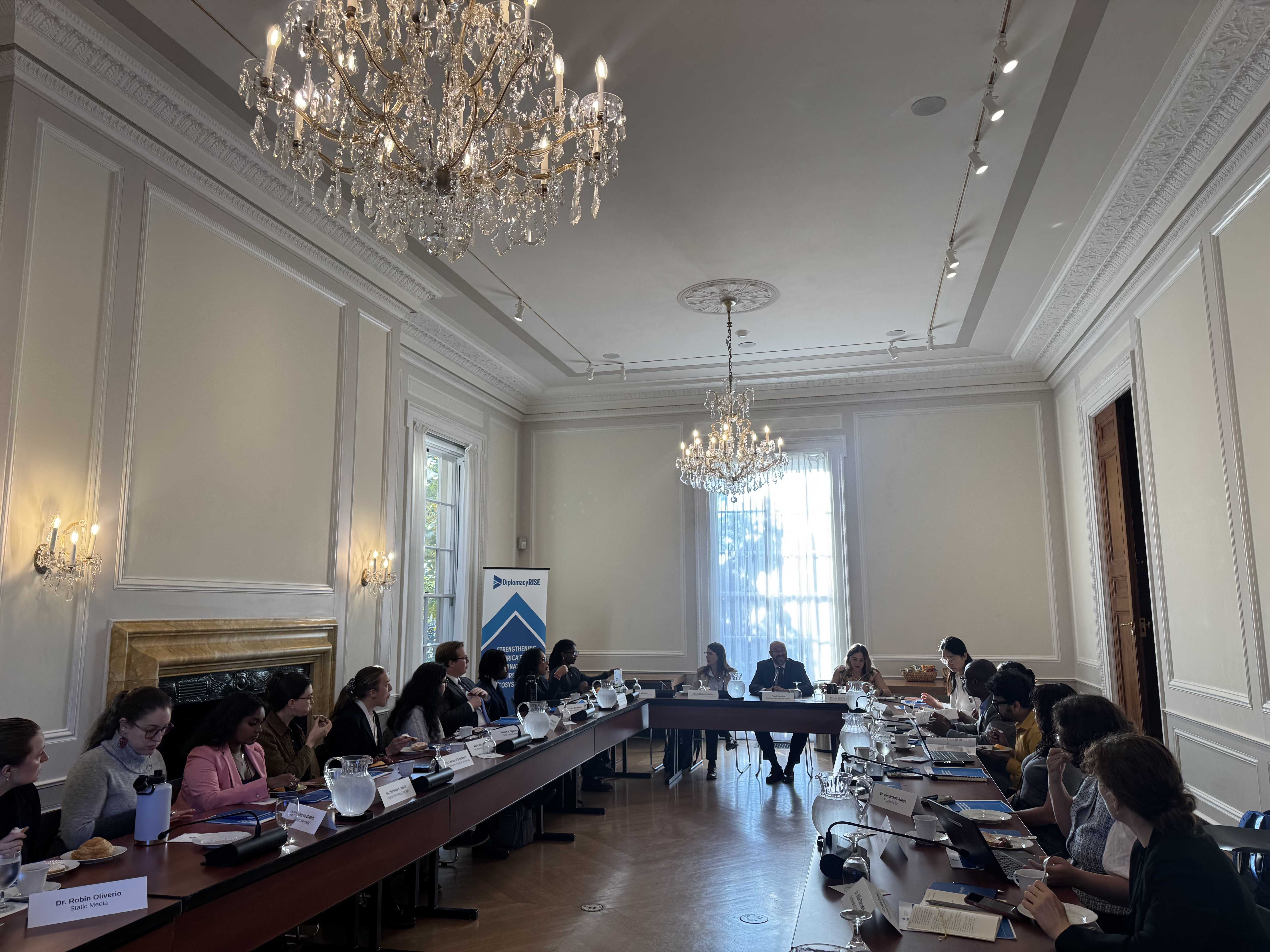
The cohort gained tangible skills in consensus building, teamwork, and combining scientific expertise with real world applications. The training offered students a chance to explore complex issues while practicing negotiation tactics, recognizing biases, and managing conflict constructively, all while previewing careers in science diplomacy. The day was broken down into two workshops, a panel discussion with experts, a speed convening session with practitioners to hear more direct career advice, and an afternoon freshwater crisis simulation putting the skills learned that day to the test.
Guest speakers included Charlotte Bloch, Head of the ESA Washington Office, European Space Agency; Christina Bruff, Founder & Principal, True North Strategy and Consulting; Dr. Luz Cumba Garcia, Founder, SciPolicy Global Strategies; Dr. Maria Espada, Senior Officer for Agriculture and Health, Embassy of Portugal; Frank Justice, Vice President, Open Diplomacy Programs and Director, Space Diplomacy Initiative, Meridian International Center; Piper O’Keefe, Desk Officer for African Affairs, U.S. Department of Energy; Dr. David Miller, Program Director, National Cancer Institute; Dr. Jennifer Morash, AAAS Fellow, U.S. Department of Energy; Dr. Briana Pobiner, Research Scientist and Museum Educator, National Museum of Natural History, Smithsonian Institution; Dr. Rebecca Peters, Earth Action Lead, NASA Goddard Space Flight Center; and Kara Struckman, Associate Program Officer, Meridian International Center.
Diplomacy 101
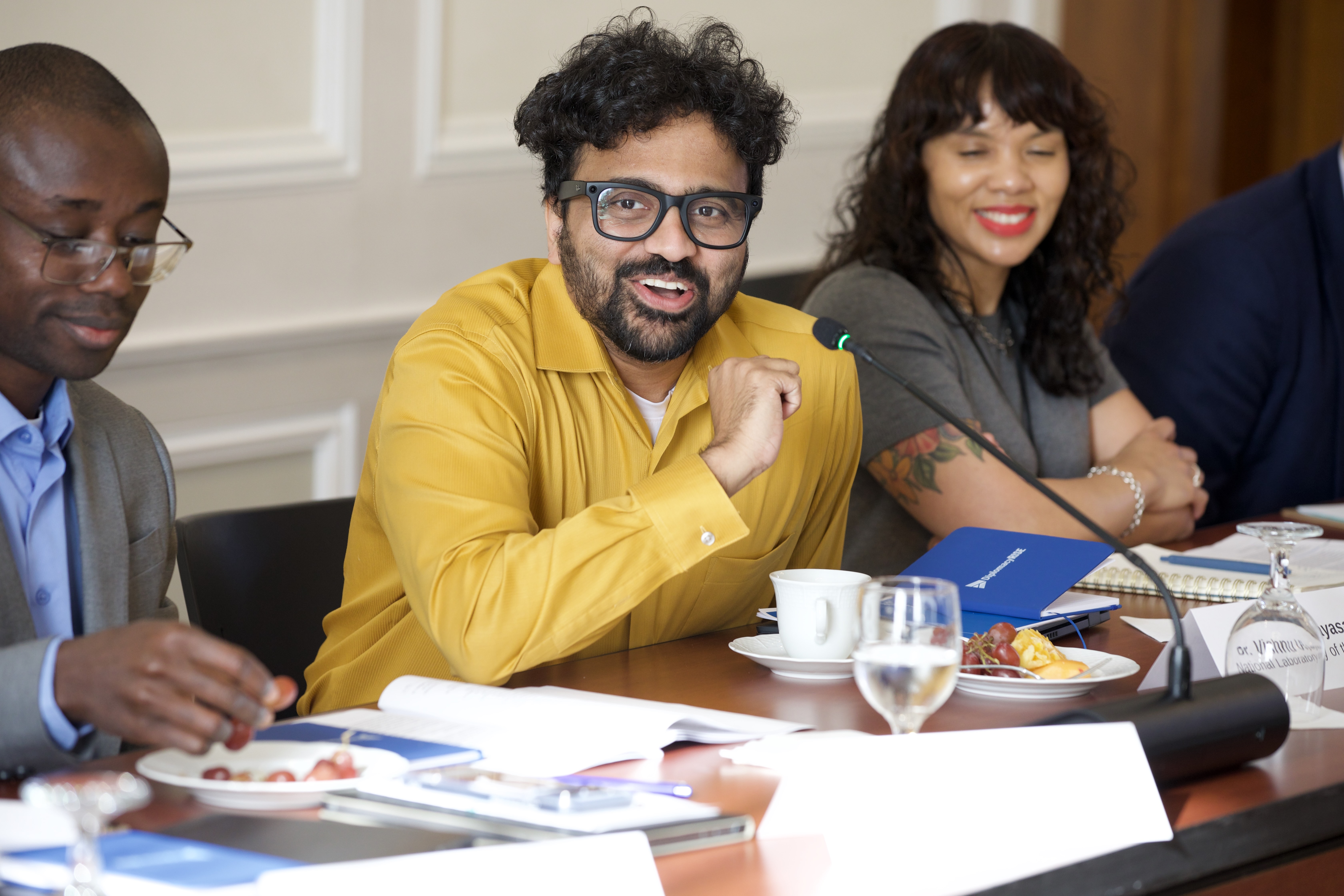
The day began with a Diplomacy 101 training led by Dr. Luz Cumba Garcia, Founder, SciPolicy Global Strategies. This foundational session explored the field of diplomacy through both a holistic and practical lens. The session, which included workshop components, also included an overview of international actors in science diplomacy including the U.S. Department of State, the United Nations and other actors shaping global cooperation and engagement.
Open Diplomacy Practitioner Panel
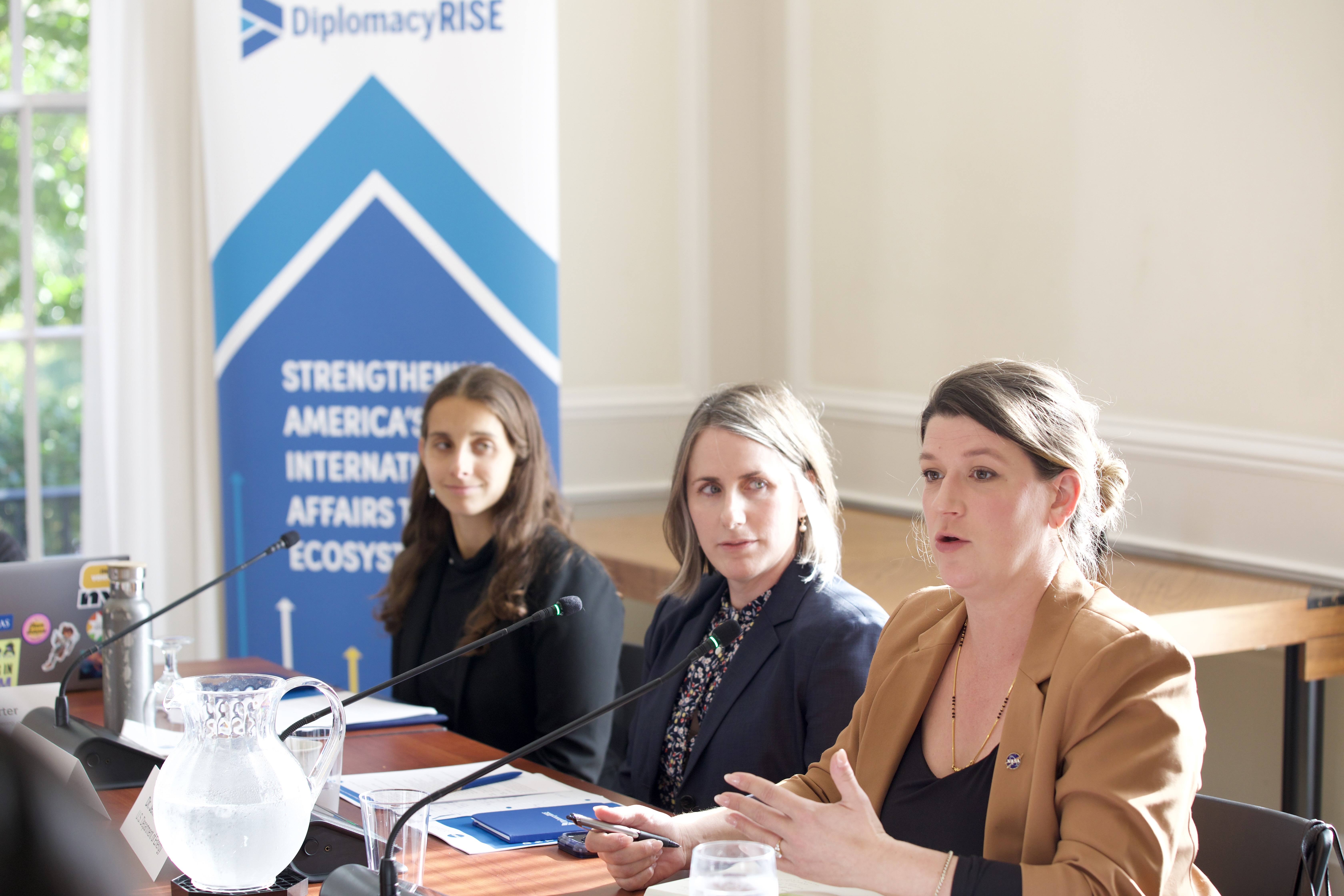
The open diplomacy practitioner panel provided students with firsthand insights into the diverse roles and career pathways within the federal science diplomacy ecosystem featuring Piper O’Keefe, Desk Officer for African Affairs, U.S. Department of Energy, Dr. Jennifer Morash, AAAS Fellow, U.S. Department of Energy, and Dr. Rebecca Peters, Earth Action Lead, NASA Goddard Space Flight Center. Through a moderated discussion, panelists shared their experiences, international opportunities such as Peace Corps, highlighted key initiatives, and offered perspectives on the intersection of science, technology, and international relations at the federal level. The session concluded with a Q&A allowing participants the opportunity to actively engage directly with practitioners and gain a deeper understanding of opportunities in the U.S. government.
Negotiations 101
The Negotiations 101 workshop led by Christina Bruff, Founder & Principal, True North Strategy and Consulting, introduced the participants to the foundations of negotiation through presentations and interactive simulation components. The session drew on the presenter’s professional negotiation experience and explored negotiation through practice. This session helped build the foundation for the diplomatic engagement and collaborative problem-solving needed in international negotiations and everyday conflict management.
Science Diplomacy Speed Convening
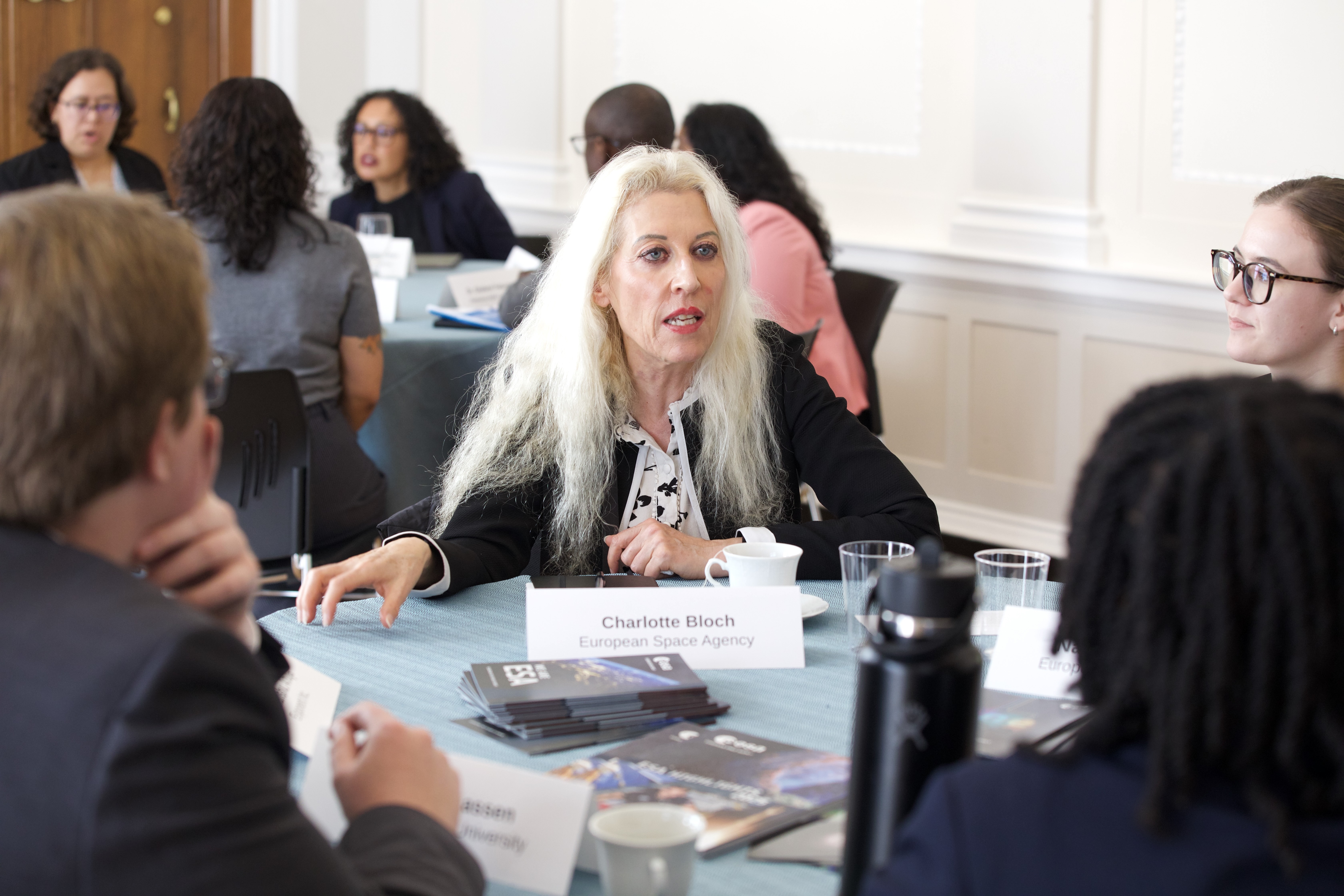
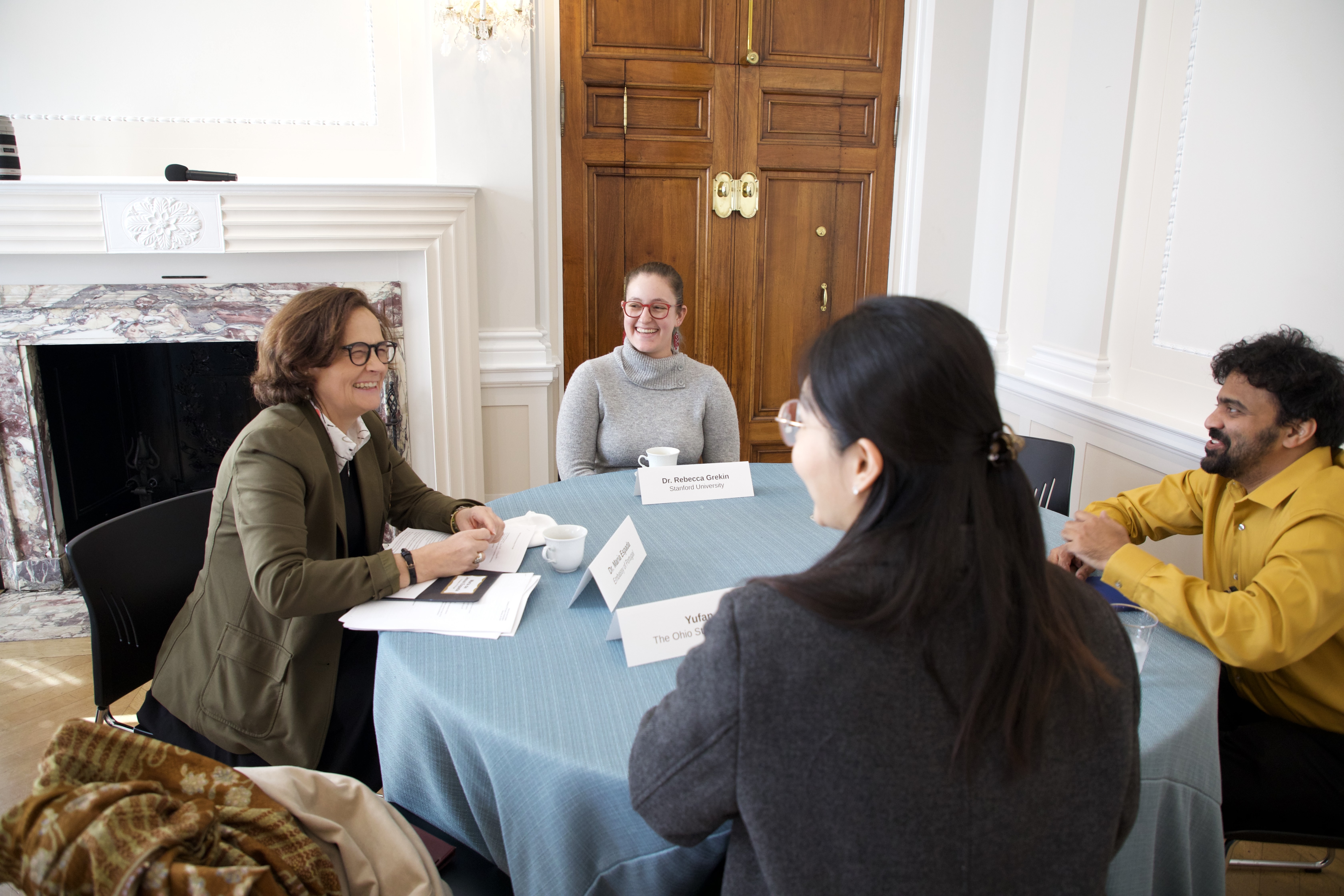
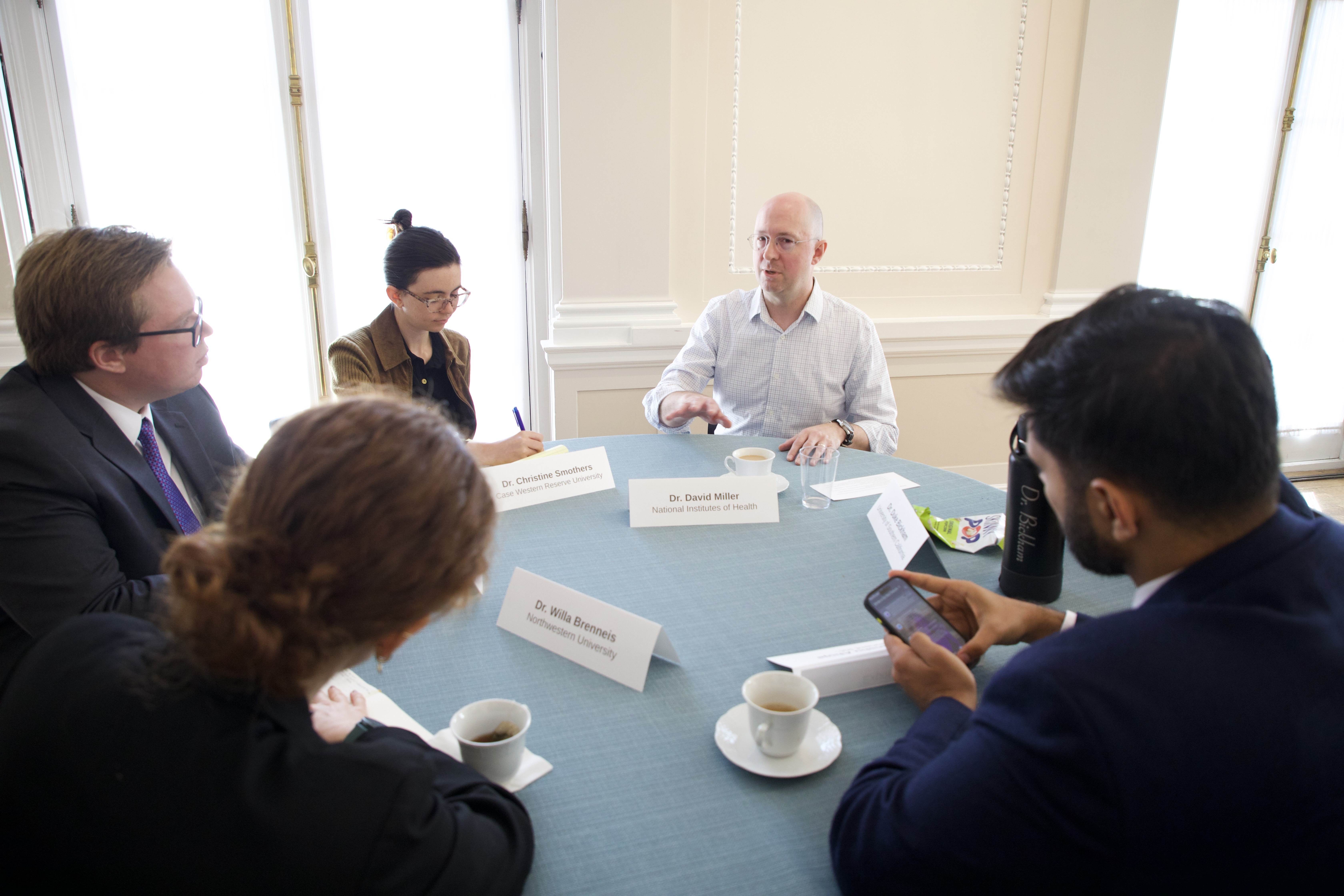
The Science Diplomacy Speed Convening with Charlotte Bloch, Head of the ESA Washington Office, European Space Agency, Dr. Maria Espada, Senior Officer for Agriculture and Health, Embassy of Portugal, Dr. David Miller, Program Director, National Cancer Institute, Dr. Briana Pobiner, Research Scientist and Museum Educator, National Museum of Natural History, Smithsonian Institution, and Kara Struckman, Associate Program Officer, Meridian International Center offered a dynamic opportunity for participants to explore career pathways in science diplomacy by engaging directly with representatives from several organizations in the science diplomacy ecosystem. Each 10-minute rotation included a brief presentation about the organization, followed by open Q&A, allowing for meaningful exchanges and networking with professionals at the intersection of science and international affairs.
Simulation
To close the program, participants put the day’s learning into practice through an interactive negotiation seminar led by Frank Justice, Vice President, Open Diplomacy Programs and Director, Space Diplomacy Initiative, Meridian International Center. Combining hands-on activities with facilitated debriefs and reflection, the session centered on a simulated international freshwater crisis. Students assumed the roles of multilateral and global delegations working to reach an agreement on shared water resources amid an energy crisis and the destruction of natural habitats. Reaching a negotiated outcome meant balancing technical limitations with political concerns and navigating sensitive issues of sovereignty and water rights. Within this realistic multilateral setting, participants had to shape negotiating strategies, build alliances, and reconcile competing priorities—skills essential to diplomacy and to addressing complex global challenges.
Project summary
| 2026 Diplomatic Skills Training: Mirzayan Science and Technology Policy Fellows | October 2026 | |
|---|---|
| Program Areas: | Technology, Innovation, & Space |
