

The Middle East and a Changing Regional Order
Conflict, shifting alliances, and economic pressures are reshaping relationships across the Middle East, as countries respond to security concerns and consider what U.S. engagement in the region could look like over the next decade. These changes are pushing regional leaders to rethink how they approach diplomacy and global cooperation.
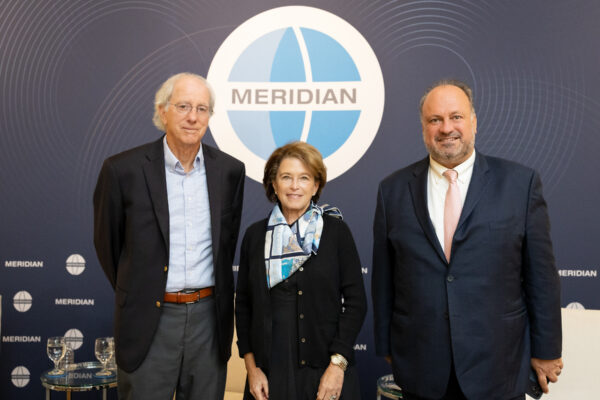
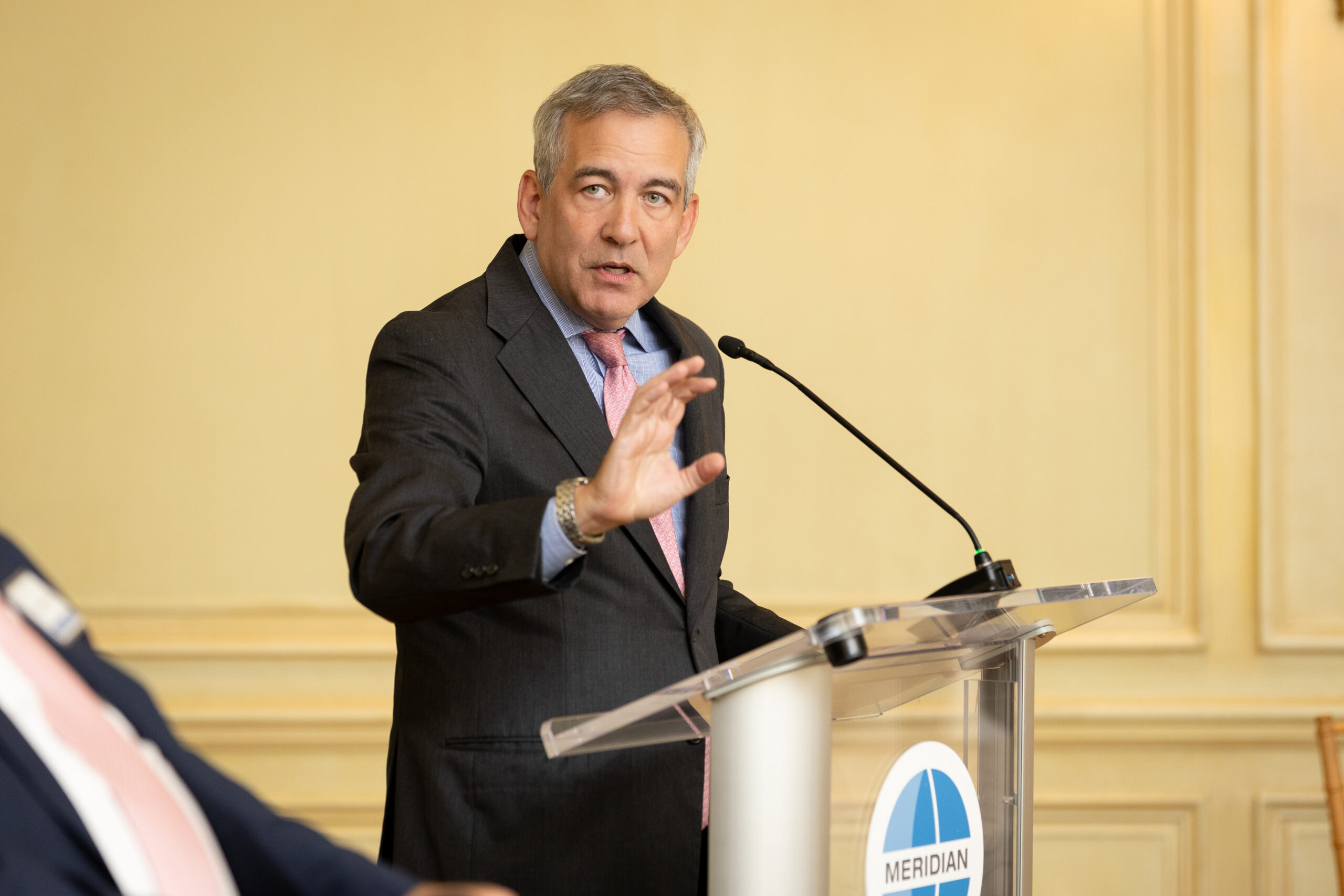
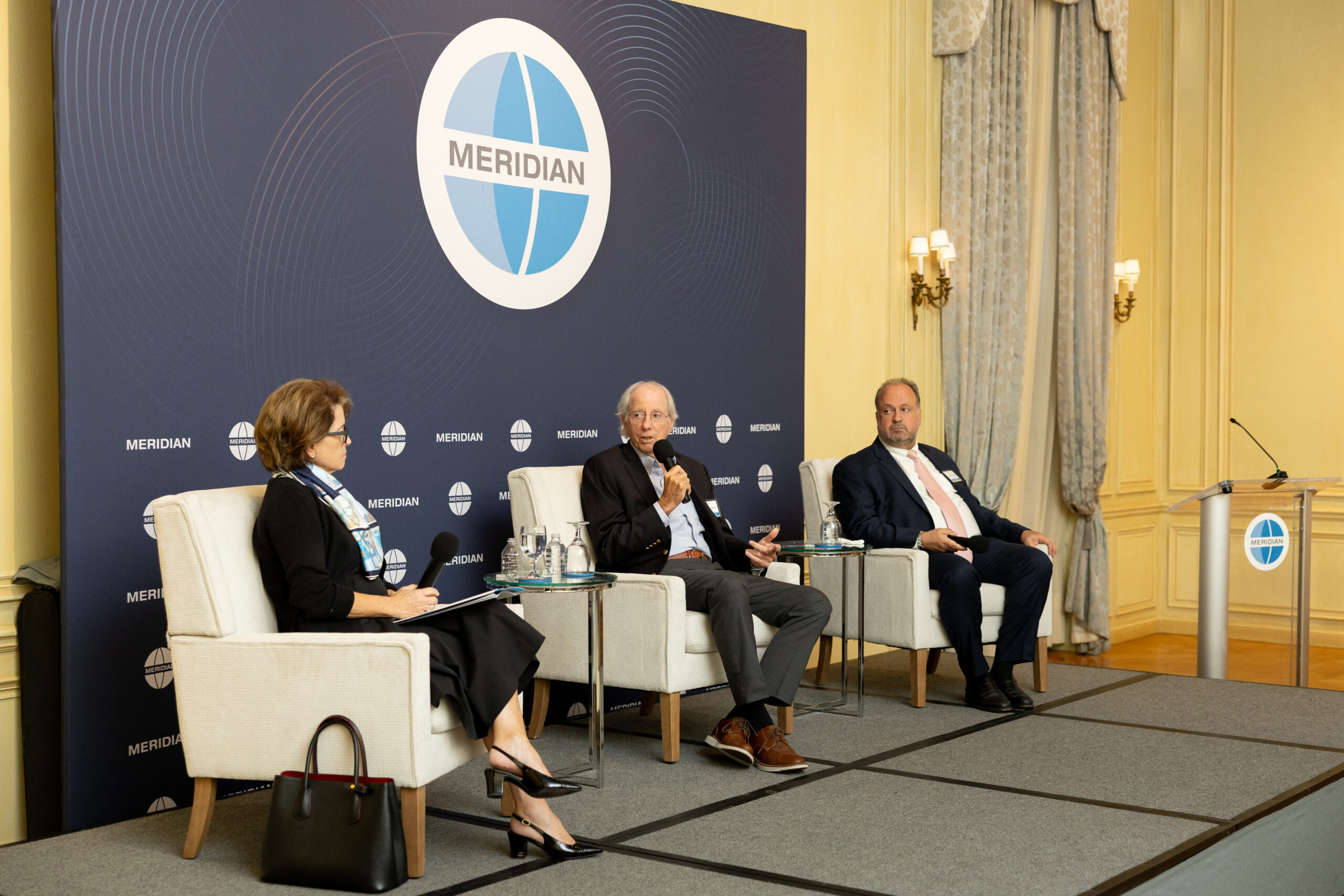
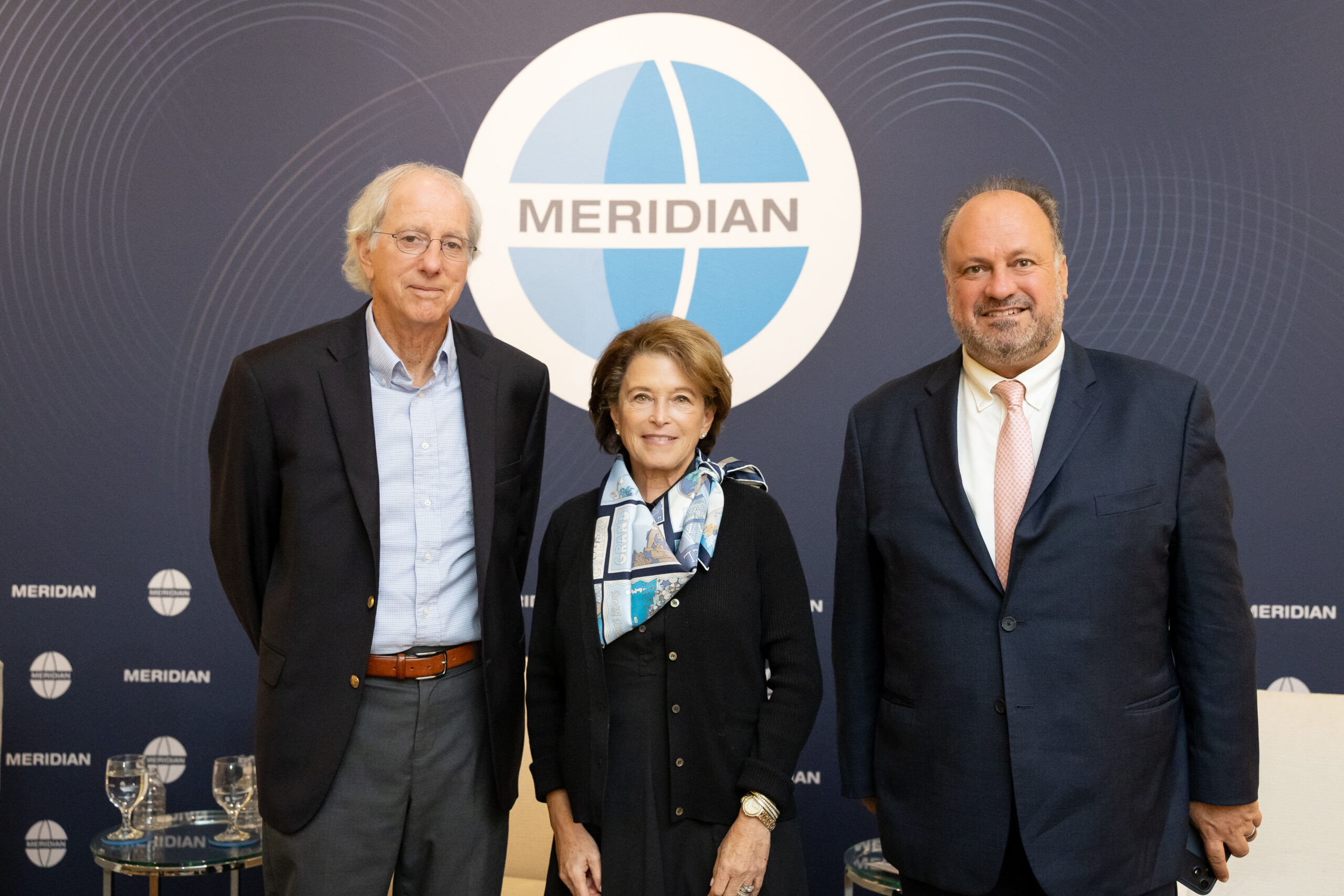
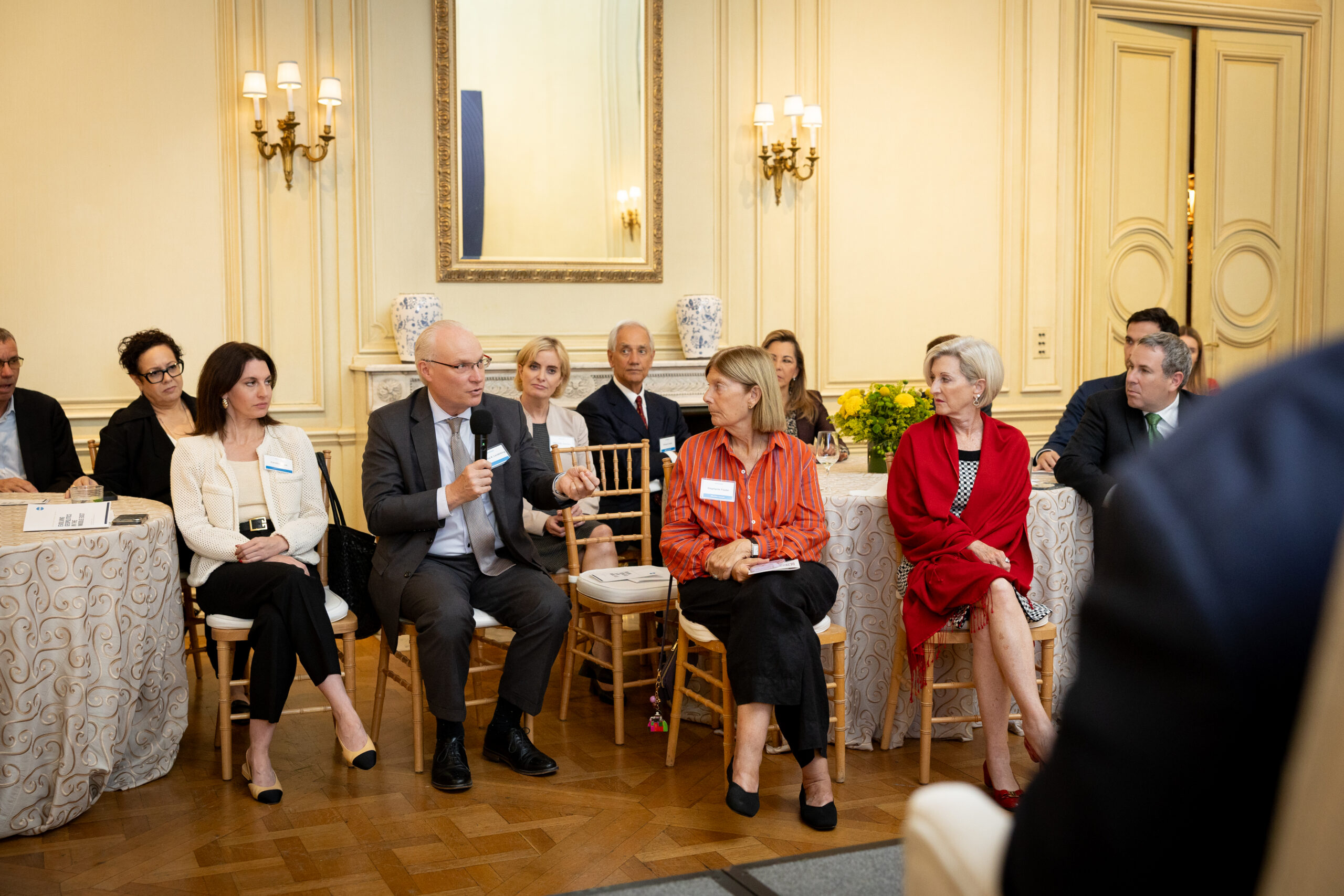
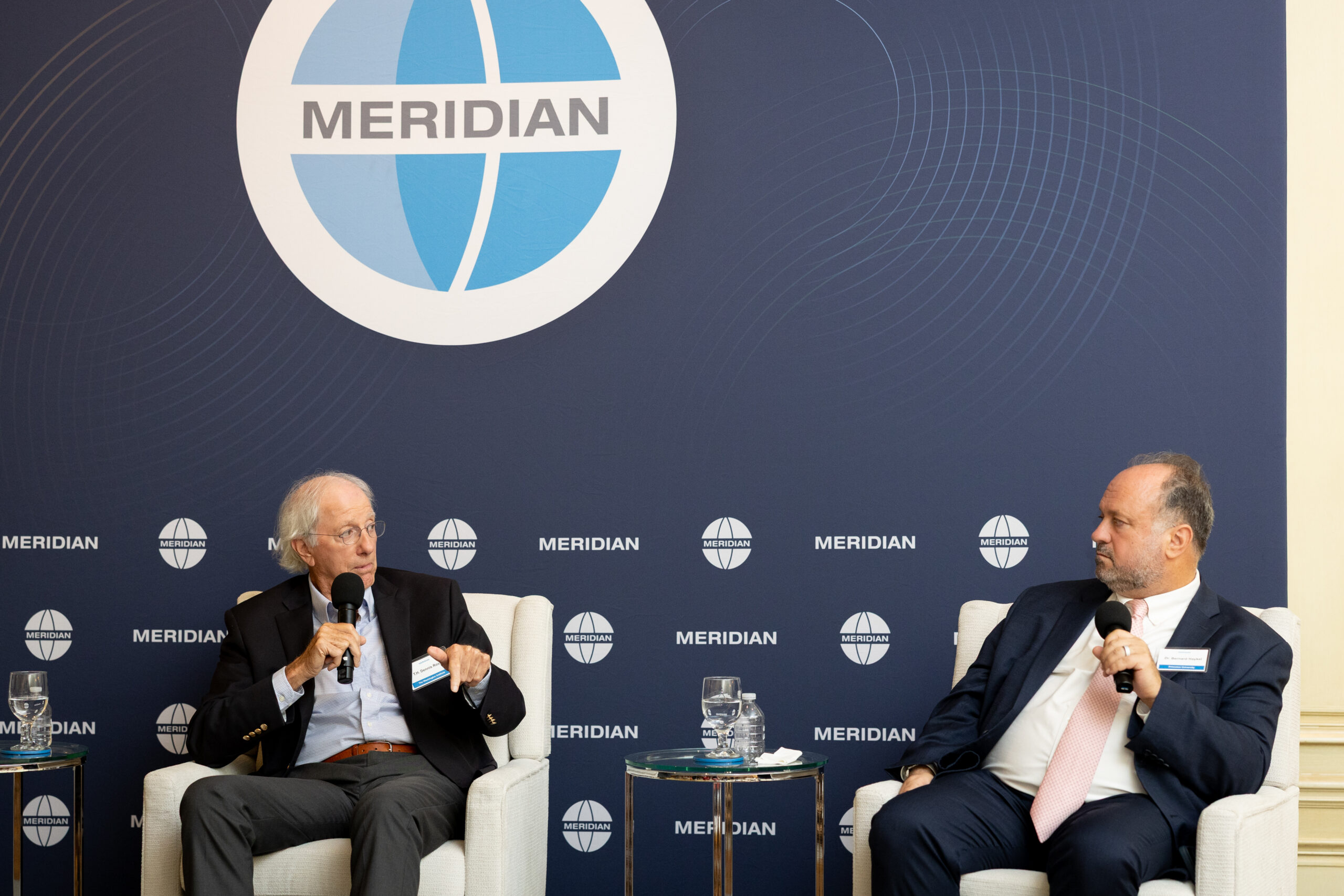
Meridian convened leaders from the diplomatic, public and private sectors at Meridian House on September 17 for a Meridian Council Salon on the evolving geopolitics of the Middle East, featuring Ambassador Dennis Ross, Counselor and William Davidson Distinguished Fellow at The Washington Institute for Near East Policy, and Dr. Bernard Haykel of Princeton University, moderated by Toni Verstandig, Board Member, Meridian International Center.
The discussion examined how conflicts in the region, Gulf security, economic ties, and changing regional partnerships are connected, and what these shifts mean for American leadership in the Middle East.
Here are the top takeaways:
1. Gulf States Are Broadening Their Strategic Relationships
The United States remains an important security partner for Gulf countries, but regional governments are also building relationships that give them more flexibility as conditions change. Confidence in Washington depends not only on U.S. involvement, but also on clearly defined objectives and consistent follow-through. This trend of allies diversifying their relationships is not unique to the Middle East, with the Council on Foreign Relations examining how U.S. partners are pursuing new options while maintaining ties with Washington.
2. Iran’s Regional leverage Extends Beyond Tehran
Iran continues to hold regional leverage through its relationships with a network of proxies and partners across the Middle East, even as its own capabilities face pressure. These relationships are not all the same: some groups have close ties to Tehran, while others maintain their own interests and decision-making. A Congressional Research Service report on Iran-supported groups also notes that the degree of Iranian support varies and that some groups may act independently while sharing interests with Tehran. Understanding those differences is critical to assessing how Iran projects influence across the region.
3. Gulf Security has Global Economic Consequences
The region's importance extends beyond its borders because major energy supplies and trade routes pass through a small number of strategic waterways. The Strait of Hormuz carried about 20.9 million barrels of oil per day in the first half of 2025, equal to roughly 20% of global petroleum consumption, according to the U.S. Energy Information Administration. That vulnerability is driving greater attention to pipelines and other infrastructure that can bypass strategic chokepoints, making alternative routes an economic priority as well as a security concern.
4. Practical Cooperation Could Create Space for Broader Diplomacy
Regional cooperation does not have to begin with formal agreements or full diplomatic normalization. Economic ties, infrastructure, and security coordination can create opportunities for cooperation even while larger political questions remain unresolved. The Israeli and Palestinian economies offer one example of how cooperation can continue even amid deep political divisions, while developments in the West Bank and Gaza continue to shape the environment for broader diplomacy.
5. Diplomacy Requires more than Reaching an Agreement
Effective diplomacy requires more than reaching an agreement. It depends on regional expertise, preparation, and an understanding of the political pressures shaping each party before negotiations begin. The State Department's Foreign Service Institute reflects that need by training professionals in diplomatic tradecraft and negotiation skills. Economic incentives and security tools can support negotiations, but their impact depends on how they are combined with regional knowledge and consistent engagement.

Project summary
| The Middle East and a Changing Regional Order | September 2026 |
|---|
