

2026 Meridian Global Leadership Institute: Future Leaders Academy
Learn More About the Global Leadership Institute
Project Objectives:
The Future Leaders Academy cultivates the next generation of leaders in international affairs, diplomacy, business, public policy, and law. As part of Meridian International Center's Global Leadership Institute, the Academy equips exceptional high school students with the knowledge, leadership skills, and professional networks needed to navigate an increasingly interconnected world. Through immersive learning, mentorship, and direct engagement with diplomacy practitioners, participants gain firsthand insight into global affairs while building the confidence, perspective, and relationships that will shape their future academic and professional journeys.
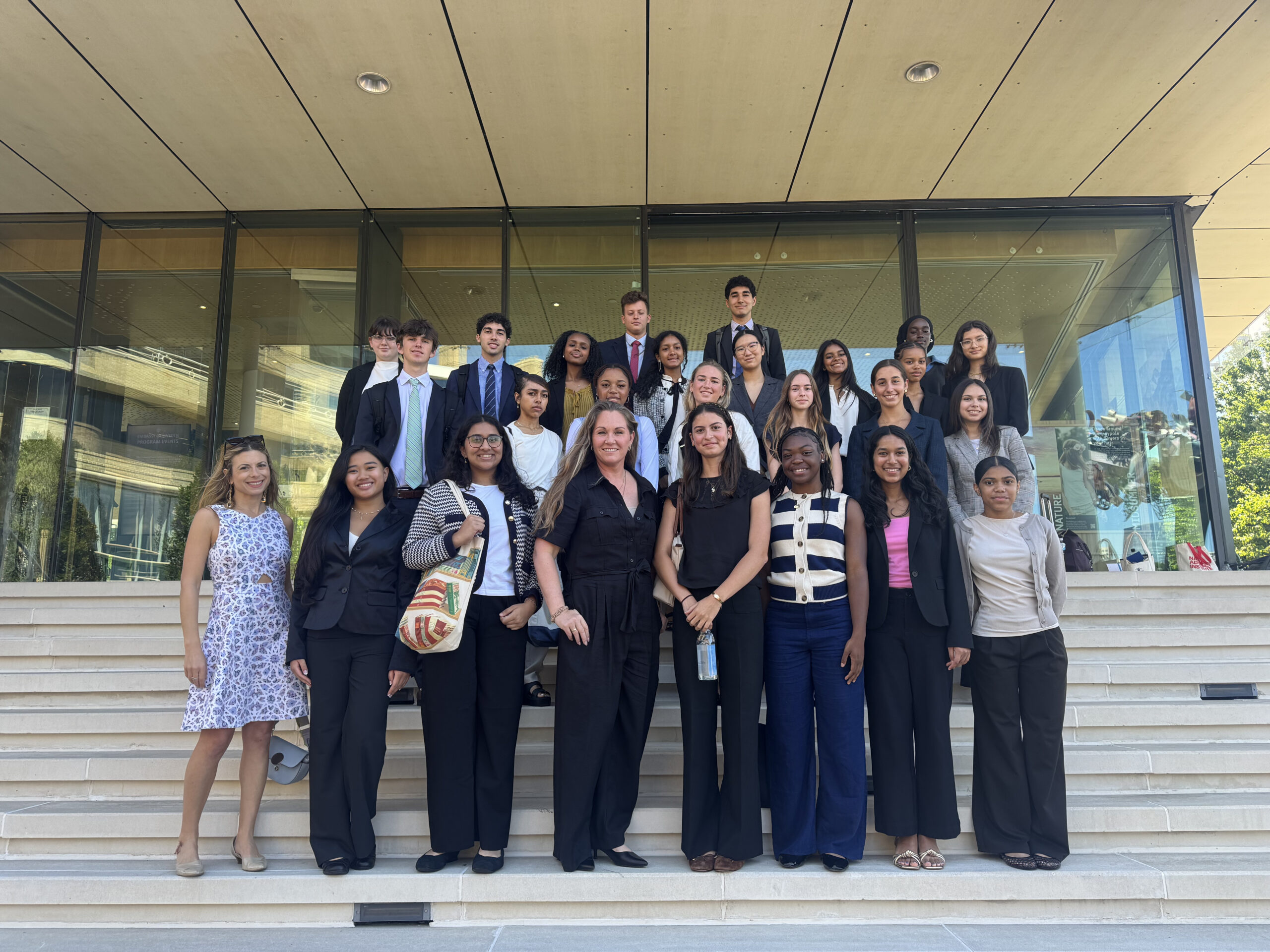
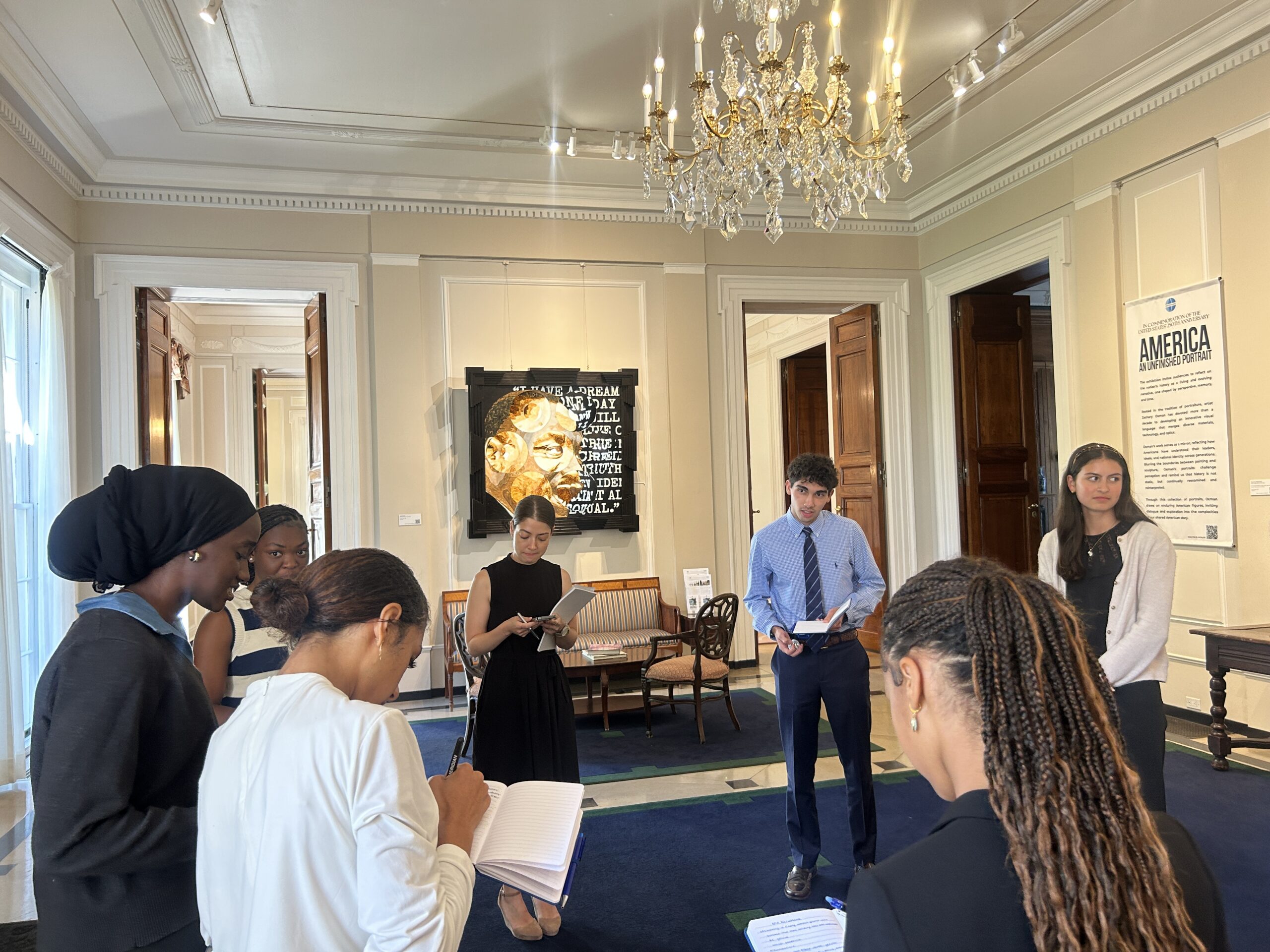
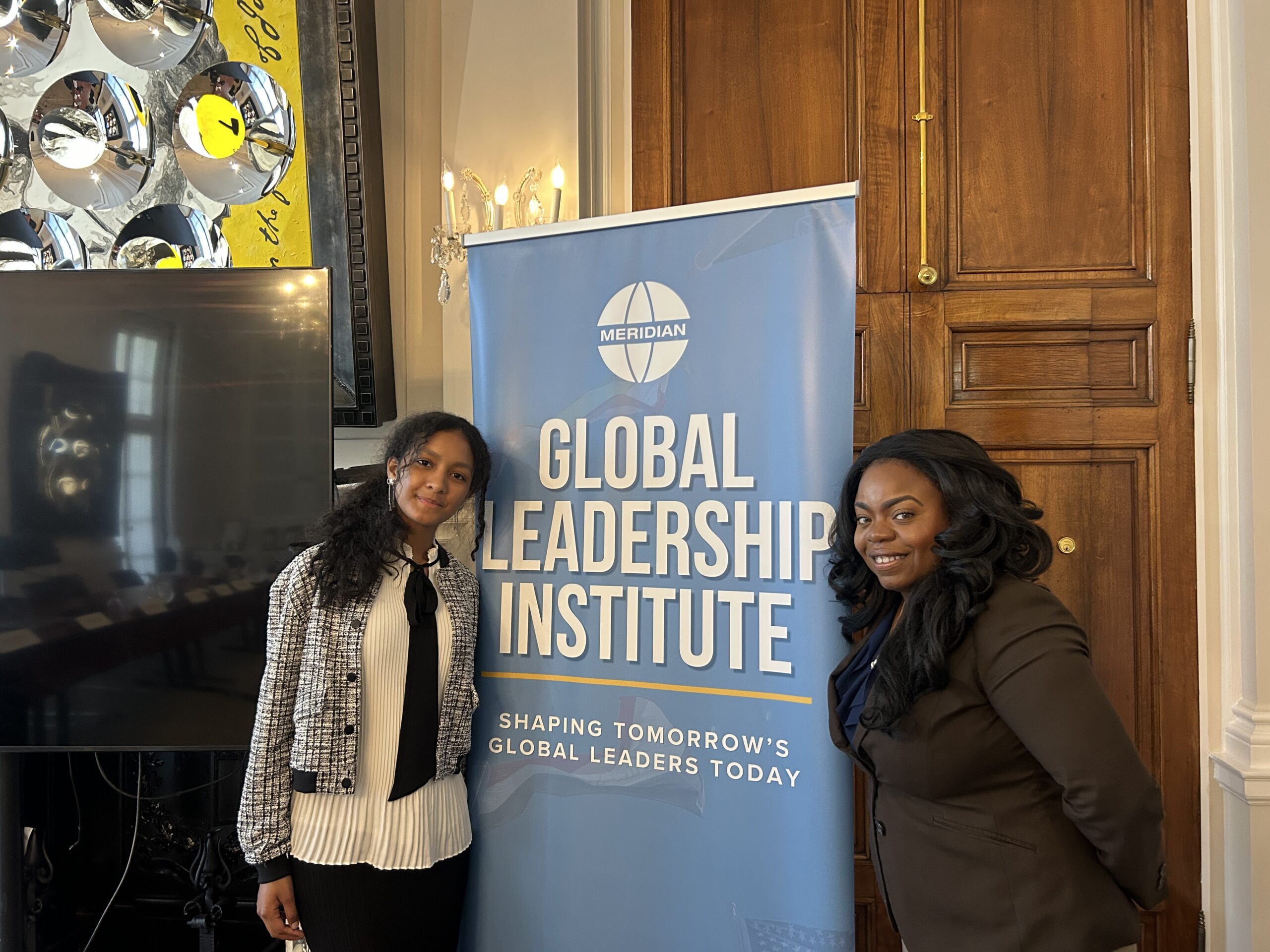
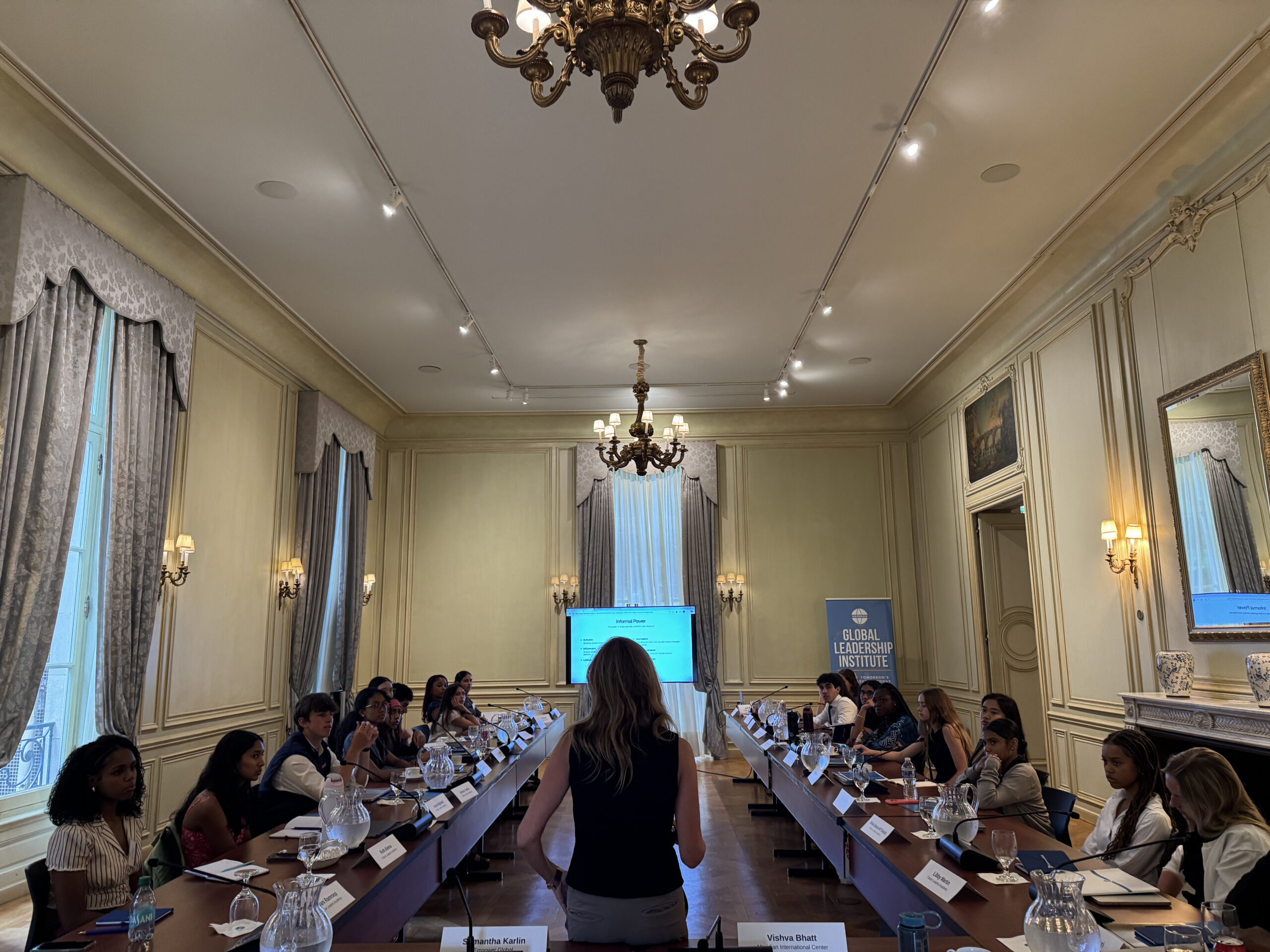
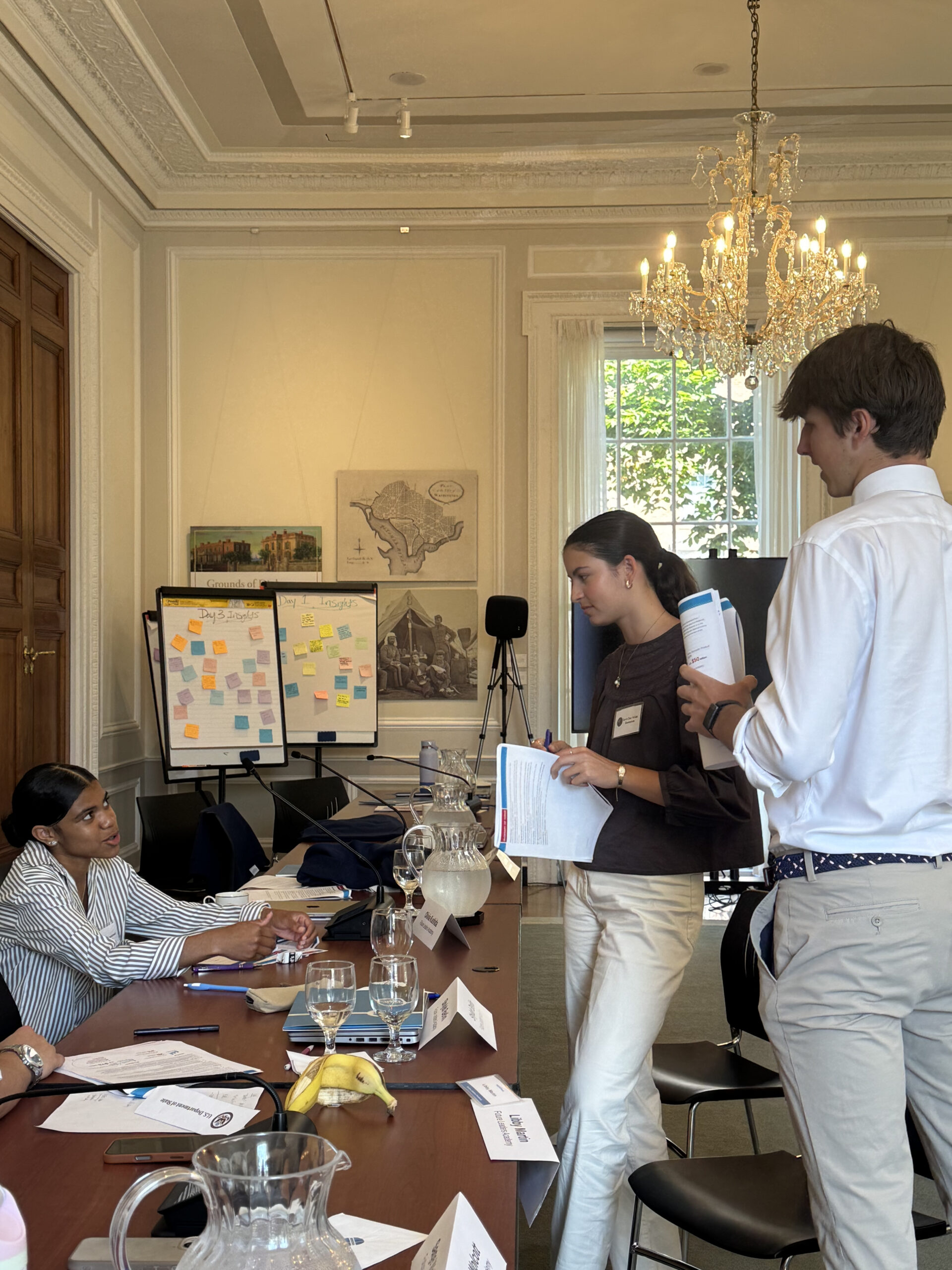
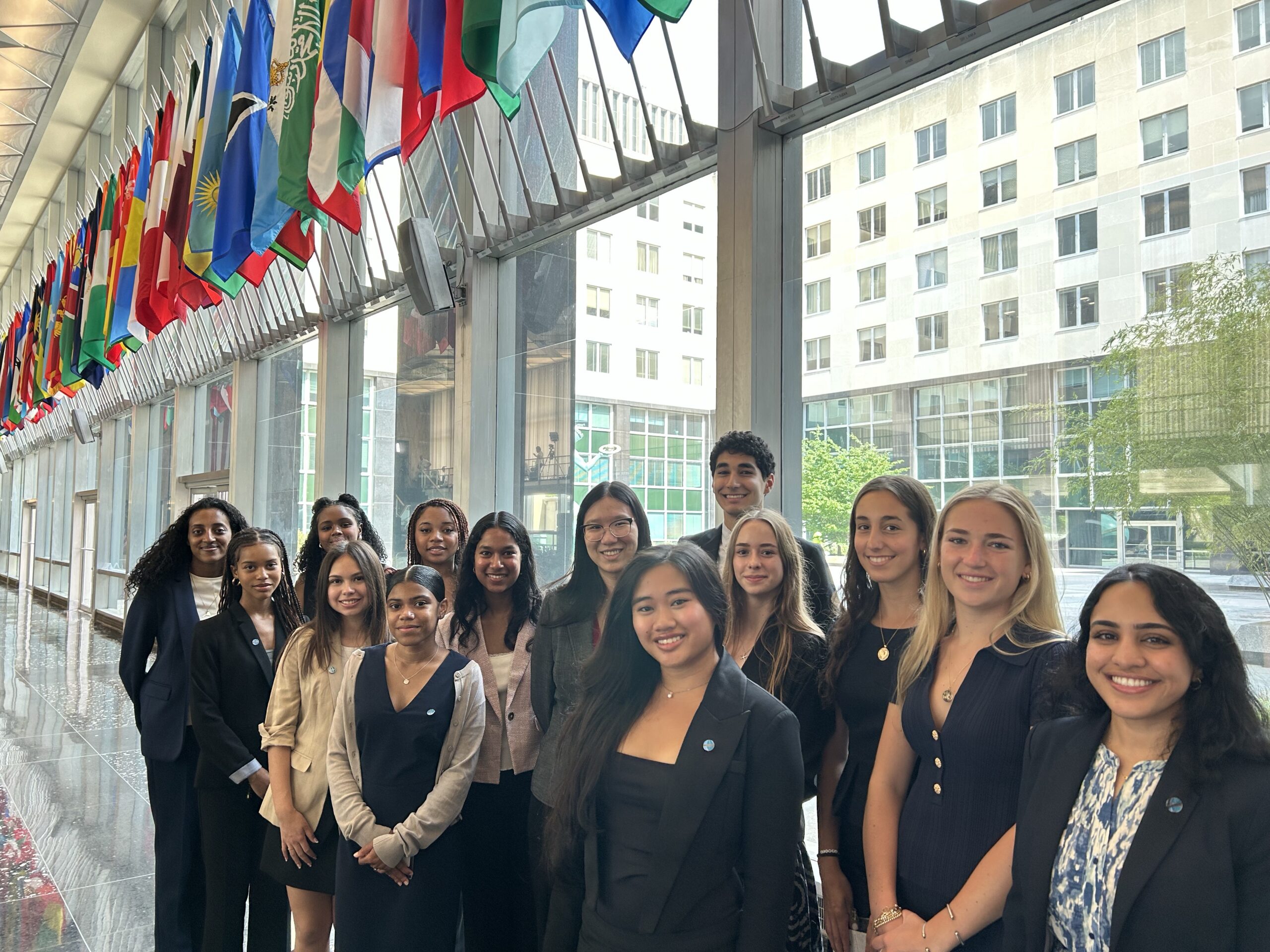
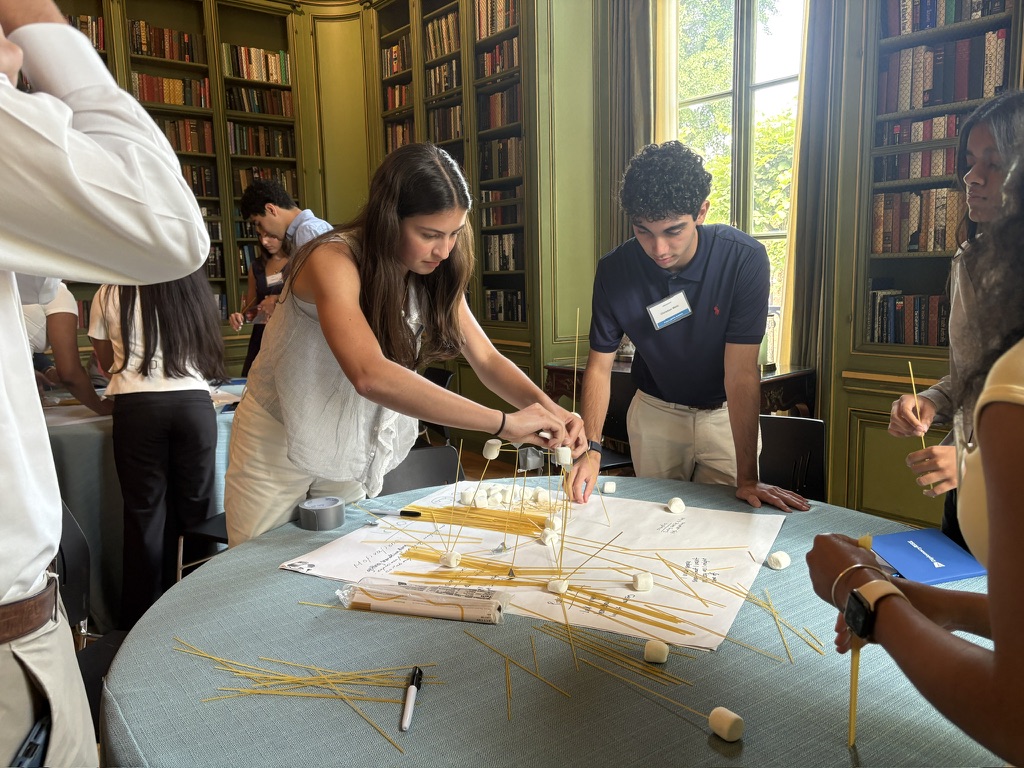
In June 2026, Meridian welcomed 22 outstanding rising high school sophomores, juniors, and seniors from 10 states to Washington, DC for the inaugural one-week Academy. Throughout the program, participants engaged in policy simulations, leadership workshops, networking opportunities, and exclusive site visits to premier international affairs institutions. By learning directly from diplomats, policymakers, and leaders across sectors, students strengthened their leadership, public speaking, negotiation, and professional communication skills while exploring the many career pathways within international affairs.
As one participant reflected, "This program completely changed my view of international affairs. I used to think diplomacy was just about grand speeches and strict rules. Now, I see it as a complex, fast-moving puzzle where the real work happens behind closed doors through quiet conversation."
Project Design:
The inaugural Future Leaders Academy took place from June 22–26, 2026, immersing participants in the practice of diplomacy through hands-on learning, mentorship, and direct engagement with practitioners shaping today's global landscape.
Leadership development served as the foundation of the Academy. Through interactive workshops led by Samantha Karlin (CEO, Empower Global), participants explored The Powell Principles, Your Global Path, Negotiations and Persuasion, Building a Policy Coalition, How Washington Works, and Cross-Cultural Communication. These sessions strengthened students’ leadership styles, cross-cultural communication, and practical skills for global problem-solving.
Participants also examined the intersection of diplomacy and emerging technology through Meridian's Center for Technology, Innovation, and Space, led by Kellee Wicker (Vice President, Center for Technology, Innovation, and Space, Meridian) and Dr. Elizabeth M. H. Newbury (Senior Director, Center for Technology, Innovation, and Space, Meridian). Students explored how technology is reshaping diplomacy and applied their learning in an interactive global technology exercise.
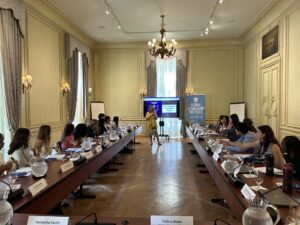
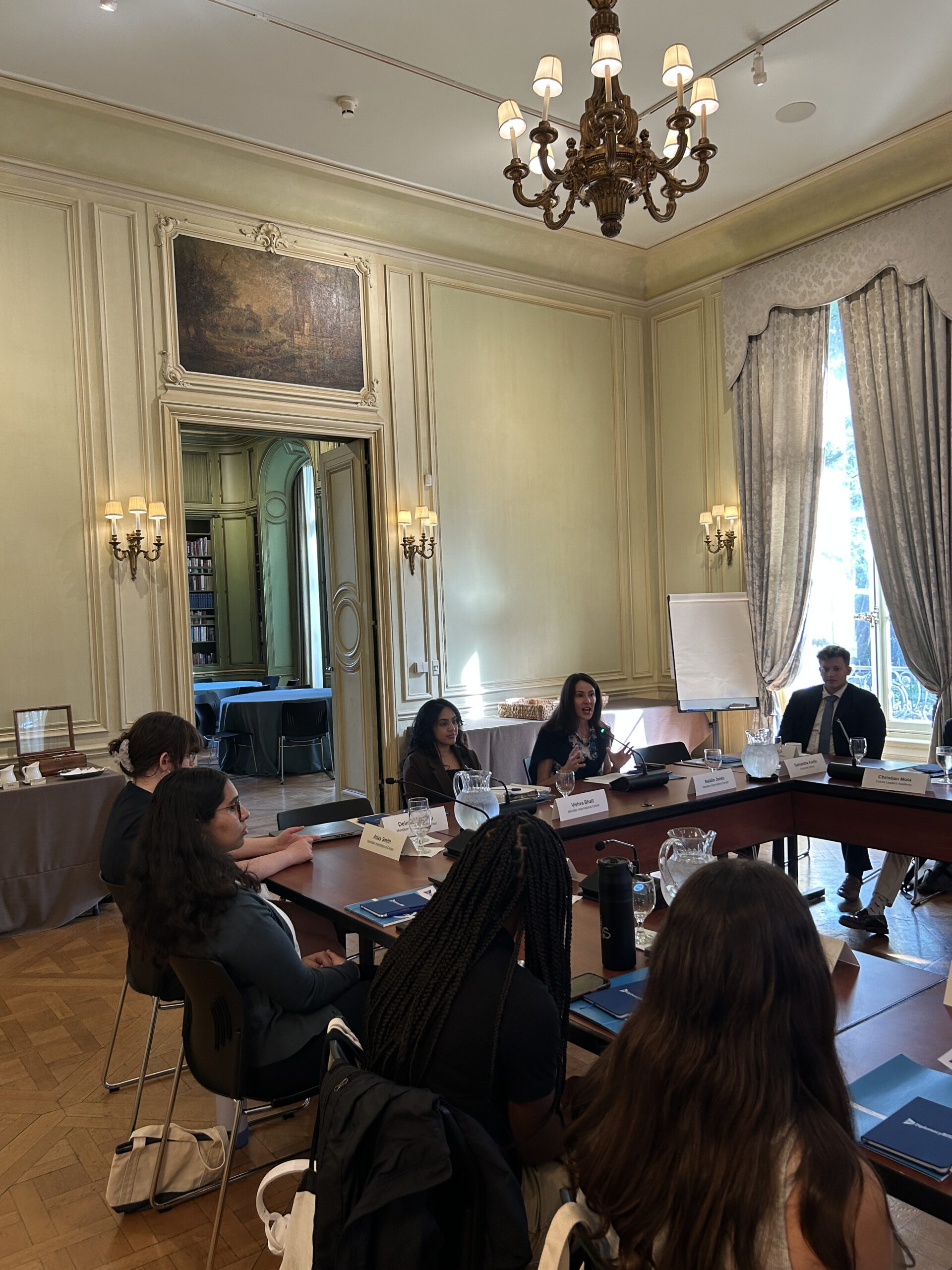
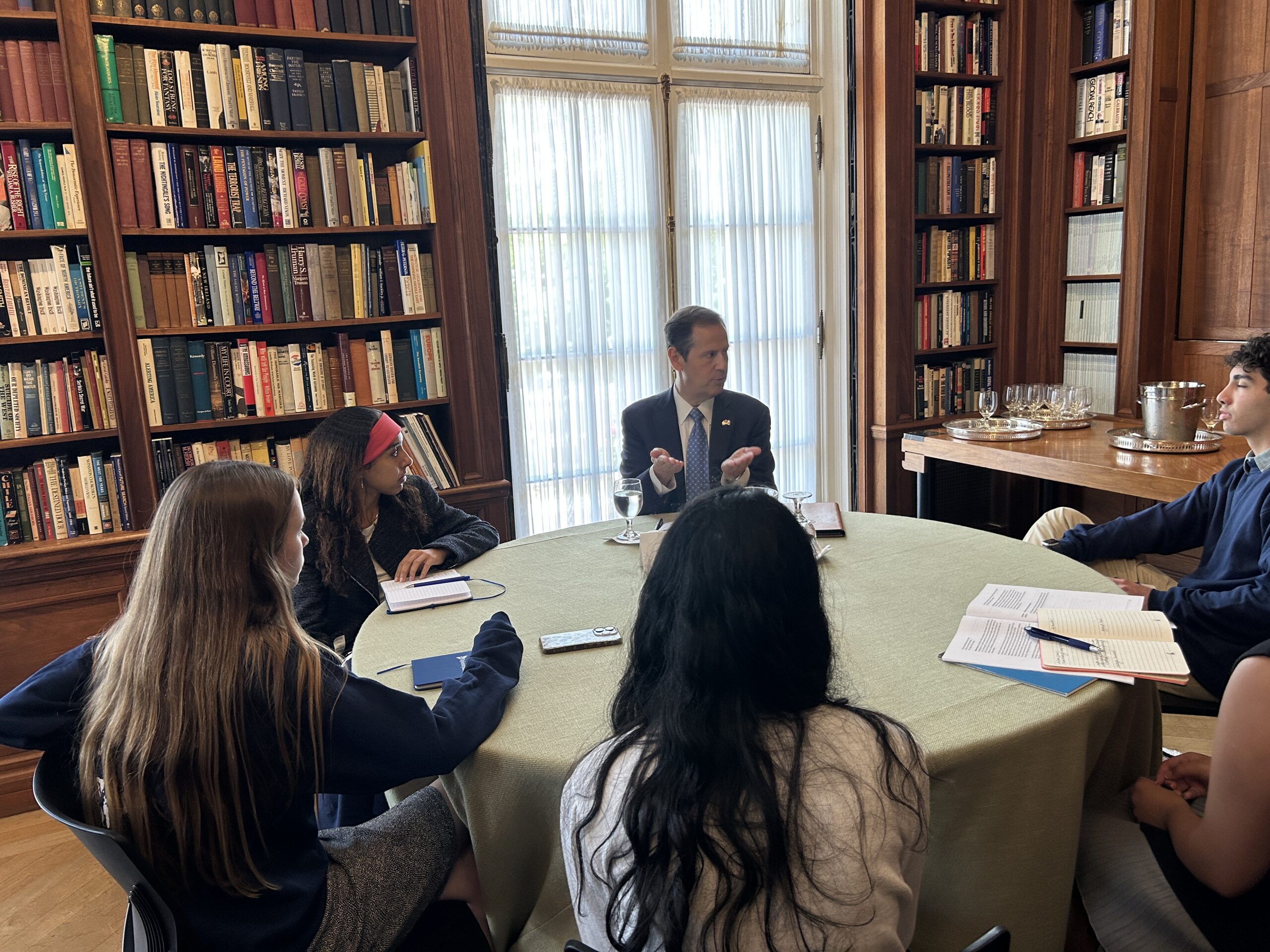
The Academy introduced participants to Washington's diplomatic community through site visits, including the Embassy of Iceland, where students learned about U.S.–Iceland relations and diplomatic practice. Her Excellency Svanhildur Hólm Valsdóttir (Ambassador, Embassy of Iceland) shared insights on her career and the role of diplomacy in strengthening international partnerships.
Throughout the week, participants heard from leading practitioners in government and public affairs. Emily Horne (Founder & CEO, Allegro Public Affairs) discussed national security and strategic communications, while Christina Bruff (Founder, True North Strategy & Consulting) focused on negotiation, persuasion, and coalition-building.
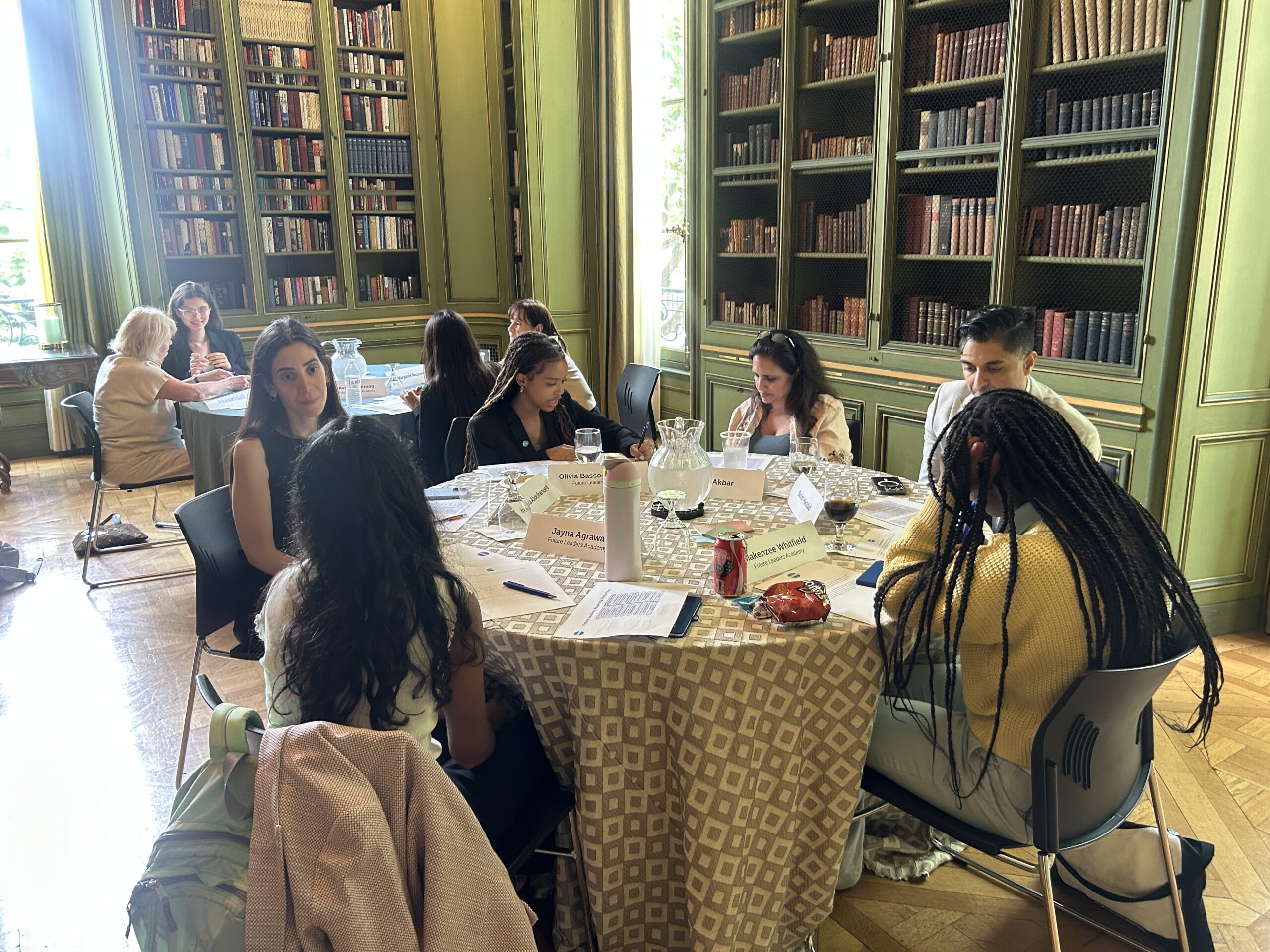
Networking is a core skill of diplomacy. During a workshop, students refined elevator pitches with Hana Hausnerova (Vice President, Center for Global Leadership, Customized Exchanges, Meridian), Shelbey Keegan (Associate Director, Center for Global Leadership, Meridian), and Michelle C. Washington (Information Technology Specialist, U.S. Department of State). One participant reflected, "I learned that diplomacy is just as much about relationships and networking as it is about formal negotiations."
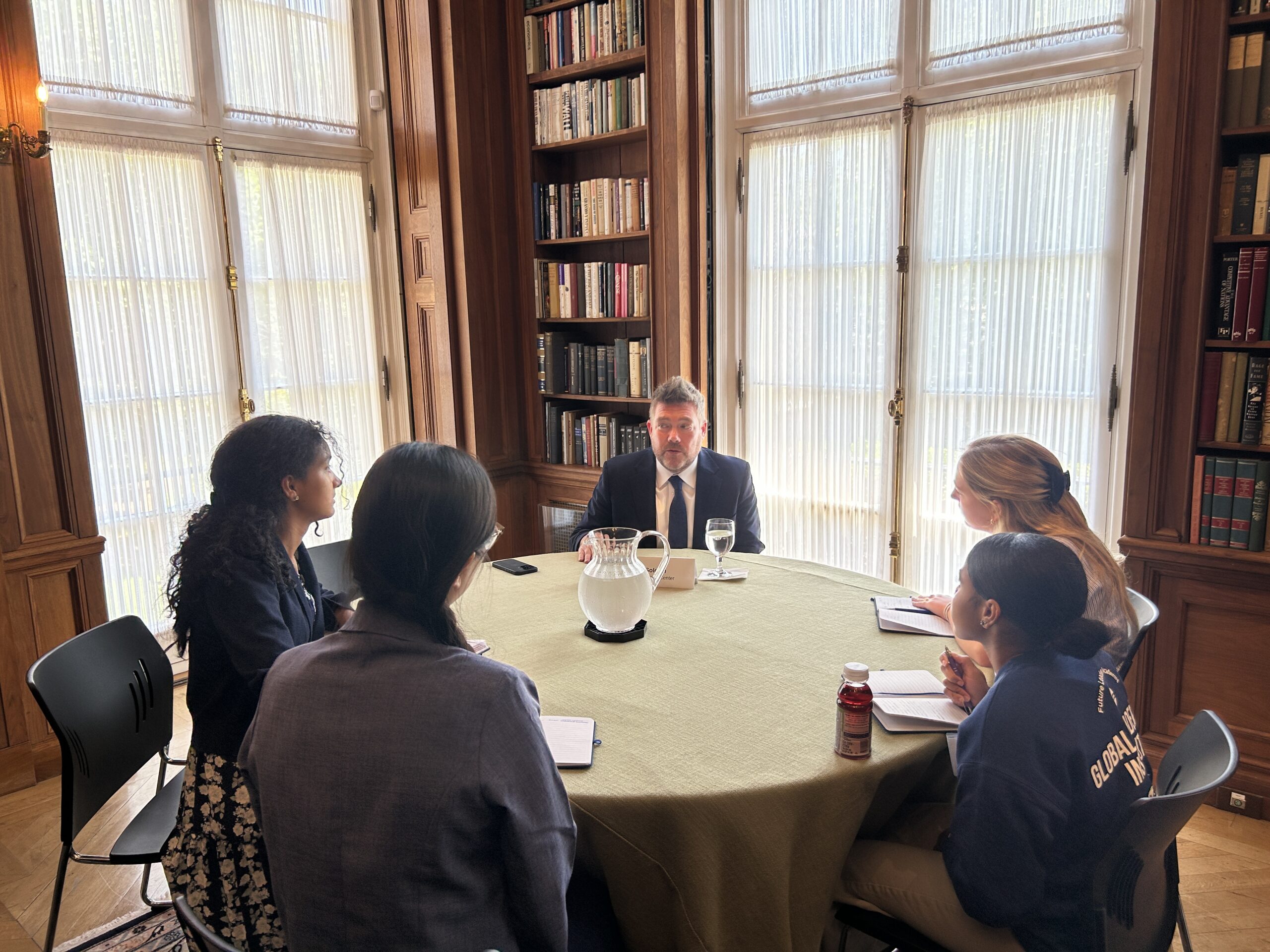
Participants then joined Open Diplomacy Speed Convening, engaging with practitioners across the field, including Wyatt Frank (Program Officer, Center for State & Local Diplomacy, Meridian), Nakeeya Garland (Associate Program Officer, Center for Cultural & Sports Diplomacy, Meridian), William Davis (Director, United Nations Information Centre Washington), Brandon Soloski (Senior Director, Center for Corporate Diplomacy, Meridian), and Garrett Walsh (African and Middle Eastern Affairs, U.S. Department of Energy). One participant noted, the session “provided a 360-degree view of how diplomacy operates across sectors."
A highlight of the week was a visit to the U.S. Department of State, where students toured the Operations Center and learned about global crisis coordination. One participant reflected, "The visit gave me a clear understanding of how the Department works and strengthened my interest in international affairs."
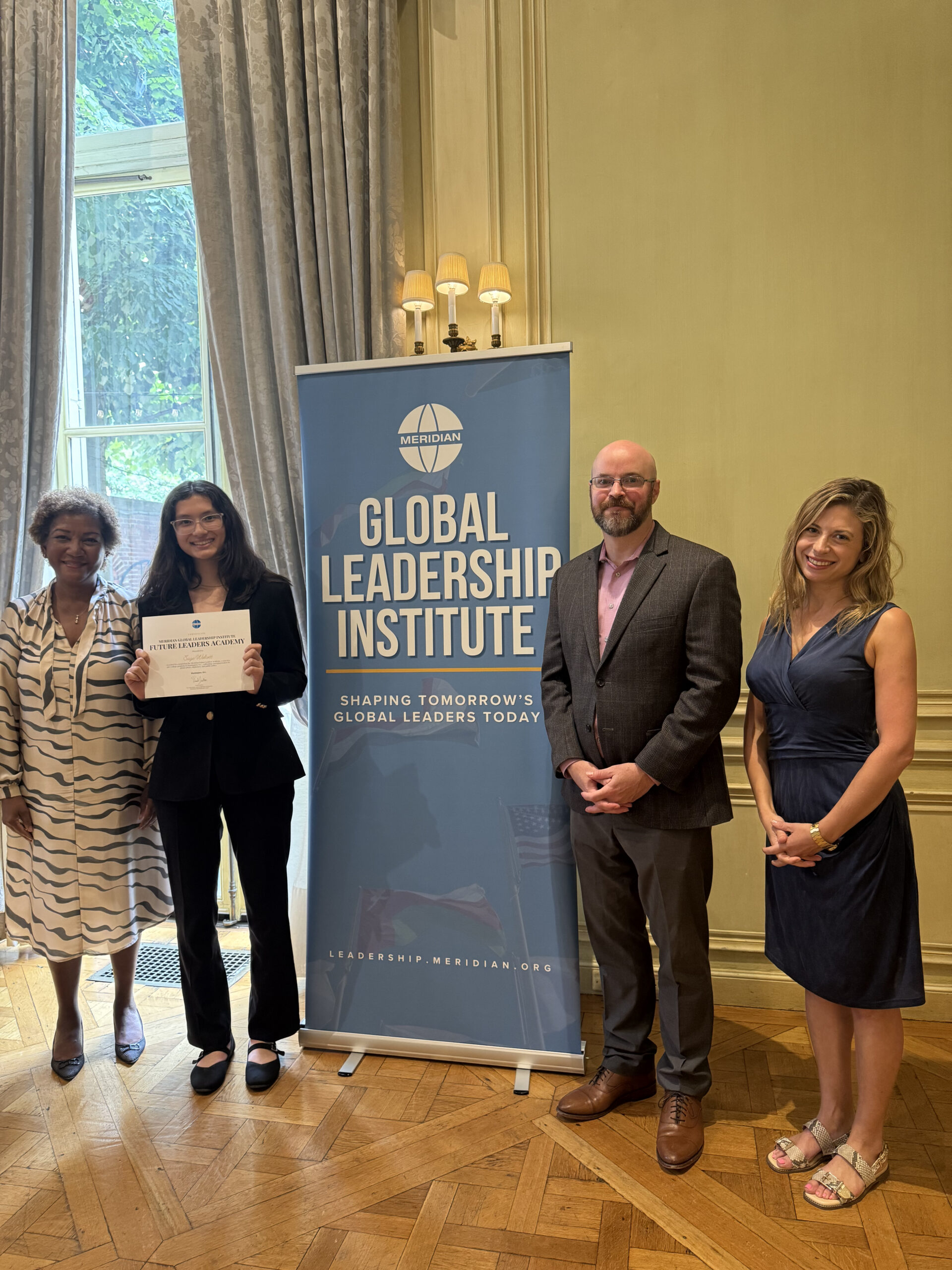
In the final program session, each participant was paired with a mentor and completed a Personal Leadership Roadmap, reflecting on strengths and setting SMART goals with guidance from practitioners. Participants left with both a structured plan and an ongoing mentorship connection. As one shared, "Meeting one-on-one with an expert in a field I'm interested in was one of the most meaningful experiences of the week."
Impact:
The Future Leaders Academy equips the next generation of globally minded leaders with the skills, experiences, and networks needed to pursue careers in international affairs, diplomacy, public service, and related fields. Through immersive learning, hands-on simulations, and direct engagement with practitioners, participants gained a deeper understanding of diplomacy and the leadership competencies required to navigate a complex global landscape.
The inaugural cohort brought together 22 students representing 10 states, forming a diverse community united by a shared interest in global engagement and public service. Throughout the week, participants built lasting connections, strengthened their confidence, and expanded their understanding of the many pathways within international affairs.
As one participant reflected, "It showed me that diplomacy goes beyond national government—it is about cooperation, relationships, and multilateralism." Another shared, "I developed stronger leadership and communication skills that will help shape my future."
Participants filled out a pre-program and post-program survey to measure program impact.
- 100% of participants reported they have a better understanding of diplomacy, international relations, and global affairs after completing the program.
- 100% of participants said they feel better equipped for their academic and/or professional journey after participating.
- 90% of participants said the program met all of their learning goals.
- 4.6 out of 5 average rating for participants' confidence in working with people from different backgrounds and thinking from multiple cultural or global perspectives after the program.
By the end of the program, students left with a clearer sense of direction, a stronger professional foundation, and an expanded view of what it means to lead in a global context.
Learn more about the Meridian Global Leadership Institute
Project summary
| 2026 Meridian Global Leadership Institute: Future Leaders Academy | |
|---|---|
| Impact Areas: | Foreign Policy, Public Diplomacy, Youth Leadership Development |
| Program Areas: | Global Leadership |
