

Meridian Council Salon: Journalists on the Frontlines
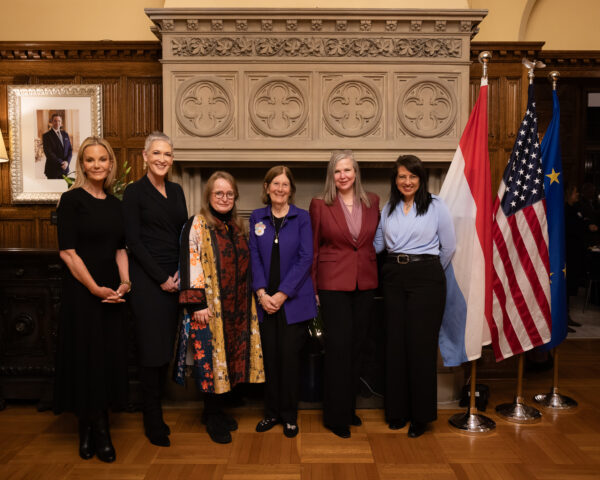
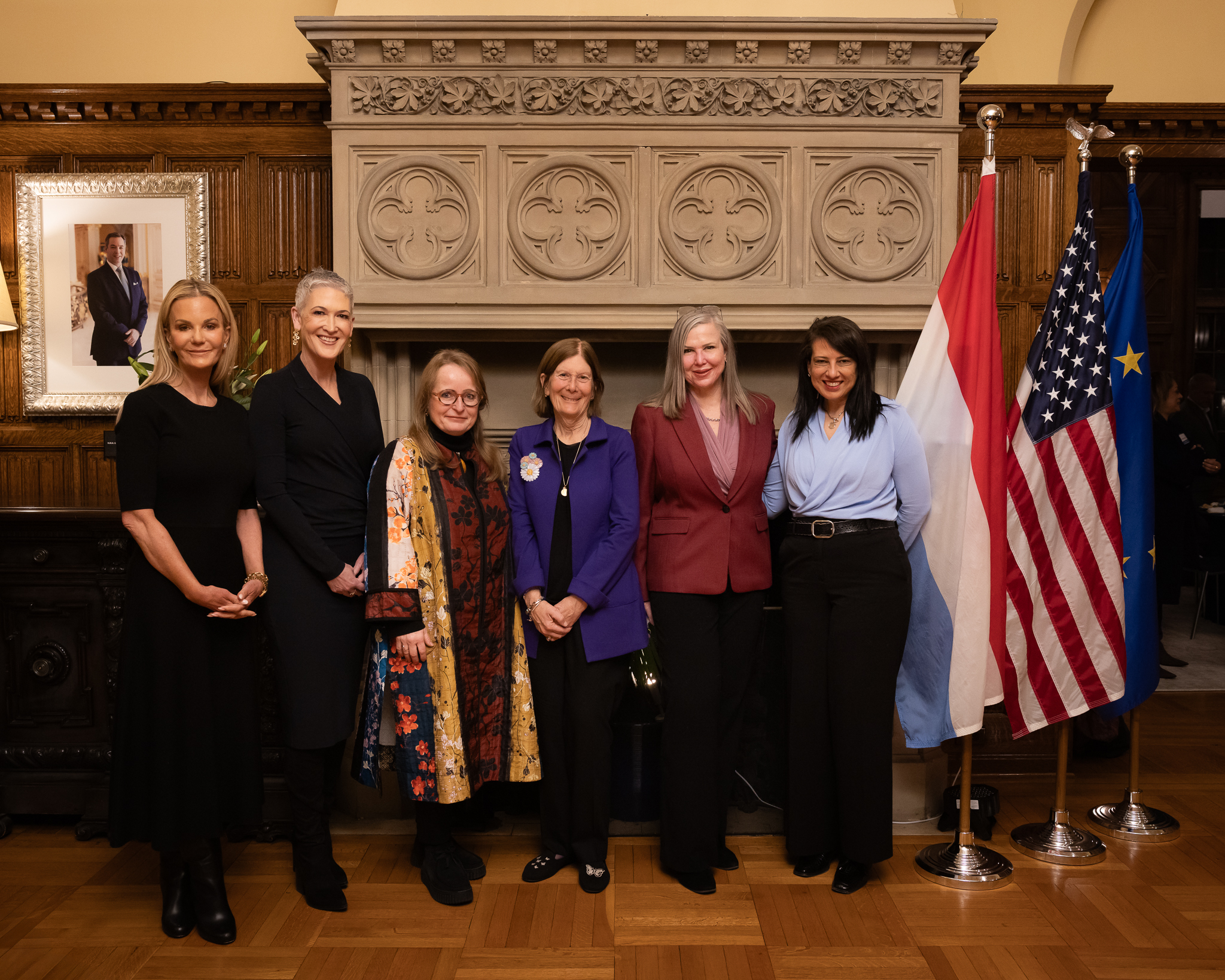
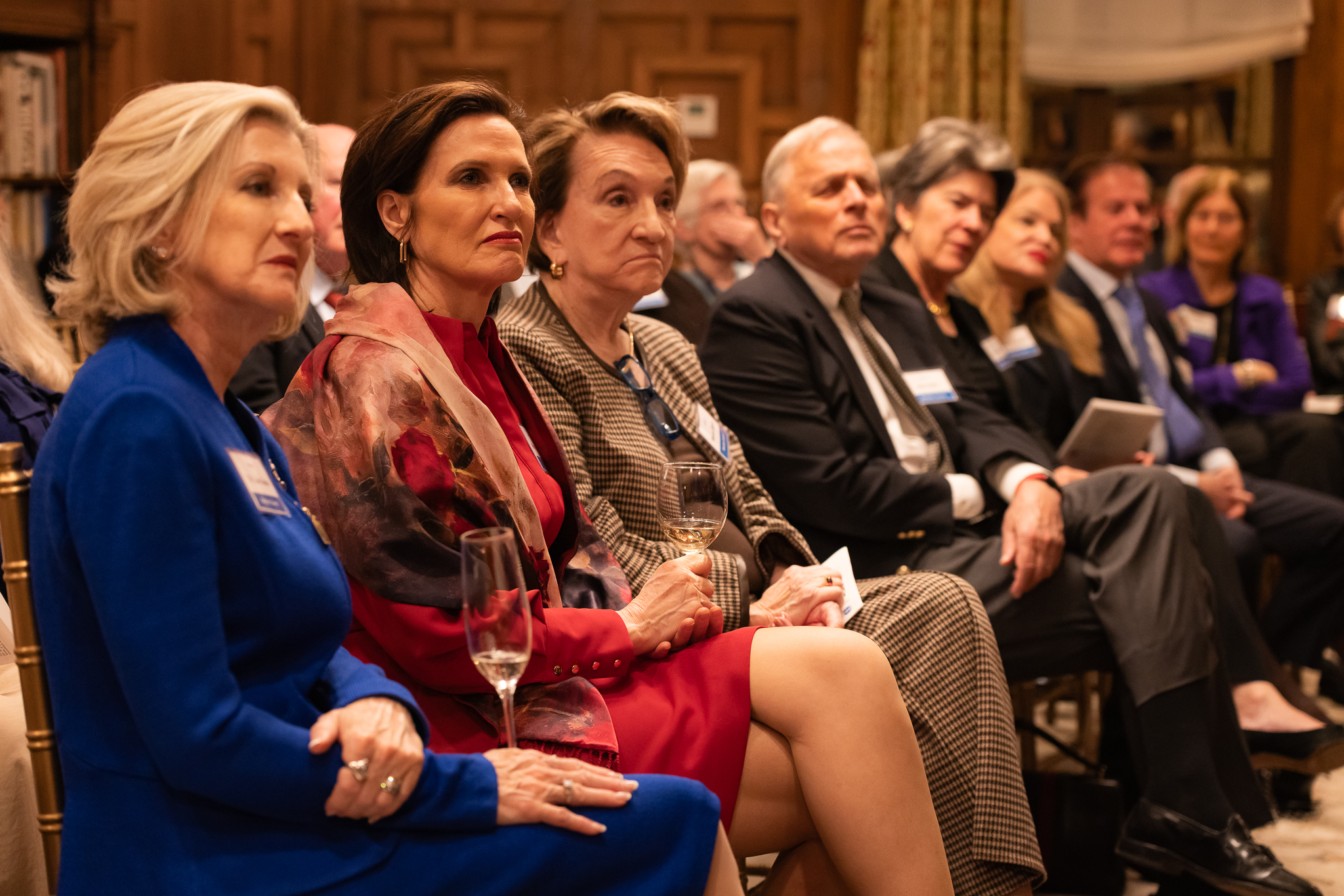
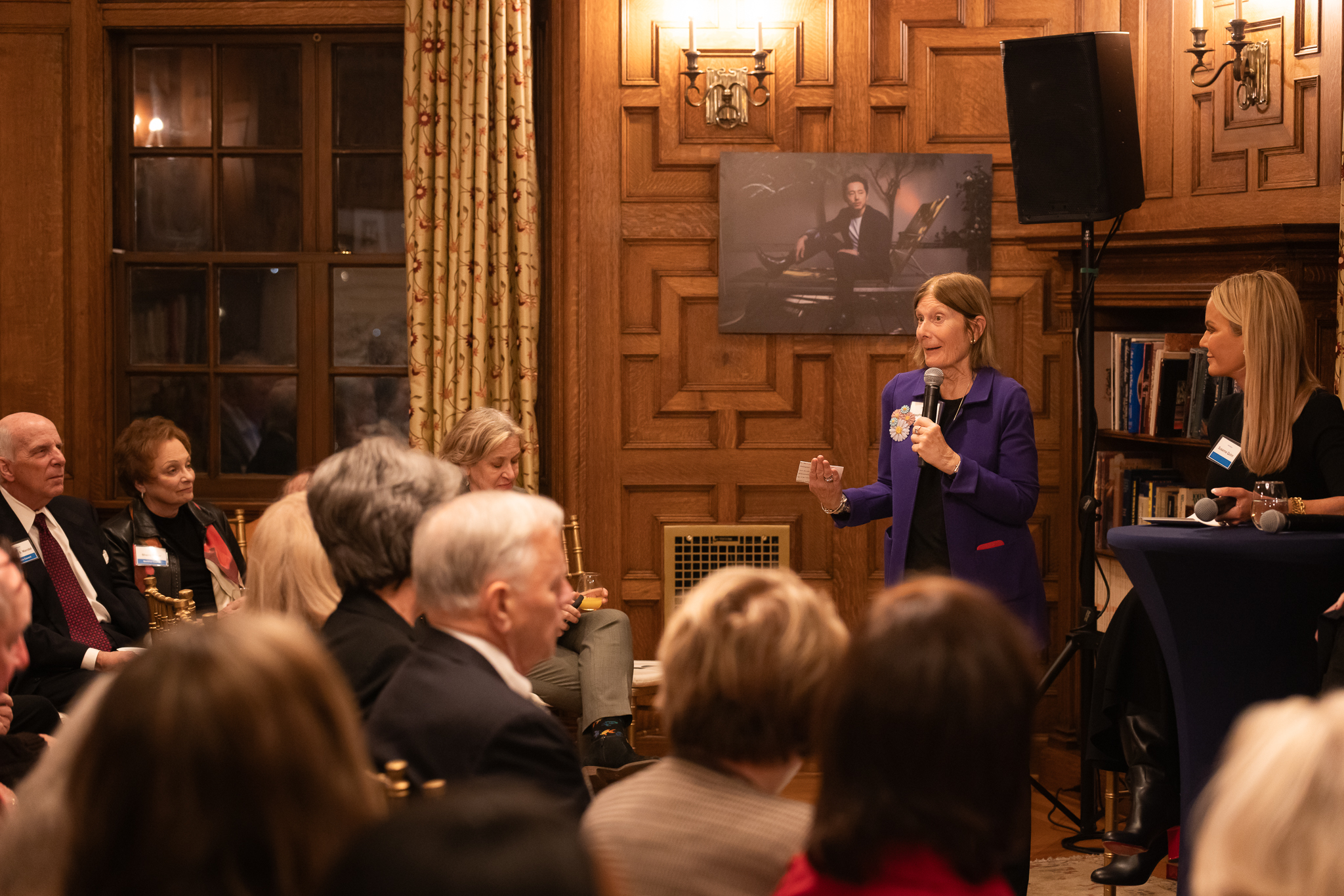
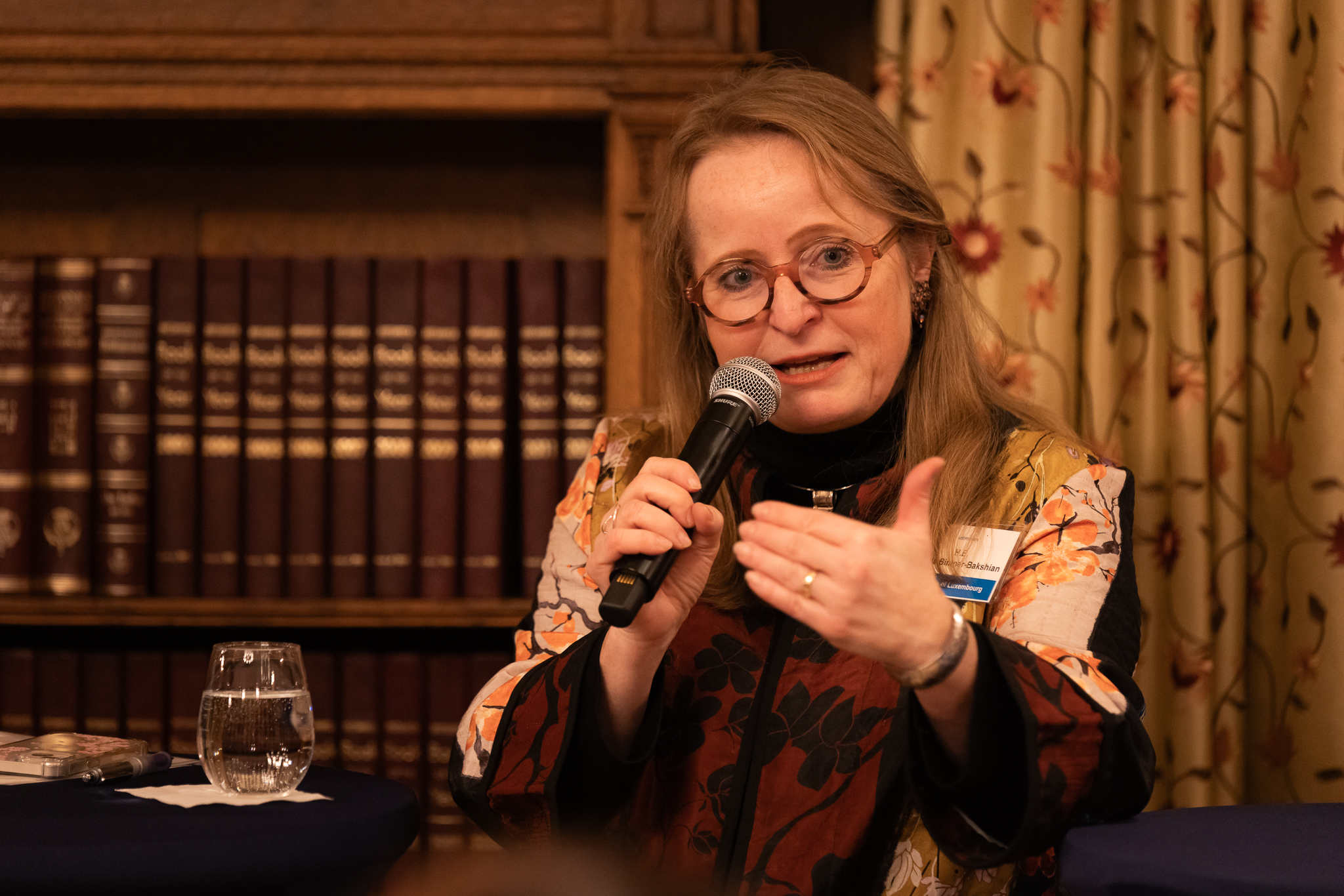
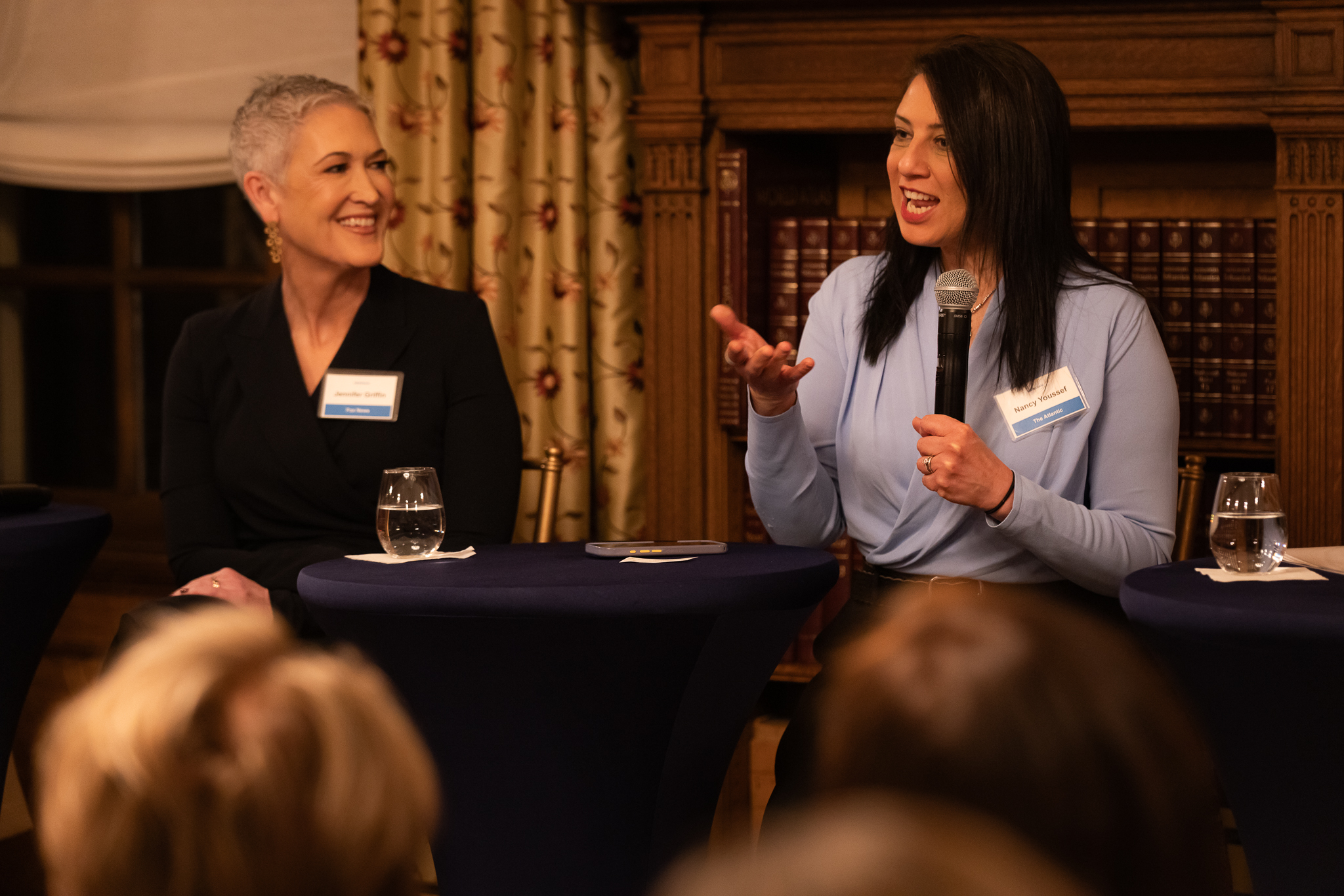
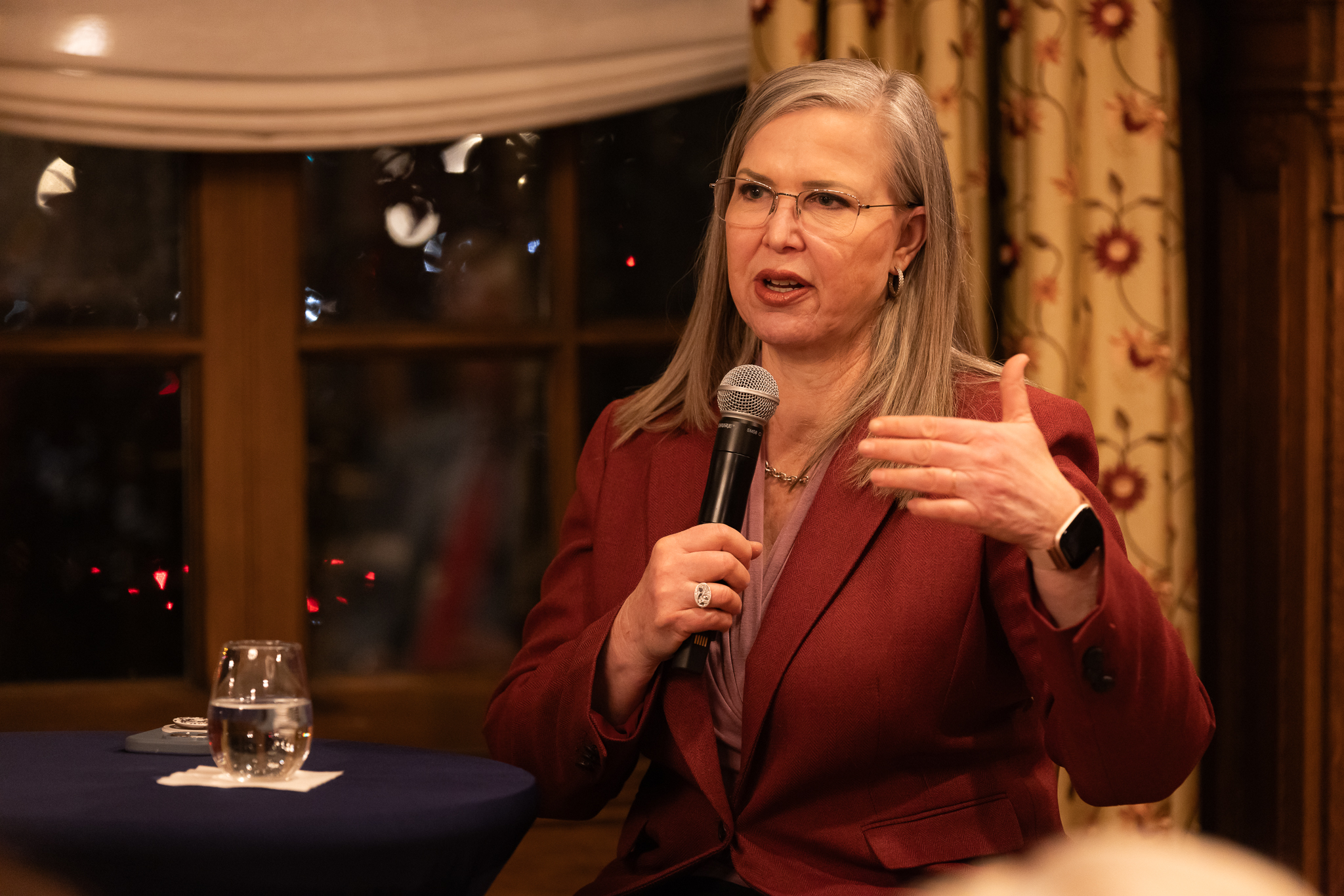
At the Meridian Council Salon: Journalists on the Frontlines, held on February 25, 2026 at the Embassy of Luxembourg, Meridian International Center convened Her Excellency Nicole Bintner-Bakshian, Ambassador of Luxembourg to the United States; Kimberly Dozier, Global Affairs Analyst, CNN; Jennifer Griffin, Chief National Security Correspondent, Fox News; Nancy Youssef, Staff Writer, the Atlantic; and other leaders from the diplomatic, public, and private sectors. These experts from the fields of global reporting and international diplomacy engaged in a candid conversation on the evolving role of women journalists covering global conflict, and how their reporting shapes public understanding, foreign policy, and national security. The conversation was generously underwritten by Stephenie Foster.
Reflecting Meridian’s commitment to Open Diplomacy, the discussion explored how storytelling, credibility, and lived experience influence not only how crises are perceived, but how governments respond. Panelists shared firsthand accounts from conflict zones and Washington, offering rare insight into the risks, responsibilities, and impact of reporting on the frontlines.
Here Were the Top Takeaways from the Program:
1. Access Shapes Understanding — and Women Expand the Lens
Gender can open doors to people, spaces, and perspectives that remain inaccessible through traditional reporting channels. Engagement inside private domestic environments or with individuals central to extremist movements yields context that would otherwise be absent from coverage. These vantage points materially influence how conflicts are interpreted by audiences, analysts, and policymakers. Who tells the story—and who they can reach—directly shapes global understanding.
2. Courage Extends Beyond Conflict Zones
Risk is no longer confined to the battlefield. Harassment, intimidation, and coordinated online attacks have become routine professional hazards, creating a persistent pressure environment even far from war zones. Maintaining credibility now requires not only physical bravery but sustained resilience, disciplined professionalism, and strong peer networks to withstand attempts to discredit or silence reporting.
3. Journalism and Diplomacy Share a Common Mission
Both fields operate in pursuit of verified facts, contextual clarity, and informed judgment in complex environments. Rigorous reporting feeds diplomatic analysis, sharpens policy debates, and shapes international responses. Credible storytelling functions as a strategic input into decision-making, reinforcing the broader ecosystem that underpins global understanding.
4. Storytelling Influences Policy — Even When It Provokes
Investigative reporting can catalyze government scrutiny, internal reassessment, and uncomfortable but necessary institutional conversations. Journalism does more than inform; it tests assumptions, surfaces blind spots, and drives accountability. Fact-based inquiry remains a critical mechanism for transparency and sound public discourse.
5. Progress for Women in Media Is Real — but Not Guaranteed
Expanded access, stronger professional pipelines, and generational change have advanced women’s roles in journalism. That progress requires continued investment, mentorship, and vigilance to sustain. Representation is not symbolic—it determines which experiences are documented, which questions are asked, and ultimately how global events are understood.
Project summary
| Meridian Council Salon: Journalists on the Frontlines | April 2026 |
|---|
