
Insights@Meridian: Under Secretary Sarah B. Rogers on Public Diplomacy and Freedom of Expression
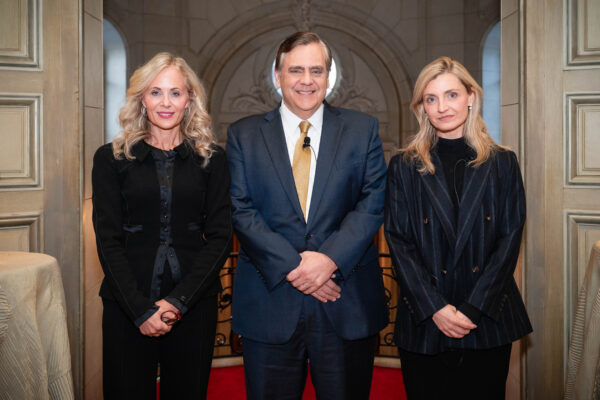
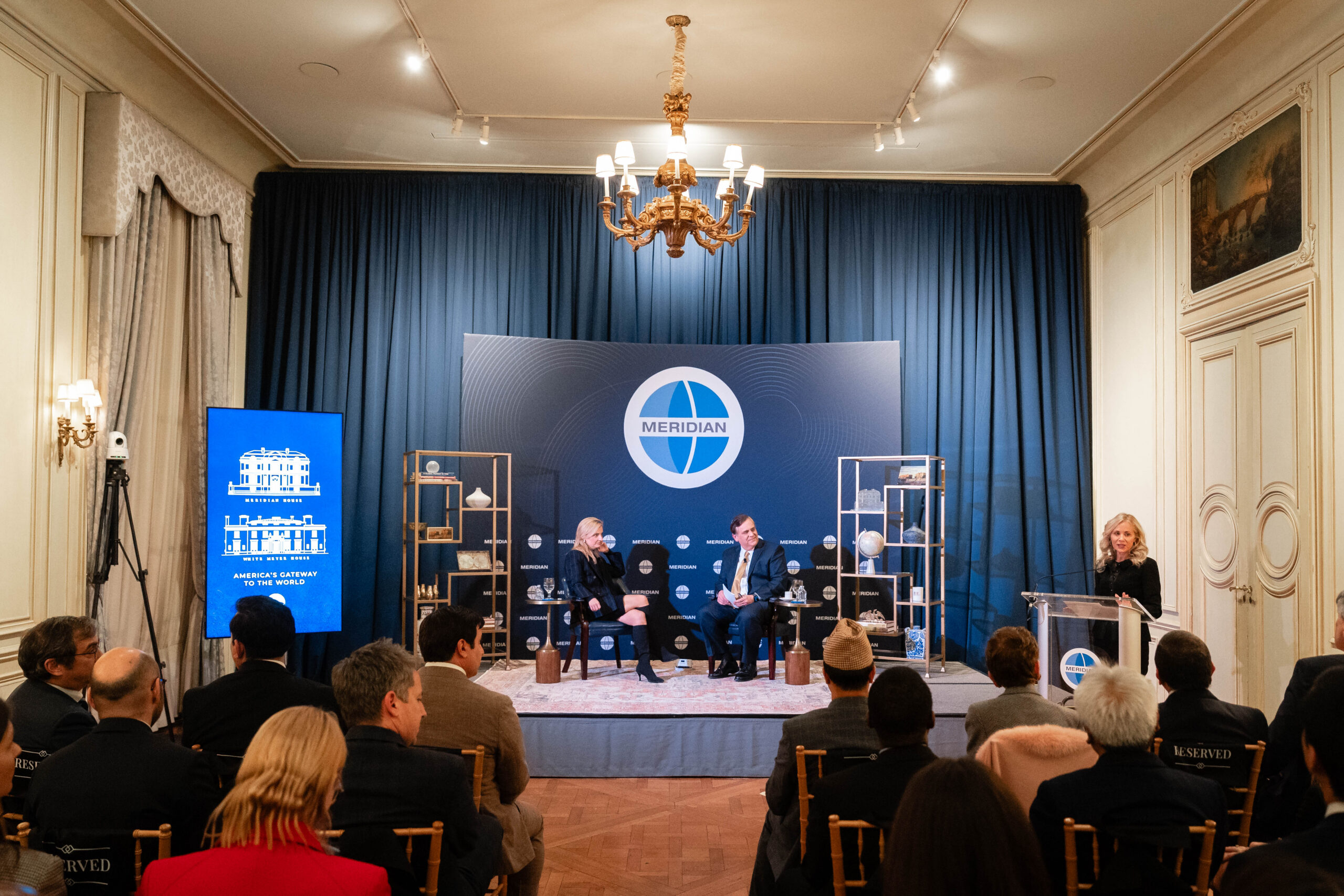
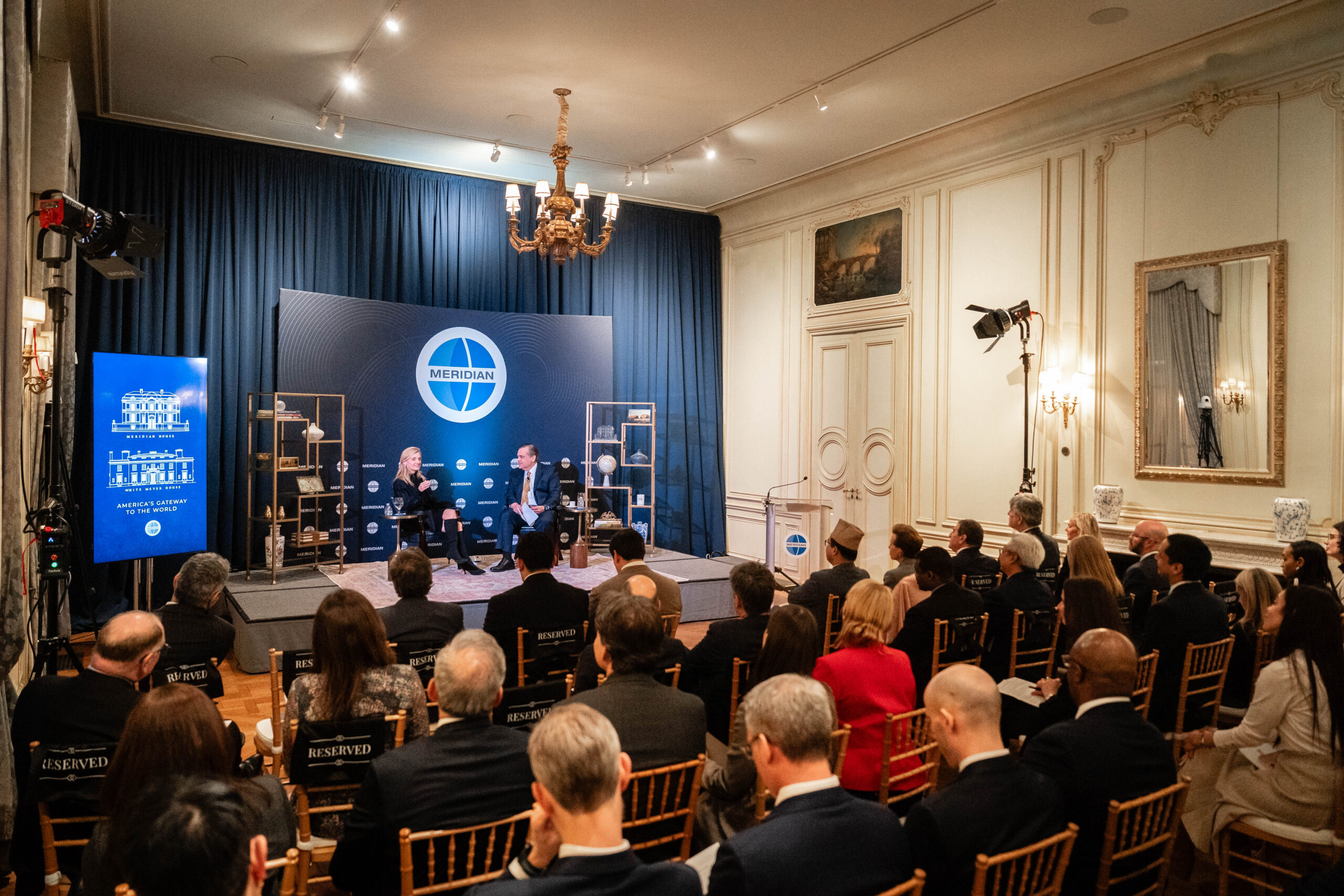
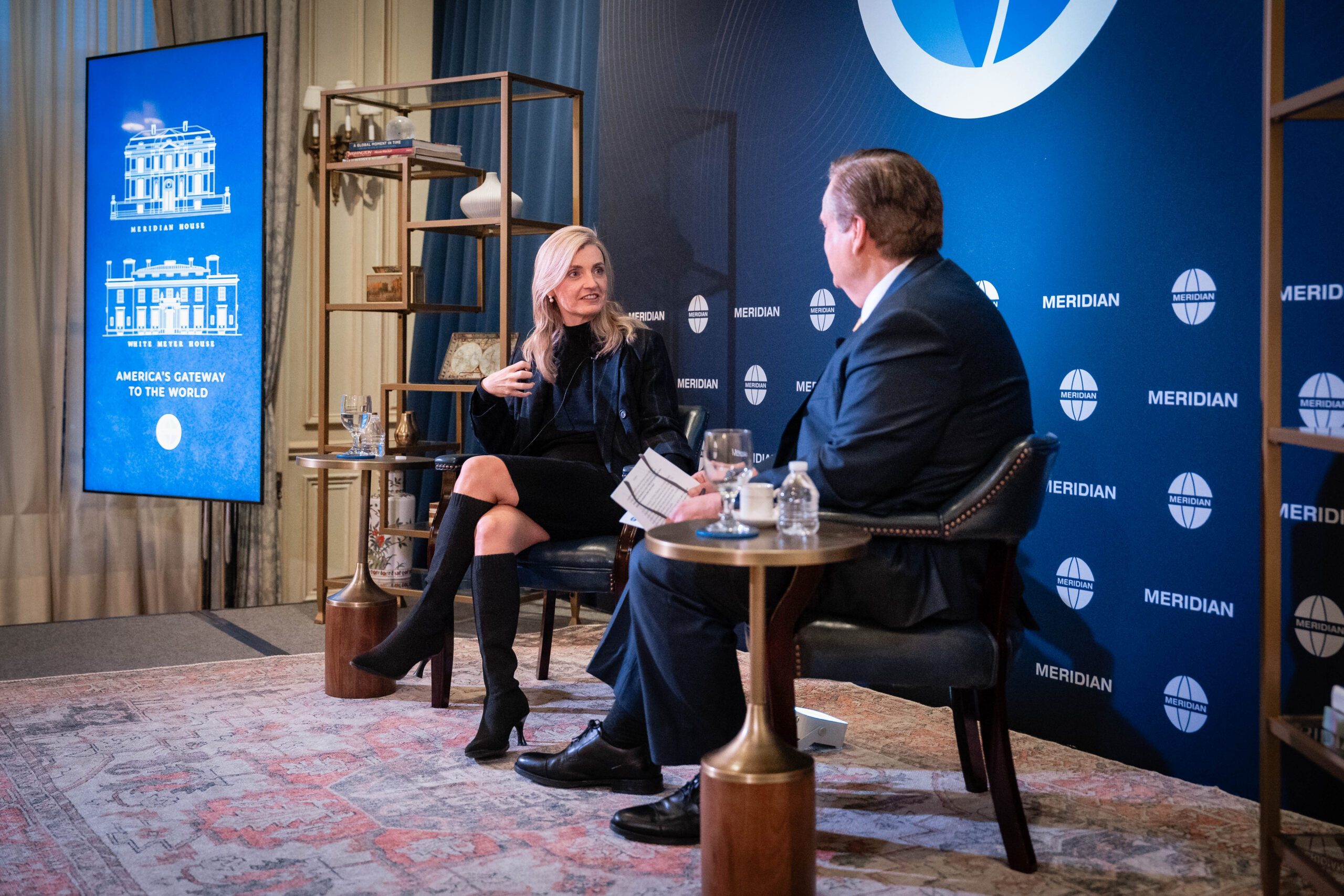
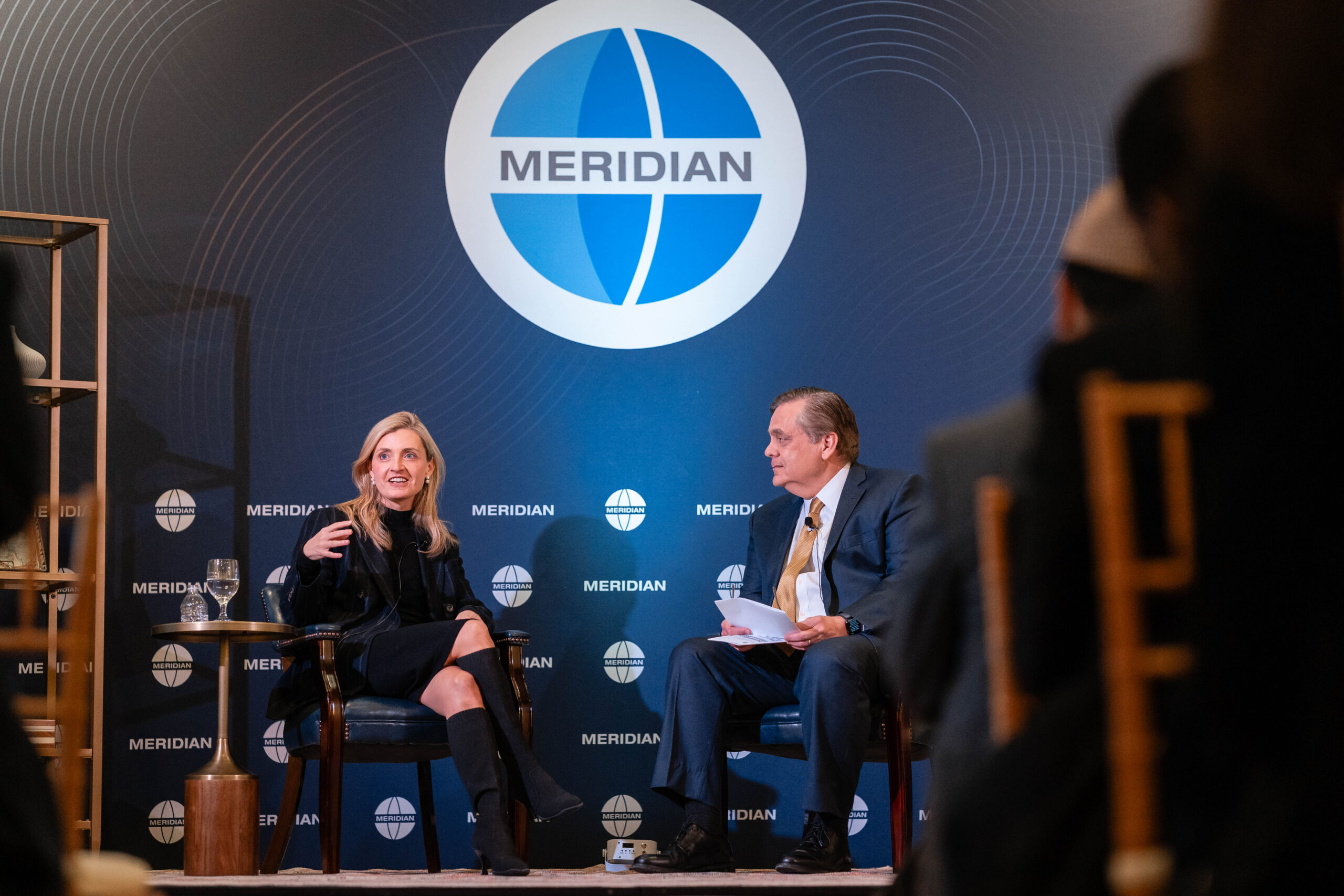
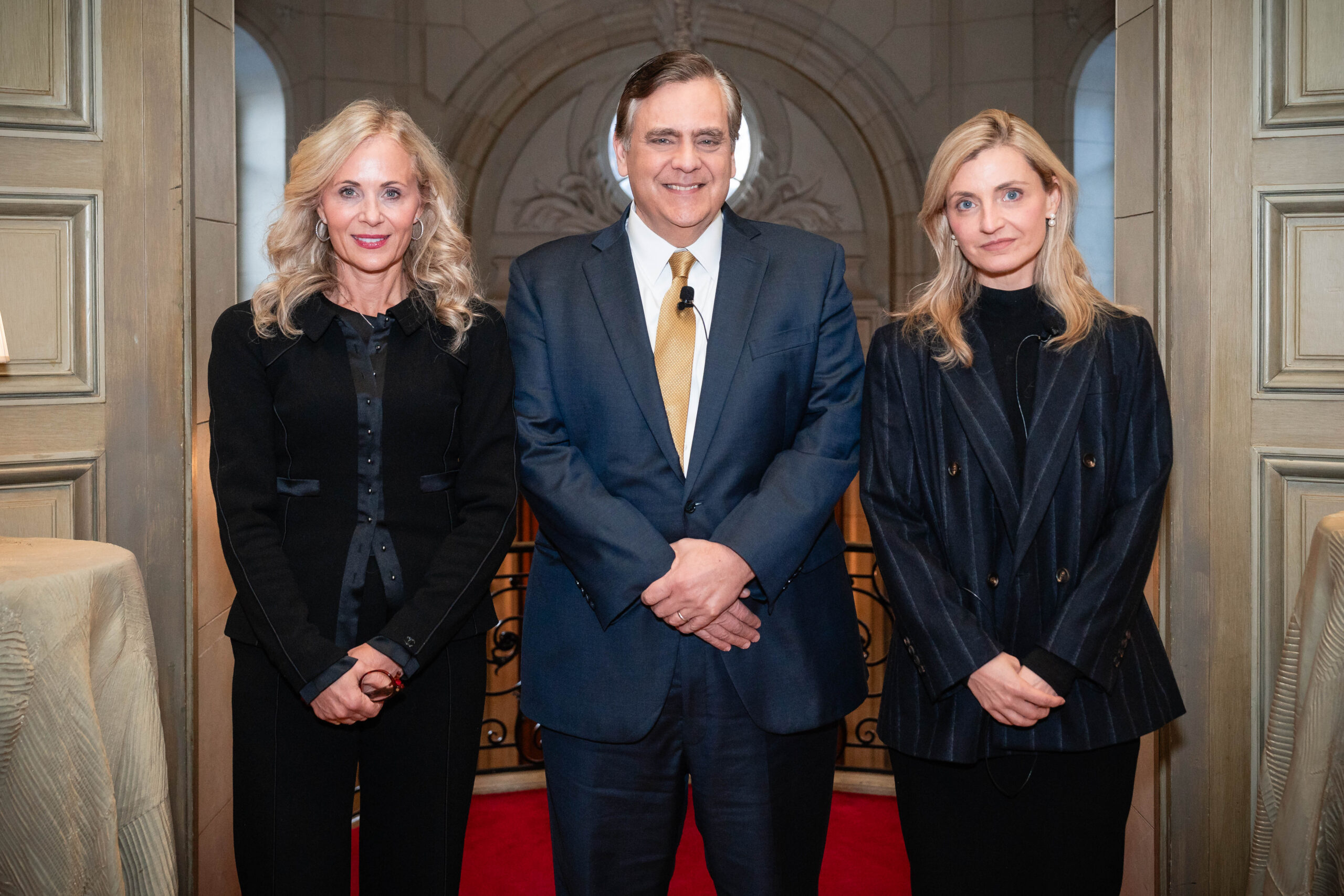
Public diplomacy is increasingly central to advancing U.S. interests in a rapidly evolving global landscape. On January 28, 2026, Meridian International Center hosted its first Insights@Meridian program of 2026, featuring Under Secretary of State for Public Diplomacy Sarah B. Rogers. Under Secretary Rogers emphasized how U.S. diplomacy, cultural programs, and digital engagement are used to advance democratic values, counter censorship, and strengthen alliances worldwide.
Under Secretary Rogers drew on current initiatives and lessons from the Trump Administration to showcase how policy, partnerships, and technology drive U.S. influence. She highlighted public diplomacy’s dual role: shaping narratives and reinforcing democratic networks worldwide.
Here Were the Top Takeaways from the Program:
1. Free Speech Remains a Strategic Asset
Under Secretary Rogers emphasized that freedom of expression is not just a principle but a tool of influence. Protecting and promoting free speech enables the U.S. to model democratic norms, push back against restrictions on freedom of expression—including among democratic partners—and reinforce credibility and trust worldwide.
2. Policy and Diplomacy Work Hand in Hand
The Trump Administration’s focus on economic statecraft and targeted international engagement continues to influence public diplomacy efforts. Regulatory measures, sanctions, and strategic communications are integrated with cultural initiatives to reinforce U.S. interests and values abroad, demonstrating that policy decisions and people-to-people programs are complementary levers.
3. Cultural and Educational Exchanges Build Lasting Influence
Programs like Fulbright and the International Visitor Leadership Program help promote American values to targeted international audiences. Major events, from America’s 250th Anniversary to the FIFA 2026 World Cup, provide high-visibility platforms to extend that engagement more broadly. Together, these initiatives promote mutual understanding, broaden networks, and strengthen U.S. narratives beyond what traditional policy tools can achieve.
4. Digital Platforms Are Essential for Global Engagement
Meeting audiences where they are—online and through short-form, shareable content—has become critical. Social media, community labeling systems, and emerging technologies offer scalable, rapid ways to foster dialogue, facilitate information access, and extend the reach of public diplomacy, aligning with the Administration’s focus on strategic digital communications.
5. Strategic Partnerships Strengthen Democratic Norms
Under Secretary Rogers underscored the value of alliances, both governmental and private sector, in promoting freedom of expression. Collaboration with civil society, tech companies, and even Hollywood producers enhance the impact of U.S. messaging, creates resilience against authoritarian narratives, and ensures initiatives are sustainable and globally relevant.
Project summary
| Insights@Meridian: Under Secretary Sarah B. Rogers on Public Diplomacy and Freedom of Expression | January 2026 | |
|---|---|
| Program Areas: | Diplomatic Engagement |
