

Inside the State Department’s Public Diplomacy Strategy
As digital technologies transform how governments communicate and compete for influence, the U.S. Department of State has released a Public Diplomacy Strategic Plan designed to better align communications, exchanges, and international engagement with U.S. foreign policy priorities. The strategy reflects a broader effort to return public diplomacy to its original purpose as a strategic instrument of foreign policy, adapting lessons from the Cold War era to today's digital information landscape.
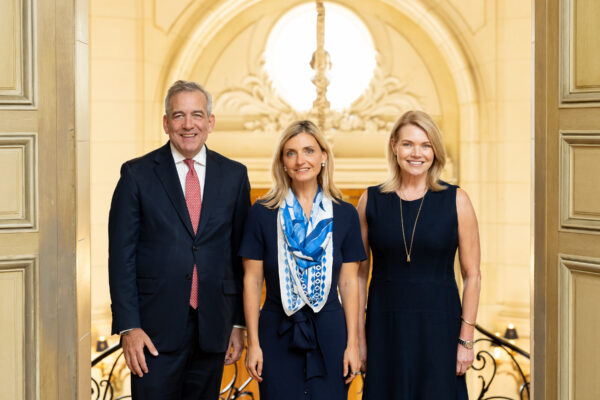
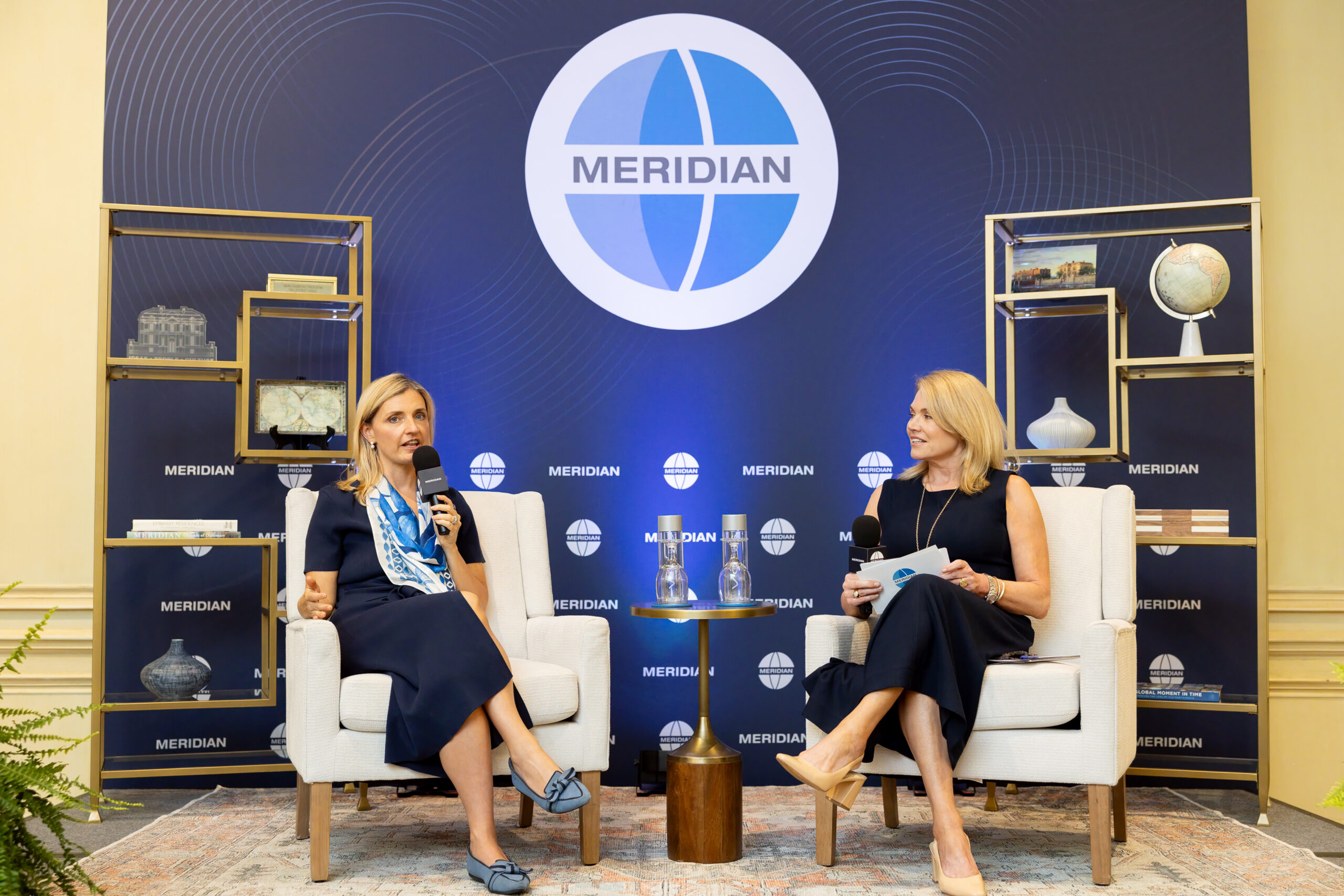
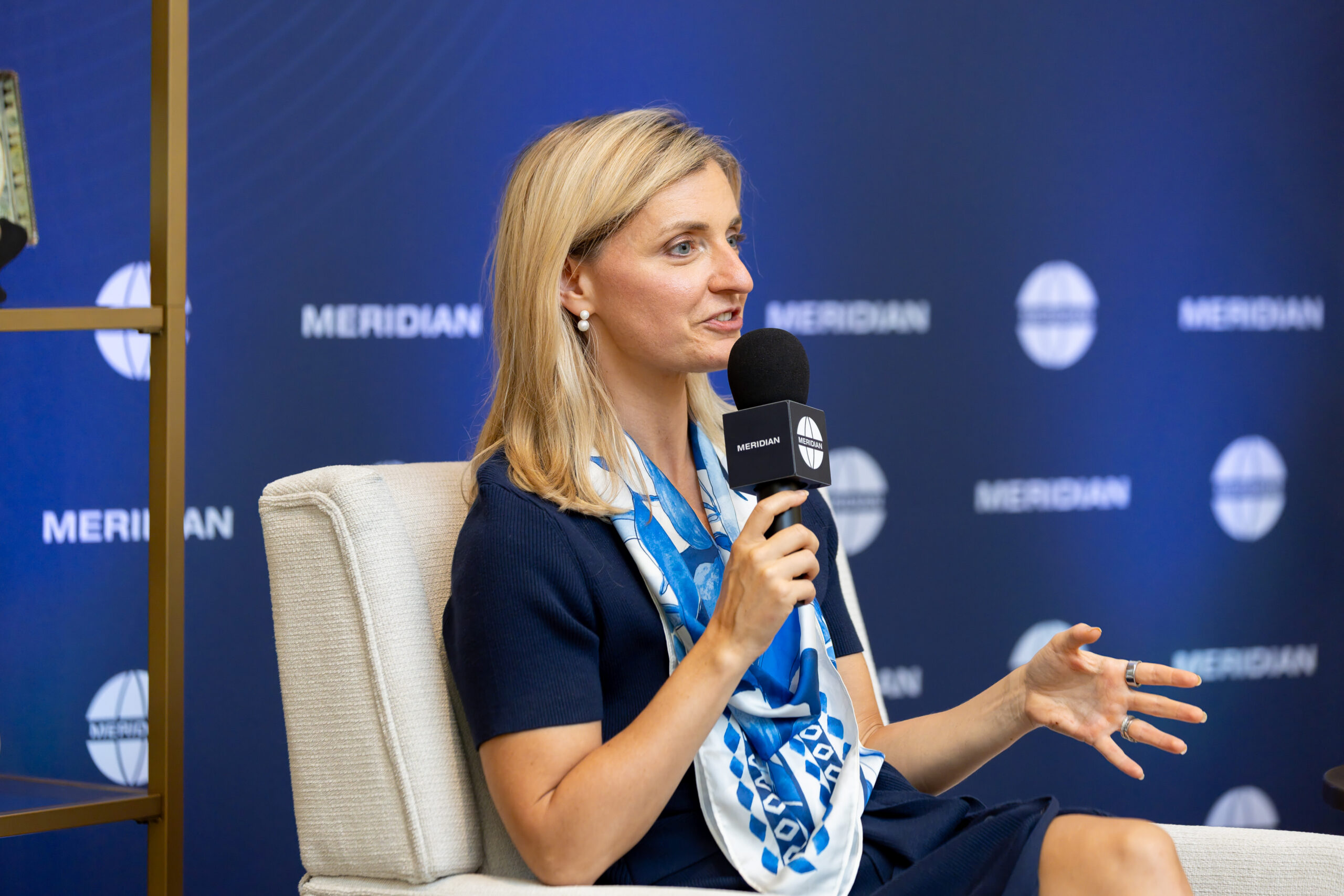
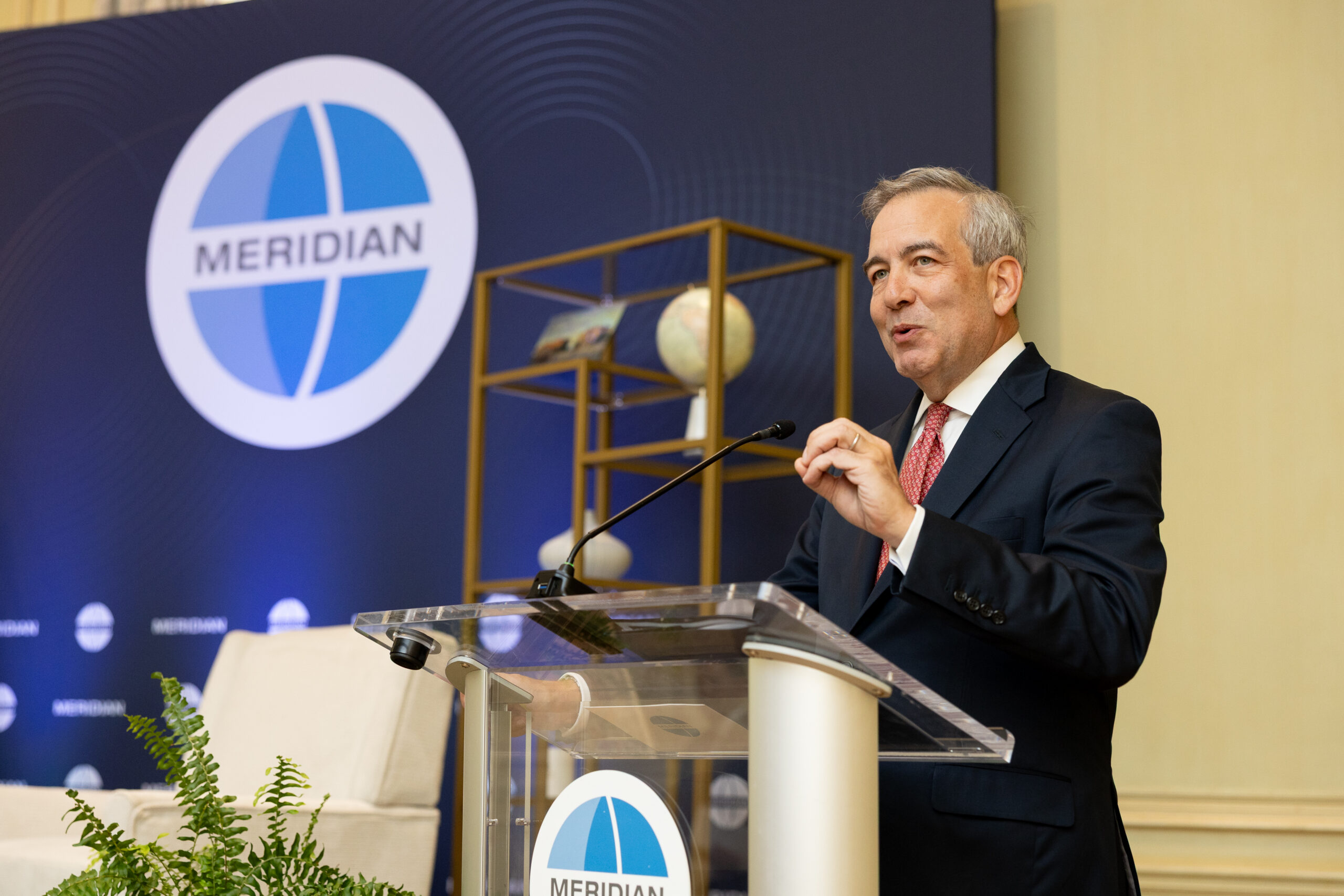
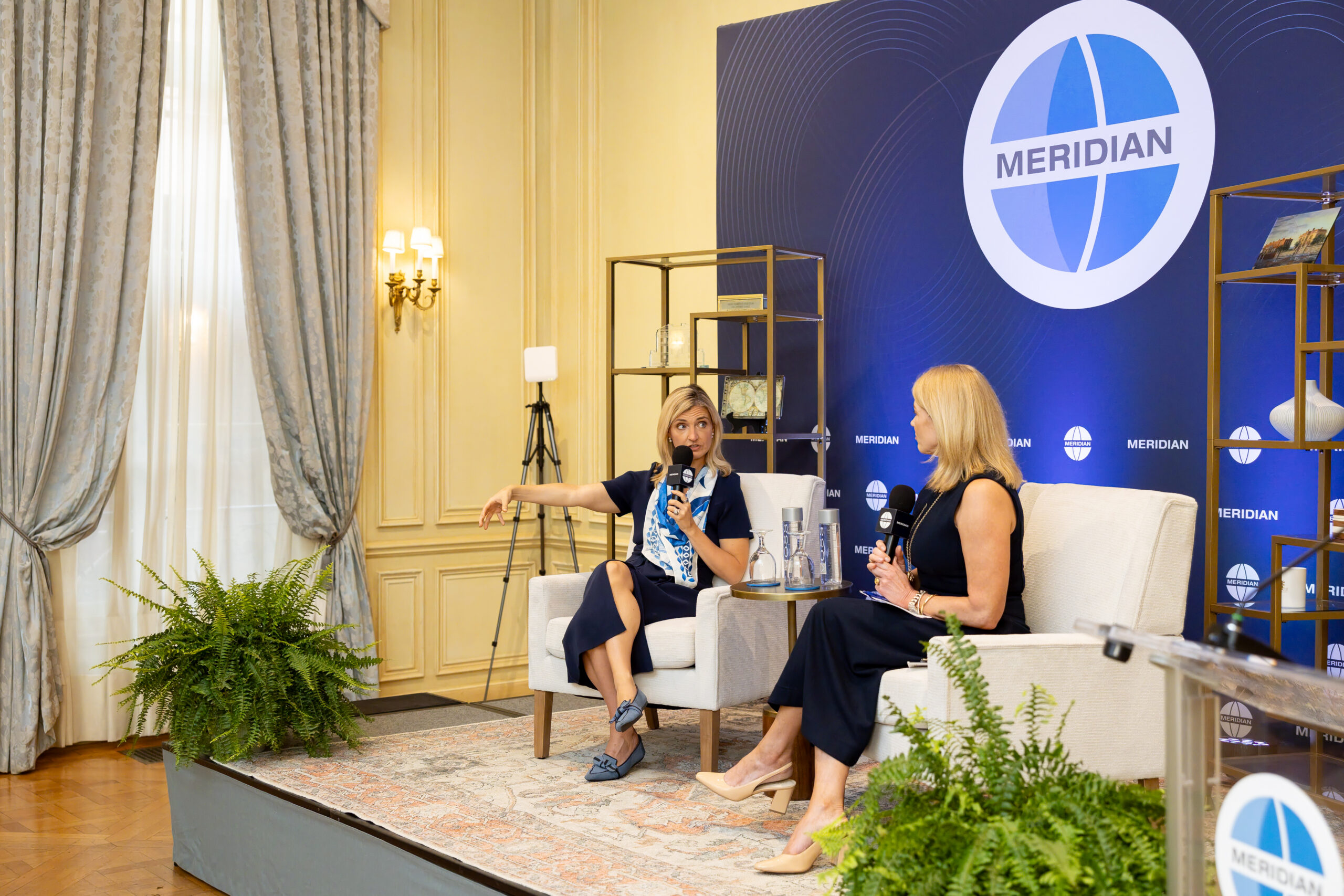
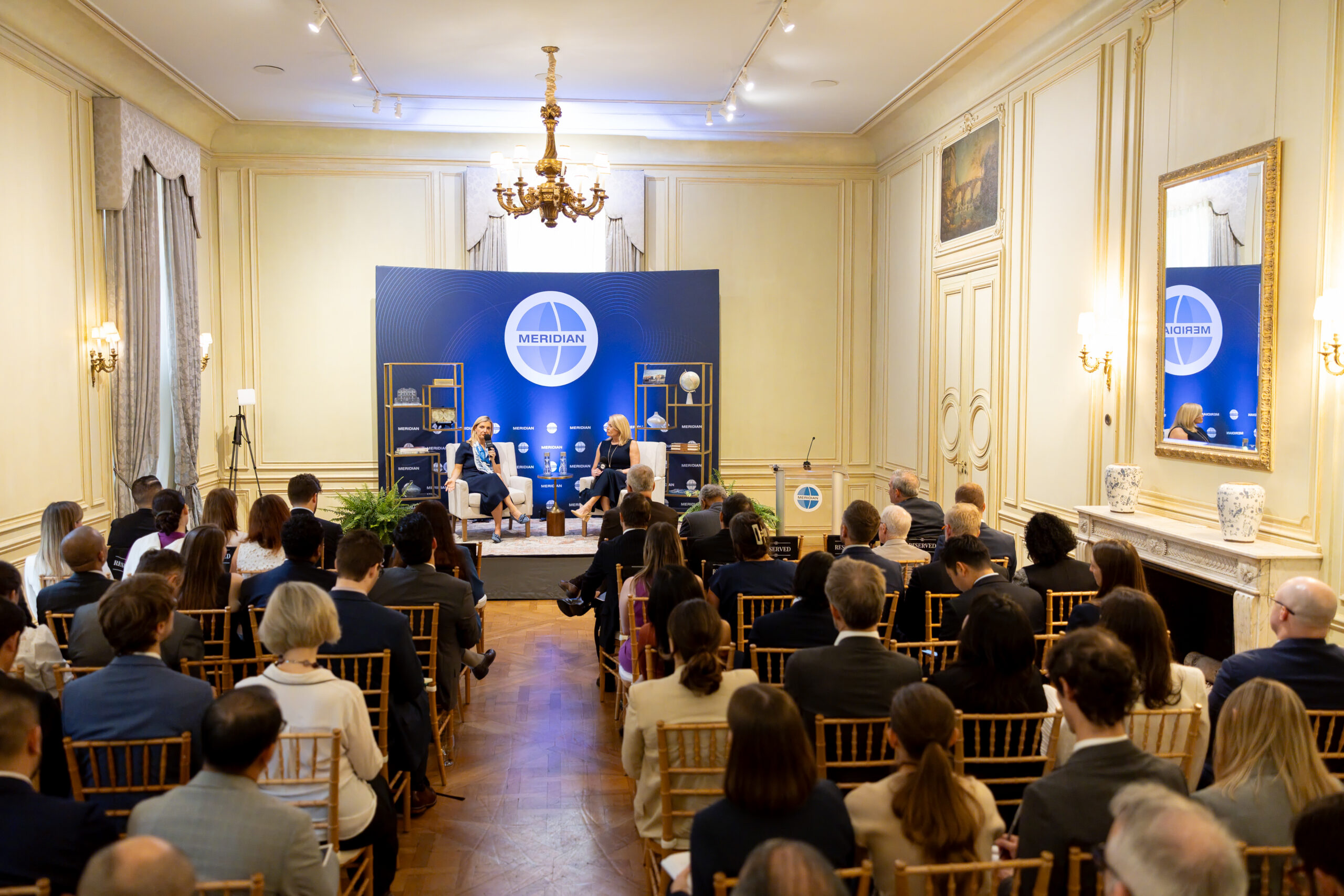
On July 29, Meridian International Center welcomed Under Secretary of State for Public Diplomacy Sarah B. Rogers for an Insights@Meridian discussion moderated by T.H. Heather Nauert, former Acting Under Secretary of State for Public Diplomacy and Public Affairs. The conversation examined how the strategy seeks to modernize public diplomacy while reaffirming its core purpose: advancing U.S. foreign policy through strategic communications, people-to-people engagement, and trusted sources of information in an increasingly digital world.
Five Takeaways from the State Department's New Public Diplomacy Strategy:
1. Public Diplomacy Is Becoming More Closely Aligned with U.S. Foreign Policy
The U.S. Department of State's Public Diplomacy Strategic Plan positions public diplomacy as a tool for advancing broader U.S. foreign policy priorities. Rather than operating independently, communications, exchanges, and international engagement are intended to support regional objectives while aligning more closely with diplomatic and national security efforts.
Reflecting that shift, the strategy places greater emphasis on commercial diplomacy, stronger coordination across government, and greater burden sharing with allies and partners. Closer coordination across diplomatic, defense, and development communications is intended to strengthen messaging and reinforce shared responsibility among allies and partners.
2. Public Diplomacy Is Adapting to a Digital-First Information Environment
As global media habits evolve, effective public diplomacy requires meeting audiences on the platforms they already use, from mobile devices and messaging apps to podcasts and short-form video.
While traditional broadcasting remains essential in countries where governments restrict internet access or censor information, the strategy envisions a more digital-first approach to reaching global audiences. Telegram was cited as an important channel for communicating with audiences in Russia, while the State Department-supported Limitless Africa podcast reflects a broader effort to engage people through the platforms and formats they already use.
No single platform is effective everywhere. Reaching global audiences requires adapting communications tools to local information environments.
3. Free Speech Is Central to the Strategy's Approach to Countering Disinformation
Countering disinformation can take many forms. Expanding access to credible information, strengthening source verification, and providing greater transparency and context can better equip audiences to make informed decisions while upholding free speech.
Artificial intelligence has a growing role in this effort. Examples included technologies that can identify manipulated media, detect deepfakes, provide additional context around online content, and improve transparency around AI-generated material. The broader emphasis is on providing more information, not less, by strengthening public trust through transparency and access to reliable information.
4. Success Will Be Measured by Real-World Impact
One of the most significant shifts is a greater emphasis on measurable outcomes. Rather than evaluating success by the number of exchanges, campaigns, or events conducted, the strategy prioritizes whether public diplomacy efforts influence public attitudes, change behaviors, or advance U.S. foreign policy objectives.
To support that shift, the Department is developing standardized reporting and evaluation tools that diplomatic posts can use worldwide to better measure impact and identify successful approaches. Successful communications models are also intended to be shared across embassies so effective approaches can be adapted to different regional contexts.
The broader goal is to ensure public diplomacy resources are directed toward programs that demonstrate meaningful and measurable results.
5. Sports and Educational Exchanges Remain Powerful Diplomatic Tools
While technology is transforming how governments communicate, personal experiences and people-to-people engagement remain essential components of effective public diplomacy.
Major international events such as the FIFA World Cup and Olympic Games were highlighted as opportunities to welcome global audiences, showcase American communities, and strengthen international relationships. Educational exchanges and American Spaces continue to complement those efforts by creating opportunities for students, entrepreneurs, and emerging leaders to engage directly with the United States.
Together, these initiatives underscore that while communication platforms continue to evolve, direct engagement remains a critical tool for advancing U.S. interests abroad.




Project summary
| Inside the State Department’s Public Diplomacy Strategy | July 2026 |
|---|
