

How Cities and States Are Shaping the Future of Technology and Global Diplomacy
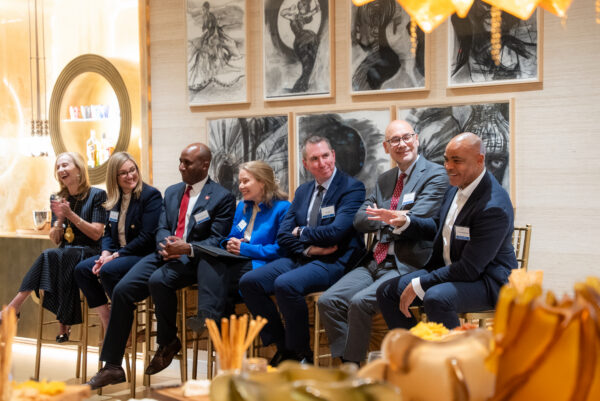
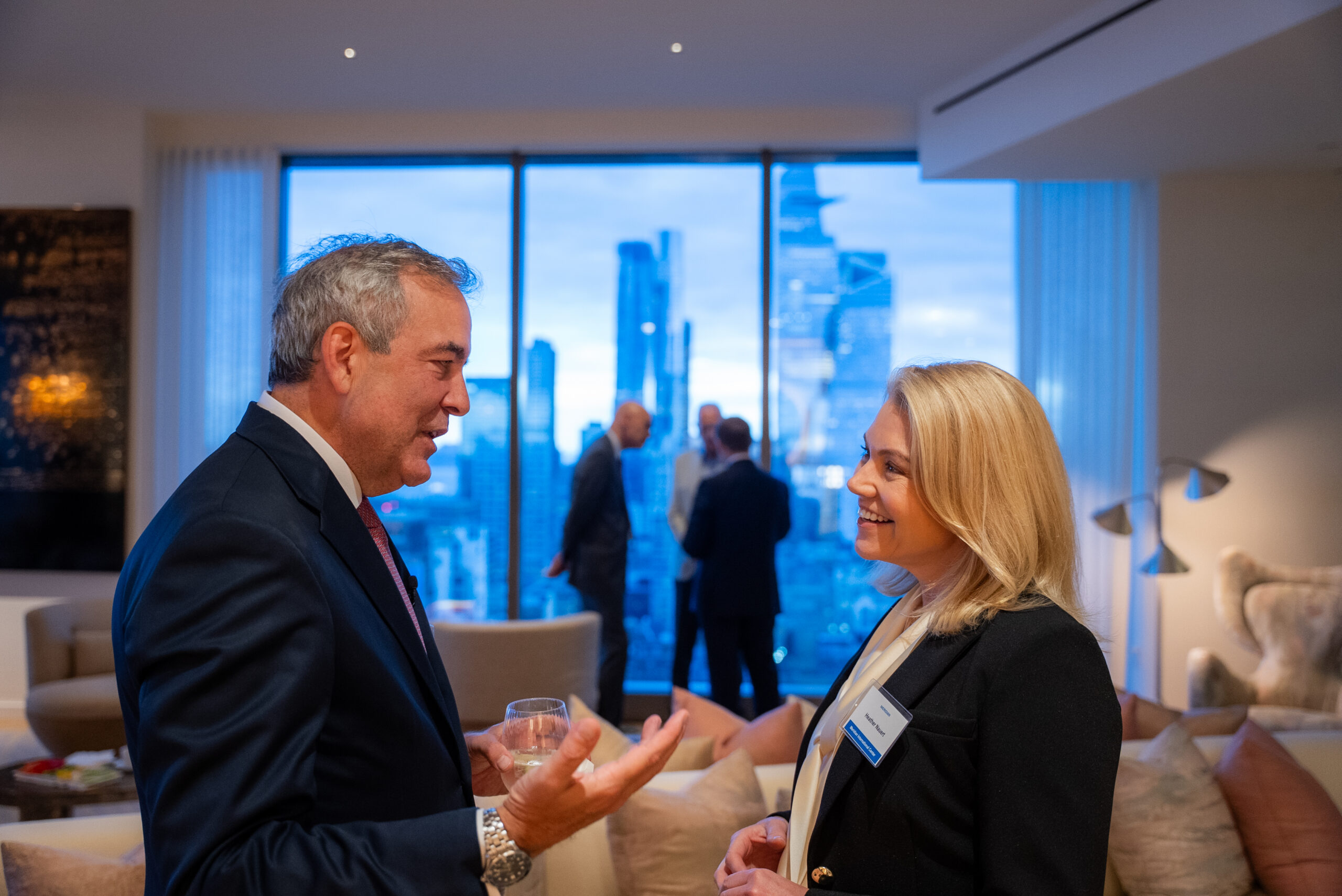
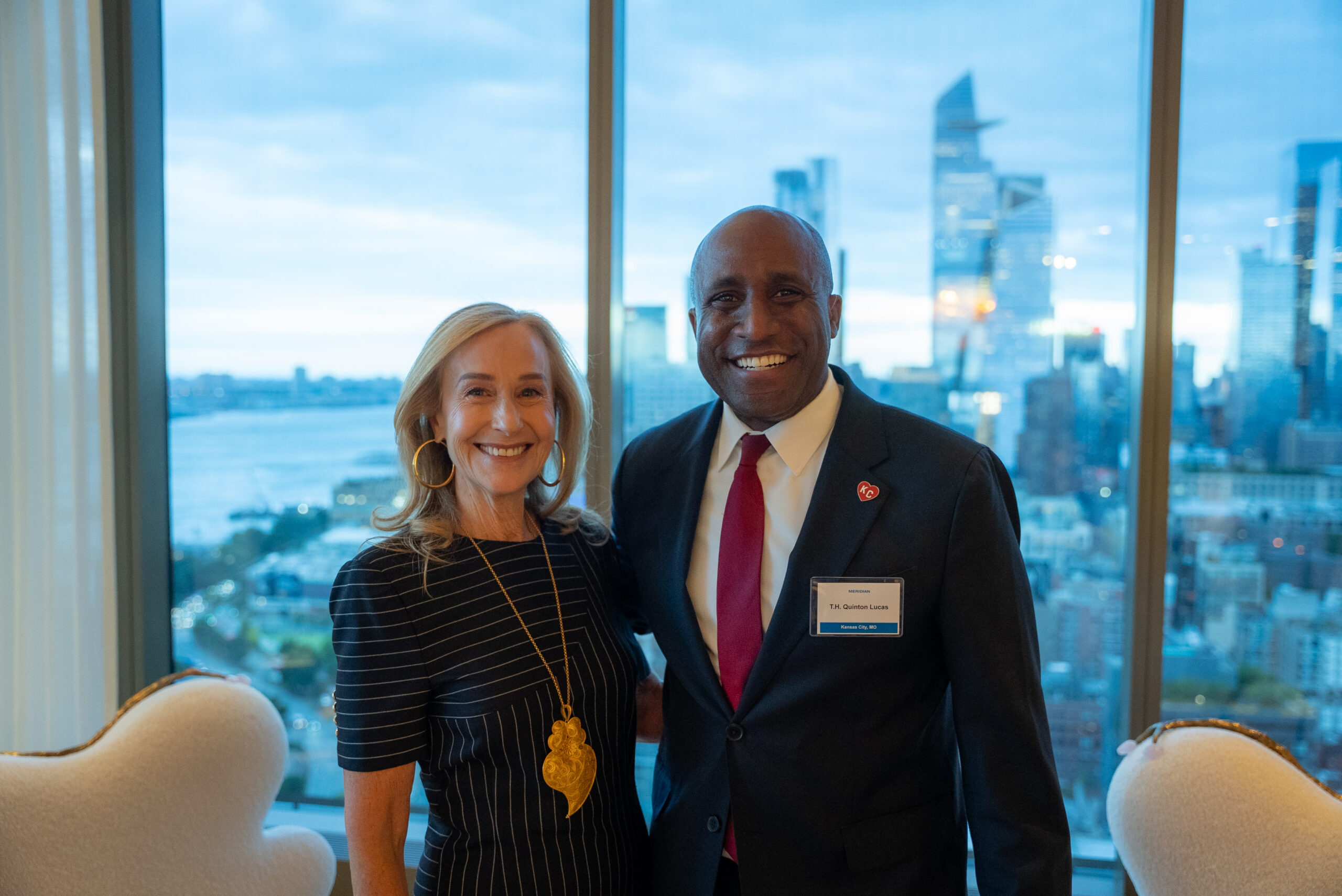
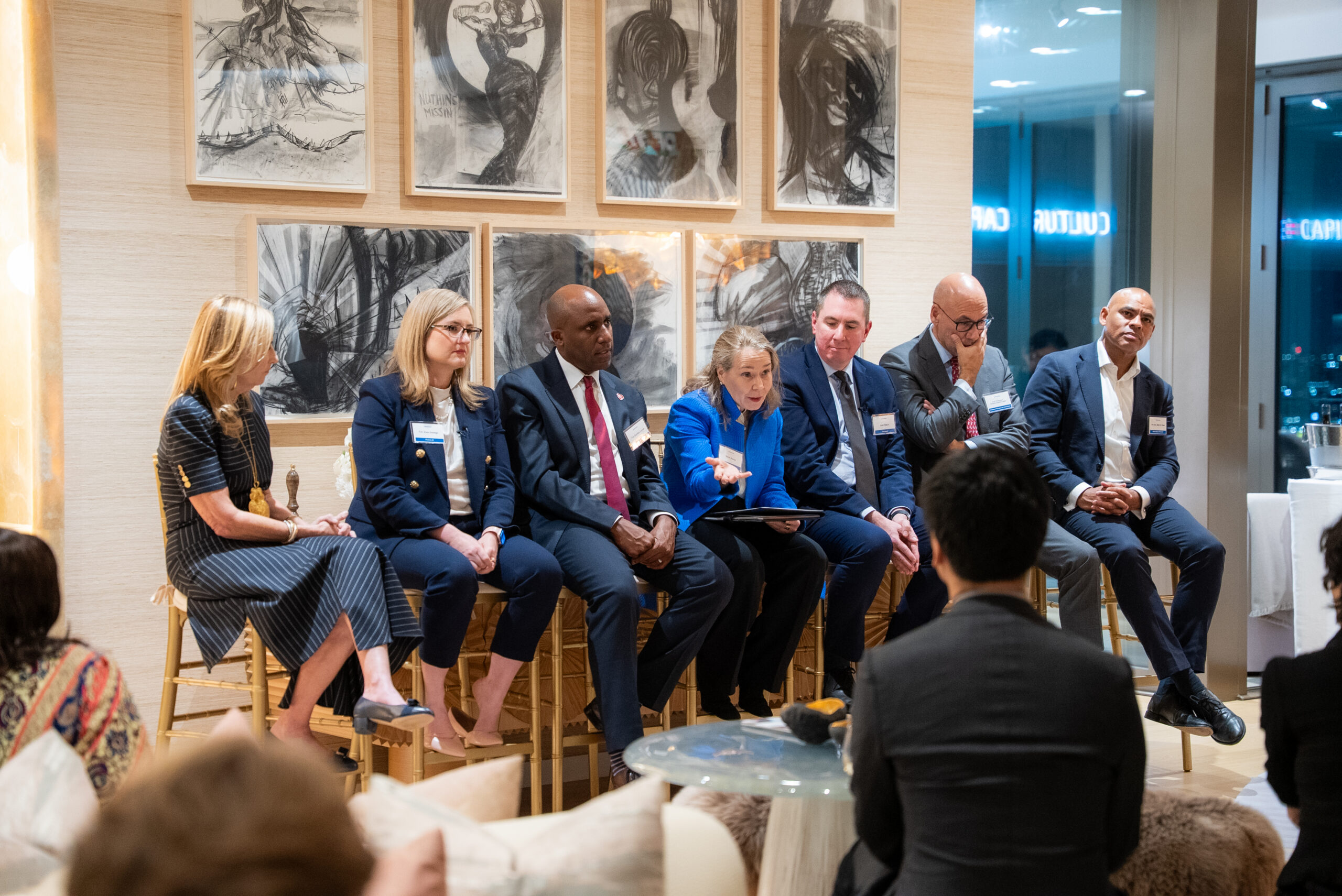
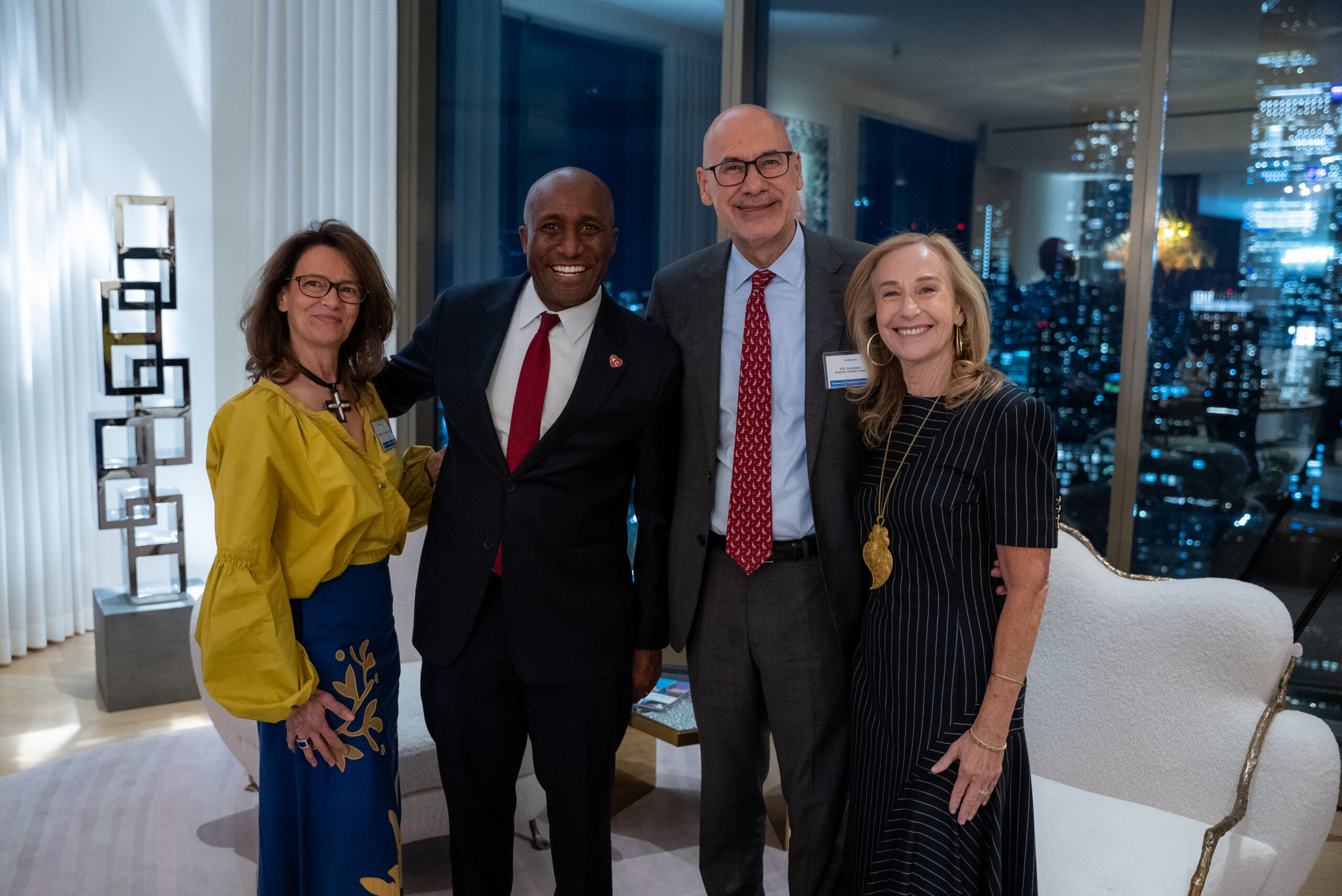
During the 81st United Nations General Assembly, Ambassador Randi Charno Levine and Meridian International Center CEO David Bohigian convened a private reception in New York City on the growing role of cities and states in global diplomacy and technology partnerships.
Hosted by Ambassador Levine, the salon-style conversation brought together U.S. and international mayors, diplomats, technology executives and other leaders to explore how subnational engagement can attract investment, strengthen economic competitiveness and ensure emerging technologies deliver for local communities. The discussion featured Phoenix Mayor Kate Gallego, Kansas City Mayor Quinton Lucas, Portuguese Ambassador to the United States Francisco António Duarte Lopes, Sarah Kemp of Intel and Josh Black of Microsoft, with contributions from Lord Marvin Rees, former Mayor of Bristol and member of the UK House of Lords, and other distinguished guests.
These Were the Top Takeaways from the Program:
1. Subnational Diplomacy Has Reached an Inflection Point.
This year’s convergence of UNGA, Urban 20 and Climate Week reflected a broader shift in global engagement: mayors, governors and other local leaders are becoming more active participants in international forums once dominated by national governments. Cities are building relationships across borders, engaging directly with global companies and using international networks to advance local priorities. As global challenges become more complex, these relationships offer an additional channel for cooperation grounded in local implementation and delivery.
2. National Governments and Diplomats Are Taking Notice.
Countries are engaging more deliberately with cities and states as local relationships become an important part of broader bilateral ties. Ambassador Duarte Lopes pointed to the growing frequency with which cities and regions travel internationally, engage foreign companies and governments, and build economic partnerships.
But sustaining those relationships requires institutional support. Sister-city partnerships, for example, are more likely to endure political transitions when they are embedded within dedicated offices, universities or chambers of commerce rather than dependent on a single elected leader.
3. Cities Are on the Front Lines of Technological Change.
As data centers, AI infrastructure and advanced manufacturing expand, cities are where technology investment meets workforce needs, energy and water demands, and community concerns. Technology companies emphasized that local governments are not simply stakeholders but long-term partners in determining where and how investment takes place.
Intel highlighted access to sustainable energy and water, the strength of local workforce and R&D ecosystems, and the responsiveness of local government as key factors in investment decisions. Microsoft highlighted commitments around electricity costs, minimizing water use, contributing to local tax bases and supporting workforce education as data center and AI infrastructure expands into communities.
Cities are also using international networks to shape those investments. Mayor Gallego pointed to the Global Urban Data Center Pact, now backed by 49 cities representing more than 110 million people, which establishes shared principles for responsible data center development and stronger community benefits.
4. Cities and States Are Building Deliberate International Strategies.
International engagement is becoming an increasingly deliberate tool for local economic development. Phoenix’s nearly 50-year sister-city relationship with Taipei helped open the door to what Mayor Gallego described as a generational semiconductor investment by TSMC. Kansas City leveraged the FIFA World Cup to showcase its industries and economic opportunities to international visitors and diplomats, with those connections continuing through subsequent ambassadorial visits.
These examples demonstrate how cities can use long-term relationships and major international events to attract investment, expand global visibility and build connections that deliver locally.
5. Cities Need Capacity, Networks and Partnerships to Deliver.
International engagement requires expertise and resources that many city governments do not have in-house. Local leaders pointed to the value of philanthropic partners, peer networks and institutions that provide research, training and opportunities to exchange best practices. Bloomberg Philanthropies, for example, brings global cohorts of mayors together to learn from one another, test new approaches and strengthen government capacity.
For cities navigating complex issues from technology investment to foreign relations, access to information and specialized expertise can determine whether international opportunities translate into local results. Meridian’s work on subnational diplomacy, including its Strategic Subnational Diplomacy Toolkit, is designed to help close that gap by equipping state and local leaders with practical strategies, networks and resources for global engagement.


Project summary
| How Cities and States Are Shaping the Future of Technology and Global Diplomacy | September 2026 |
|---|
