
2026 Diplomatic Skills Training for Emerging Leaders
Project Objectives:
The Diplomatic Skills Training for Emerging Leaders furthered participants’ understanding of the diplomatic tools, skills, and practices for civic-minded leadership.
The seven-week program consisted of six virtual trainings including cross-cultural communication, protocol, and public diplomacy, culminating in a two-day in-person training in Washington D.C.
Now in its fifth year, the program was housed within the Civic Openness, Reasoning, and Engagement (CORE) Incubator, a U.S. Department of Education initiative focused on strengthening practical skills for effective civic and cross-sector engagement.
Through lectures directly from practitioners and negotiation exercises, the cohort gained practical techniques of how to build resilient teams, disagree responsibly, and implement diplomatic practices into their fields. The training gave students opportunities to engage with complex international issues while practicing constructive dialogue and civic discourse. Throughout the curriculum, students developed diplomatic skills essential in everyday interactions, including good-faith negotiation, bias awareness, and constructive conflict management.
One student reflected “The debates gave me an opportunity to apply the skills we were learning in a practical setting, while the guest speakers and in-person sessions helped connect those skills to real diplomatic work and professional experiences.”
Part of Meridian’s DiplomacyRISE initiative, the program helps empower the next generation of leaders to advance American diplomacy through career training, mentorship, and fellowship programs.
Project Design:
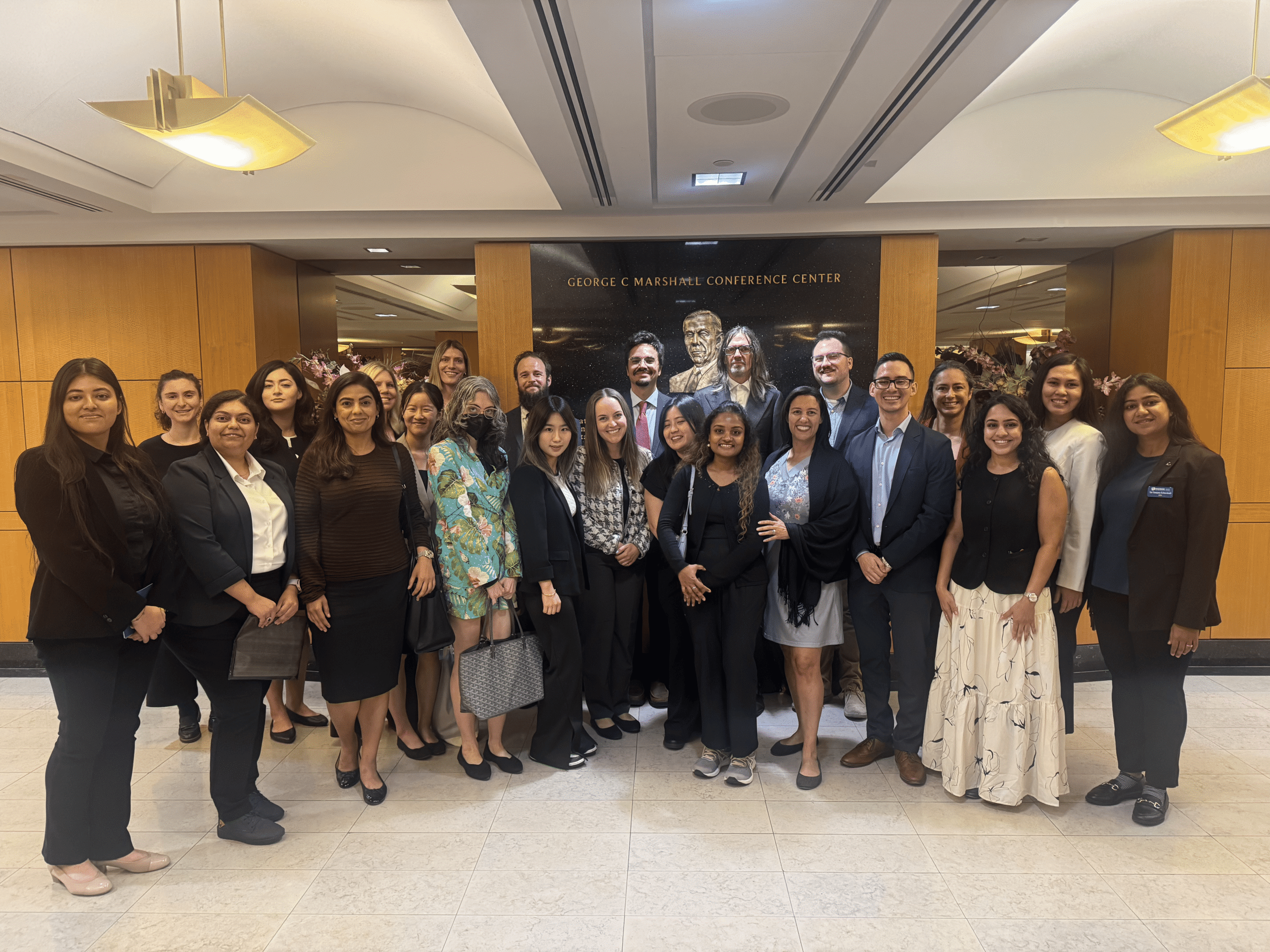
In July 2026, the program kicked off with six virtual sessions preparing participants to grow their diplomatic acumen. Hosted by Meridian International Center in partnership with the University of California Riverside, the program brought together 20 students comprising of faculty, Ph.D. candidates, postdocs, graduate students and undergraduate students. Each virtual session began with a nuts-and-bolts lecture followed by a guest speaker who connected that week’s theme to current real-world experiences, and an interactive activity challenging students to practice skills learned. In August 2026, the participants traveled to Washington D.C. for a two day in-person workshop meeting with practitioners.
The virtual sessions focused on Diplomacy 101, Diplomatic Protocol, Multilateral Diplomacy, Public Diplomacy, Cross-Cultural Communication, and Internal Diplomacy. Guest speakers included Amrita Banerjee (Acting Strategic Competition Team Lead, U.S. Department of State), T.H. Julie Chung (U.S. Ambassador to Sri Lanka 2022-2026), William Davis (Director, United Nations Information Center), T.H. Mohamed Edrees (Permanent Representative of the African Union to the United Nations), Calvin Hayes (Diplomat and Public Affairs Foreign Service Officer), La’Nita Johnson (Program Facilitator, Founder and CEO of Iluminada+ Consulting co.), Natalie Jones (Chief Operating Officer & Executive Vice President, Meridian International Center), Frank Justice (Vice President, Open Diplomacy Programs, Meridian International Center), T.H. Eunice Reddick (U.S. Ambassador to Gabon 2007-2010 and Niger 2014-2017), and Mark Rebstock (Vice President, Deputy Director of IVLP at Meridian International Center).
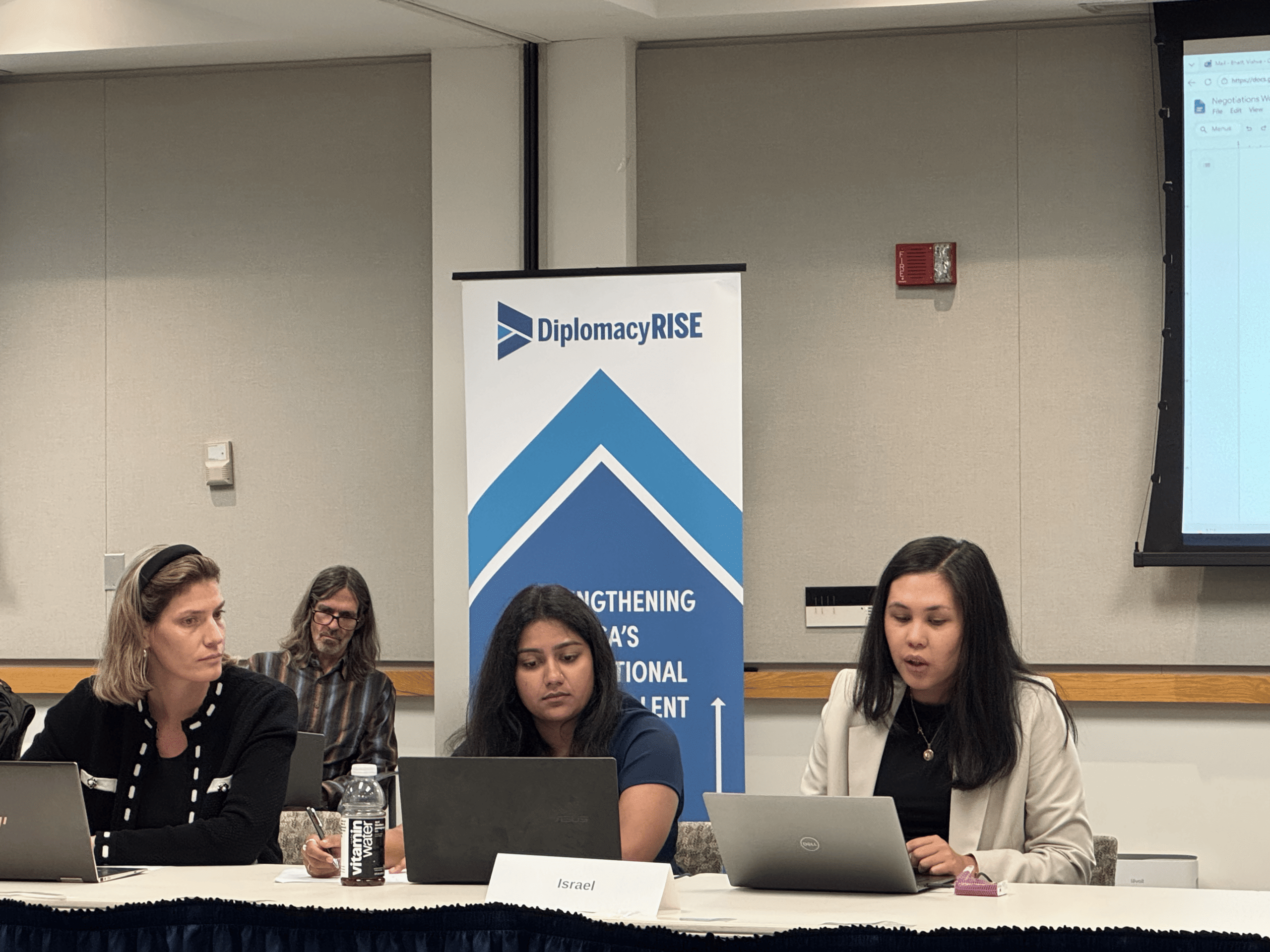
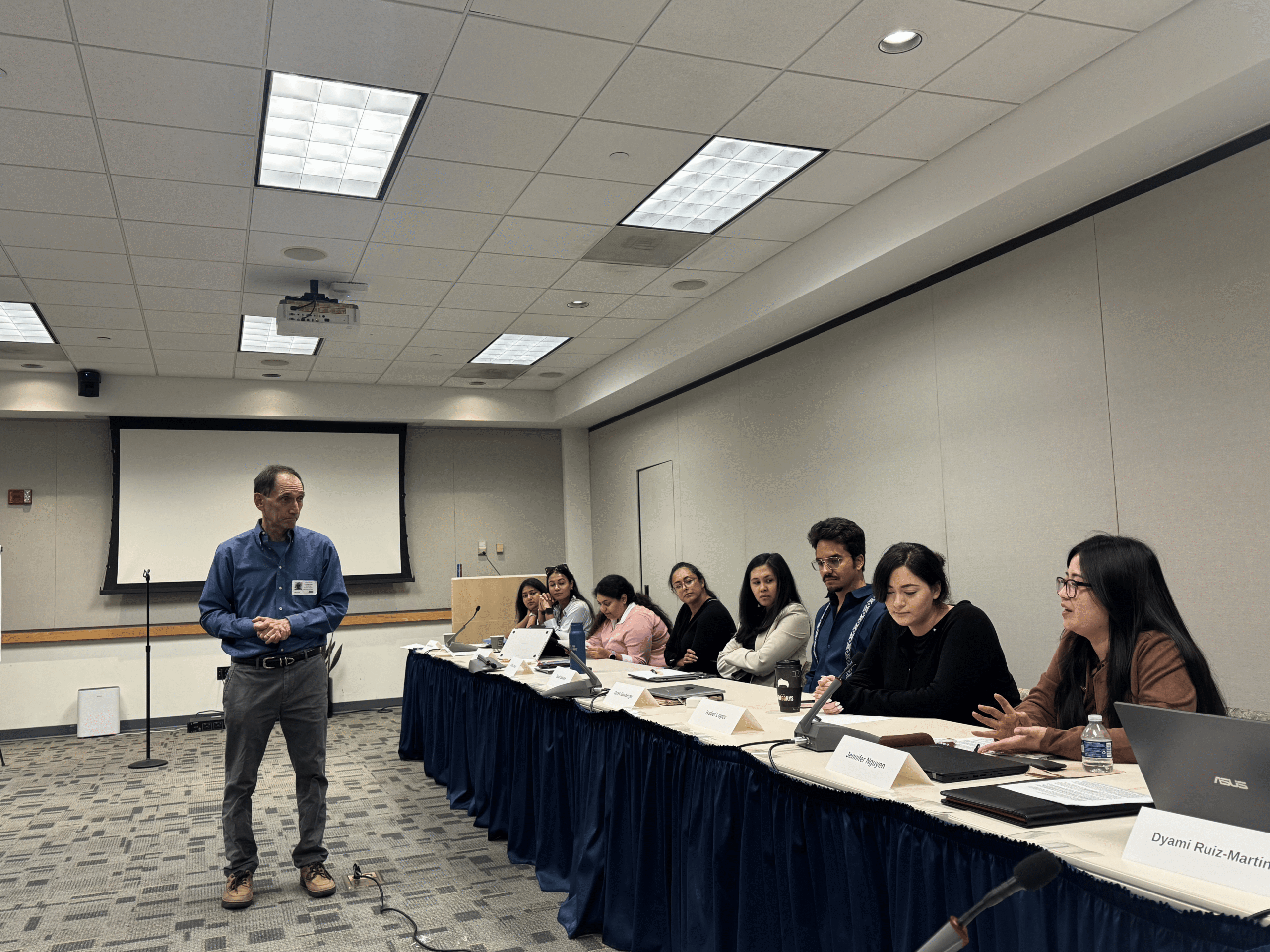
Over the course of the virtual program, participants engaged in a three-part policy debate facilitated by Dr. Jonathan Margolis, (former Deputy Assistant Secretary for Science, Space, and Health in the Department of State’s Bureau of Oceans and International Environmental and Scientific Affairs). Through policy debates, participants put their newly acquired diplomatic skills into practice through simulation exercises surrounding the accords and receiving real-time feedback from Dr. Margolis.
U.S. Department of State
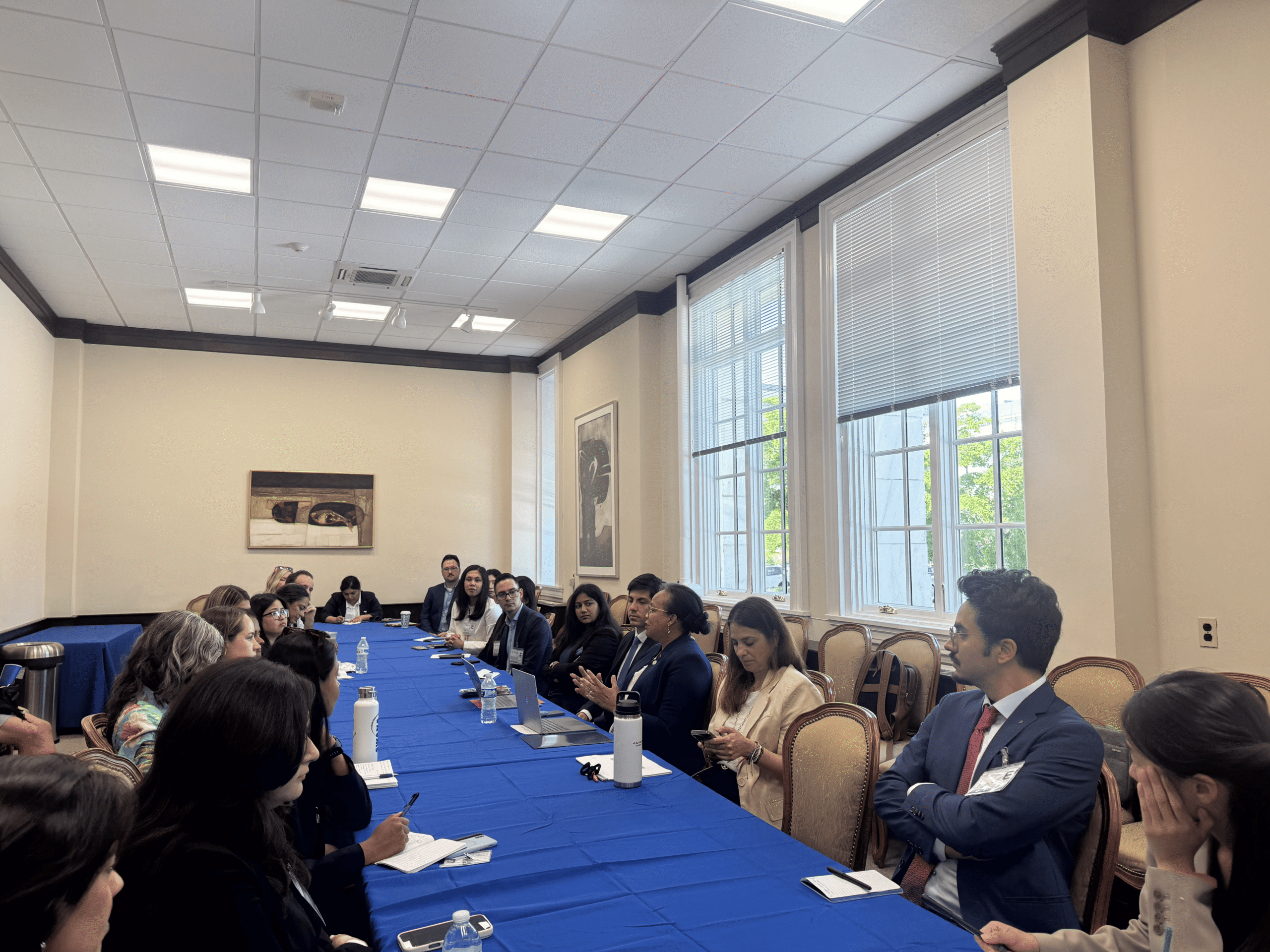
Participants opened their Washington, D.C. visit with a half-day program at the U.S. Department of State. The visit features representatives from several offices including the Office of Space Affairs, Eastern Europe Desk, and Economic Sanctions Programs. During the conversations with practitioners, participants learned about the work being done at the Department by civil and Foreign Service Officers, as well as the skills that are most valuable in the workplace and had the opportunity to ask questions. The panels explored various diplomatic strategies, the advantages and disadvantages of each, and how culture, history, and protocol can impact international collaboration.
Organization of American States
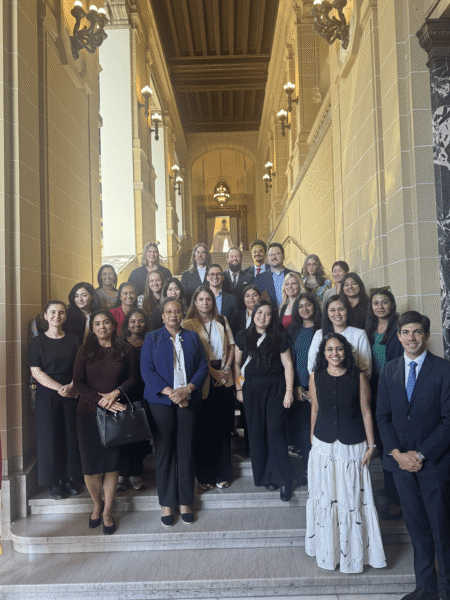
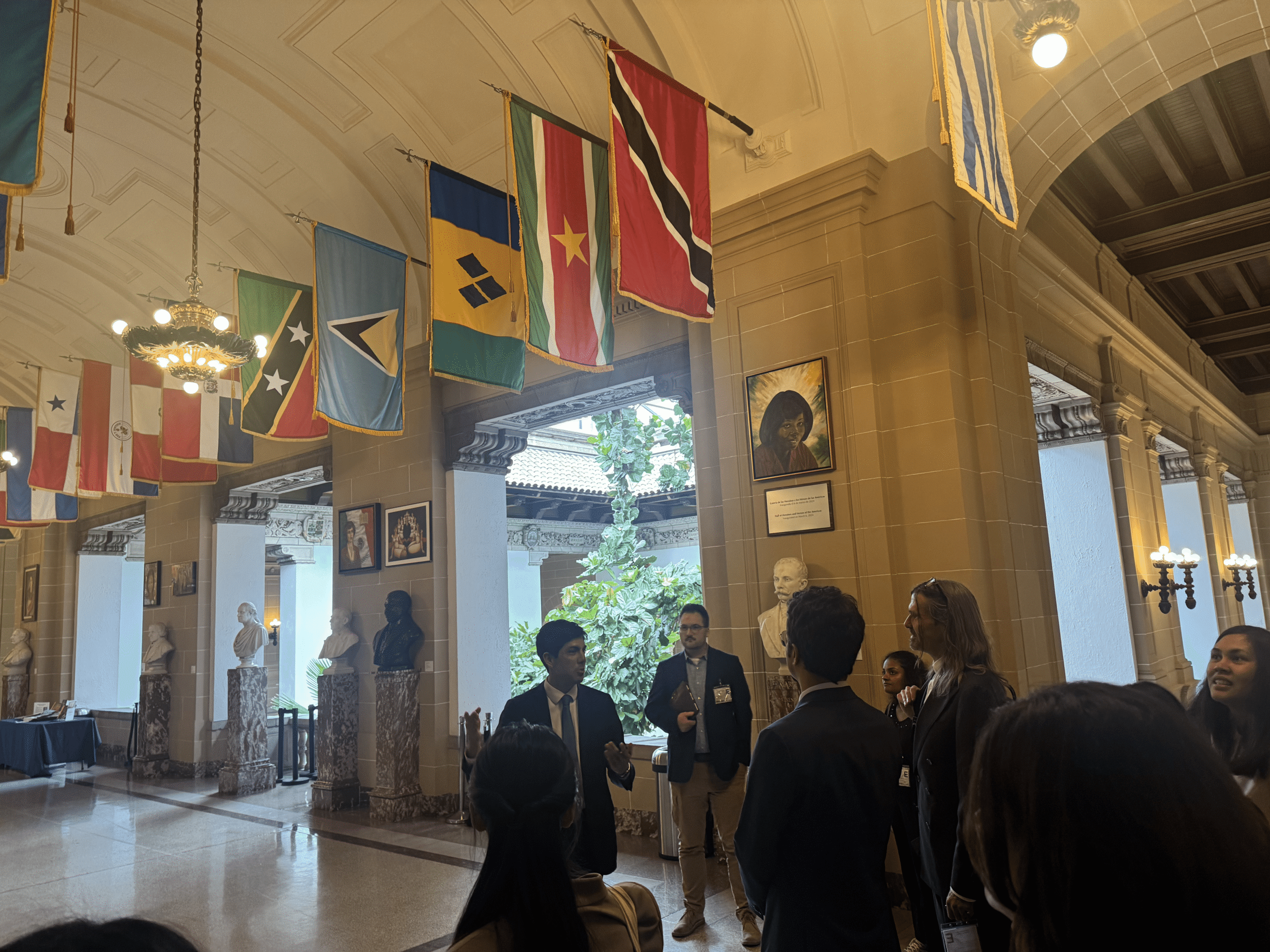
At the Organization of American States (OAS) participants heard about the vital role of multilateral institutions in advancing global cooperation. “Multilateralism and role of the OAS in Observing elections,” and “Interamerican System on Human Rights,” led by Melene Glynn (Department of Electoral Cooperation and Observation, Organization of American States), Norma Colledani (Coordinator of Technical Cooperation and Public Policies, Organization of American States), and Daniel Jiménez, (Department of External and Institutional Relations, Organization of American States), gave participants an overview of the OAS’s work. Participants also received a tour of the OAS’ historic main building. Through the question-and-answer portion, participants learned about opportunities for OAS Electoral Observation Missions and gained a deeper understanding of multilateral approaches to diplomacy, international collaboration, democracy, human rights, security, and development.
Embassy of Peru
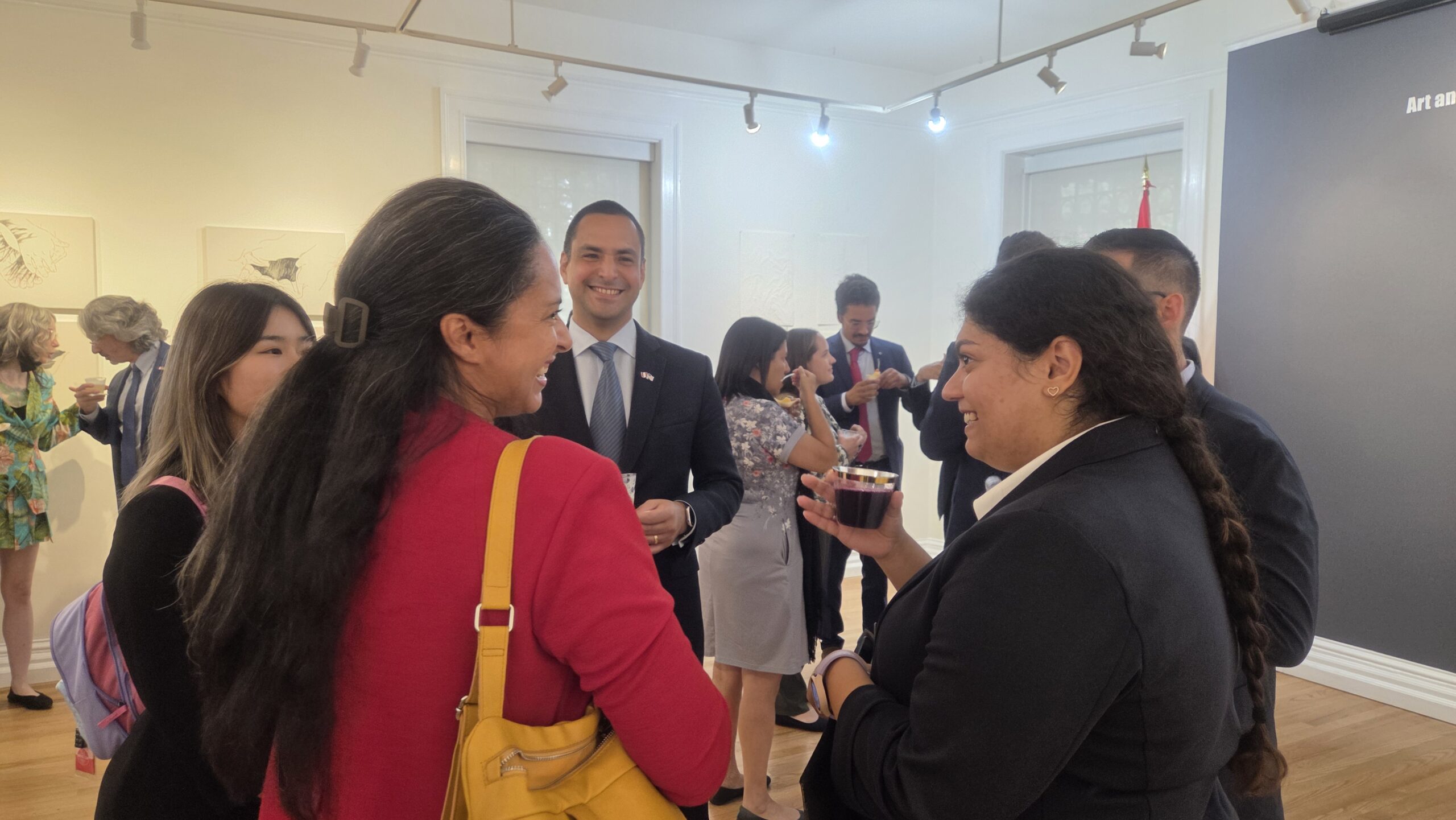
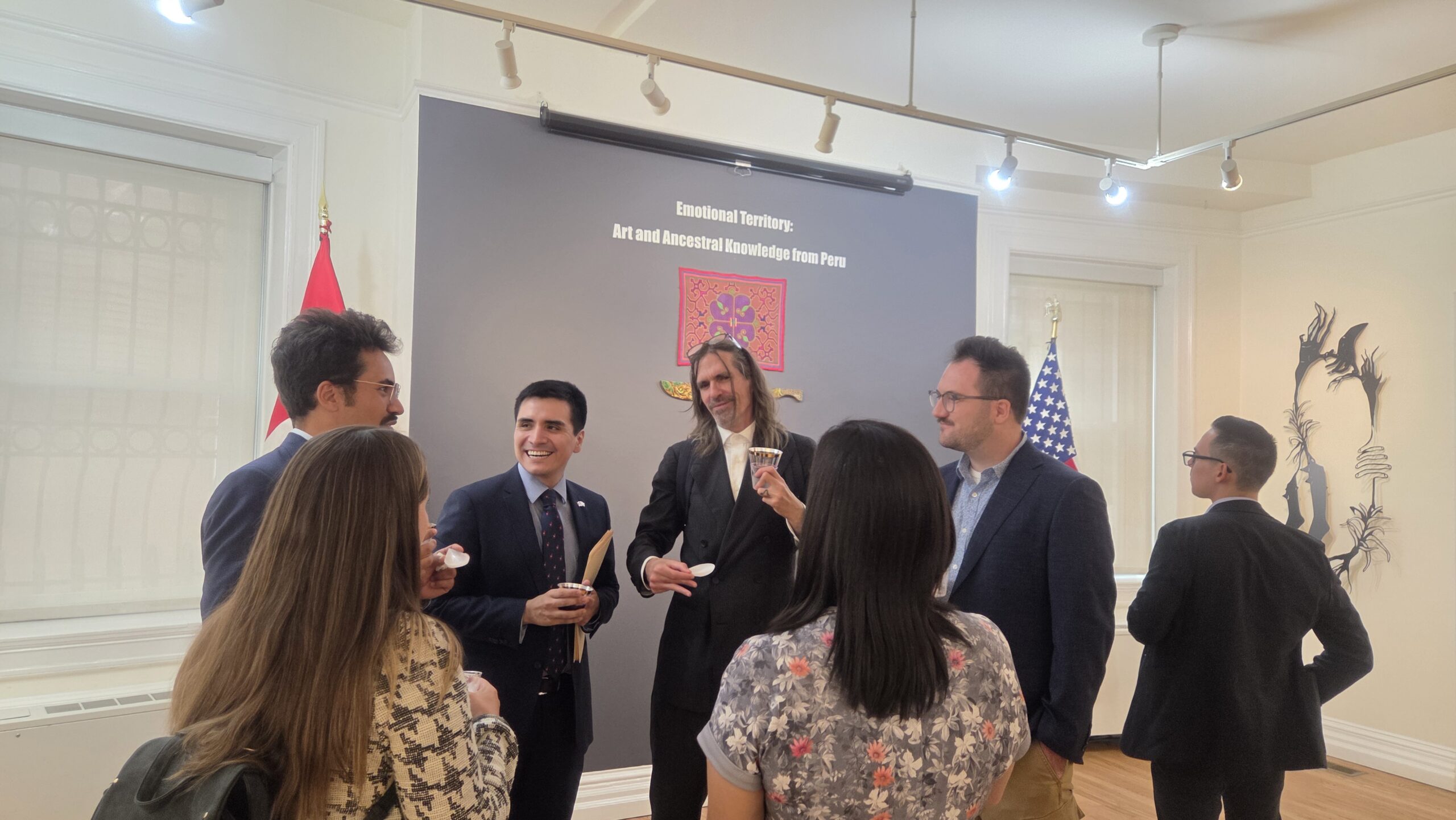
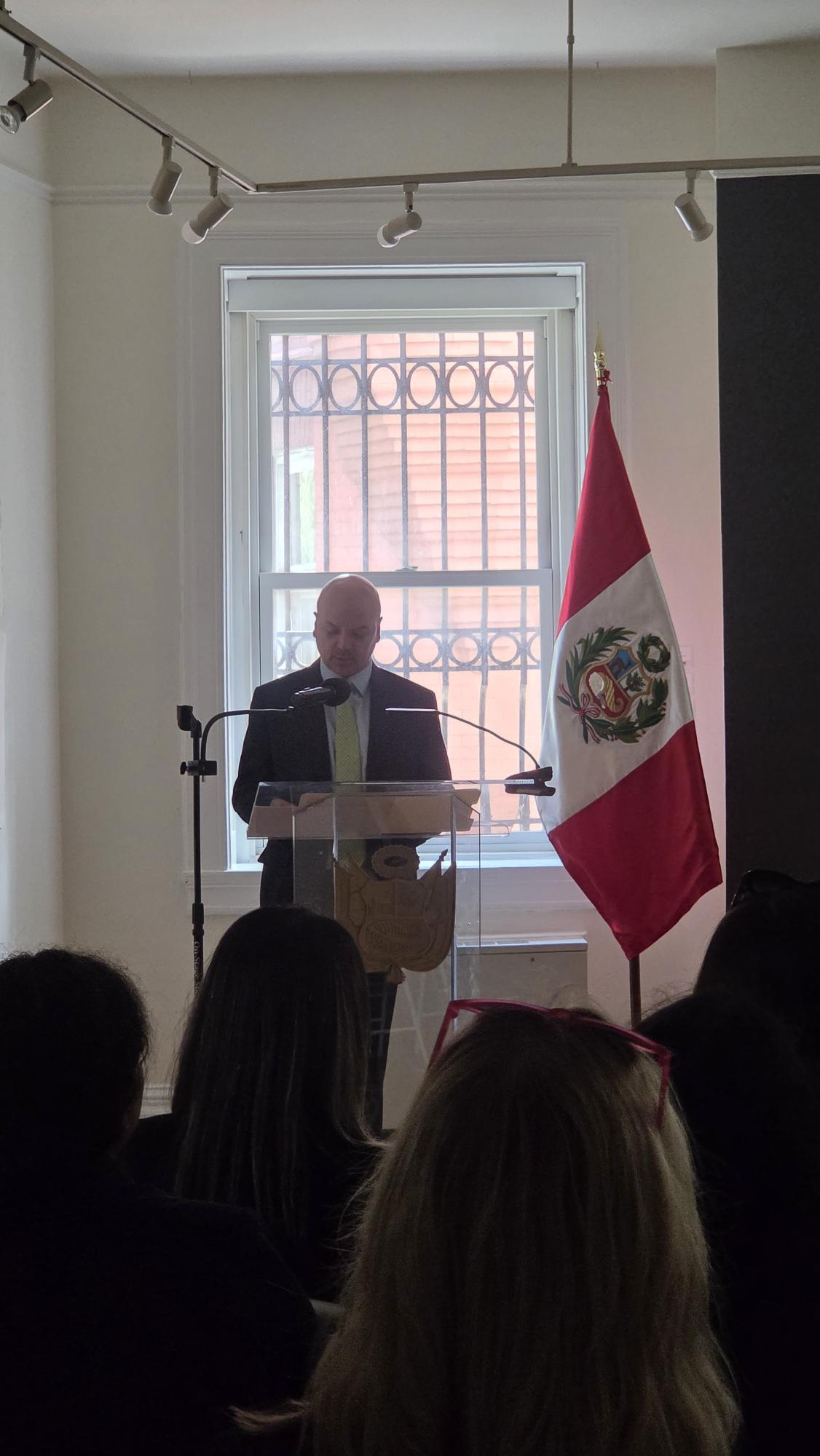
Hosted by the Embassy of Peru in Washington D.C, participants experienced firsthand the mission and practice of foreign diplomacy. Participants heard from the Jean-François Merlet (Chargé d’Affaires, Embassy of Peru), Guillermo Lauriano (Cultural Attaché, Embassy of Peru), Renzo Rodriguez (Political Department, Embassy of Peru), Vanessa Aguirre (Political Department and Press Officer, Embassy of Peru), Hans Ramos (Economic Department, Embassy of Peru), and Sebastián Higueras (Economic Department, Embassy of Peru). The panel of diplomats shared their experiences working to advance U.S.-Peruvian partnerships, offering behind-the-scenes anecdotes from their careers. Participants enjoyed a reception at the Embassy of Peru to converse with diplomats and enjoy Peruvian culinary specialties together.
Shaping the Future of Diplomacy: Networking Reception
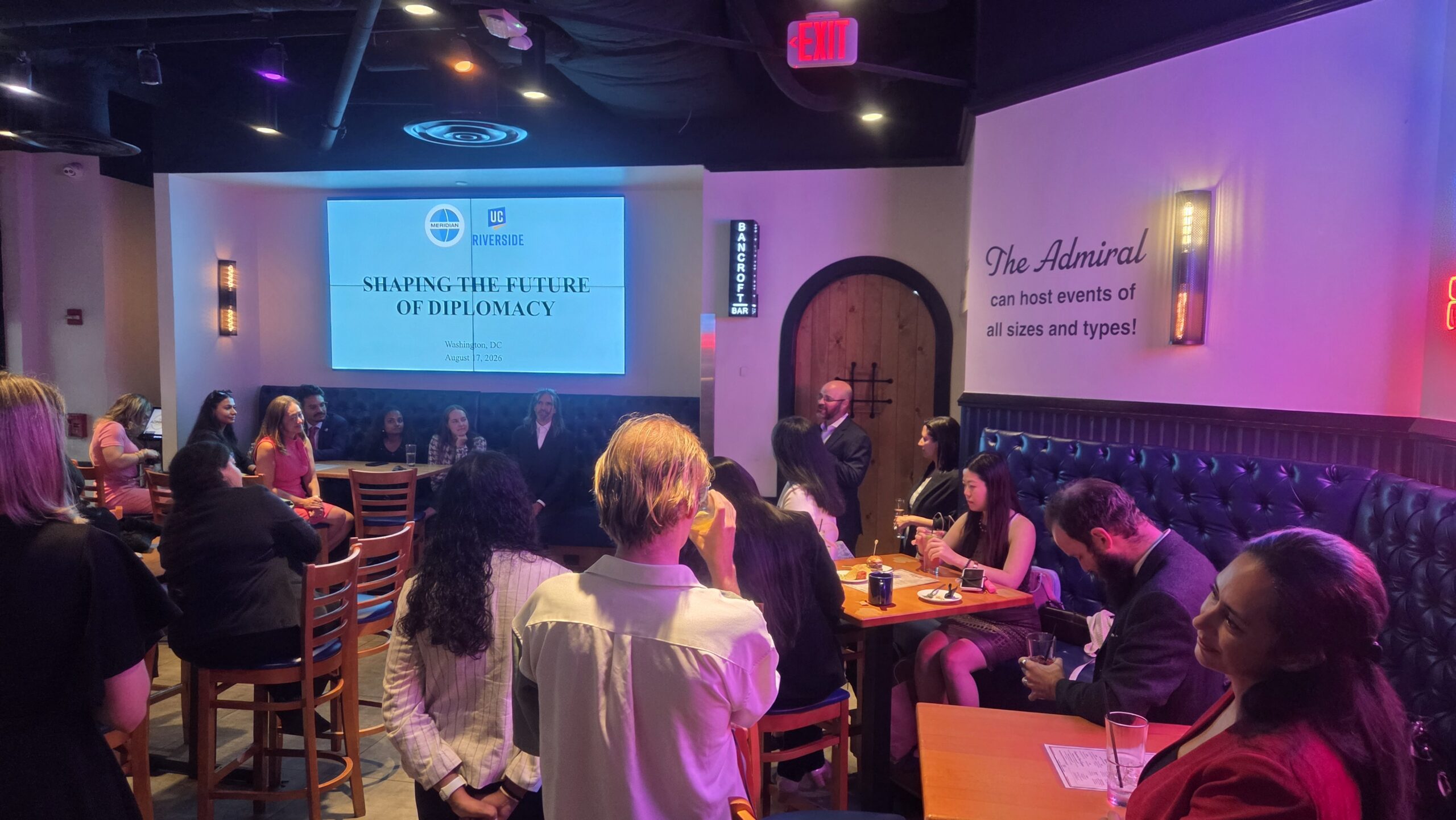
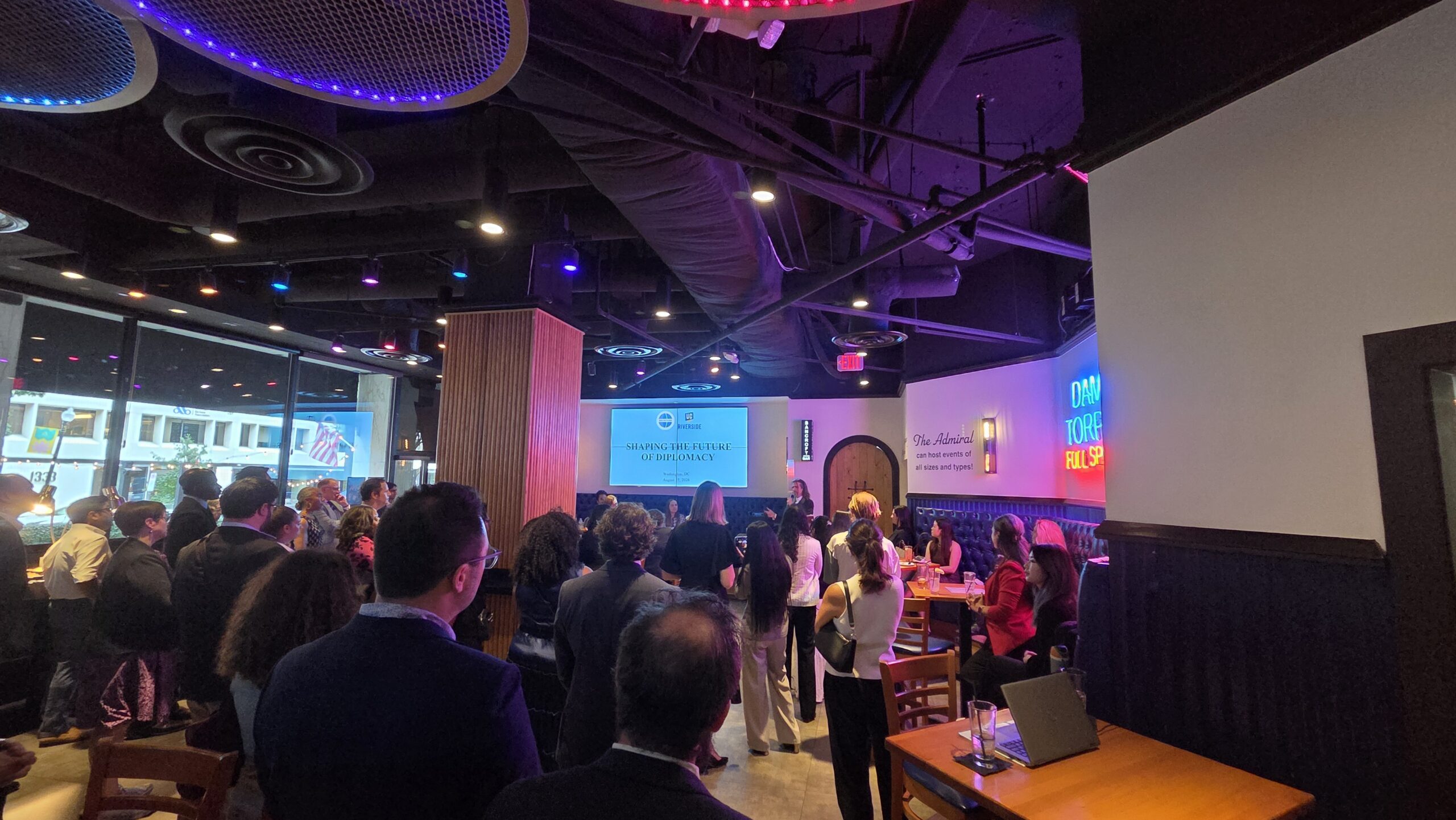
Meridian International Center hosted participants and over 40 distinguished guests at a networking reception in Dupont Circle. This special evening brought together diplomacy practitioners to celebrate the cohort’s achievements, foster meaningful conversations, and strengthen connections across the international affairs community. Participants were able to meet in-person guest speakers from the virtual series as well as diplomats from various embassies across Washington D.C. to further their professional connections and provide opportunities to learn more about diplomatic practice.
Negotiations Workshop and Simulations
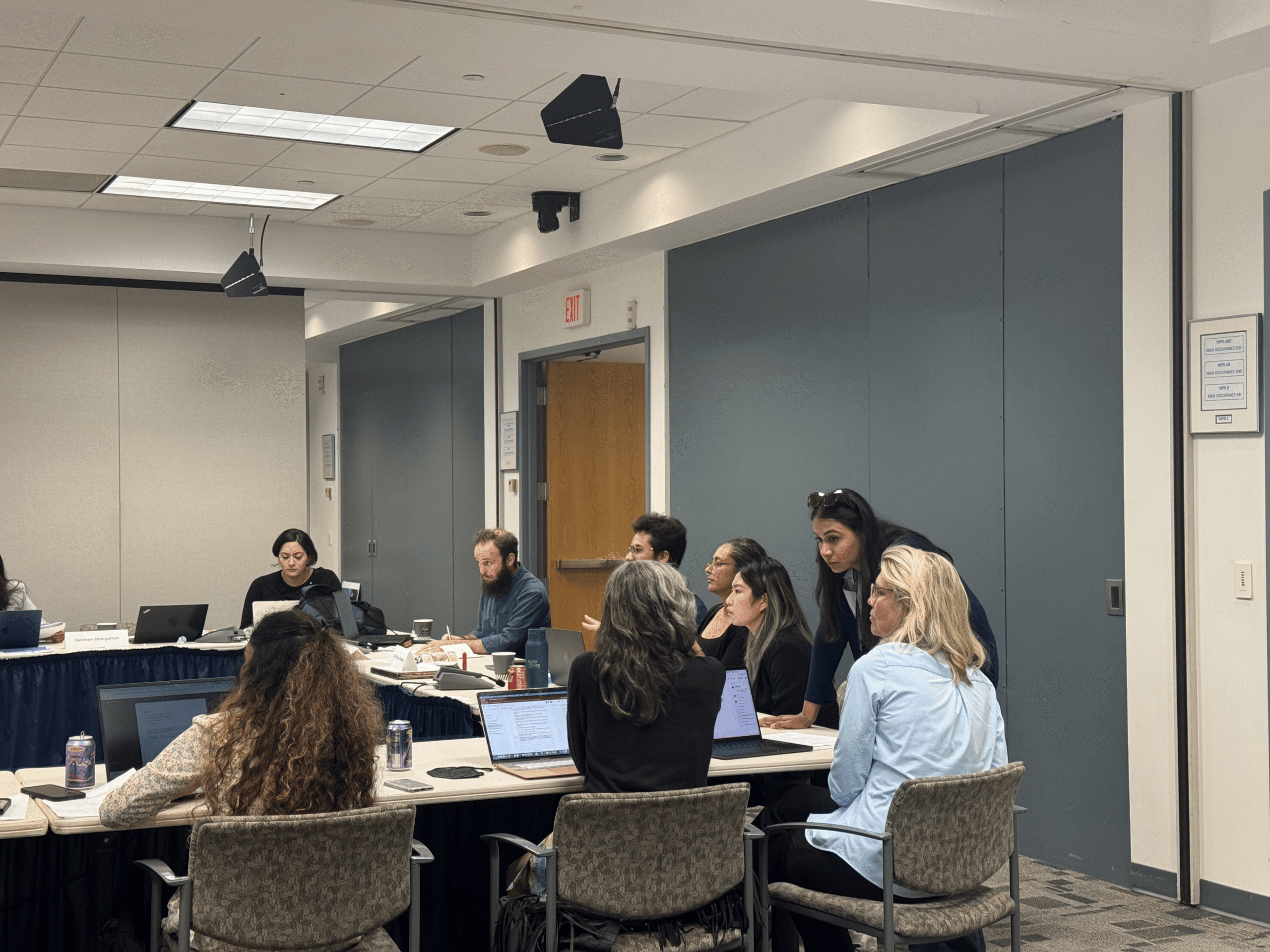
The program concluded with a hands-on negotiations seminar that allowed participants to apply the concepts and techniques they had practiced throughout the week. Facilitated by Dr. Jonathan Margolis, the session featured interactive activities, guided debriefs, and opportunities for reflection. The centerpiece of the seminar was an international water crisis simulation, where participants represented regional and global delegations tasked with negotiating the distribution of shared water resources. The exercise required them to weigh technical constraints against political considerations while addressing sensitive questions around sovereignty and water rights. By immersing participants in a realistic multilateral negotiation, the simulation challenged students to develop strategy, form alliances, and work through competing priorities. These are all capabilities that are critical to diplomatic practice and to tackling complex global issues.
One student noted the skills learned during this exercise will help them “be a more professional worker in international organisations or in a diverse work environment.”
Another student shared throughout the program they now have a “greater appreciation for the importance of negotiation, relationship-building, compromise, and understanding the interests behind a country’s stated position. It also helped me see global issues as less about finding a single ‘right’ solution and more about balancing competing priorities, building trust, and creating enough common ground for cooperation to move forward.”
Impact:
The Diplomatic Skills Training for Emerging Leaders brought together 20 students across academic disciplines forming a diverse community united by their shared interests in diplomatic practice. The training strengthened participants' knowledge of diplomacy, professional communication, and civic discourse, equipping emerging leaders with the skills needed to engage constructively across cultures, perspectives, and stakeholder groups. Survey data collected before and after the program demonstrated measurable growth across all 17 assessed competencies, with participants reporting higher levels of confidence and understanding upon completion of the training.
As one participant reflected, “Negotiation and public speaking are great skills to have, both personally and professionally. Participating in the Diplomatic Skills Training allowed me to practice making quick decisions during live debates and clearly communicating complex ideas under pressure. These skills will directly shape my career by helping me lead discussions and collaborate with diverse teams.”
Participants filled out a self-assessment pre-program and post-program survey to measure program impact:
- 100% of respondents said they have a better understanding of diplomacy, international relations, and global affairs after the program.
- 90% of respondents said their understanding of multilateral diplomacy improved after the program.
- On average, all respondents strengthened their diplomatic and civic skills across the 17 competencies measured.
- 89% of respondents said they feel better equipped for their academic and/or professional journey after completing the program.
- "The program helped me improve my strategic decision-making, diplomatic communication, and critical thinking under pressure. These skills have given me more confidence in handling complex situations and will be valuable in my future career,” said one participant.
By the end of the training, participants departed Washington D.C. and landed in Riverside equipped with greater tools to find common understanding across differences, through diplomacy.
Learn more about Meridian DiplomacyRISE
Project summary
| 2026 Diplomatic Skills Training for Emerging Leaders |
|---|