

Mobilizing Diaspora Influence: Practical Tools for Advancing Bilateral connection and Diplomatic Outcomes

Across the United States, diaspora communities are powerful extensions of national influence, linking people, markets, and ideas across borders. They serve as cultural ambassadors, investors, and advocates who strengthen bilateral ties and expand opportunities for cooperation. For diplomats, engaging these networks is a strategic imperative to mobilize resources, shape policy, and amplify narratives that foster trust and collaboration.
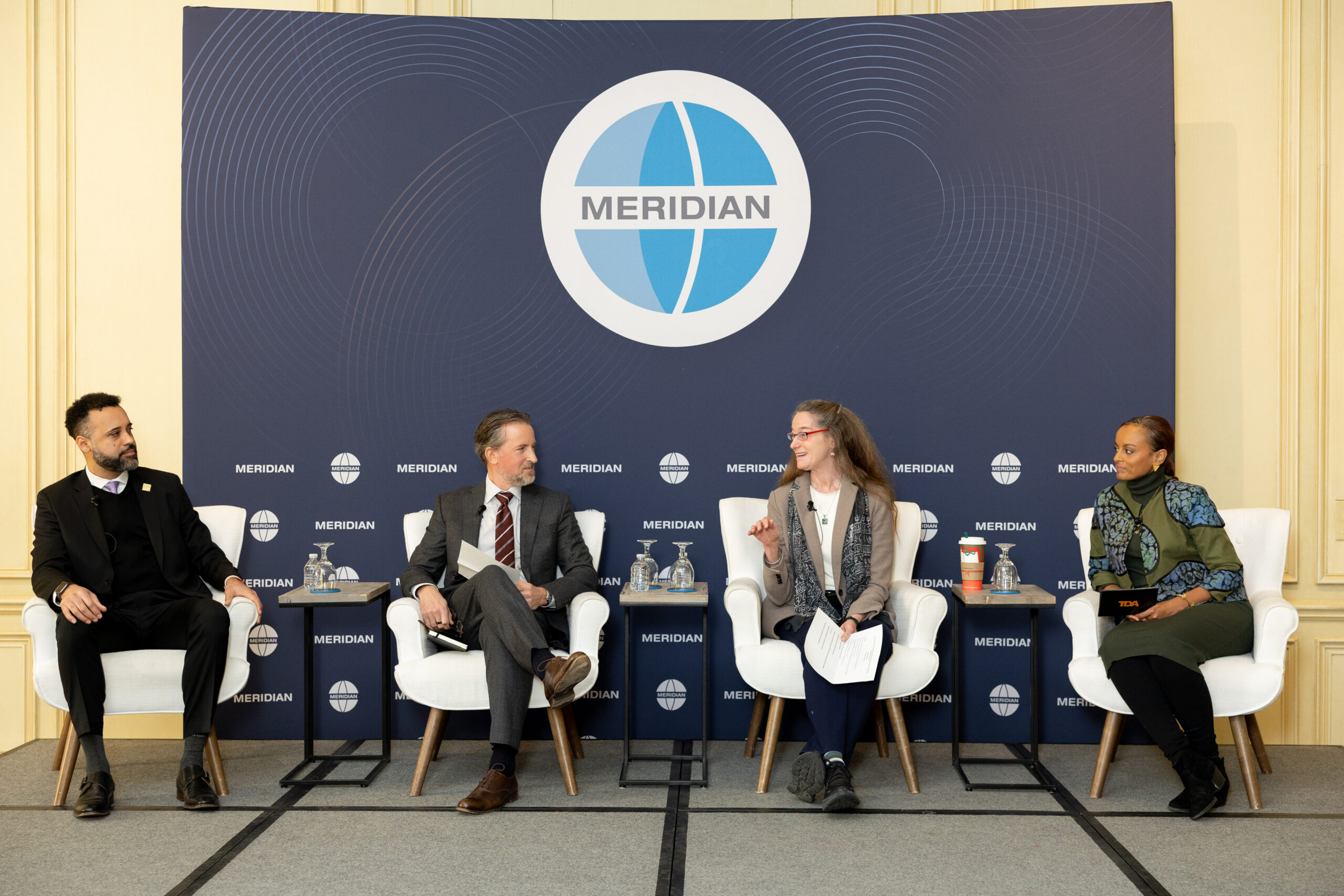
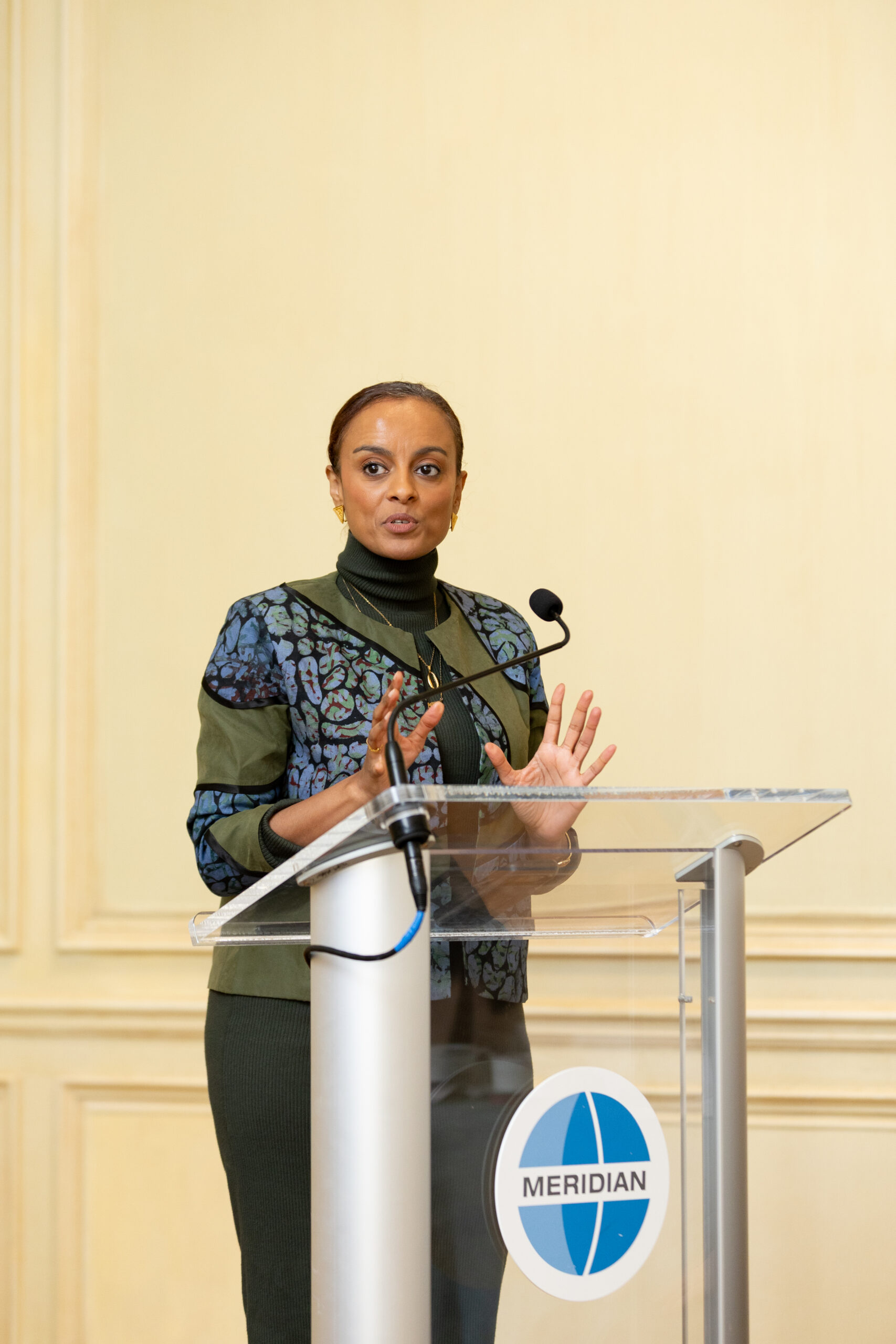
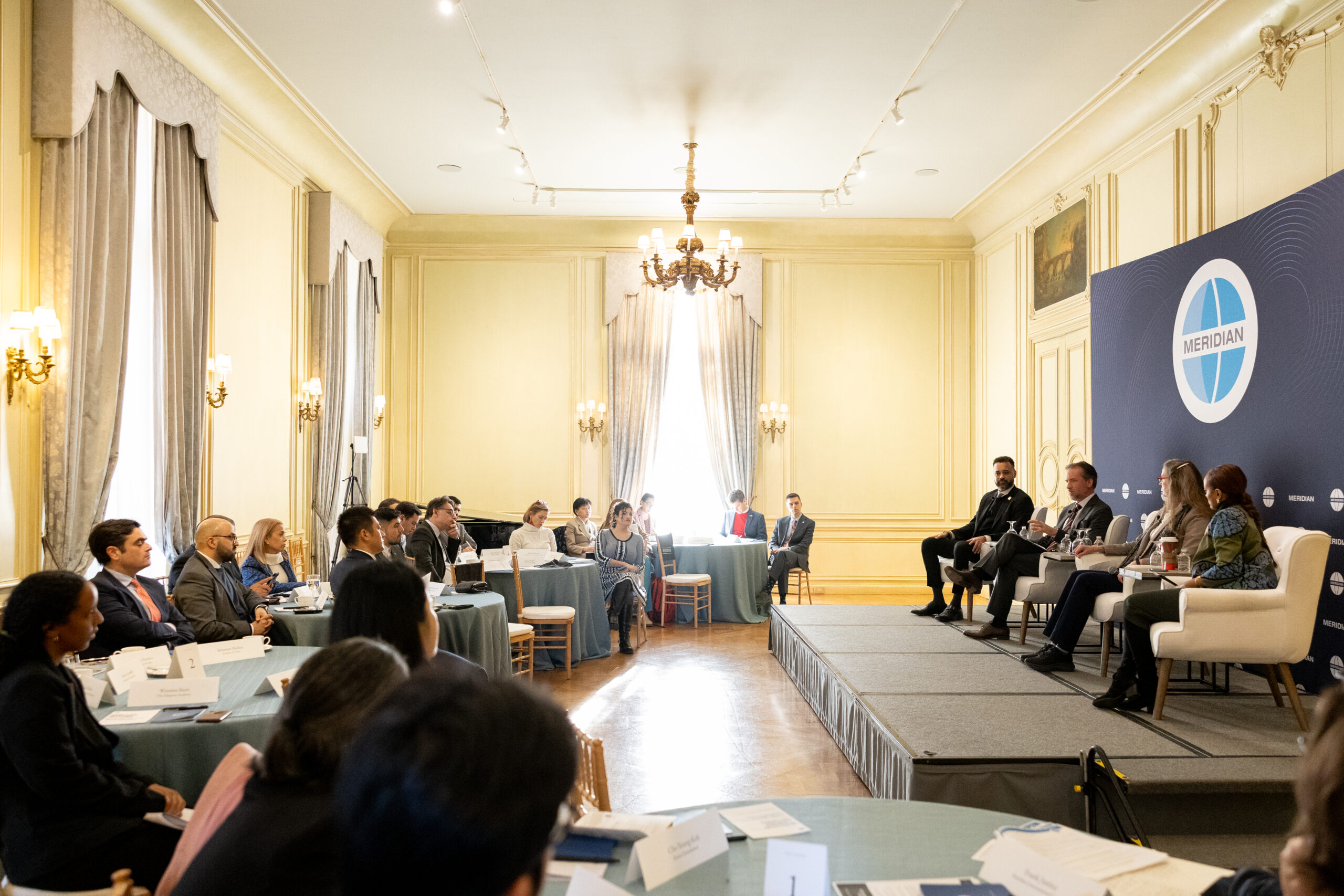
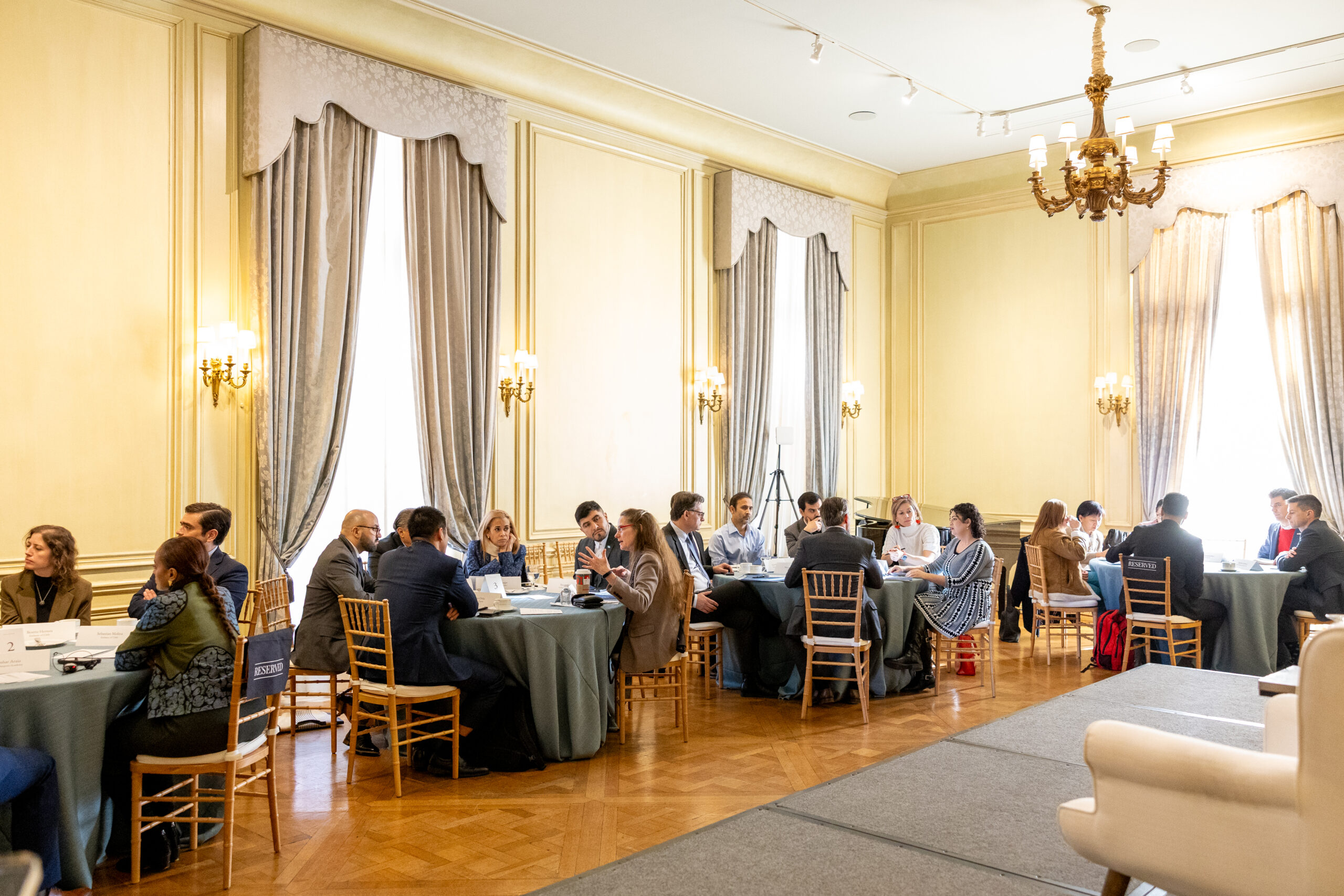
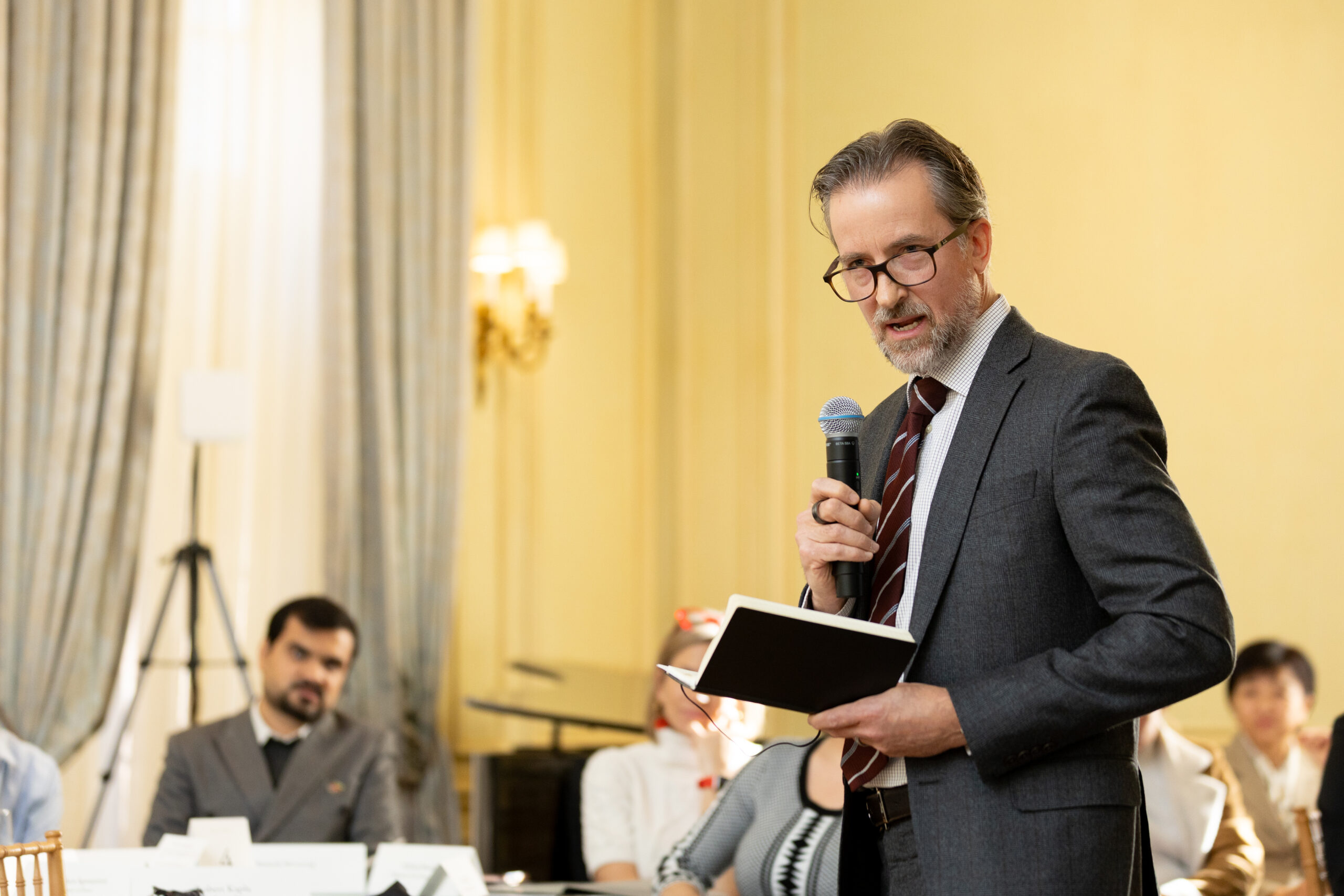
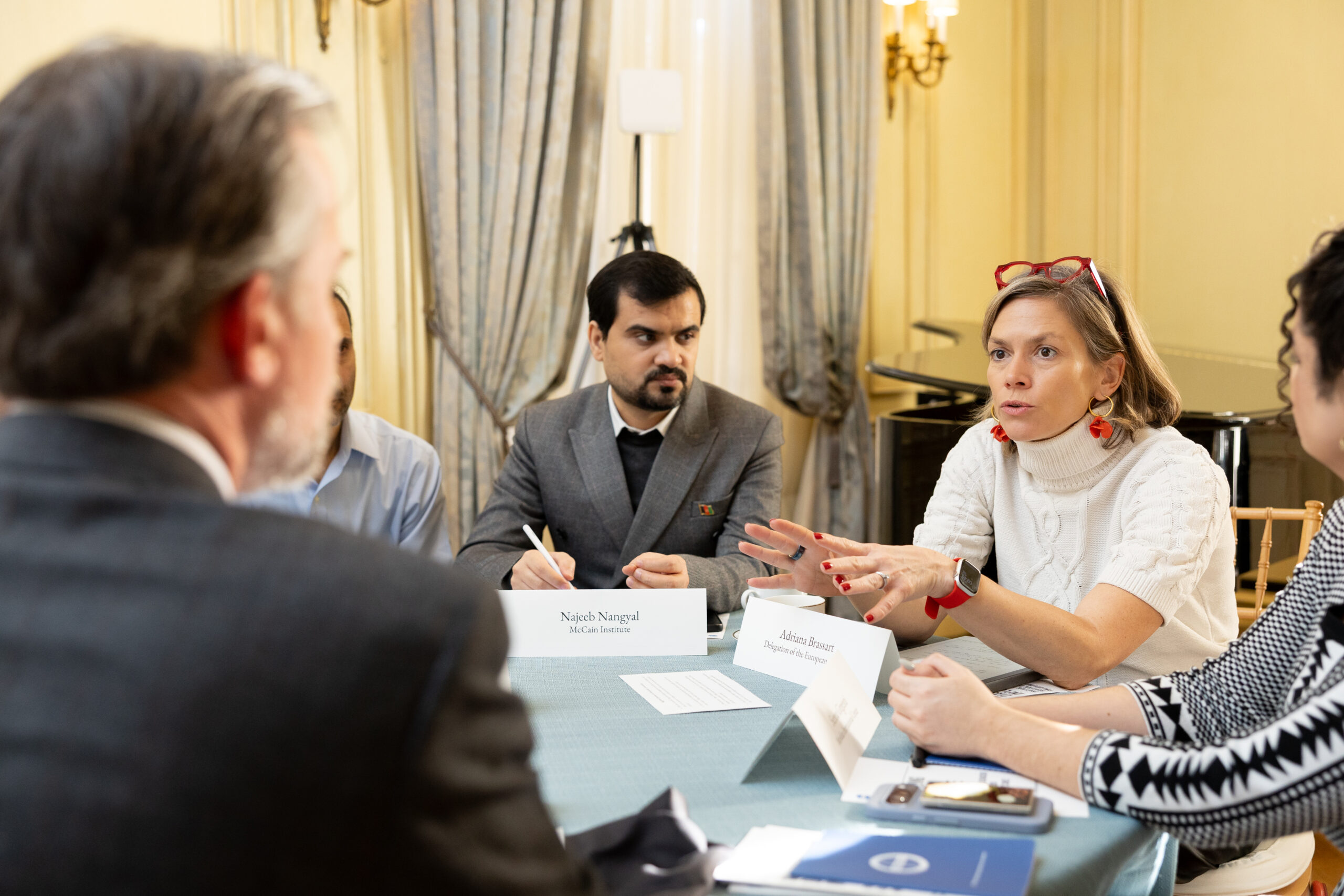
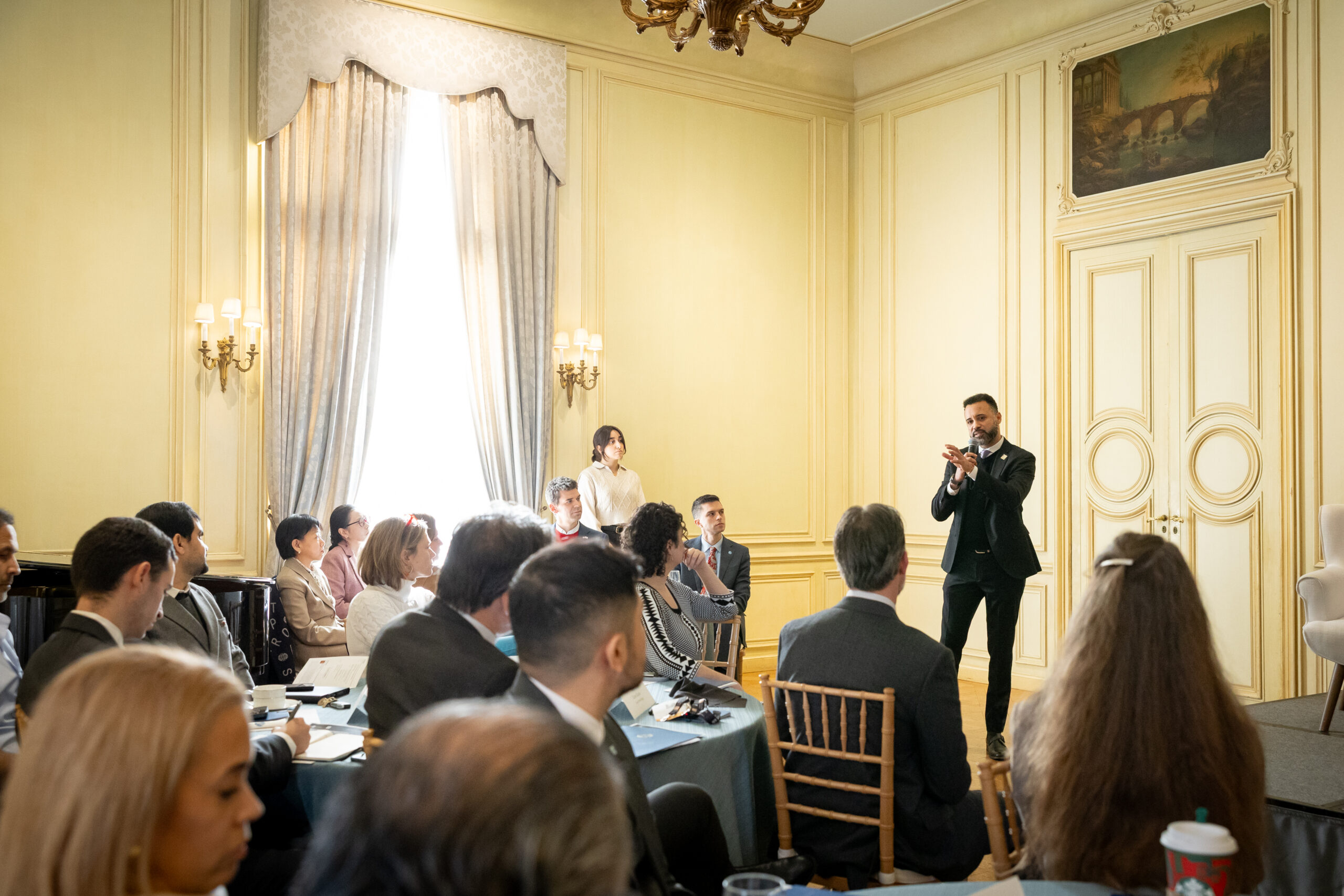
On December 18, 2025, Meridian convened diplomats and practitioners in Washington to explore practical strategies for engaging and activating diaspora networks in the United States. The discussion blended expert insights with interactive audience participation, highlighting best practices, surfacing challenges, and identifying actionable next steps for strengthening diaspora engagement in 2026 and beyond.
These Were the Top Takeaways from the Program:
1. Expand Networks Beyond Your Own Diaspora
Focusing solely on a single diaspora can limit business growth, cultural influence, and civic impact. Broadening connections across multiple communities, sectors, and geographies creates new partnerships, unlocks opportunities, and strengthens bilateral ties. Programs like Sister Cities International, which connects U.S. cities with communities abroad to promote cultural exchange, economic partnerships, and citizen diplomacy, provide structured avenues to link diaspora communities with local governments, businesses, and civil society partners. This fosters cross-border collaboration and amplifies influence.
2. Leverage the Entire Embassy Team
Diaspora engagement is not the responsibility of one staff member; it requires a team approach. Embassy staff should participate in both large-scale events and smaller, intimate gatherings. Large gatherings build visibility and awareness, while smaller engagements often generate deeper relationships, practical insights, and actionable outcomes. A coordinated team ensures the embassy maximizes its reach and strengthens sustained engagement.
3. Focus on Catalysts Within Communities
Identifying and working through key influencers such as local entrepreneurs, cultural leaders, and civic organizers, allows embassies to engage efficiently, even with limited bandwidth. Catalysts can mobilize networks, host events, and promote initiatives, helping to amplify messages and programs. This approach ensures high-impact engagement while leveraging existing community structures and leadership.
4. Address Gap Areas and Create Feedback Loops
Some diaspora communities are underserved due to distance, limited civil society partners, or low visibility. Embassies should proactively identify these “gap areas” and develop targeted strategies to provide resources, advocacy, and support. Establishing feedback loops through ongoing engagement with community leaders and working through trusted intermediaries who can relay priorities, evaluate effectiveness, and flag unmet needs helps ensure these efforts remain relevant and effective. Closing these gaps not only strengthens the diaspora’s capacity to thrive but also enhances the embassy’s ability to extend its influence and foster inclusive engagement.
5. Take a Multigenerational Approach
Generation should be assessed alongside geography and demographic factors when designing diaspora engagement strategies. Diaspora audiences vary not only by location, but by generational experience, which shapes priorities and preferred modes of engagement. First-generation immigrants may prioritize practical navigation of systems, workforce participation, or near-term opportunity access, while second- and third-generation descendants are often more responsive to professional networks, cultural programming, leadership pipelines, or long-term civic involvement. Applying a generational lens—integrated with geographic approaches—improves targeting, increases participation, and strengthens the long-term effectiveness of diaspora engagement efforts.
Project summary
| Mobilizing Diaspora Influence: Practical Tools for Advancing Bilateral connection and Diplomatic Outcomes | December 2025 | |
|---|---|
| Countries: | United States |
| Impact Areas: | Governance and Transparency |
| Program Areas: | Diplomatic Engagement |